
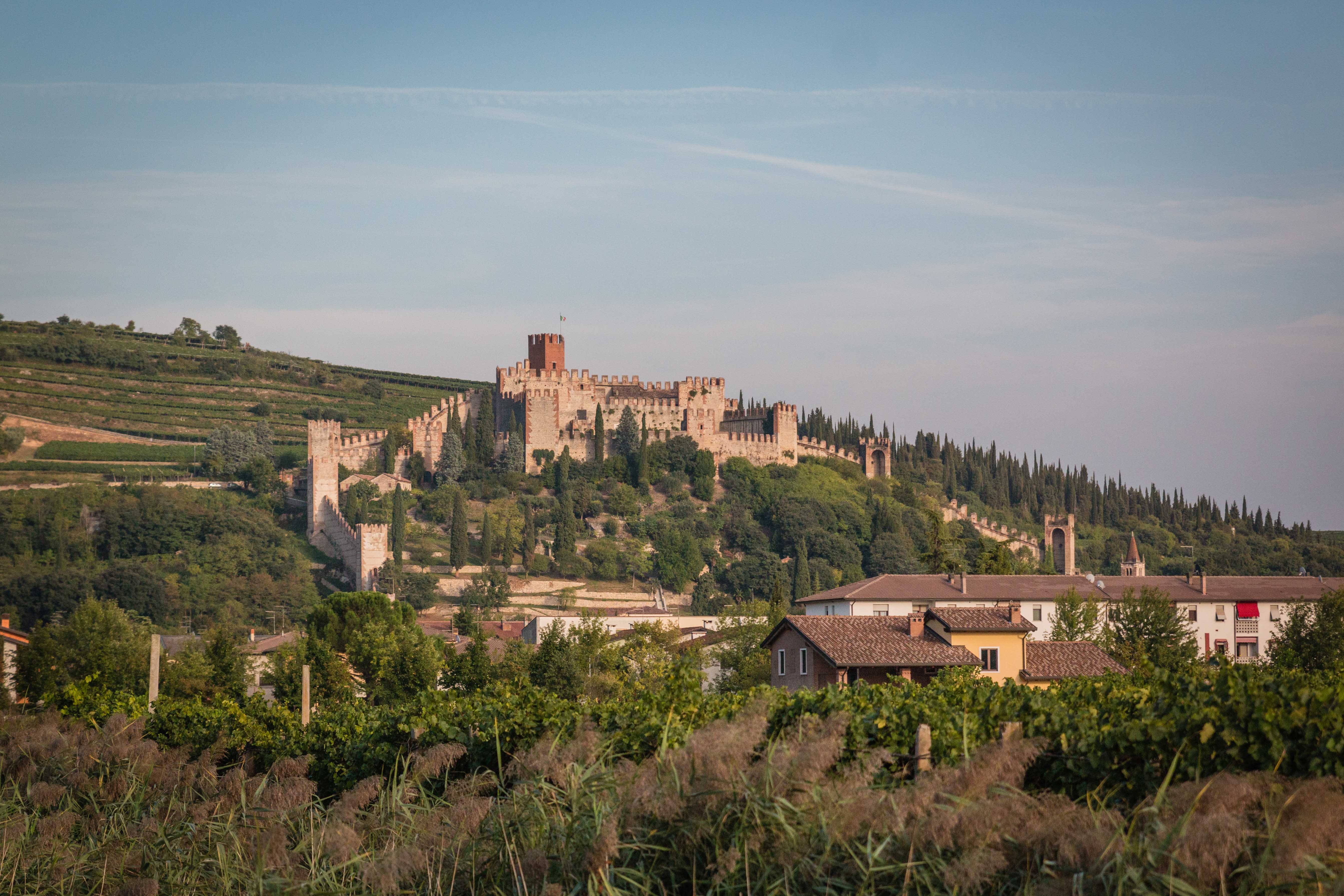
The famous castle in the wine region of Soave, “Il Castello di Soave,” was built in the 10th century to ward off invading Hungarians. Now, tourists stroll its walls during breaks from the town’s enotecas and wineries.
The famous castle in the wine region of Soave, “Il Castello di Soave,” was built in the 10th century to ward off invading Hungarians. Now, tourists stroll its walls during breaks from the town’s enotecas and wineries.
Filed under Soave
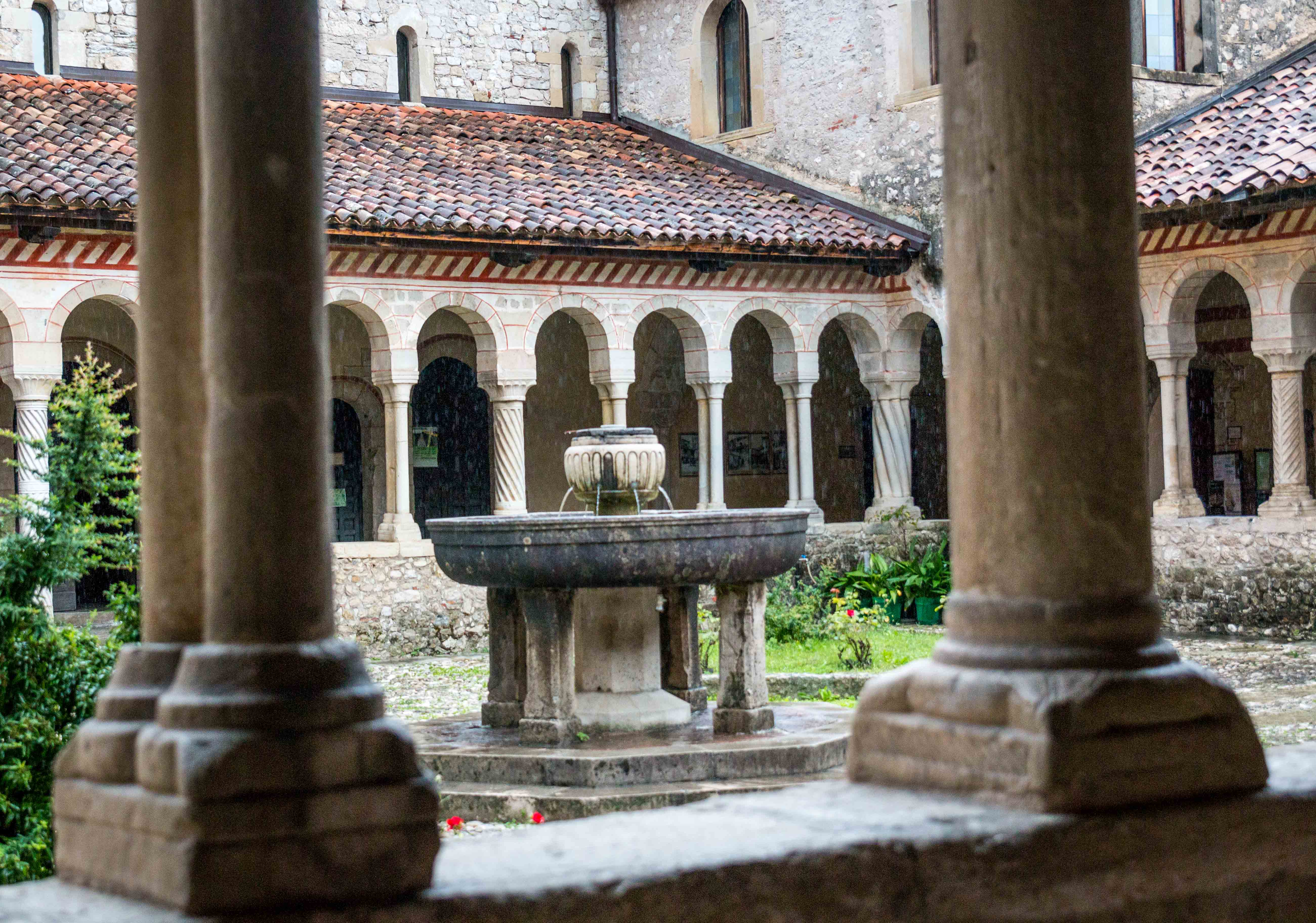
View of the fountain inside the Abbey of Follina in the province of Treviso. We ran in for a brief look on a drizzly day while touring Prosecco country. The monastic complex dates back to the 12th century, during which the grape-loving Cistercians replaced the Benedictine monks

The Perera grape, allowed for use in the Prosecco blend (in addition to Glera, the primary grape.) The winery Marchiori makes the only single-varietal bottling of Perera.
Filed under Italy

The stunning UNESCO Vineyard Terraces of Lavaux, Switzerland, along Lake Geneva.
Filed under Hungary

All images by Lauren Mowery.
If you missed my article in the Village Voice…
Halfway between L.A. and San Francisco, bucolic Paso Robles has exploded with wineries over the last twenty-five years. The region, long home to cowboys and farmers, grew from a handful of pioneering grape growers who arrived in the late Seventies to over 200 hopeful winemakers working in eleven recently delineated American Viticultural Areas (AVAs). Although new plantings have stalled due to serious water woes, to locals and visitors, vineyard saturation is palpable, especially when driving along one troublingly expansive, deep-pocketed project. But to East Coast drinkers, the area’s wine boom has largely gone unnoticed.
Because most of Paso’s wineries are small to mid-size, their offerings rarely penetrate the competitive, Eurocentric NYC market. Only a few famous names stick in the minds of drinkers. For example, Justin, known for its red Bordeaux “Isosceles” blend, and Saxum Vineyards, the label that earned a Wine Spectator Wine of the Year award in 2010, put Paso on the map for wine collectors. Tablas Creek, a successful endeavor founded by the Perrin family from Châteauneuf-du-Pape winery Château de Beaucastel, helped drive the red and white Rhône blends that have come to characterize the area’s wines. Now, with the expanded reach of direct-to-consumer (DTC) shipping and growing interest from local retailers, New Yorkers can tap into Paso’s wealth of up-and-coming, boutique brands.
“Paso Robles is an interesting alternative to other California regions because there is a lot of experimentation going on with different grape varieties right now,” said Jennifer DiDomizio of downtown Manhattan retail shop California Wine Merchants. “Of course there are the Rhône varieties and the more traditional zinfandel and cabernet sauvignon, but we are seeing more French, Italian, and Spanish grapes and blends coming out of Paso.” DiDomizio also noted Paso’s big improvements in quality, “particularly as producers match their micro-climates to suitable grape varieties. I’ve heard very high praise for these newer projects, and there is an excitement about the energy that a new generation of winemakers are bringing to the region.” California Wine Merchants currently sells a handful of Paso wines, and rotates its selection regularly, but DiDomizio said the percentage of Paso wines in the shop will continue to grow, reflecting the region’s dynamic growth.
From Italian grapes and organic vineyards to unique bottling methods, here are six exciting Paso wineries to watch, all now available at your doorstep.
Giornata
Tucked into the back of Tin City, an industrial zone recently revitalized by a flurry of new tasting rooms, Giornata specializes in varietally correct Italian grapes stamped decorously by the California sun. A darling D.I.Y. clan, because of their practical-and-fun-and-good-for-the-environment ethos, owns the winery. Husband and wife Brian and Stephy Terrizzi, along with their small children, take a hands-on, sustainability-minded approach to every facet of the business, from the vineyard to the cellar. The family even uses a bicycle-powered grain mill (read: good for exhausting energetic kids) to experiment in making flour from locally grown whole grains.
Giornata produces the finest American iterations of nebbiolo and barbera I can recall tasting. “Joyful” is not an adjective I use often in a note, but the 2014 Barbera’s ($25) electric cherry fruit and silky texture elicited the descriptor. Even a simple white, the 2014 Il Campo Bianco ($20), provided delights in its floral and citrus echo of an Italian garden, and over-delivery on price.
Alta Colina
This small, family-run estate winery in West Paso focuses, like many, on Rhône grapes. Founder Bob Tillman departed the high-tech business world after 35 years to launch the label in 2003, and claims to embrace “the big, extracted style that naturally follows from this terroir.” I found the wines robust, but not pushy, which I attributed to their impeccable balance. For example, the 2011 Toasted Slope syrah ($45), featuring a splash of viognier à la Côte-Rôtie, pushed the boundaries of alcohol on the label, but not in the glass, where traces of booziness floated effortlessly away into a perfume of smoke and blackberries.
Tillman and his daughter Maggie, who runs their marketing program, believe in long-term stewardship of the land, and thus converted the entire mountain farm to organic. “It is a way of life, not just a business,” Tillman explained, adding that “this enterprise is intensely personal. We are constrained by only two things: The fruit must come from our vineyard, and we must be self-financed.” In addition to syrah, Alta Colina produces a viognier and grenache blanc for its whites, and a range of GSMs (grenache, mourvèdre, and syrah blends) and petite sirah.
While limited direct shipping is available, their NY distributor is Wine Source Group.
Field Recordings
Canned wine might not seem like the obvious choice for a dinner party, and perhaps it’s best left relegated to pool, park, and beach events where glass is prohibited, but the juice inside this innovative company’s packaging is worthy of a glass bottle.
The winery name, Field Recordings, came from analogizing the term used for audio recordings produced outside of a studio, and often of natural occurrences, to the thought process behind the vino — “the wine being the stories of people, places, and grapes, captured in a bottle,” explained founder Andrew Jones. With regard to using an aluminum conveyance, Jones said he was impressed with all the positives he discovered when researching the canning process. “It is extremely gentle on the product versus a bottling line, it is infinitely recyclable, it provides huge savings to the end consumer, and overall, it is the most convenient packaging around for enjoying wine,” he said. Not all of his offerings come with a pull tab (most don’t), but the FICTION blends, like the red made from zinfandel and a vintage dependent rotation of five to seven other varieties, do. FICTION white and a rosé are also available. Four 500 mL cans are $40.

The Kentucky Ranch Barn owned by Thacher Vineyards
Tired of working as a Silicon Valley cubicle drone, Michelle, along with her brewmaster and winemaker husband Sherman, sought to leave their urban lifestyle in Santa Cruz permanently. In 2006, they purchased an old horse ranch in the Adelaida area of Paso Robles, and opened a winery and tasting room by 2008. “We showed up and it was trial by fire,” said Sherman, “but we embraced it.” Despite the picturesque backdrop of dips and hills, complete with a historic barn emblazoned with “KR,” denoting “Kentucky Ranch,” the emblem of the former owners, Thacher buys most of their grapes. Their land isn’t as suitable for farming as it is for photographing. But the world of fine wine has proven repeatedly that solid grower contracts can be as good, if not better, than estate fruit.
Uniquely for the area, Thacher produces a medium-bodied, savory, tea- and spice-evocative 2012 mourvèdre ($45). Blended with a dollop of lively, strawberry-leather-scented grenache, it’s a nice break from the rich, fruity overtones of the region’s reds. The 2013 grenache blanc ($28), from La Vista Vineyard, also offers a refreshing take on this local white grape, with its bright salty-lime- and green-apple-soda-tinged flavors.
Ranchero Cellars
Ranchero Cellars is the tiny, personal label of Amy Jean Butler (only 650 cases a year), who is better known for making other people’s wine. Butler adheres closely to the wishes of her clients, but when it comes to her grapes, which she buys through longstanding contracts, she strives for an acid-driven, restrained style — a tough combination to find in Paso.
Butler learned to love acid, she says, working at California sparkling house Schramsberg, and her wines prove it. The 2014 grenache blanc “chrome” ($28) rips with zippy citrus fruit, and her 2013 La Vista Vineyard viognier ($30) portrays the leaner, more delicate side of the too often blowsy grape. But Butler’s real passion project is working with little-respected carignan, or, as she describes the grape, “the wild, brambly, and gnarly red beast.” Her vivid 2012 Carignan ($32) expresses crushed blackberry Pez and an herb crust akin to one you might find on a lamb roast. If the description sounds weird, the wine tastes delicious.
Purchase wines online or contact NY distributor Vine Collective.
Clos Solène
Successful wine brands have compelling backstories, made more so when the tale incorporates true romance with a superb product. Such is the case for Clos Solène, a label born of two aspiring French winemakers, lovestruck Guillaume and Solène Fabre. Clos Solène began in 2007 with two barrels housed in a nearby winery; doubling in size each year, the pair now have their own tasting room in Tin City.
Their wines are unabashedly voluptuous, embracing the region’s propensity for naturally high alcohol without transforming the Rhône grape-based blends into diesel fuel (unlike a few of their peers). Flavors are intense, like the red-berry-concentrated 2013 La Petite Solène ($65), an SGM. While the wines sit at the top of the price pyramid for the region, they have received critical acclaim, resulting in regularly sold-out offerings. Production amounts are small, so if you love their wines, join the mailing list.

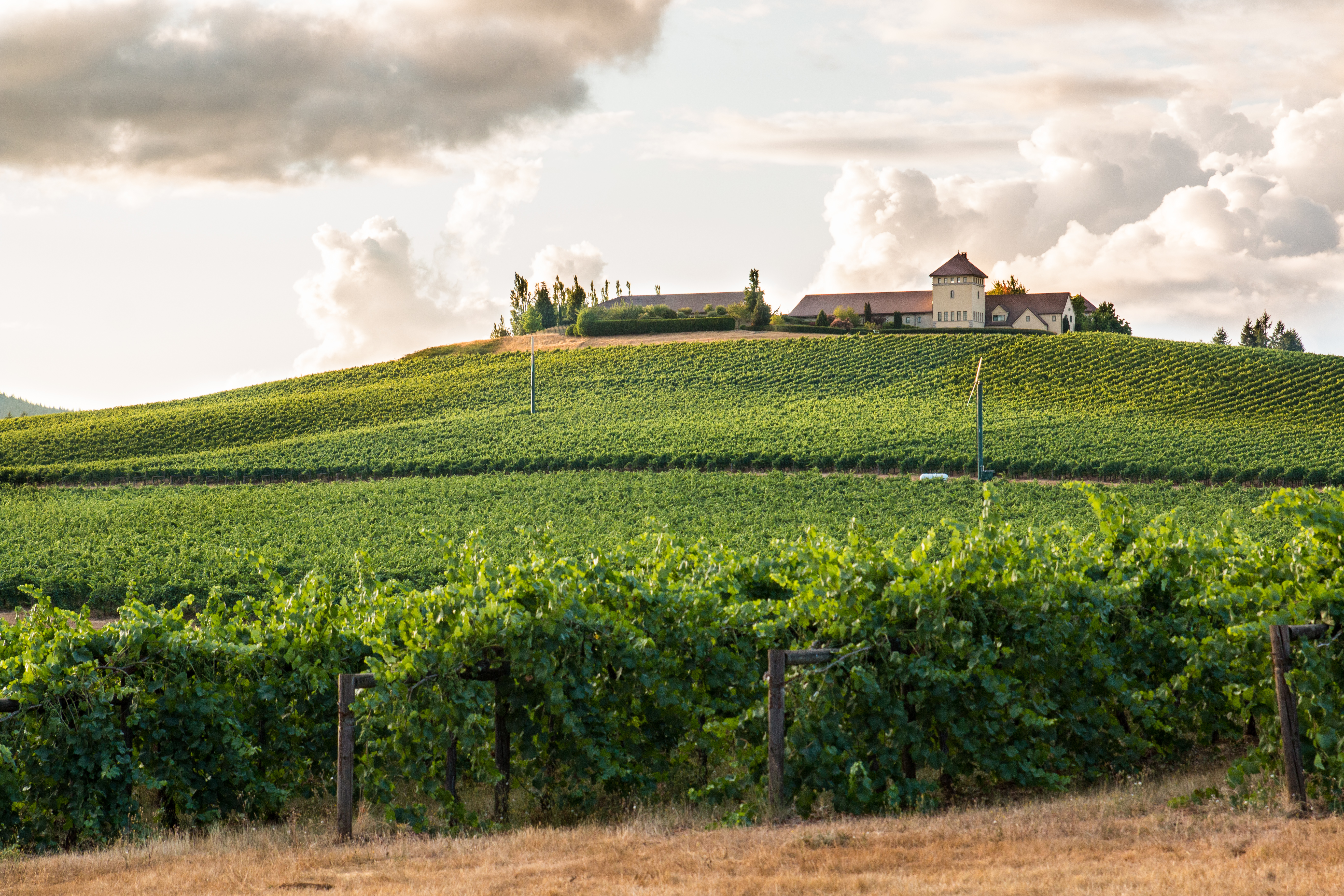
Afternoon view of vineyards on Paso’s east side
Filed under California, Paso Robles
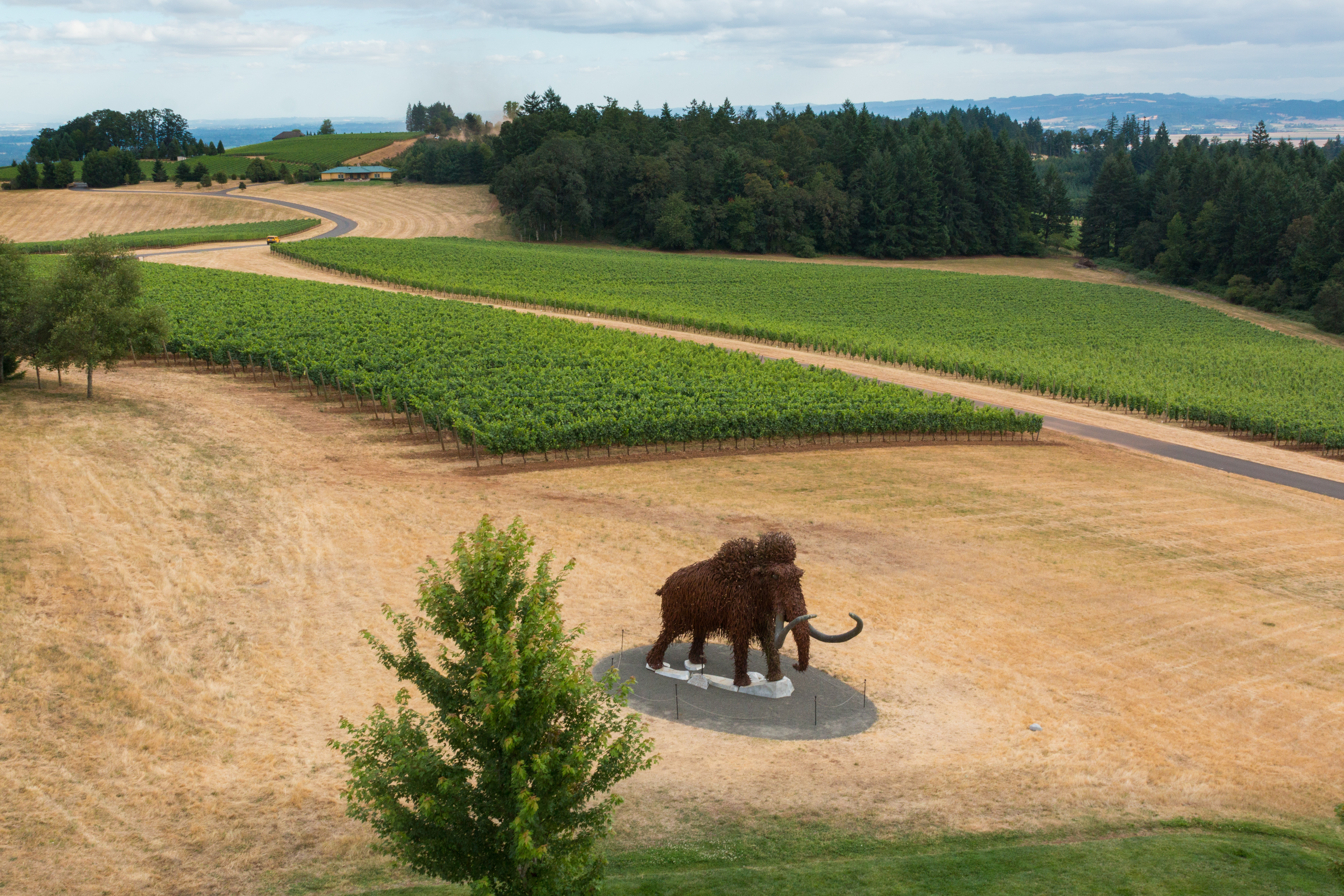
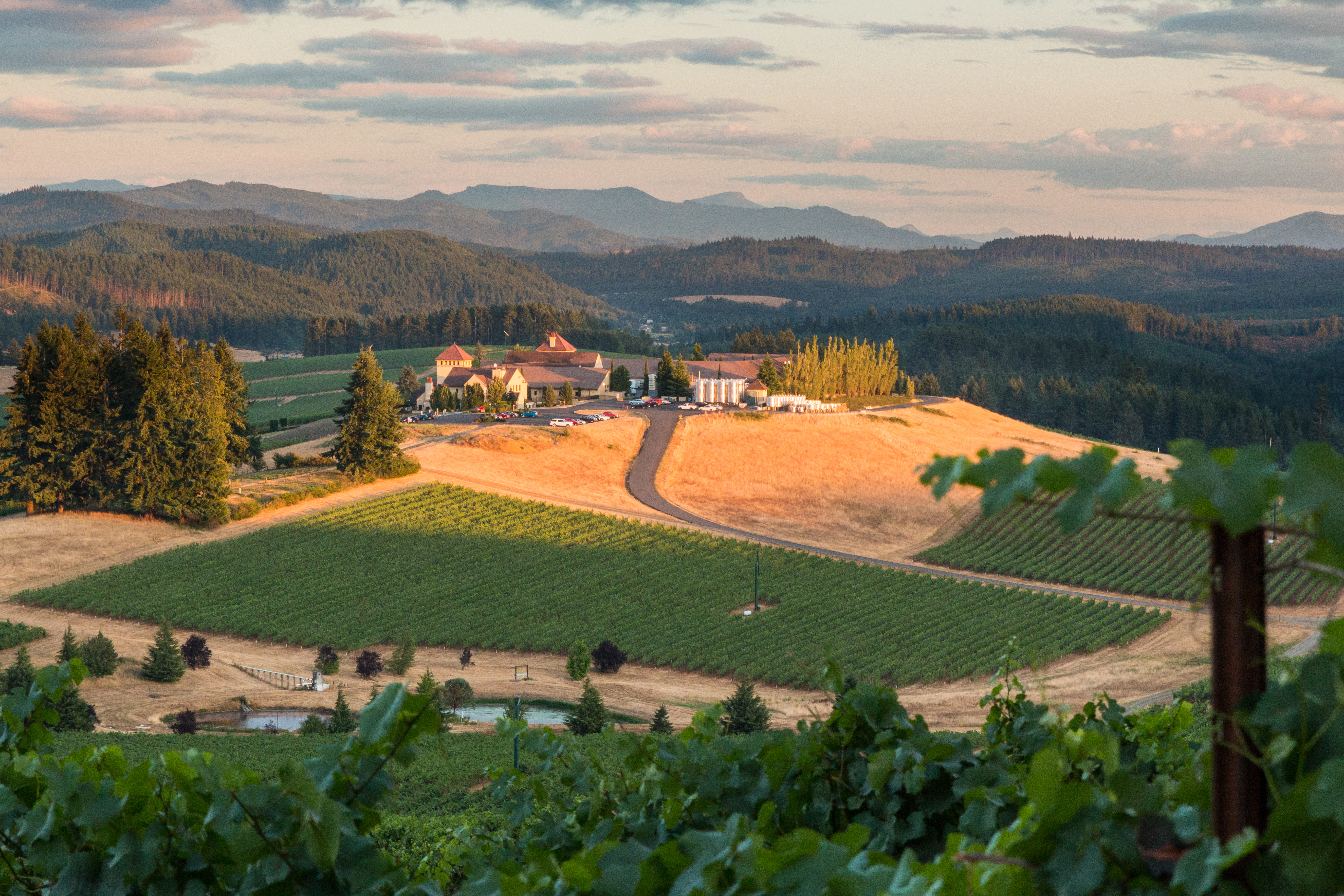
View from the top of the tower at Domaine Serene in Dundee Hills, Oregon
Filed under Oregon
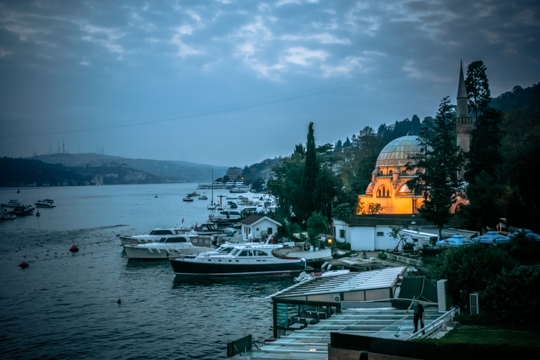
Images by Lauren Mowery. Istanbul’s Bosphorus at Dawn
Looking to inject spice and exoticism into your staid wine-drinking routine? This June, head east. Pass Long Island, cross the Atlantic, skip over Spain, France, Italy…then stop. You’ve hit a cluster of emerging wine regions vying for the attention of sommeliers and tastemakers that are superseding Georgia as the new “It girl.” Start with gorgeous Croatia, a wine-rich culture blessed with a long Adriatic coastline, and continue east, curving around the Black Sea with Moldova, Bulgaria, and Turkey; each country offers indigenous grapes at affordable prices, allowing imbibers to visit far-flung locales, via wine, for less than $20.
Local experts weigh in on why these wines will intrigue you, and what bottles you can find on the market now.
Croatia
Cliff Rames is a New York City sommelier certified by the Court of Master Sommeliers. He has devoted most of his free time to his labor of love, Croatian wine. He’s both founder of and brand ambassador for Wines of Croatia, and he has conducted masterclasses in NYC on behalf of the Association of Winemakers of Croatia.
“The wines of Croatia may be new to international consumers, but vino has been an embedded part of the region’s lifestyle for more than 25 centuries. The tradition continues with a new generation of winemakers focused on preserving indigenous varieties, such as graševina, malvasia istriana, and plavac mali — an offspring of zinfandel, which originated in Croatia — grown in some of the world’s most unique terroir. From the cooler continental region, look for certified organic Enjingi Graševina 2012 [SRP $13], a savory, refreshing white with dusty notes of dried apple, pear, honey, and petrol. From Croatia’s hot, island-studded coast, the Bibich R6 Riserva 2011 [SRP $20] is a tasty glimpse into the potential of indigenous reds: a blend of babić, plavina, and lasina, it’s vibrant and balanced, finishing with notes of ripe cherry, dried fig, roasted Mediterranean herbs, and distinctive friškina — ‘scent of the sea’ — minerality.”
Turkey
Last October, the promise of tasting seldom-exported indigenous grapes lured me to three different wine regions scattered across Turkey’s vast, rumpled landscape. What I found was a country in the midst of a vinous renaissance, enjoying a decade of boutique-winery growth stretching from the Aegean to Georgia.
Bulgaria’s southeastern boundary adjoins Turkey, but viticulture doesn’t stop at the border despite the predominantly Muslim population that lies within. In fact, winemaking in Turkey dates back nearly 7,000 years to the time of the Hittites. International grapes have sneaked their way in; cabernet sauvignon and cabernet franc commonly share vineyard space with hard-to-pronounce natives like the juicy, cherry-flavored öküzgözü and the tannic red boğazkere. In the Ankara province, however, Vinkara Winery focuses exclusively on local grapes like narince, a refreshing, stone-fruit- and citrus-laced white, perfect for summer sipping, and kalecik karasi, an earthy, berry-fruited red with a delicacy reminiscent of pinot noir. Try the Vinkara Winery “unoaked” Narince 2013 (SRP $15) and Kalecik Karasi Reserve 2011 (SRP $25).
Although winemaking is still legal, recent years have seen the Muslim government lead an anti-alcohol campaign in the name of public health, marked by the passage of new, restrictive laws that threaten to strangle the burgeoning industry. For example, wineries cannot market themselves or their product: It is illegal to hand out business cards and informational brochures, or host websites referring to wine. Their future is uncertain, making the international market extremely important to their survival. Drink Turkey and lend your support!
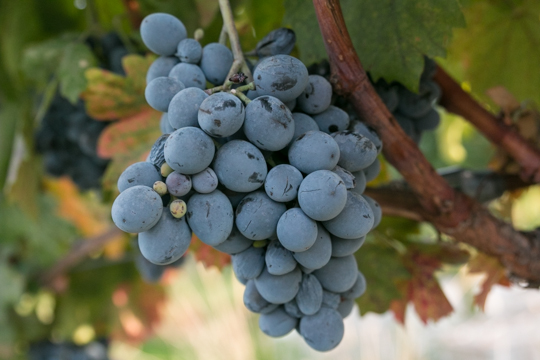
Turkish Grapes
Moldova
Mike DeSimone and Jeff Jenssen earned their moniker, “World Wine Guys,” the hard way: by traveling to every corner of the planet in search of exciting wines (tough, but someone must do it). They’ve shared their wisdom in books and magazines, on television, and, most recently, during a seminar they hosted on Moldovan wine in NYC at the Astor Center.
“Wines from Moldova face more of a challenge in the U.S. at the moment because there are fewer of them in the market. Moldova is one of the poorest countries in Europe, wedged between Ukraine and Romania, but with financial help from the European Union they are holding trade tastings in countries such as the U.S. and England. If you can get your hands on a bottle or glass of feteasca alba or feteasca neagra — respectively, white and red grapes indigenous to Moldova and Romania — give them a try. Feteasca alba is a pleasing aromatic white, while feteasca neagra is vinified into a complex red with flavors of cassis and dark berries. They are hard to find, but one producer that has a presence in New York is Purcari Estate, like the Purcari Rara Neagra 2012 [SRP $17]. Wine drinkers who like to ‘drink their way around the world’ should definitely seek out indigenous varieties from Moldova.”
Bulgaria
Hot on the heels of their Moldova presentation, the World Wine Guys hosted a Bulgarian wine lunch at Corkbuzz.
“Although Bulgaria is one of the oldest wine-producing countries in the world, with archeological evidence of winemaking dating back 9,000 years, its wines are almost completely new to the American market. Wines are made from international varieties such as cabernet sauvignon, chardonnay, and viognier, as well as native grapes such as mavrud, a rich, deep red. One of the best things that Bulgarian wines offer to wine drinkers is value for price, with a surprising number of recent ‘Best Buys’ in Wine Enthusiast, where Jeff tastes wines from the ex–Soviet Union and Yugoslavia. A terrific bottle to try is Chateau Burgozone Chardonnay 2012 [SRP $14] from the Danube River Plain, which has tropical fruit flavors and a crisp, clean finish.”
Filed under Bulgaria, Croatia, Moldova, SouthEastern Europe
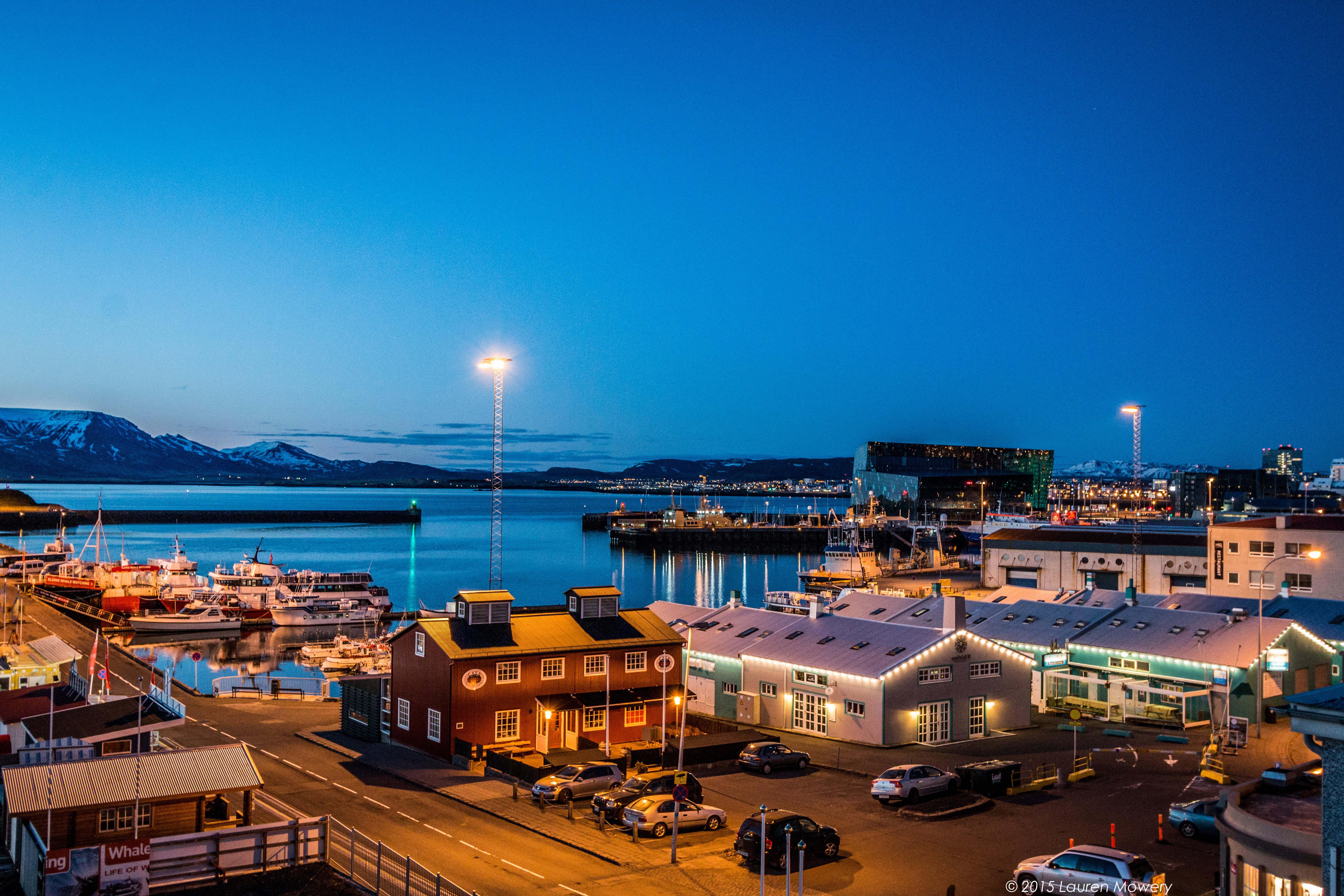
All images by Lauren Mowery. Twilight over the harbor.
Three days in Iceland sounds like too short a time to glean a comprehensive understanding of the country, and it is. If you can stay longer, do. Martin Miller’s Gin invited me to join them on a short visit to judge their international cocktail competition, and I added an extra day-and-a-half to see a few sights.
If you don’t know the premise of UK-based gin brand Martin Miller, you’d likely wonder why they would host a mixology competition in Iceland. The answer is in the water. While the spirit is distilled in England, the gin is bottled to strength in Iceland using the country’s naturally filtered H2O. We visited the water source and bottling plant, looking and tasting for proof Icelandic water makes a difference in the quality and aromatic expression of the gin. And it does. Without going into scientific detail, the juniper and botanical notes manifest more delicately with less alcoholic burn than Miller’s competitors.
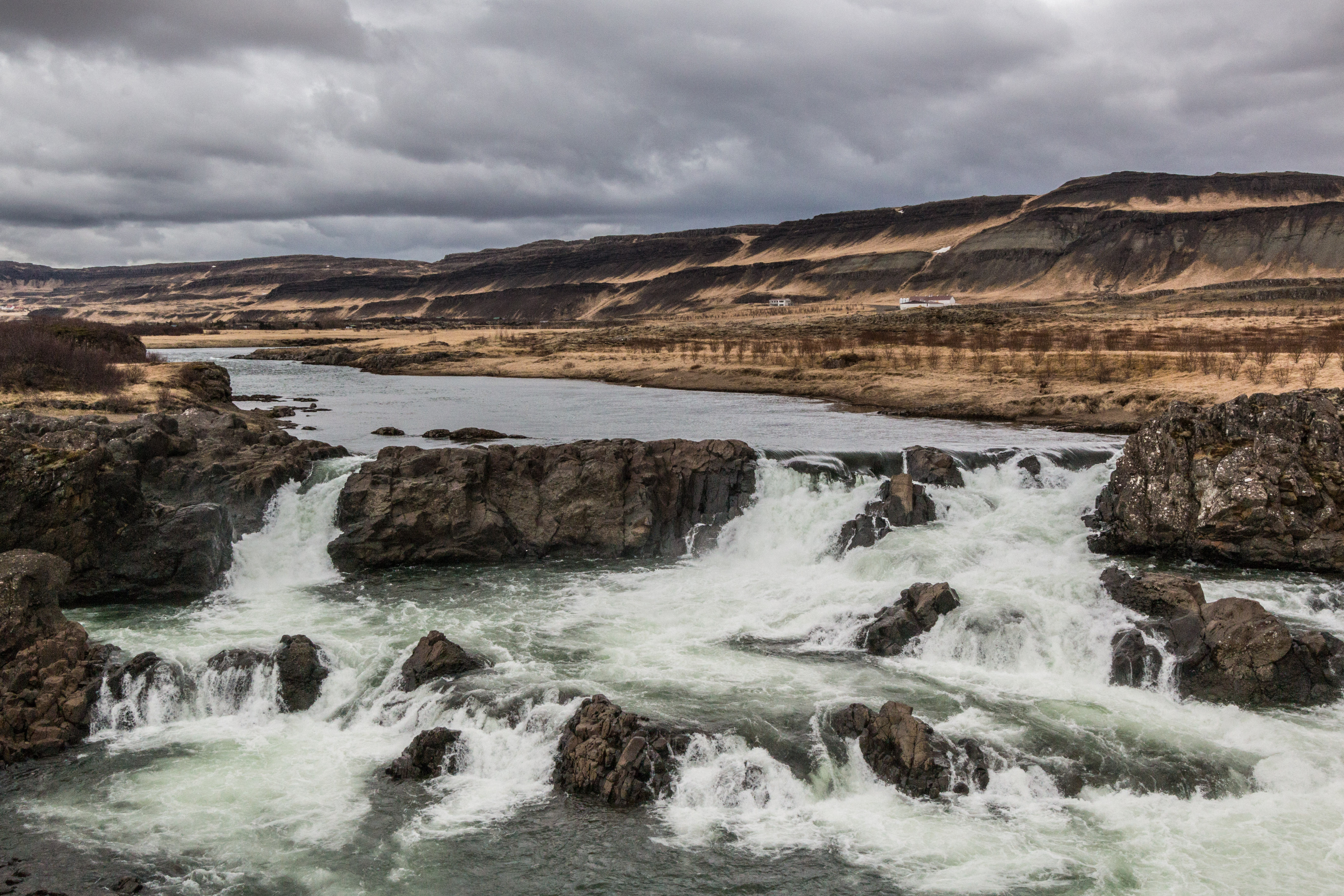
The water source for Martin Miller’s Gin.
After the close of the competition, a colleague and I stayed on to drive the iconic southern stretch of Ring Road 1, and walk around Reykjavik. Here are my ten insights.
Don’t Buy Bottled Water. The tap water is clean, delicious, and free. Most casual restaurants provide self-serve water stations. If you need to carry water around (which you will want to in your car), pack a reusable container with you, or else buy one bottle at the start of the trip and refill it throughout.
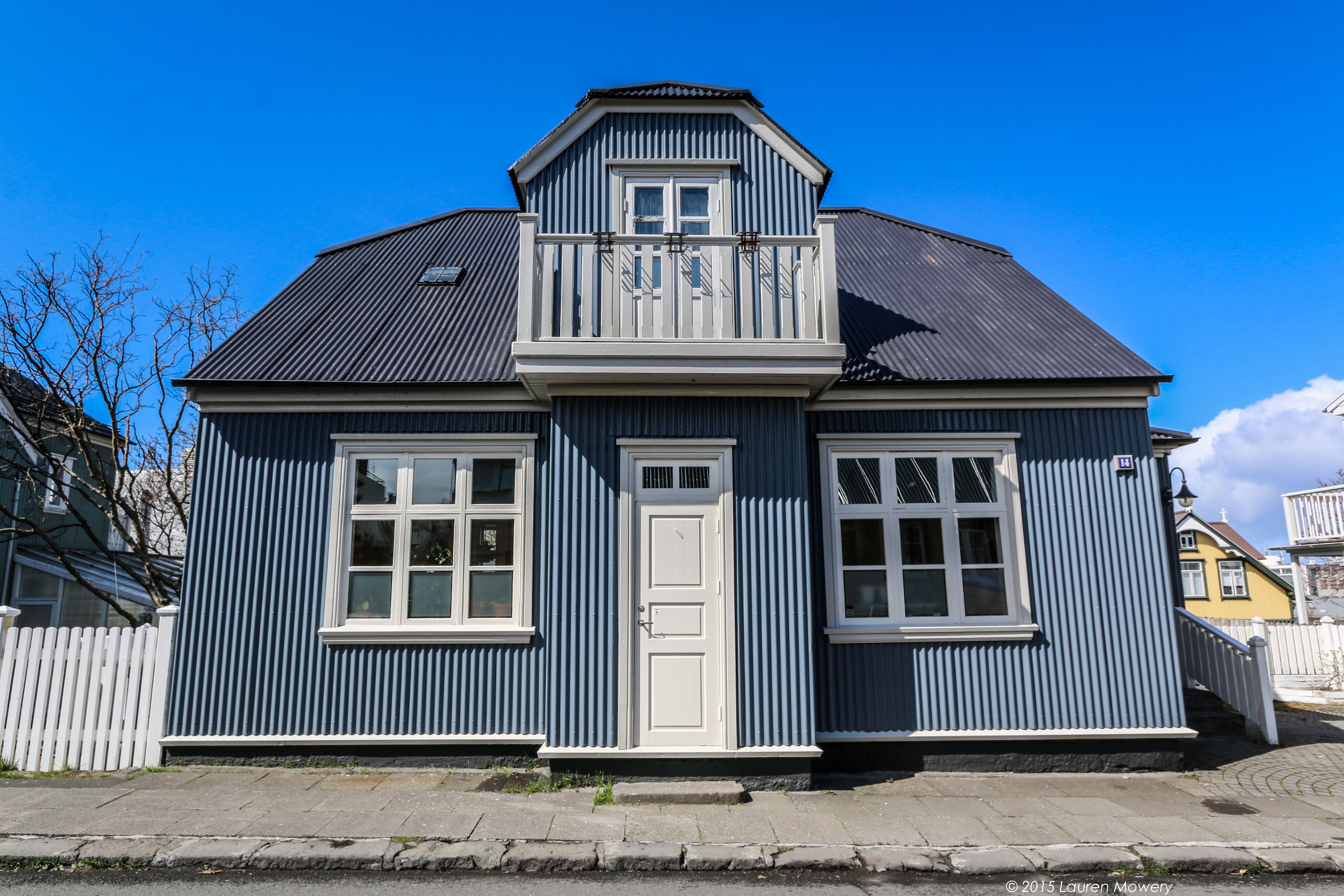
House in Reykjavik
Don’t Exchange or Take Out Money from the ATM. If you feel more comfortable carrying a little pocket change, go ahead, but every restaurant, shop, café, and gas station I hit, accepted credit card for payments as small as a few cents. I asked a local for an explanation, and she proffered that because their money comes in notes of thousands, and lots of heavy coins are used for hundreds, people prefer to use credit than carry around cash. Makes sense.
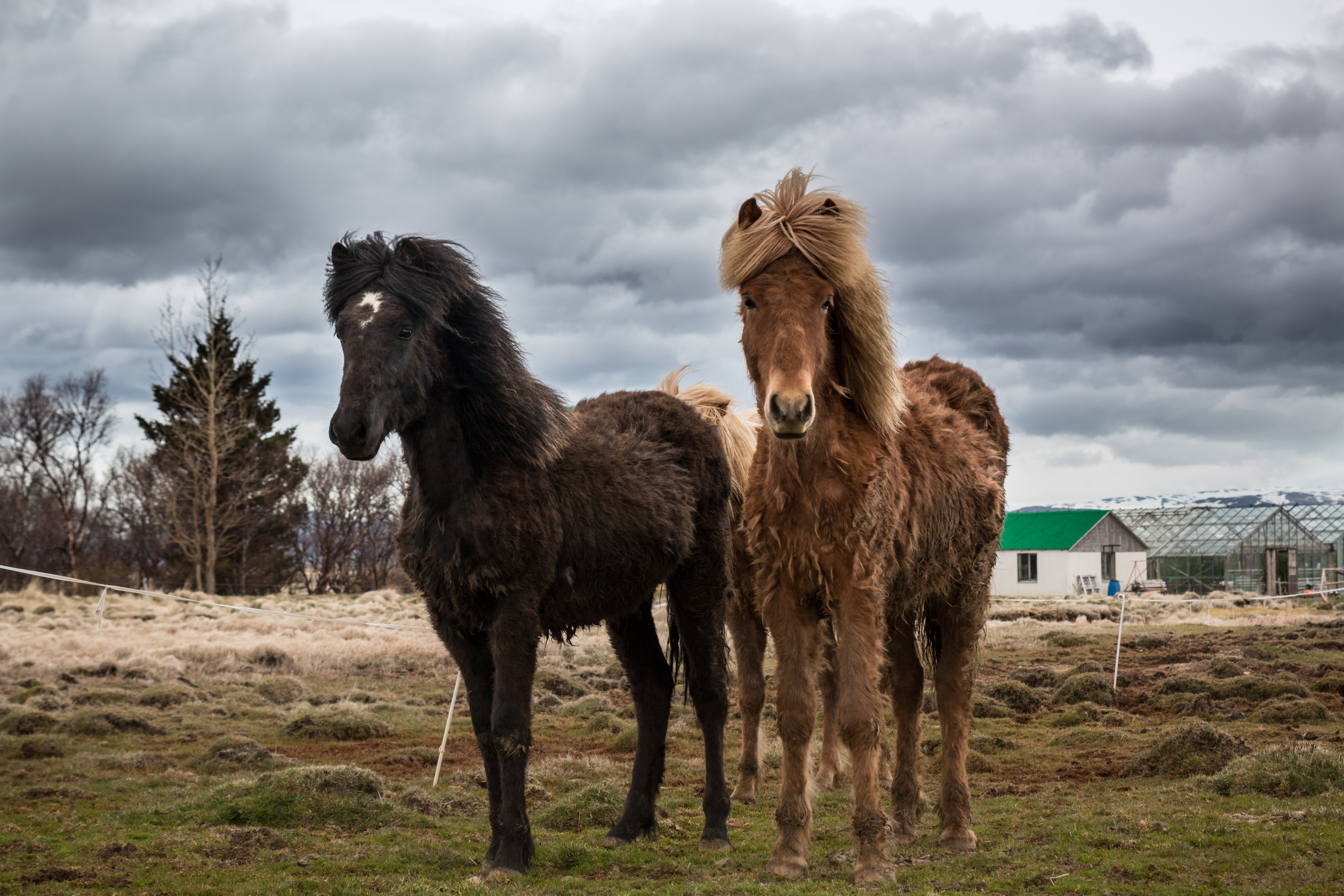
Icelandic horses are everywhere.
Rent a Car. Driving in Iceland requires little effort, with big financial savings. Two of us rented an automatic from Enterprise using the tourism office downtown, for $78/day. Gas was expensive, adding another $50, but we would’ve paid anywhere from $115 to $230/person to do a Bus/Jeep tour of the same route we drove independently. We stopped when we wanted, for as long as we wanted, and didn’t have to share a cramped space with strangers while doing it. We drove the “Southern Coast” and used a brochure to map out the sights the tour guides hit. Most were visible from the road, and well-marked. You can do the same for the popular Golden Circle tour, too. This rule doesn’t apply for activity-based experiences like glacier and volcano hikes, where you obviously need a guide. Since I didn’t do any of them, I can’t personally comment, although friends of mine loved the glacier hike but disagreed on the value of spending $300 for the volcano tour.
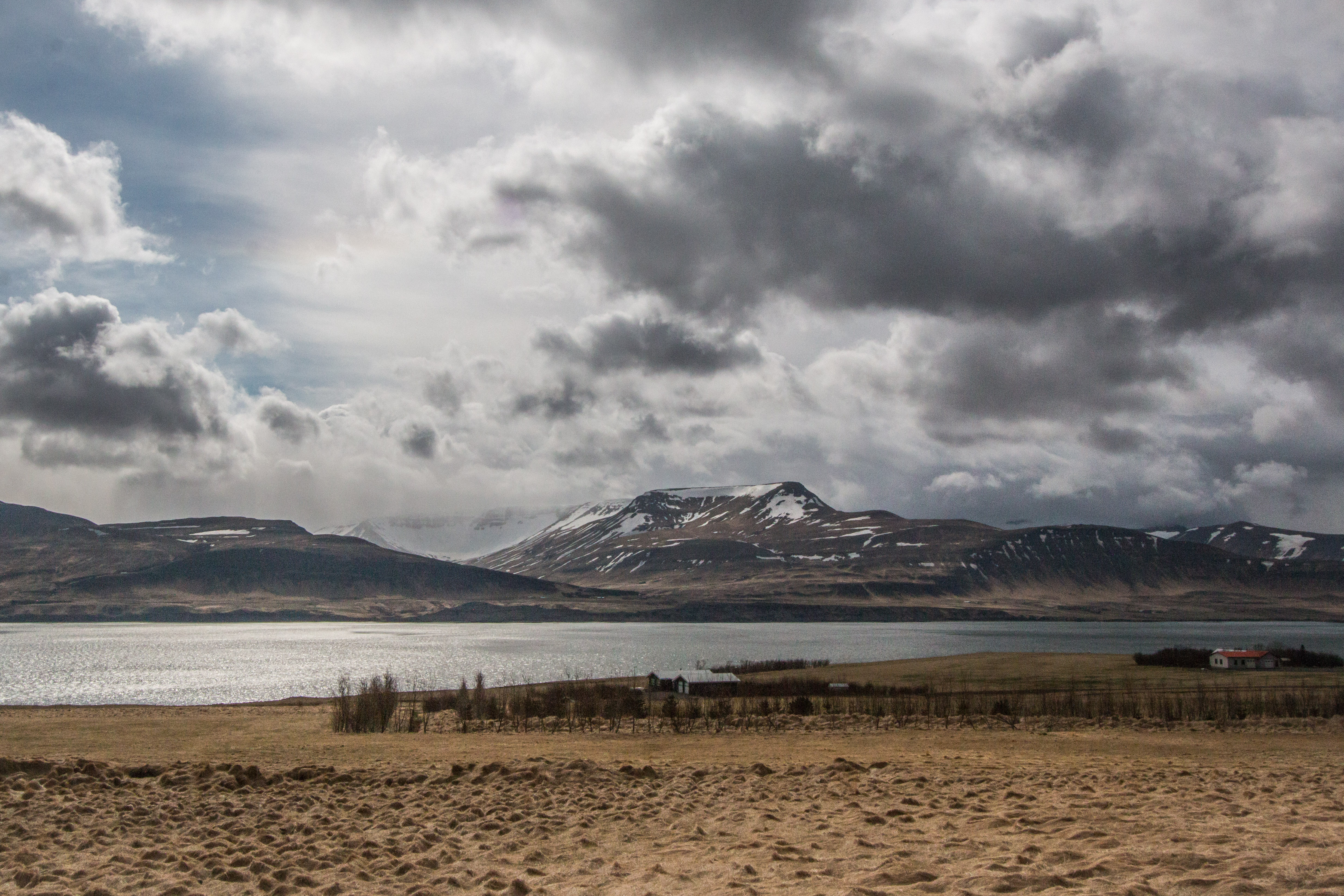
Scenery on the way to Martin Miller’s water source.
Bring Layers. I just returned from a mid-May visit and experienced rain, snow, and 45 degree sunshine in three hours. The nights were cold. If you plan to do any ice/snow related tours like a glacier hike, you’ll want to bring more than jeans and a sweater. Pack snowboard/ski pants and jackets, gloves, hat, and hiking boots. Some tour companies provide spare layers, but if you’re out on your own and the rain kicks in sideways, or you opt to walk behind a head-to-toe soaking waterfall, you’ll be thankful for your water-resistant apparel.
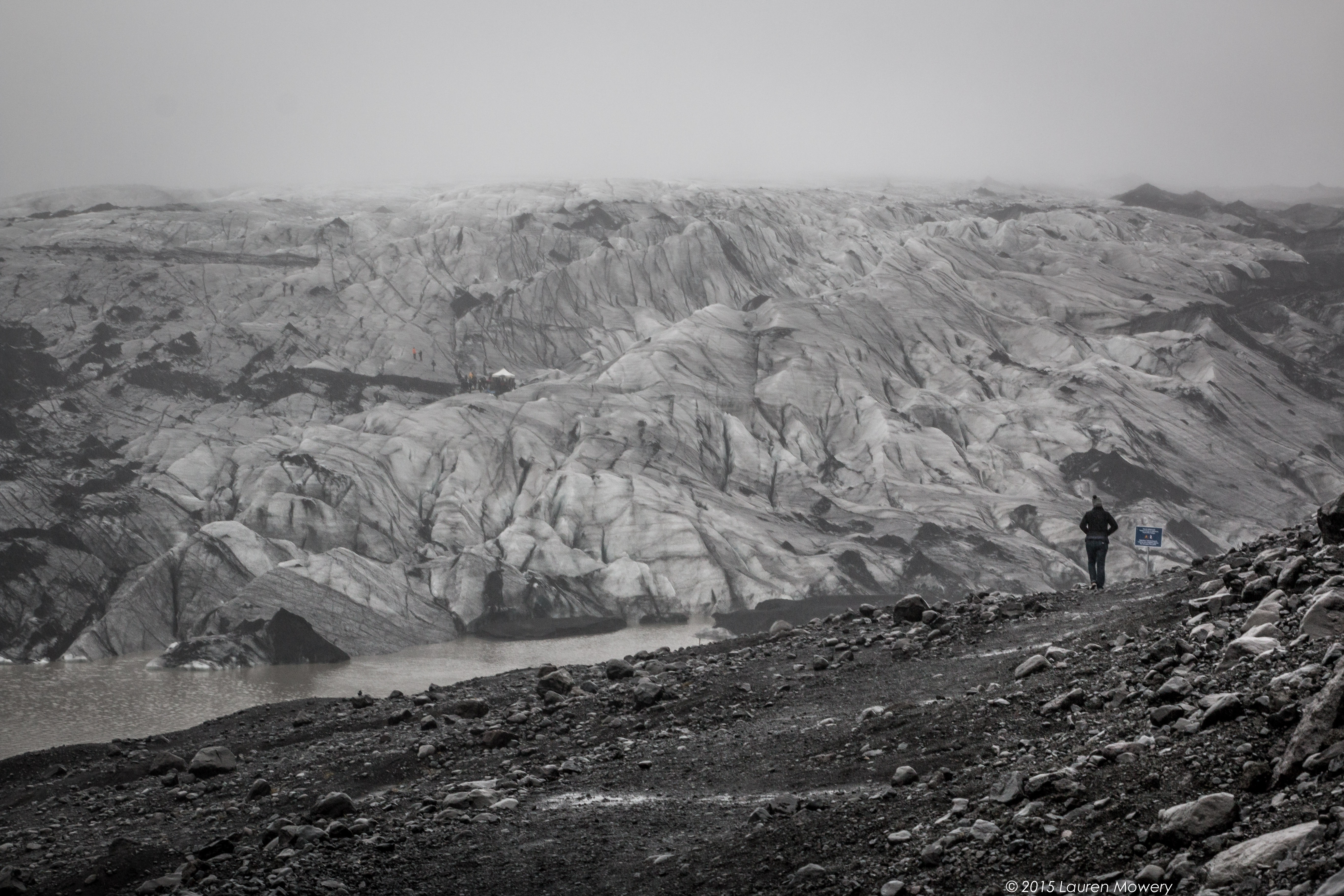
Solheimajokull Glacier. Frozen rain greeted us as we arrived.
Drive the Southern Coast. I had one day and could pick only one route, so I can’t comment on the most popular Golden Circle tour, which stops at a famous geyser and Europe’s largest waterfall. But for me, the southern coast offered the widest variety of Iceland’s prime assets in a compact two-hour stretch between Reykjavik and Vik, all of them free. Highlights: Multiple waterfalls including the lovely Skogafoss; changing landscapes from farmland, to moss-covered rocks, to desolate black sand beaches; and glaciers and volcanoes abutting the coastline. Eyjafjallajökull, which blew in 2010, is visible from the road, topped in snow and clouds. You can drive down Route 221 inland to the Solheimajokull glacier, and walk about a half mile up to its edge. Further towards Vik, two turnoffs lead to coal-black beaches, plunging cliffs, and unusual rock formations at Dyrholaey (the backdrop for several movies including Noah with Russell Crowe). If feels like the end of the earth. We had terrible weather the day we drove it – icy rain, whiteout fog conditions, and flat skies that wouldn’t cooperate with my photographic ambitions — and yet I still found the area stunning. I can only imagine how it would’ve looked with the sun filtering down from the firmament.
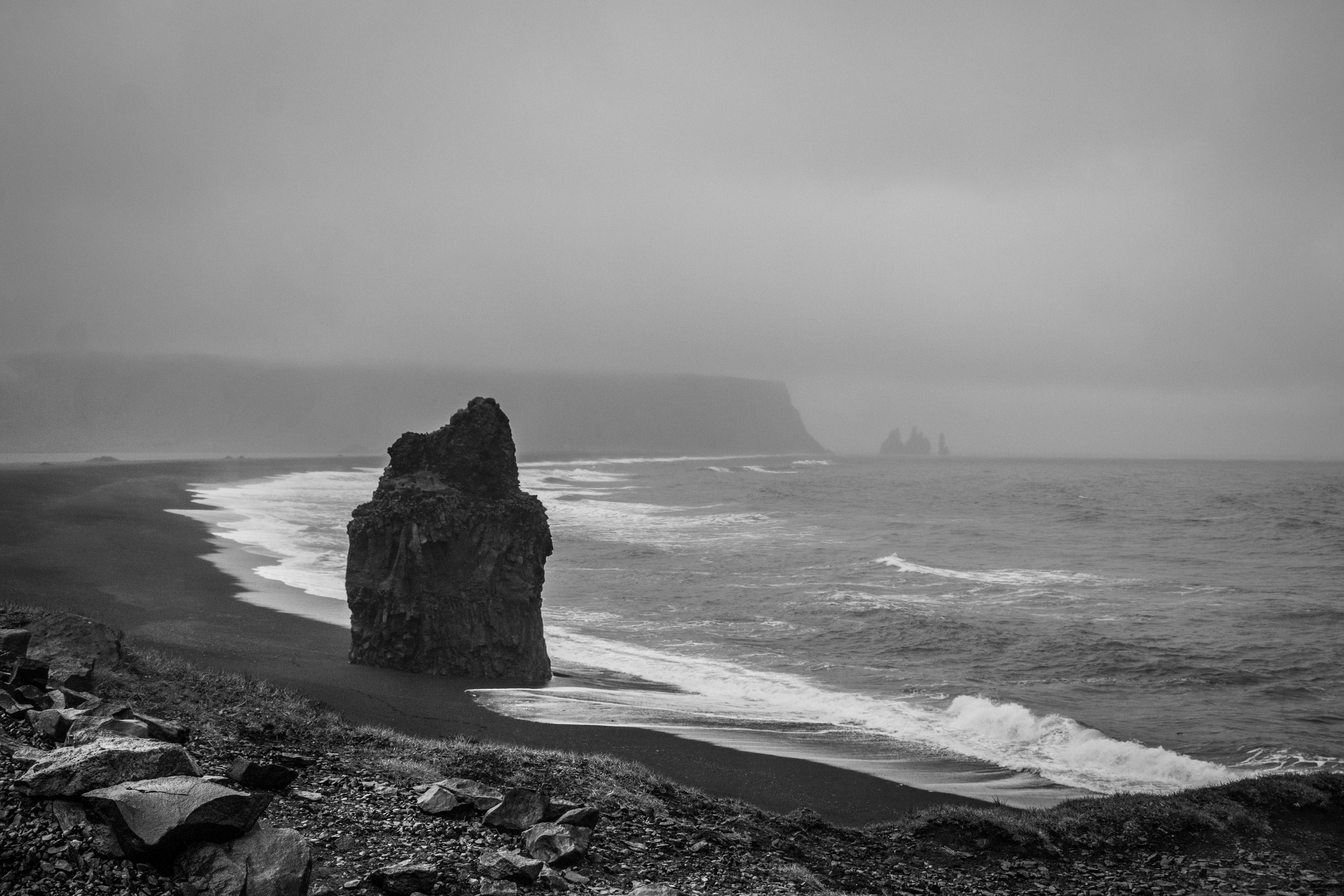
Black sand beach and rocks. The weather didn’t cooperate.
Don’t Let the Weather Ruin Your Trip. As aforementioned, I had a lot of photography hopes riding on a solitary day. The locals say if you don’t like the weather, wait five minutes. But it rained intermittently all day and the fog obscured the scenery. The rain nearly damaged my camera gear (I wasn’t prepared), and I lost a lens cap running to the car to escape a downpour. I admit to grumbling about it, a lot, but I ultimately chose to find beauty in the roiling sea and storming sky. Plus, if you’re in the city with bad weather, you can hit a few coffee shops, bookstores, or cafes to read, work, relax. They all have free wifi. In fact, so do the hotels. The city is extremely modern and connected!
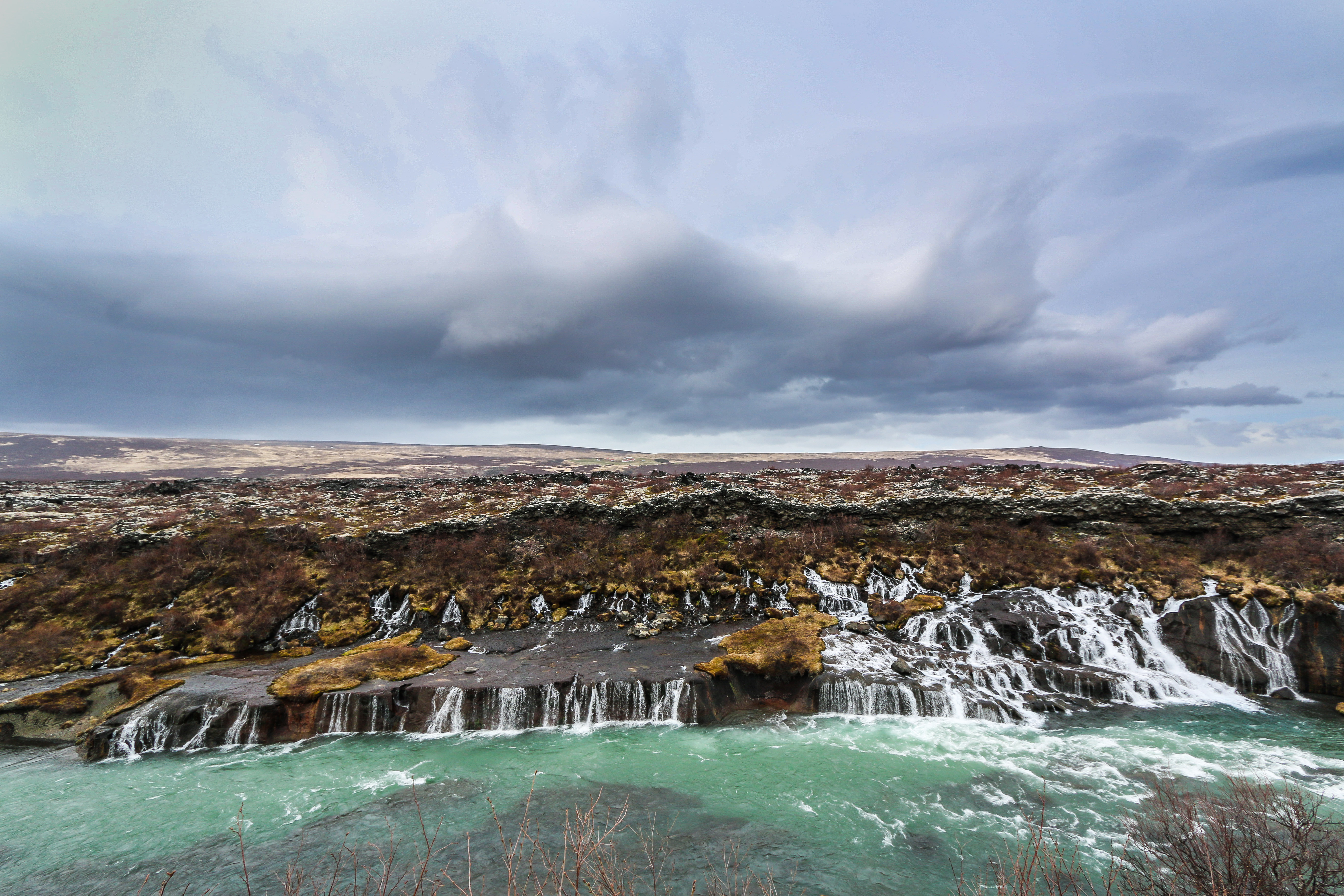
Lava Falls an hour north of Reykjavik
Drink Coffee. I had a list of eight coffee shops to visit, and I hit five. I highly recommend the following three: Reykjavik Roasters, not far from the church. This operation represent the city’s apogee as far as third wave specialty coffee with on-premise roasting, single origin offerings, and pedigreed founders (formerly of Denmark’s acclaimed Coffee Collective). Buy beans to take home and order a kalita wave to drink in situ. For espresso-based drinks, served in a dark, retro-Scandinavian interior, hit Mokka-Kaffi. Finally, Tiu Dropar, a basement-level, full-service restaurant and bar specializing during the day in waffles and espresso-based coffee drinks, has a cozy, candlelit throwback vibe that’s perfect for a rainy afternoon. You’ll spot tourists, hipsters, young professionals, freelancers, and wizened fishermen, all hanging out.
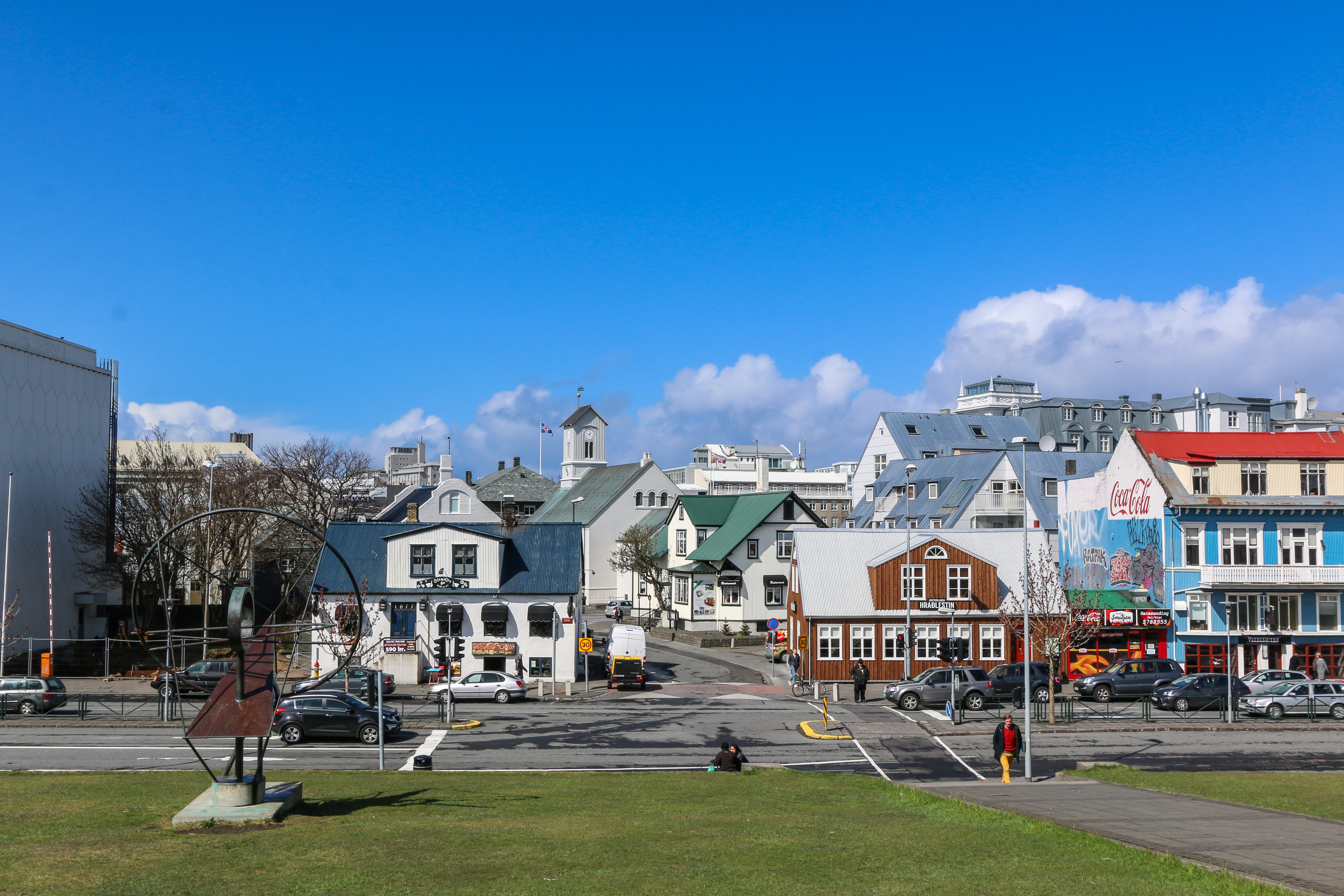
The sun came out on the last day. Great for shooting the city.
Bring Good Camera Equipment and a Smartphone. A high-quality camera, back-up batteries, and spare memory cards, plus a raincover for your gear (advice I wish I’d had), will help capture the splendor of the county. Reykjavik’s colorful buildings, set in a harbor framed in snow-dusted mountains, is extremely photogenic, as is every half mile, once you exit the city limits. Out in the countryside, you’ll want to stop for photos constantly; the ubiquitous Icelandic horses (they don’t call them ponies), small churches, or abandoned stone huts built into the hillsides, are quite alluring. But don’t break in the middle of the road. With few cars on the highway, the temptation to pull over and shoot quickly is high. But the Ring Road doesn’t have shoulders, so wait for a pull-off and walk back for the shot.
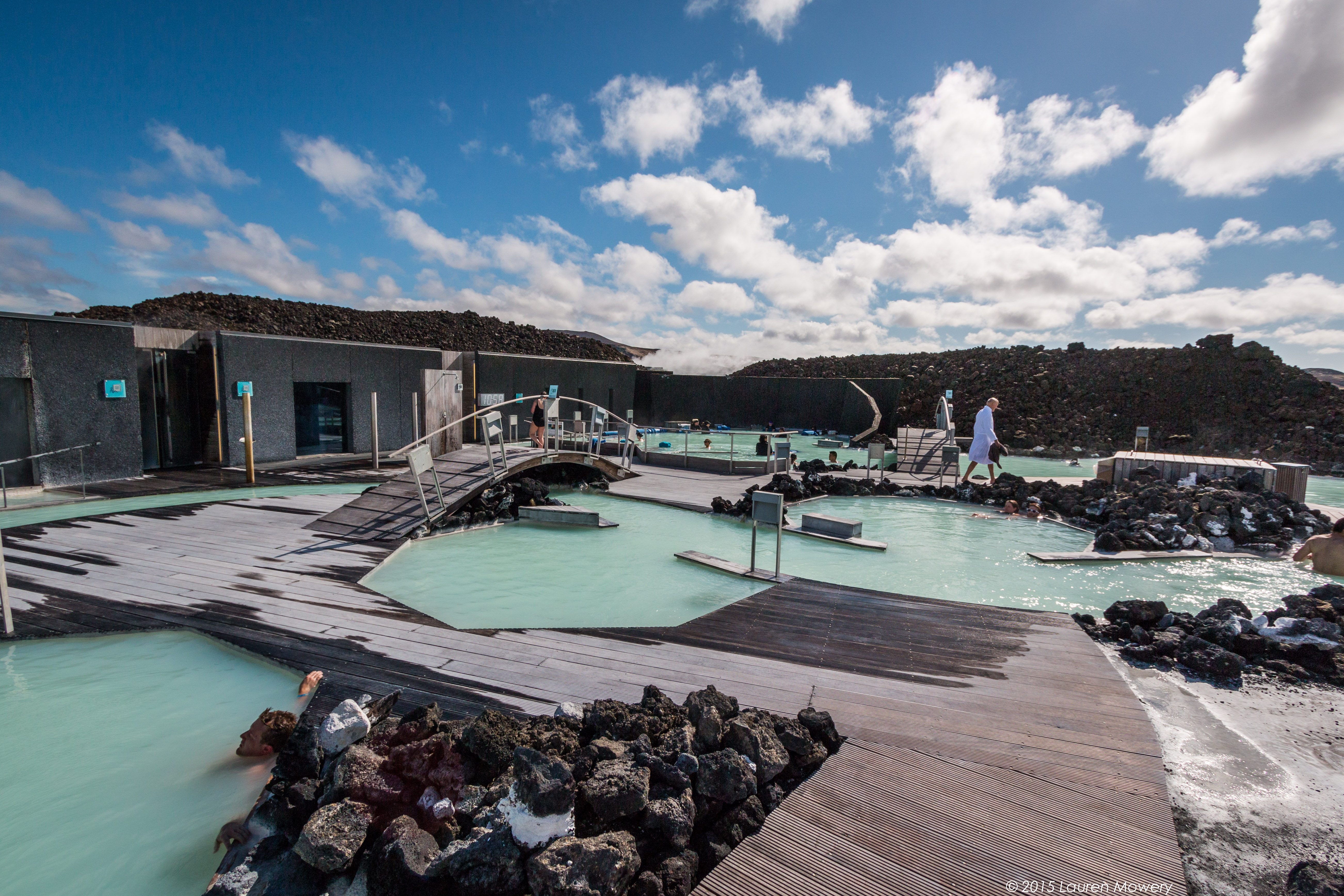
Blue Lagoon Spa Area
Hotel Location Doesn’t Matter. The city is so compact and walkable, don’t fret if the property isn’t nestled in the “shopping district of the city-center,” as many that are, advertise. Also, consider using AirBnB or apartment rentals like Luna (I happened to walk by and took a look and a card), as reasonably priced alternatives. Hotel prices seemed to vary wildly depending on the booking site, so check several, including directly with the property.
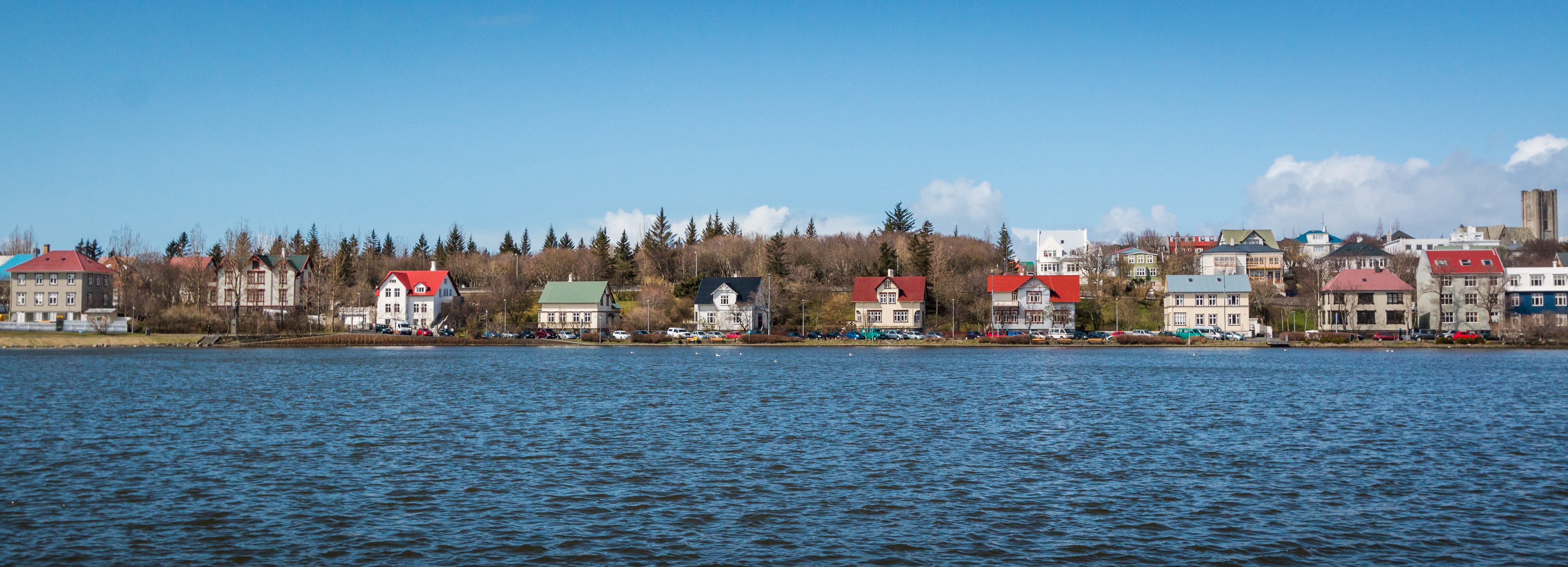
Panorama of cute houses on the water.
Don’t Shop Near the Marina/Waterfront. Prices are highest near the start of the two main shopping streets Laugavegur and Skólavördustígur. You’ll easily spot the tourist traps filled with Icelandic sweaters, black lava salt (which is just regular sea salt dyed black), and stuffed puffin animals. The Reykjavik locals I spoke to claim they don’t wear those sweaters, but friends of mine who were in other parts of Iceland, say they’ve seen people wearing them. I was told that they wore them long ago, when they didn’t have money or access to finer things, and that they are mostly shapeless, scratchy relics of a bygone era. Use your own judgment if you want one, but the prices closer to the marina are highest. Also, there are lots of Icelandic brands of outdoor clothing shops, but none of their products are manufactured there. All of it is made in China or Asia and is quite expensive. Unless you arrived unprepared, sans coat, pants, gloves, there are no deals in the gear shops. The best Icelandic or Scandinavian clothing and home design, plus jewelry, galleries, and boutique shopping in general, begins on Laugavegur after it intersects Frakkastigur. That’s where the locals shop.
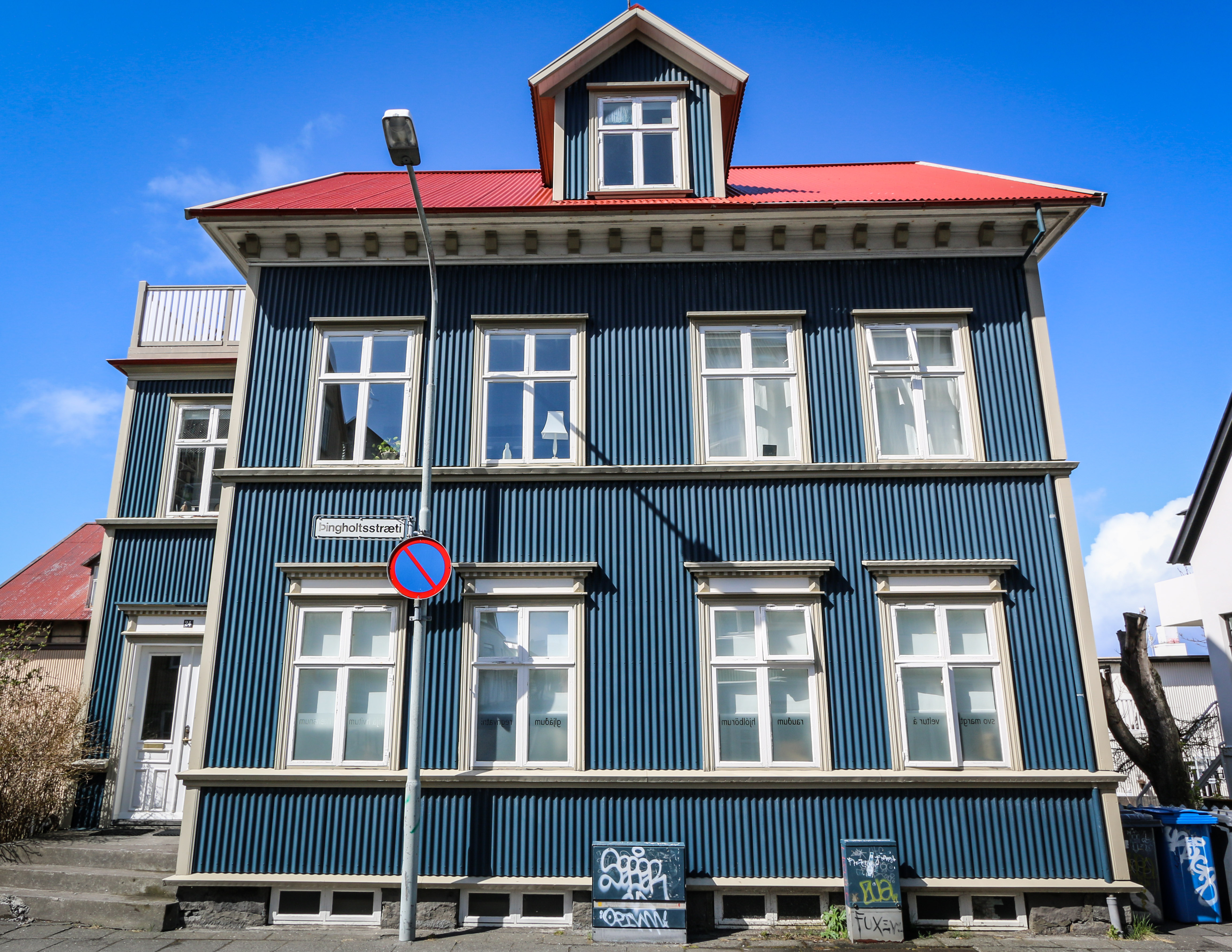
Most houses are painted vibrant hues, as though in defiance of the elements.
Other Observations
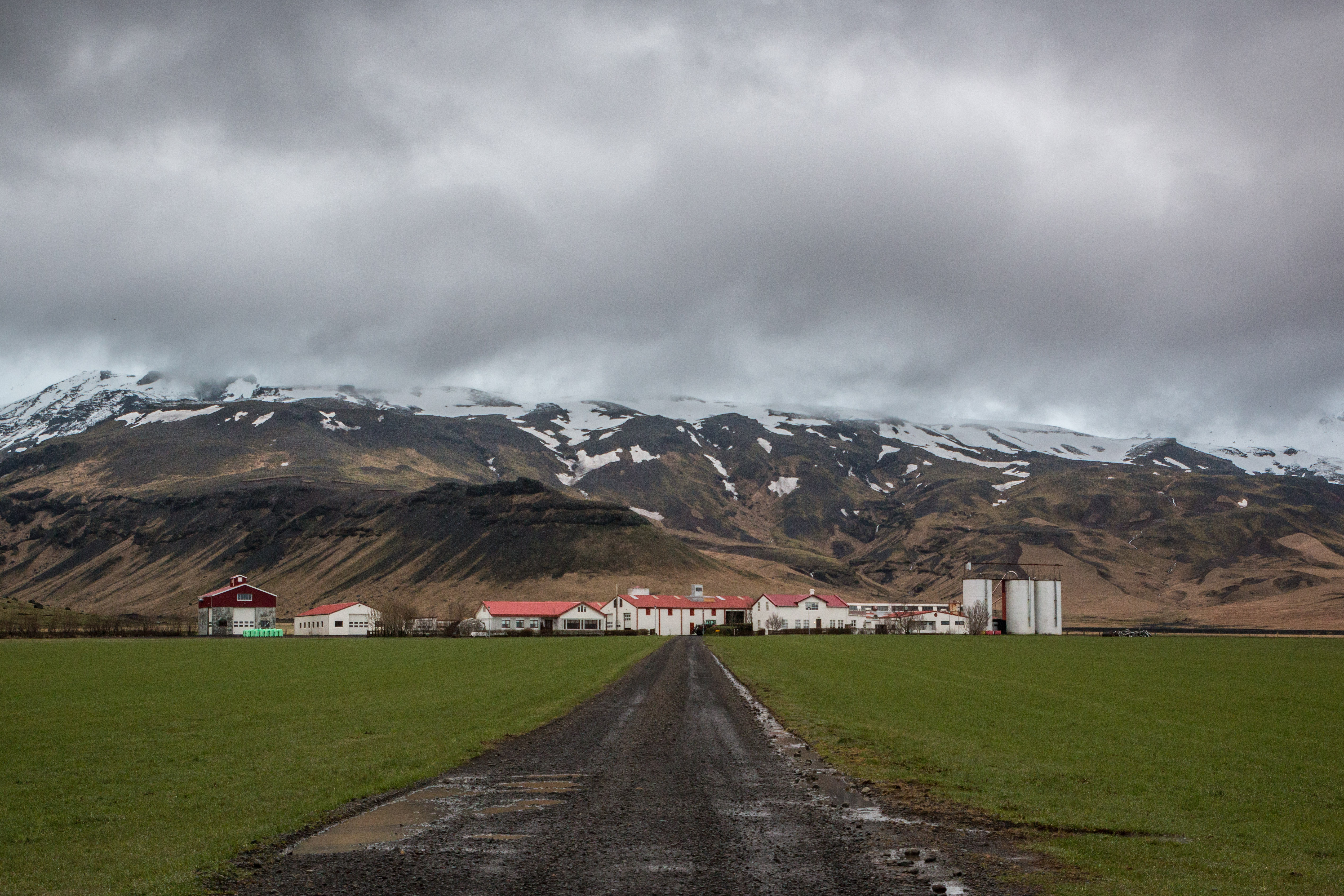
Eyjafjallajökull Volcano and the farm that sits before it.
What I Wish I Had Done
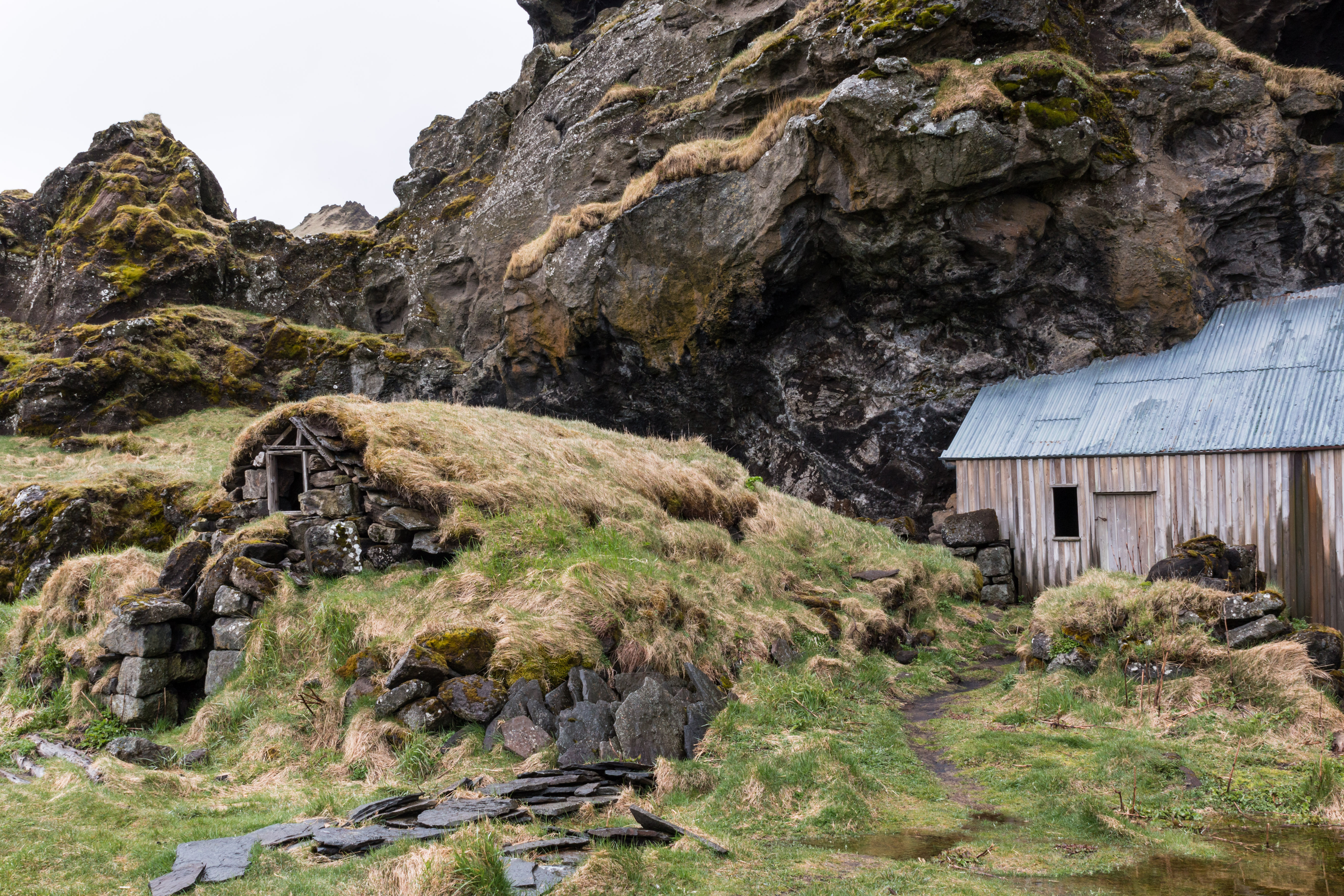
Three generations ago, desperately poor farmers lived in these tiny houses
Where to Stay
Affronting the wharf, the hotel pays homage to its location and the country’s maritime heritage with details like fishing nets as remote control holders, and sailor knots stamped on wallpaper. Antiques and oddities like a stuffed puffin collection, and books on Icelandic sagas, interspersed throughout the colorful, whimsical common spaces, feel playful and fresh rather than gimmicky. Rooms are cozy, but bright, and several have balconies facing the water and ships. The excellent breakfast spread is included with the rate.
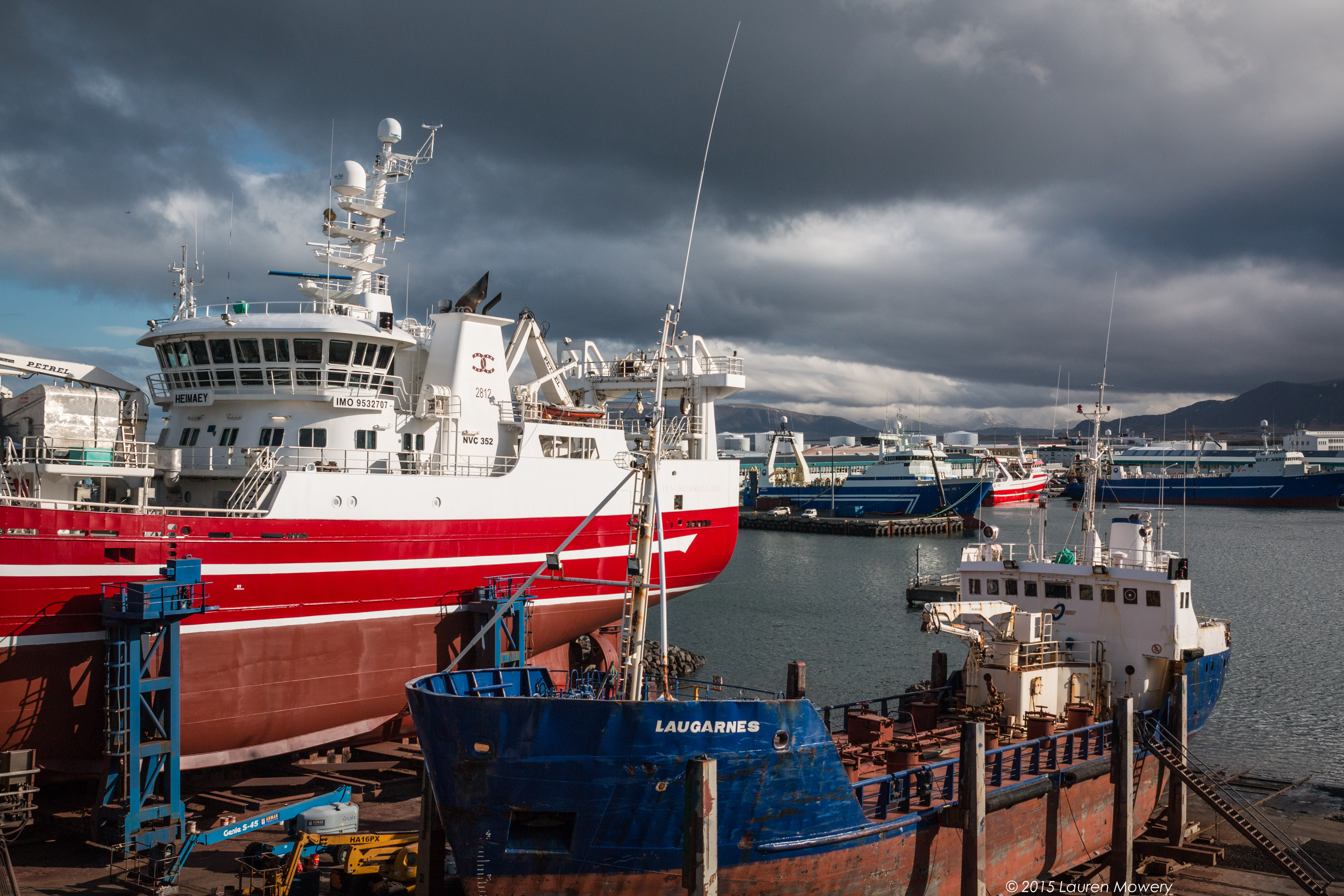
View from my room at the Marina Hotel.
Located at the base of the main shopping streets, this former printing factory turned boutique hotel, retains much of its 1940s charm. The décor mixes modern-industrial materials like cement and steel, with textiles of leather and cowhide animal print. The mood is contemporary, dark, and romantic, marked by the enormous freestanding tub in my room. The candle-lit subterranean lounge makes a great spot to start or close the night. Breakfast included with the room rate.
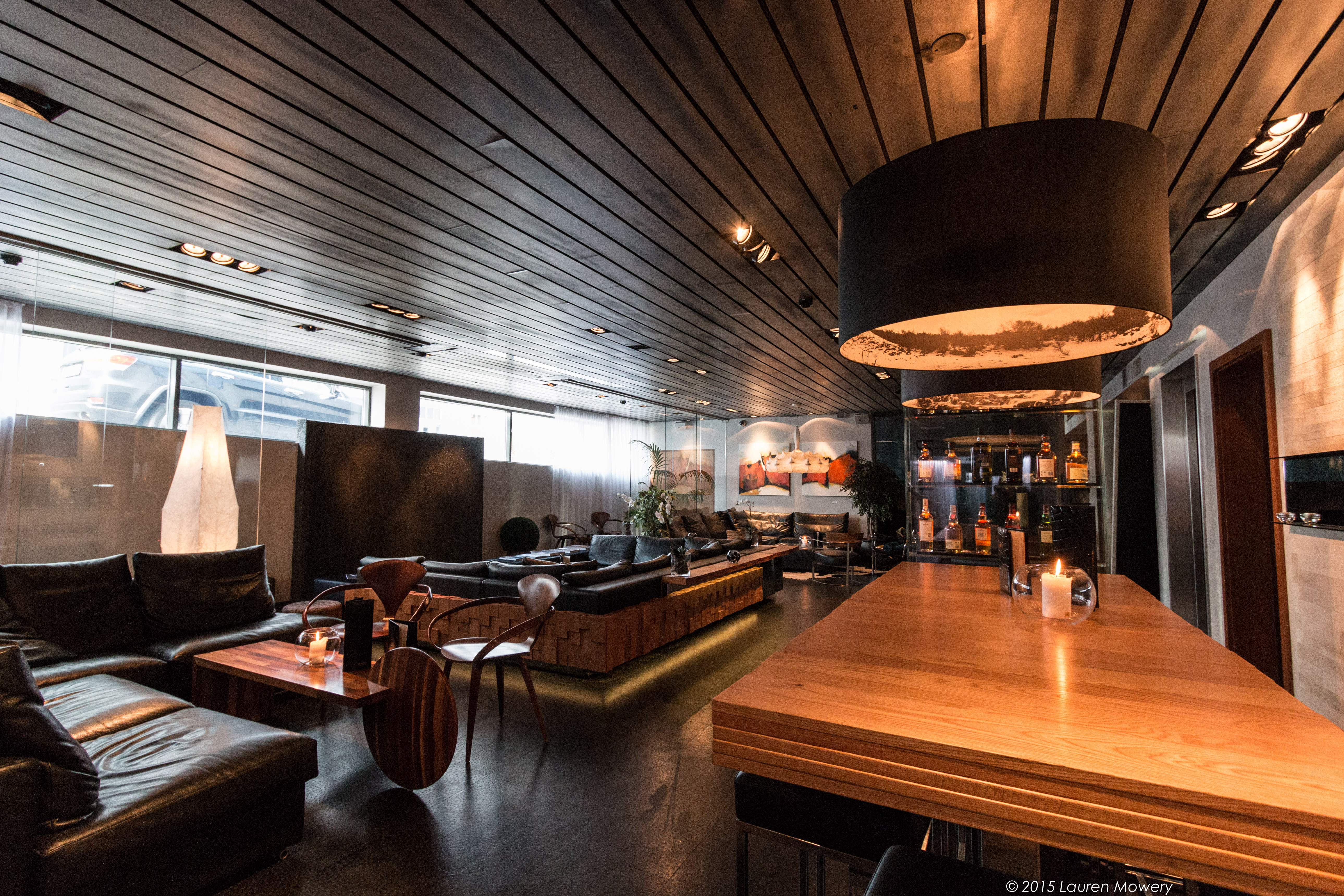
Lobby and bar at Hotel Thinghholt
Filed under Iceland
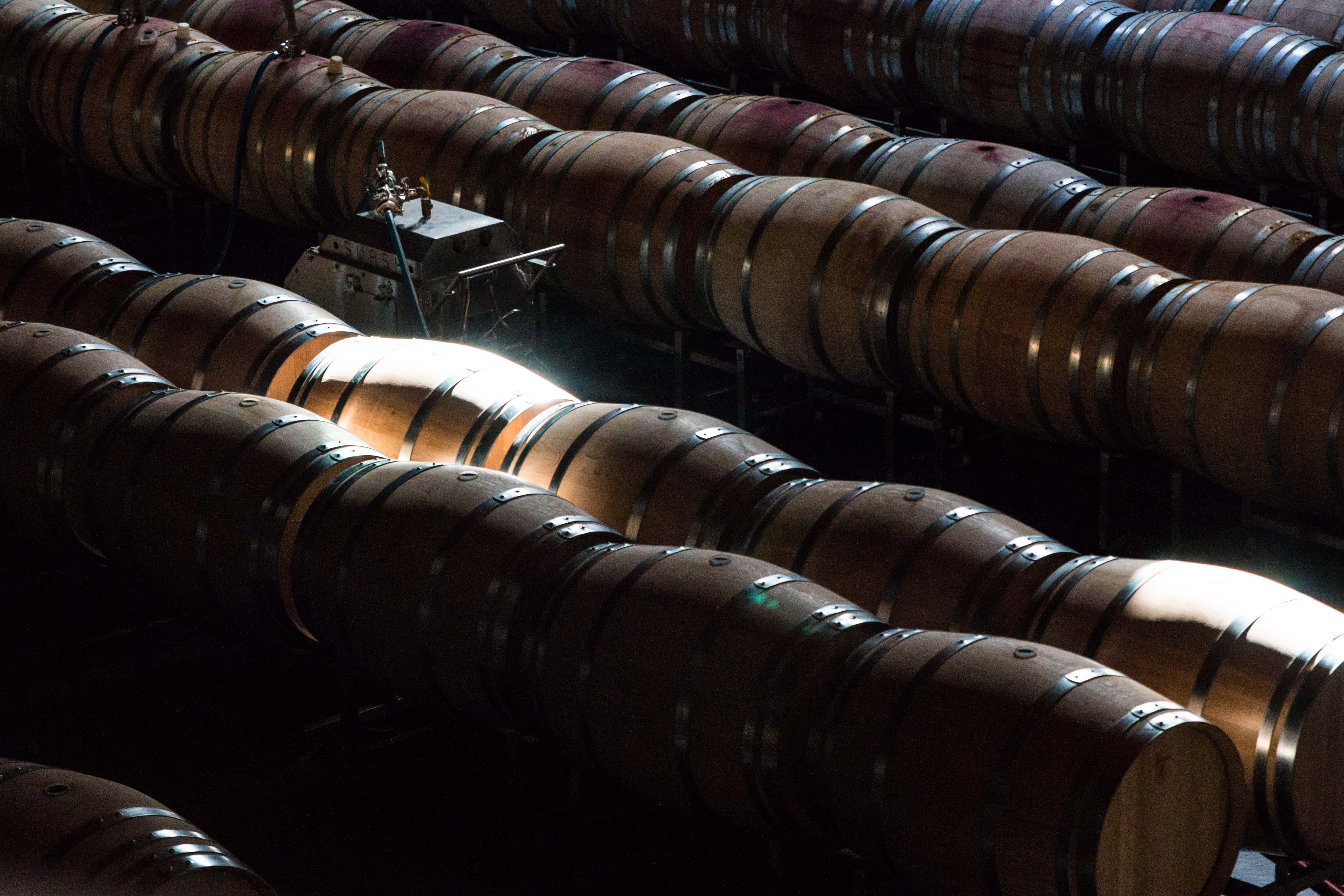
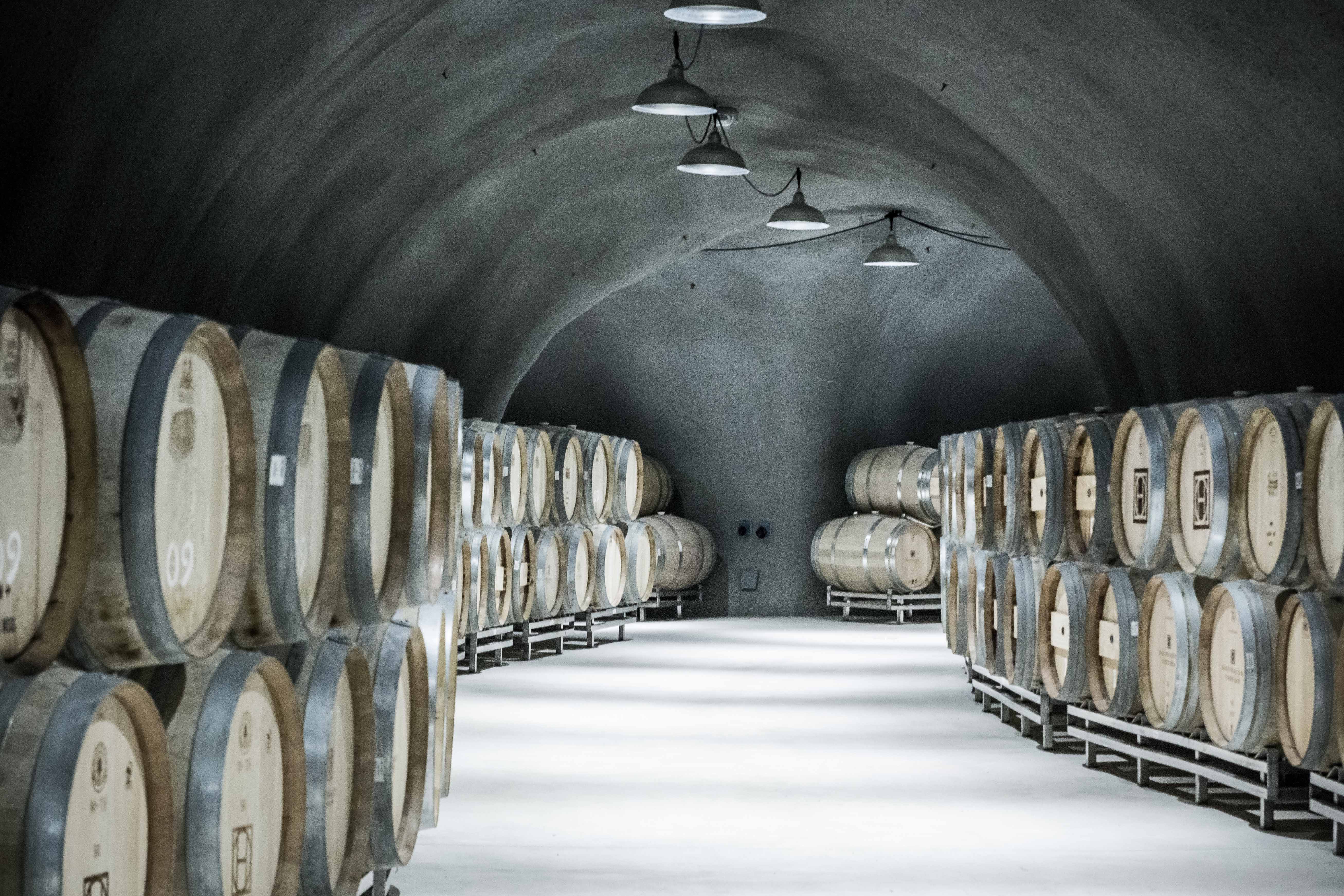
Barrels at Halter Ranch Vineyard, Paso Robles, California
Filed under Halter Ranch Vineyard, Paso Robles, Postcard








 CHASING THE VINE