Under the Umbrian Sun, Part 3: Arnaldo Caprai Winery

Caprai Vineyards—why aren’t all offices this pleasant?

Arnaldo Caprai

A short drive from the famous village of Montefalco is a narrow, half-paved road hugging a vine-covered hill. Driving my Nissan Jr., I followed this modest path around the base of the knoll until it swung around to greet two large gates offering admittance to the gleaming, modern Arnaldo Caprai winery.

In the parking lot, I am intercepted by a smiling, seemingly easy-going guy who introduces himself as Marco. Yes, that Marco Caprai, son of the founder Arnaldo, now head of the recently awarded European Winery of the Year by Wine Enthusiast. His flight to NYC had been cancelled due to Hurricane Sandy (as mine would be 2 days later), so he was now in town to give me a personal tour, tasting, and later, a lovely lunch back in Bevagna.

A little background on Marco: He is dogged in his love for his grape and Umbria, yet is a benign and genuine salesman of Sagrantino. He travels regularly to NYC, California and Europe with the sincere ambition of achieving recognition for the region, and putting this little known variety on the international vinous map. Marco has also spearheaded the region’s sustainable viticulture movement through the founding of “Montefalco 2015: The New Green Revolution” in 2010.

Marco Caprai

Marco is well-known around town, although I get the feeling everyone knows everybody in these quaint villages.  Later, over lunch and two bottles of wine, he proclaimed himself to be a “naughty boy,” stated with what I interpreted as mischief in his eye. I didn’t stick around Umbria long enough to find out what that meant, but I could imagine Marco as the go-to guy if one was looking for a boisterous time in this sleepy hamlet.

The first activity on the day’s agenda involved piling into the winery’s rehabbed Land Rover (I love these cars for their reminder of Africa) to take a drive up through the vineyards. Arnaldo Caprai is a leader in the area for viticulture research, having launched the Sagrantino Project with the University of Milan to study, quite obviously, Sagrantino. They use the experimental plantings to examine clonal selection, trellis systems and various other vineyard variables that affect the wine in your glass.

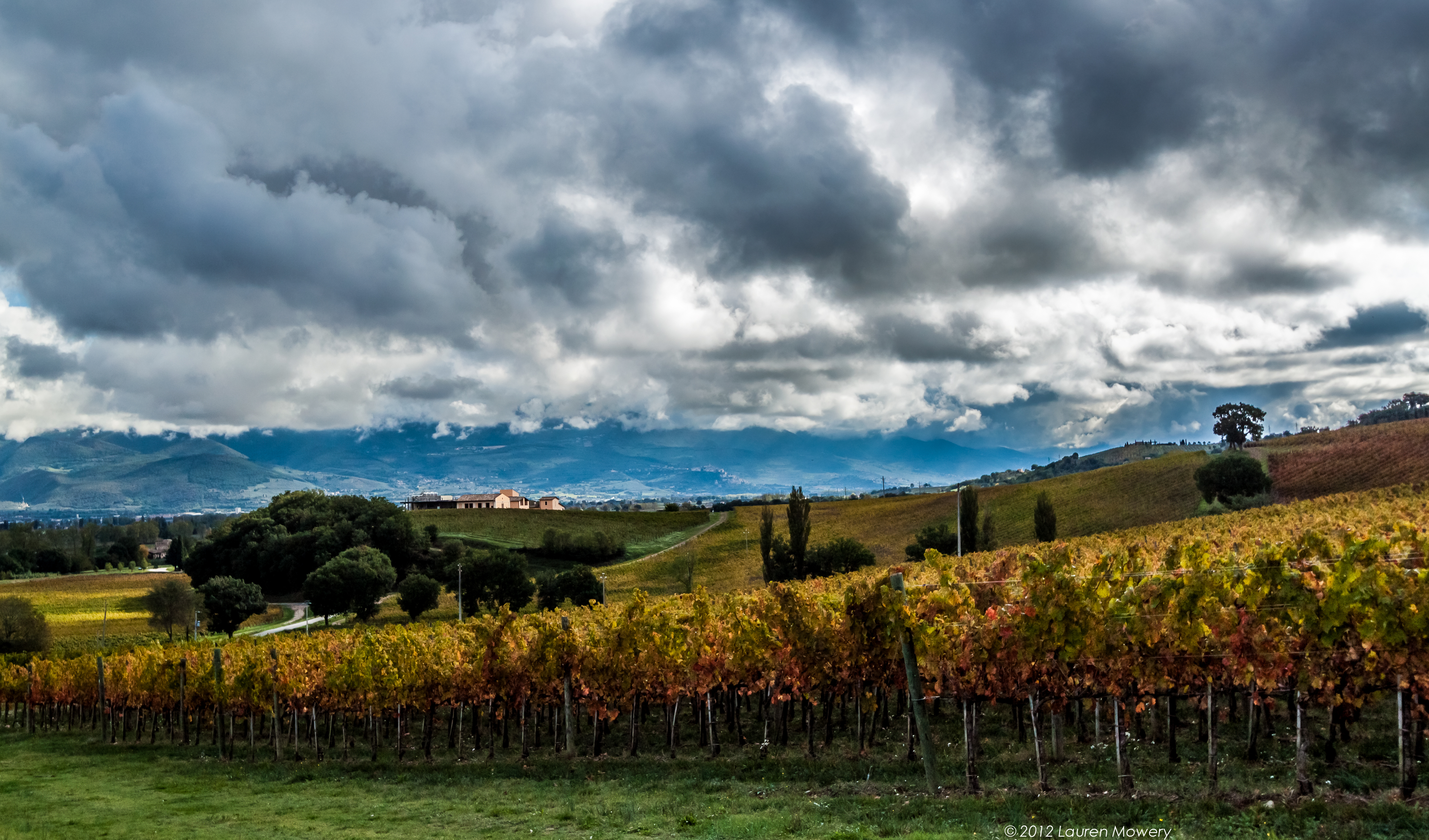
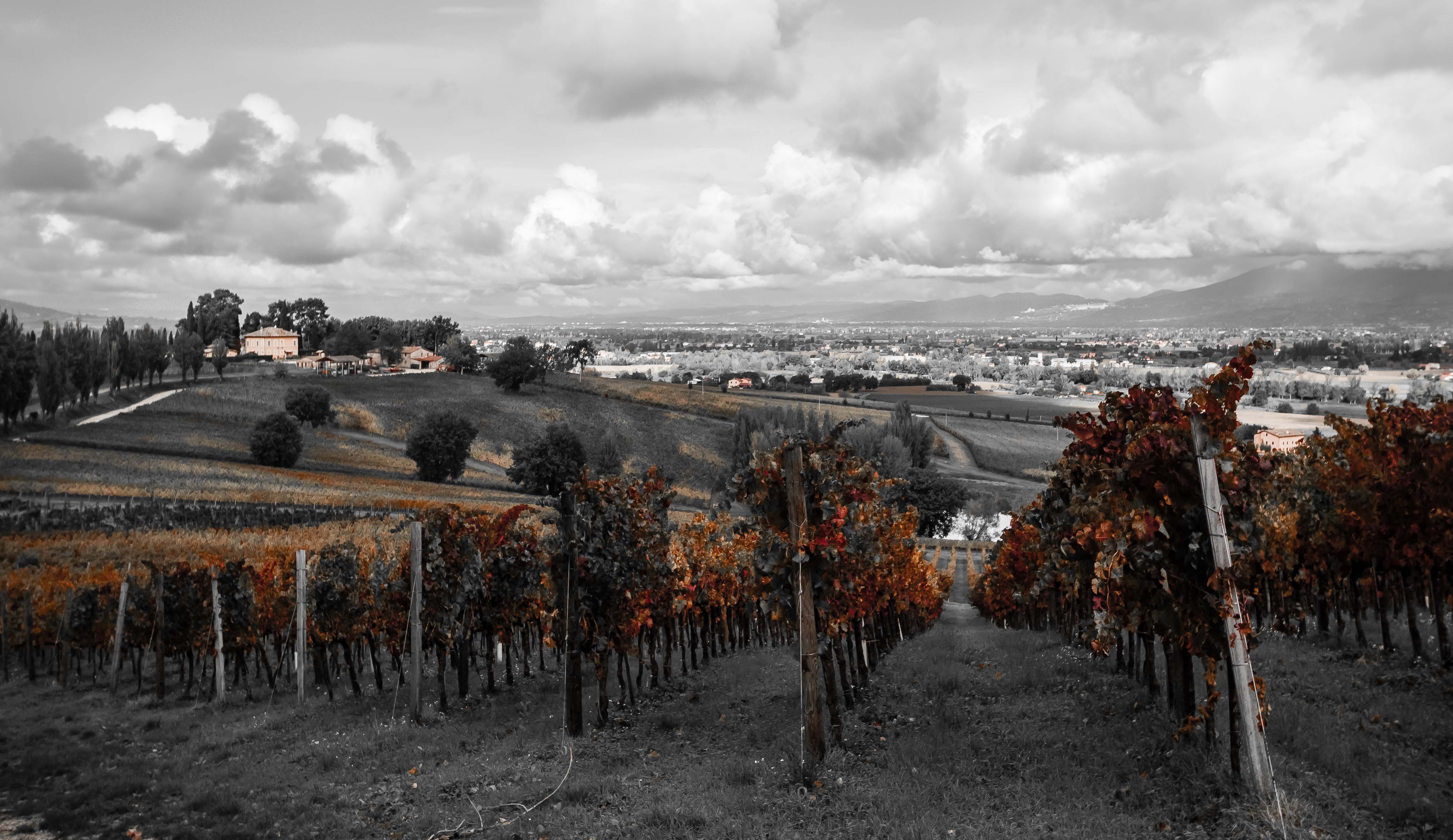
A drive through the vines affords remarkable views of the area and a chance to enjoy the crimson Sagrantino leaves that change color each fall with the weather.  Marco told me the leaves were only beginning to turn, and that in late November the region would be awash in rolling rows of red.

Crimson leaves of Sagrantino

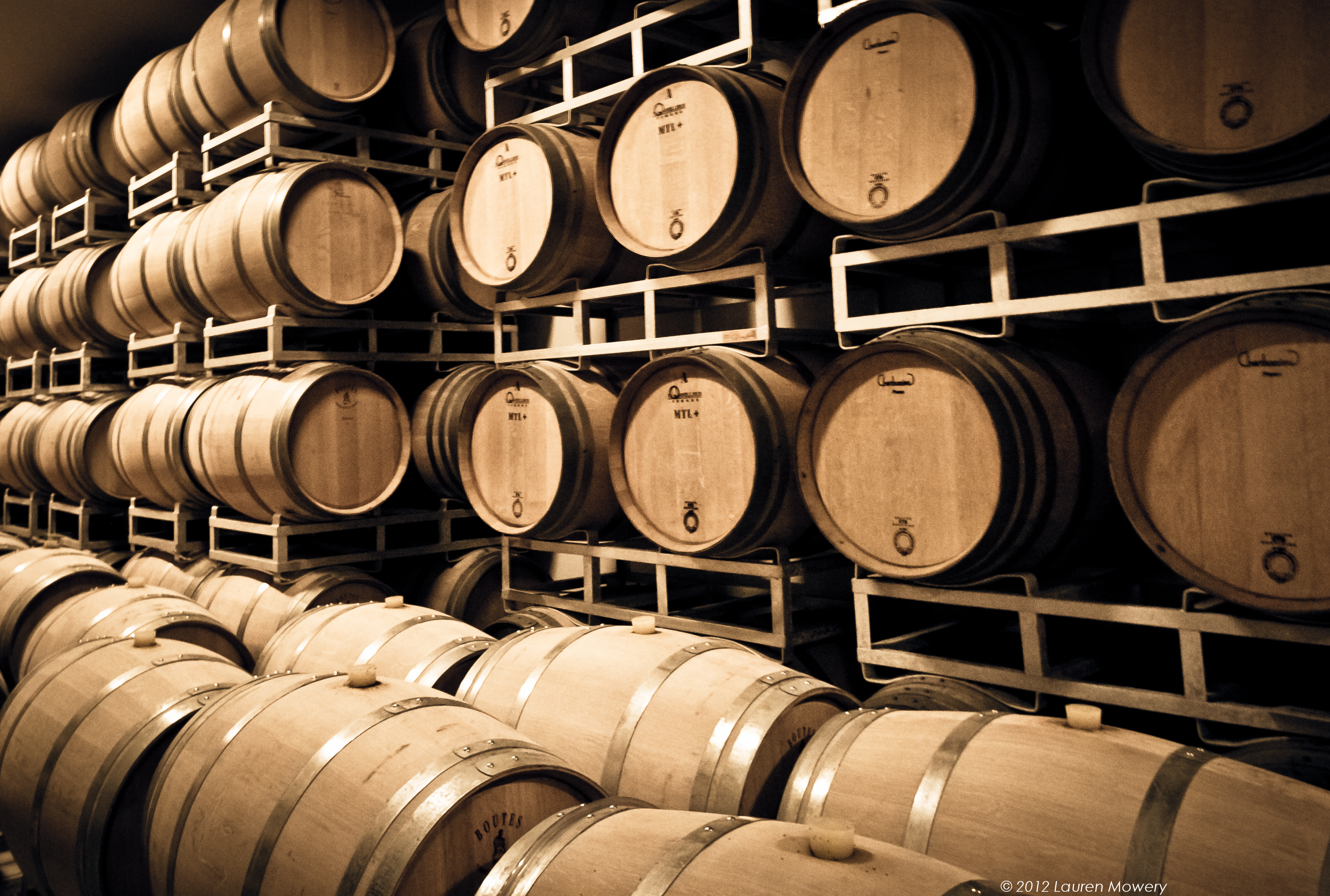
Back inside the winery, I am given a brief tour of their facilities. As opposed to many traditionalists in the area, Marco believes in modern winemaking for taming the unruly Sagrantino grape without repressing its spirit, and he has the latest equipment to prove it. After, we head to the tasting room to sip and spit—the downfall of driving yourself—through their line-up.

Barrel Room

Caprai currently offers 8 wines: Two IGTs, a “Grecante” Grechetto dei Colli Martani DOC, two Montefalco Rossos, two Sagrantinos and a Passito dessert wine.

Without going into notes on all of them, I will say I enjoyed the Grecante 2011 for its delicate florals, white grape juice and apple-citrus notes—a change of pace from the region’s robust reds.

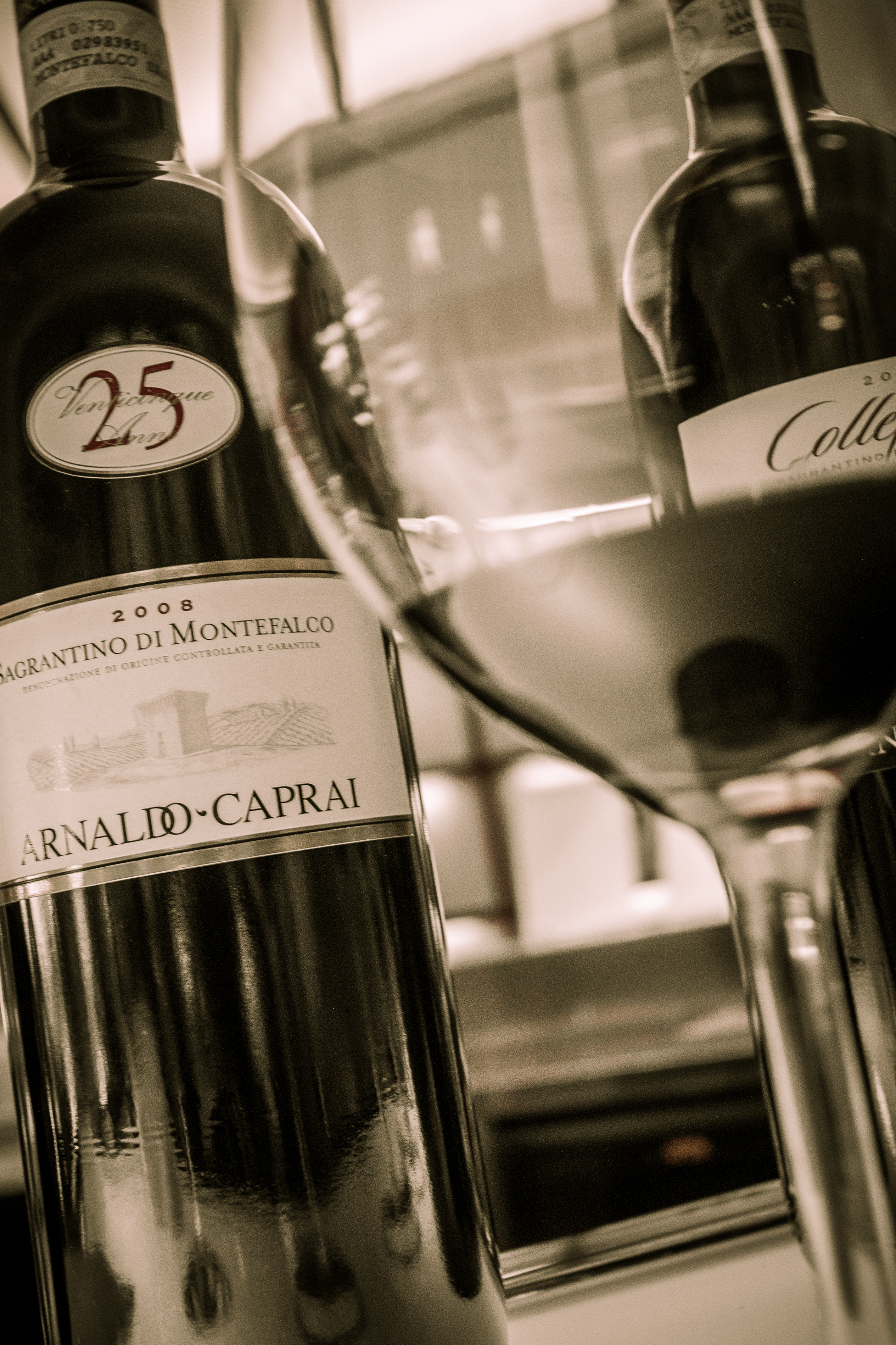
Of course, the showstoppers were the Sagrantinos. The Collepiano offered intense concentrated red and black fruit, spice and youthful tannins, but proved to be a junior version of the enormous 25 Anni Sagrantino.  The 25 Anni, first bottled in celebration of the winery’s jubilee in 1993, is produced from the best grapes, sees longer maceration and barrel time, and is a mammoth wine. Both of these bottles will bring joy to their imbibers but should be held for at least another 4 years; longer for the Anni, if you can stand it.

From high-tech, we head to traditional winemaking and Milziade Antano next…

Don’t be fooled by the pretty bottle, this wine is mammoth!

Leave a comment

Filed under Arnaldo Caprai, Umbria

Under the Umbrian Sun, Part 2: Tenuta Castelbuono Winery

TENUTA CASTELBUONO

This modest little winery outside of Bevagna is…Sorry, that was a different outfit.

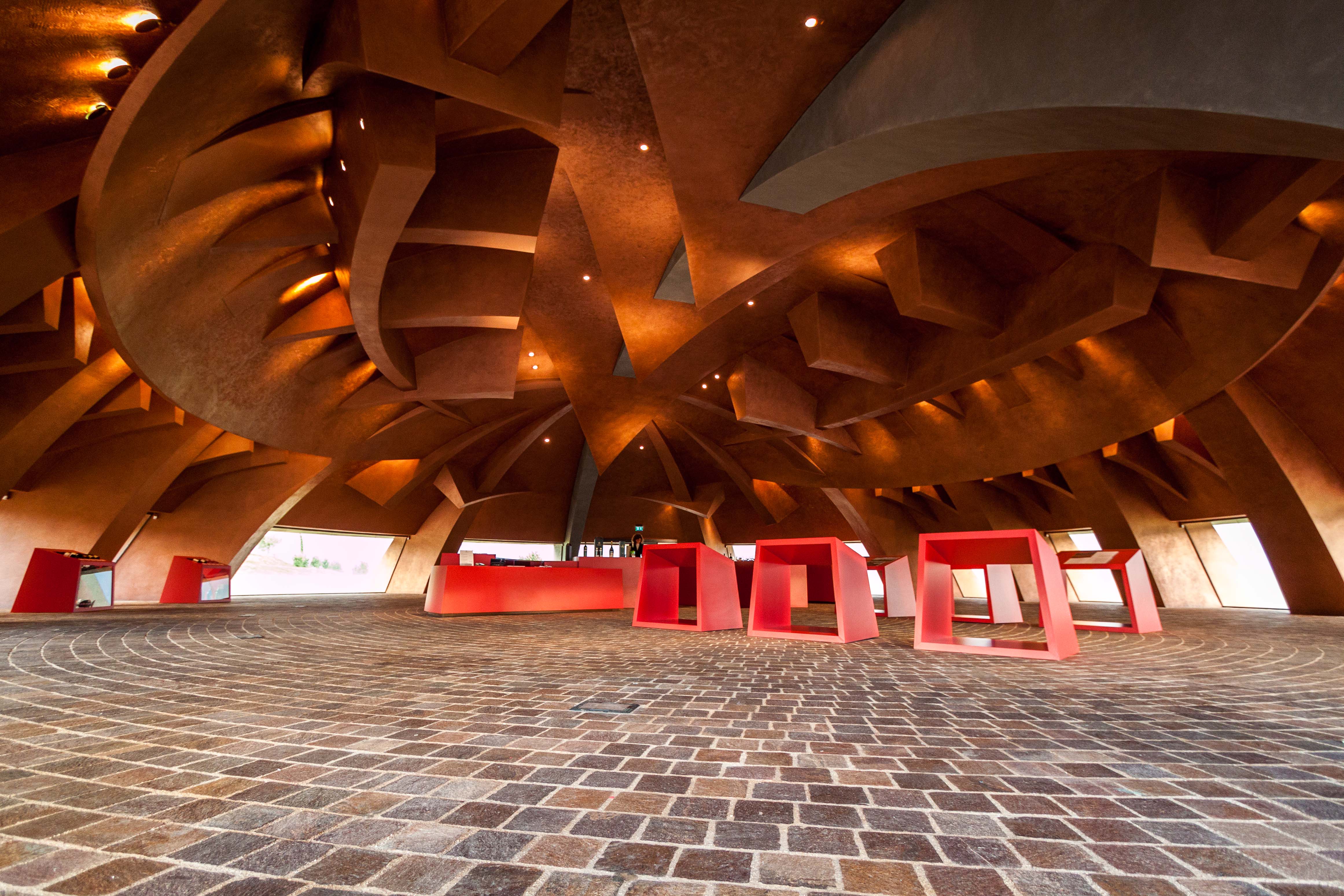
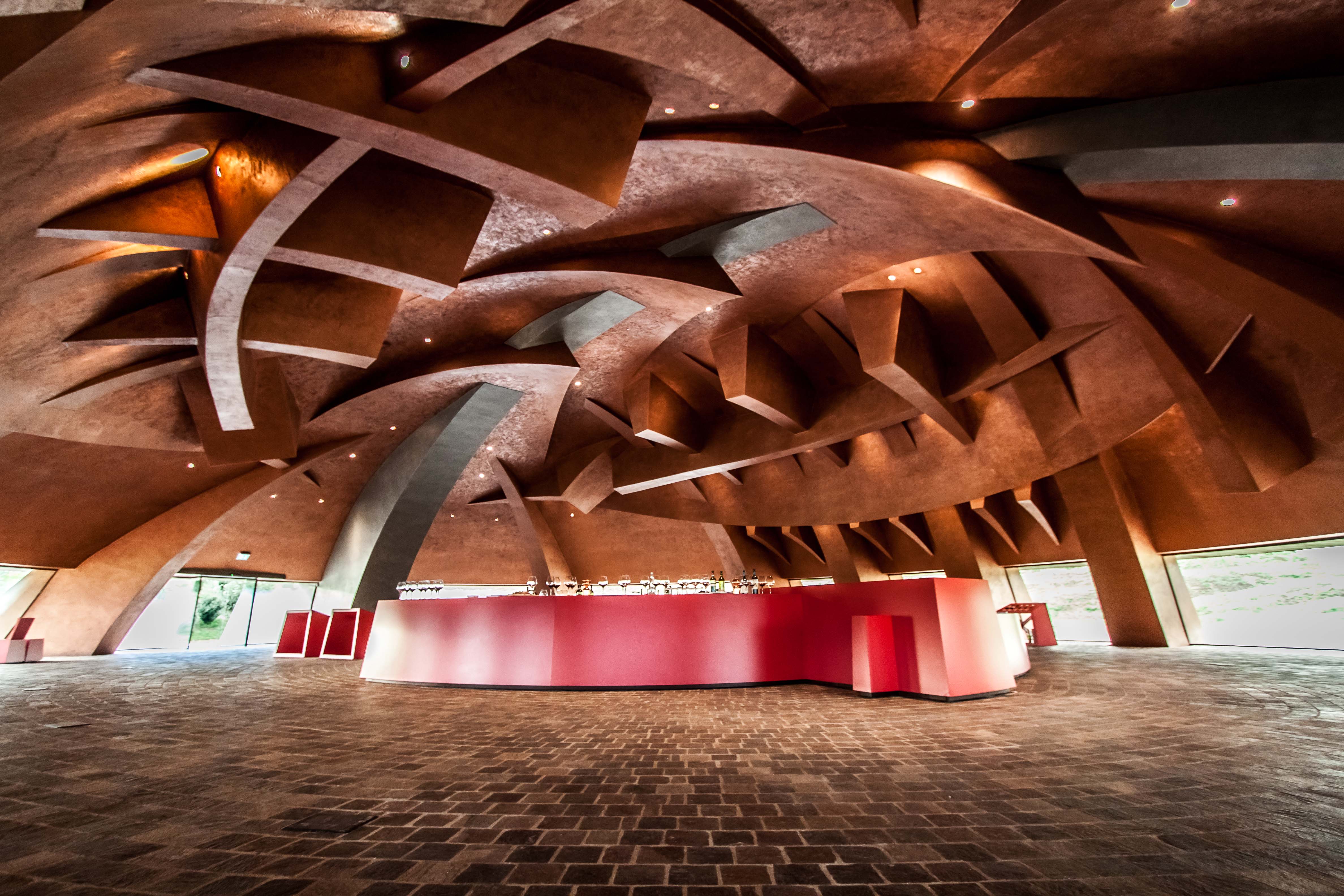
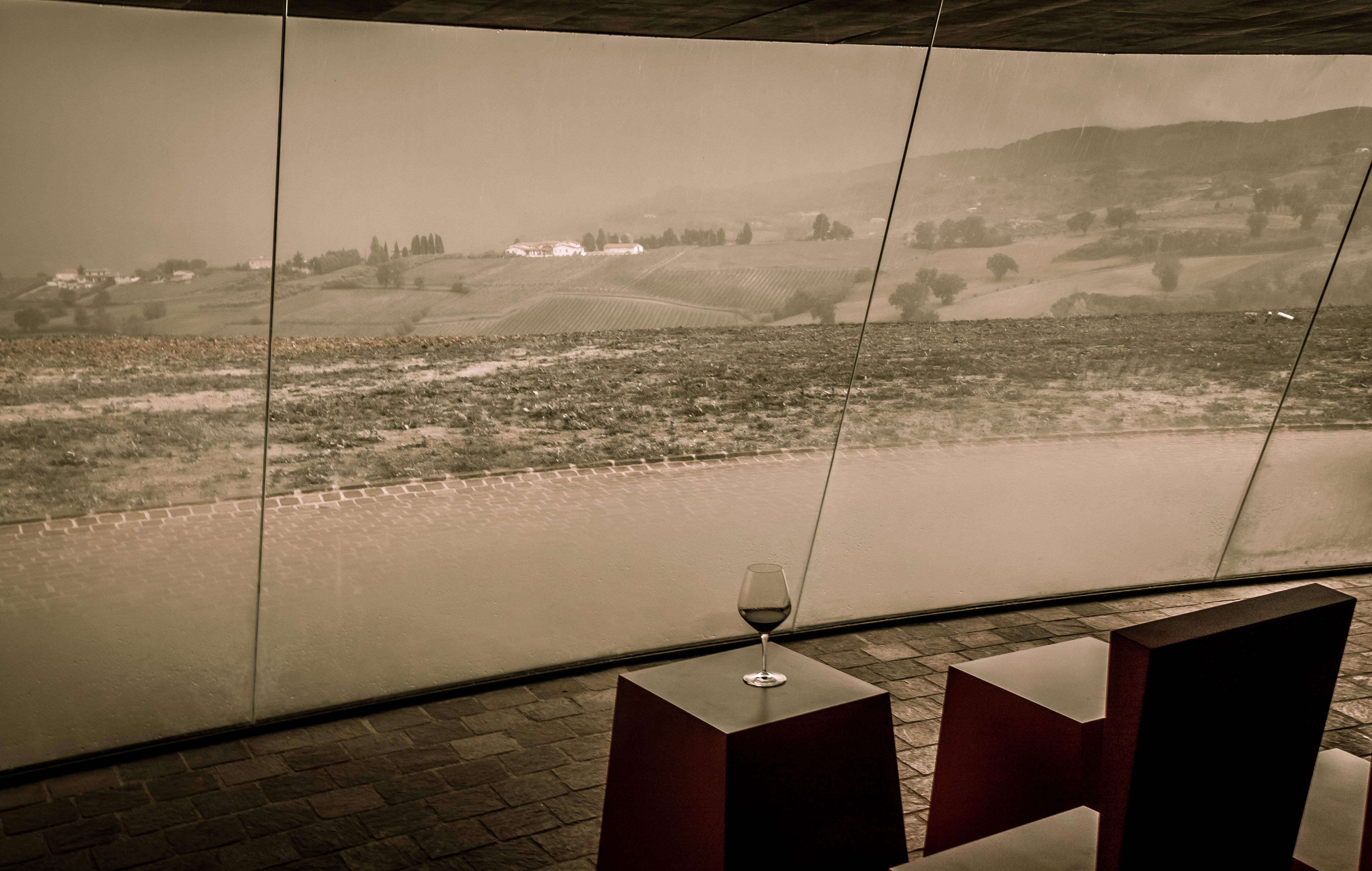
Tenuta Castelbuono keeps up the reputation of the region for inducing gawking while driving and near constant car wrecks. I couldn’t believe this piece of sculpture, architecture as well as functioning winery could be so neatly tucked amongst the Umbrian hills; both obvious and hidden at the same time. Having seen the photos before arrival, I knew what to look for, but in person the property was a marvel. Despite the rolling dark clouds and rainy state of the sky, the winery, designed to resemble a turtle shell, shimmered both inside and out.

Angle 1

Angle 2

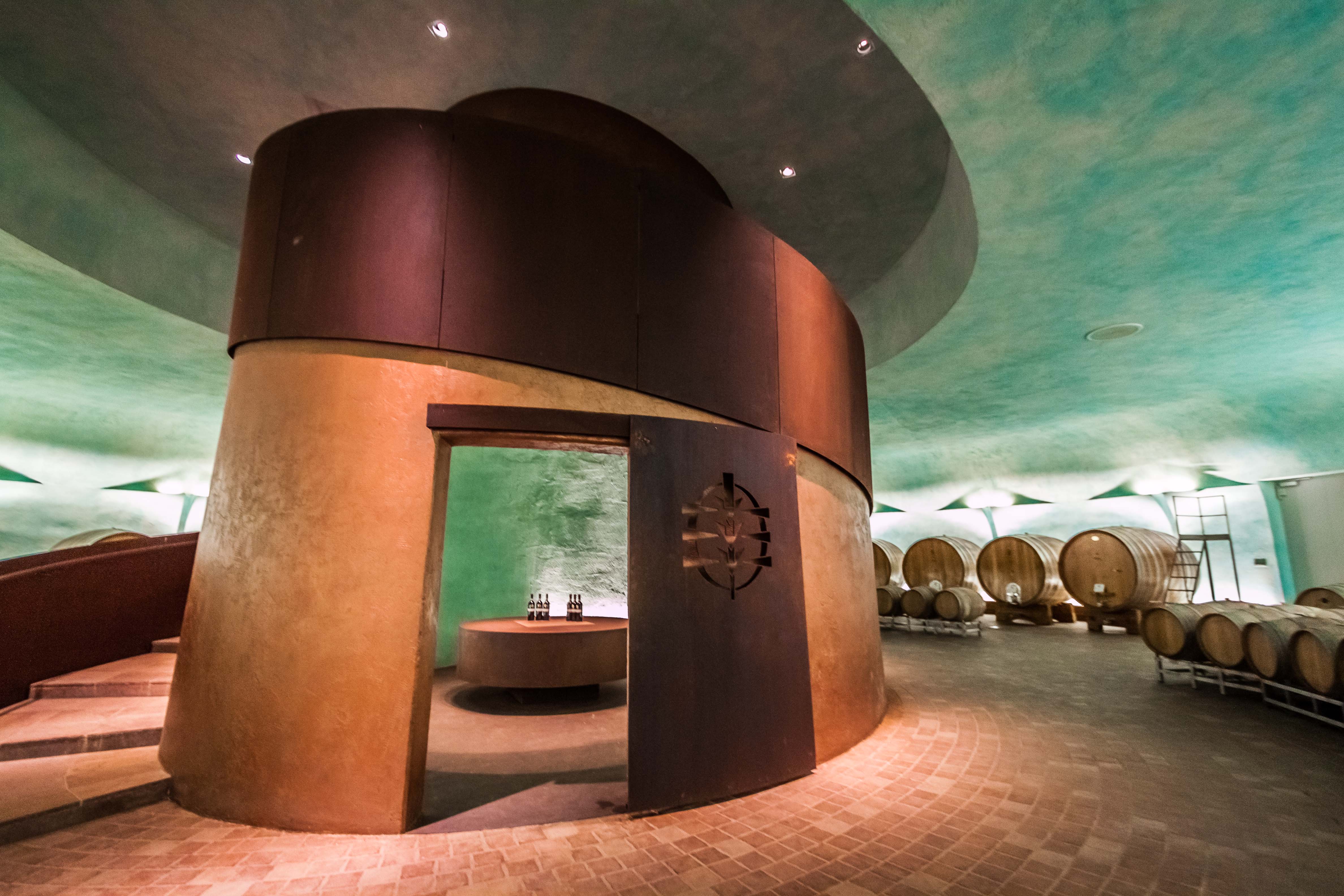
Tenuta Castelbuono Barrel Room

I have been to many wineries around the world but the “carapace” is perhaps the most stunning and unique. Yet I was concerned that with all the money spent on the winery, the wines might not deserve the shrine. You would be surprised how often this actually happens—how do you forget about the wine, people???

So who built this temple to Sagrantino? The Lunelli family (of Ferrari sparkling wine soon-to-be-fame-in-the-U.S.) acquired the land in 2001. They were looking to expand beyond the Dolomites of their home region, and fell in love with the distinctive character of Umbria and her unique grape. This would be their third winery project, having established a winery in Tuscany a few years prior.

Their arrival in 2001 meant the Lunellis were fairly new to the region, yet Sagrantino di Montefalco was granted DOCG status in 1992, and only a small group of winemakers had been making serious dry wines since the ’70s.  In fact, the region has seen a great deal of growth over the last few years as awareness and popularity of Sagrantino has grown.

Establishing the winery took a number of years, both in the vineyard and in the creation of the physical structure. As far as building an homage to the tortoise, that decision came from the renowned sculptor Arnaldo Pomodoro whom the Lunellis engaged to design it.

When asked about his inspiration for the property, Pomodoro explained: “The landscape reminded me of Montefeltro, where I was born, a region painted by Piero della Francesca in his works. Therefore, my work must not disturb the gentle hills and vineyards, but it needed to integrate with them. I had the idea of a shape that resembles a turtle, symbol of stability and longevity. Its shell represents the union between earth and sky.”

The structure ultimately took 6 years to finish, finally opening this summer in 2012—lucky me for being one of the first tasters through the door!

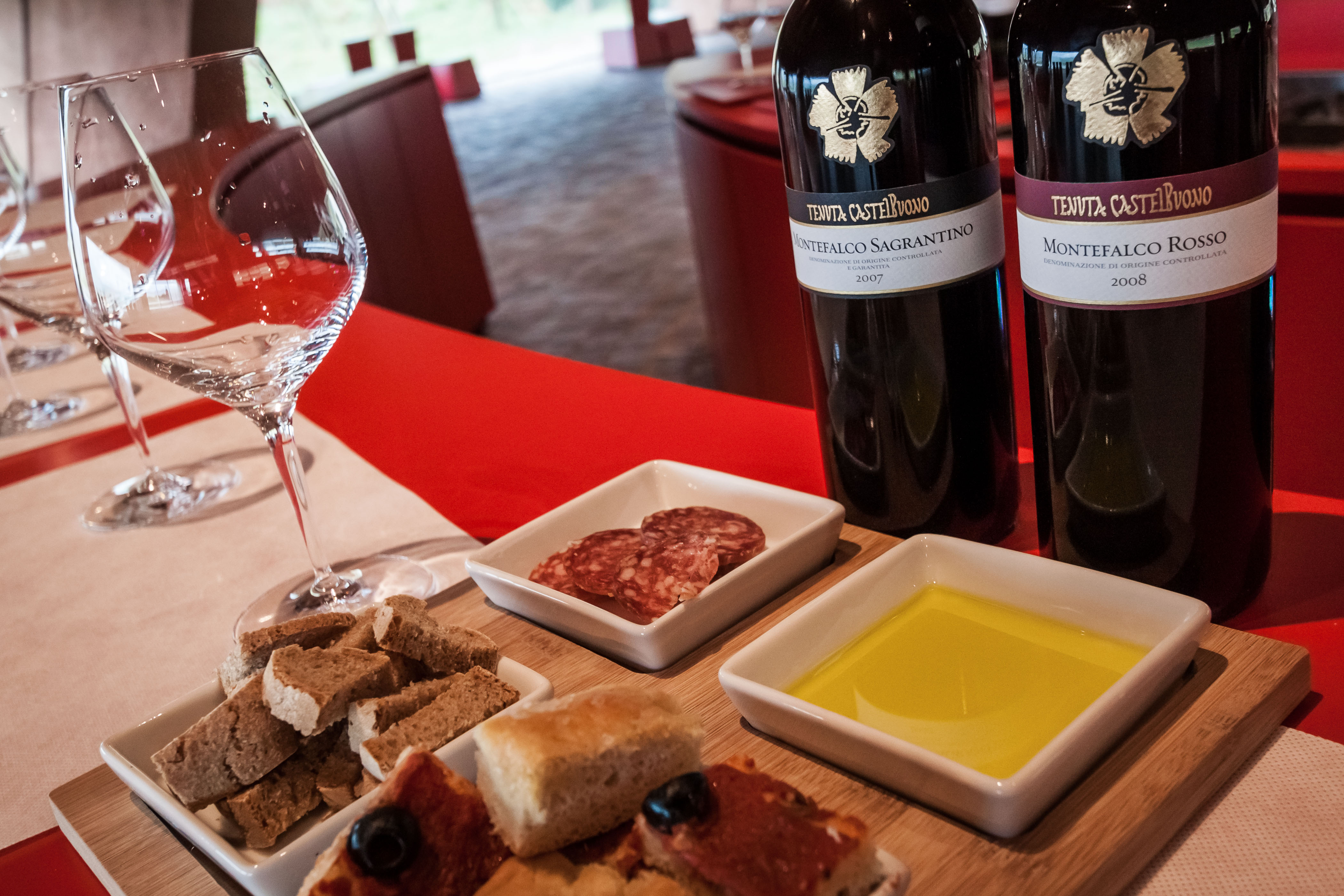
Sagrantino is chock full of tannins and can be a tough grape to spend the day with. It is truly a food wine and a good Umbrian winery should offer something to nibble while tasting. Castelbuono prepares visitors a lovely plate of snacks, paired with a local olive oil made by the family of the tasting room manager Giorgia.

Snacks and wine at the tasting bar

Tenuta Castelbuono currently offers three wines:

Montefalco Rosso 2008: 70% Sangiovese, 15% Sagrantino, 15% blend of Merlot and Cabernet Sauvignon.  Despite being the “easiest” wines of the three, the Rosso was still a big boy, getting a tannic kick from the 15% Sagrantino, with loads of marasca cherries to coat the mouth. Aged 18 months.

Montefalco Rosso Riserva 2008: Same blend as above, but with more Cab than Merlot in that 15%.  This wine is aged for four years like the Sagrantino, and is a new addition to the line-up. Even more intense that the Rosso, this wine has impressive body, slightly smoother tannins and notes of blackberry, black and red cherry, with a nice kick of fall spice.

Montefalco Di Sagrantino 2007: 100% Sagrantino. The Big Dog. The Reason You Came. This huge wine is just getting started and really should be opened a few years down the road. If you must open now, drink with equally weighty food. Proper acidity brings balance. Mouthcoating tannins surround a core of blueberry, blackberry jam and leather.

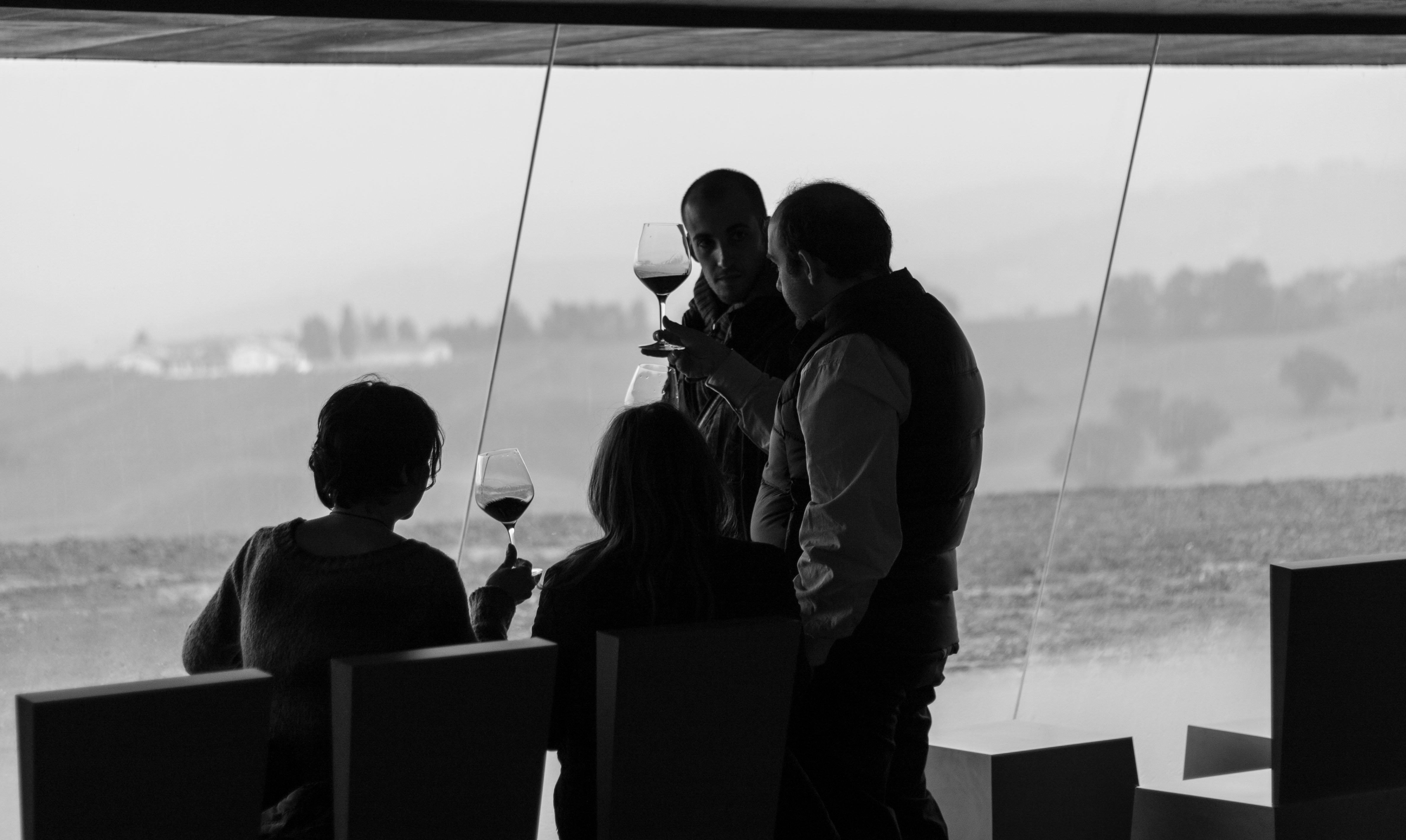
Guests enjoying the view

My turn to gaze

Seriously Stunning.

All in all, Tenuta Castelbuono proved a successful start to my Umbrian adventure. A highly recommended experience, but if you don’t have plans to hit up Umbria any time soon, you can find their wines at Eataly Vino in New York City.

Next up, Arnaldo Caprai…

Leave a comment

Filed under Tenuta Castelbuono, Umbria

Under the Umbrian Sun, Part 1: Why Go, How to Get There

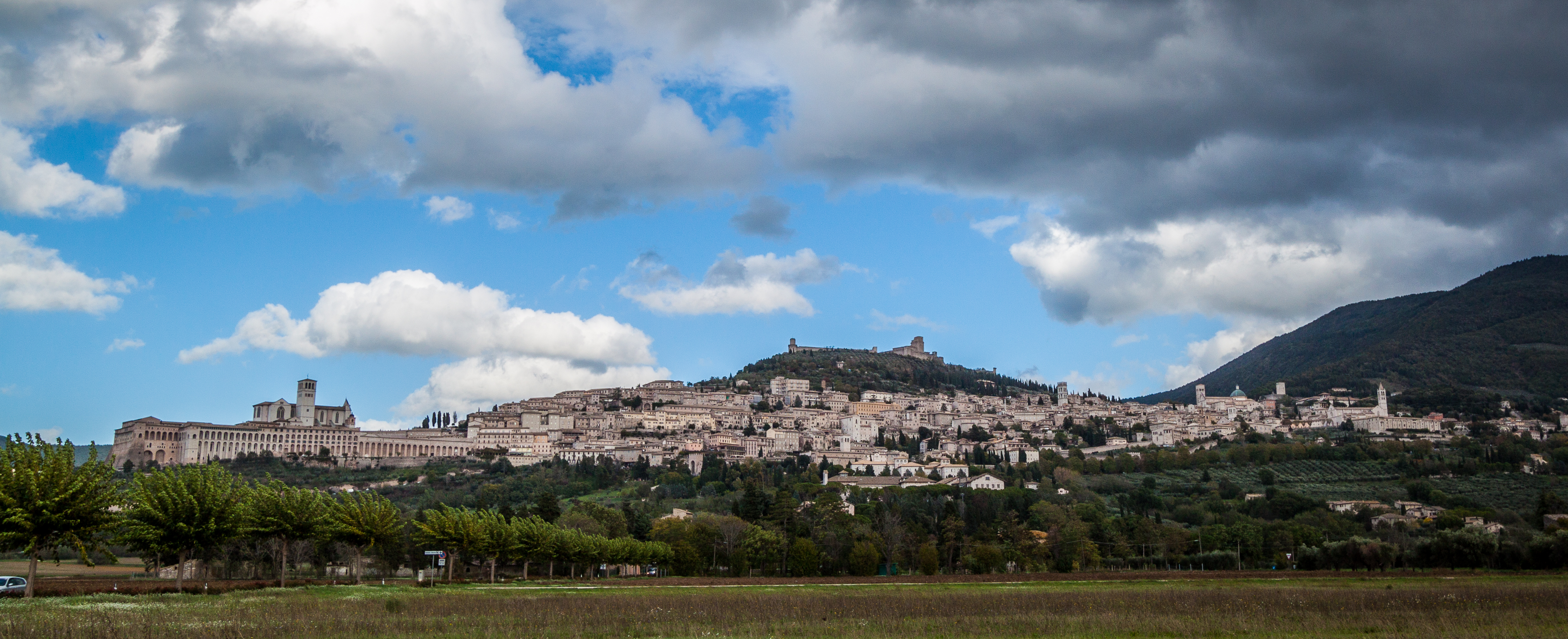
Assisi on the mountain

Why Go?

If you are considering a visit to Umbria, or heard Umbria is merely an appendix to Tuscany, hopefully this wine and travel report will convince you of the region’s inimitable charms.

I spent a lovely three days in the heart of Umbria near Bevagna and Montefalco. I visited four wineries, ate at darling restaurants and wandered old Roman and medieval cities.  Although I traveled to Umbria solo, there is really no such thing as “alone” in Italy. The minute I mentioned a lack of dining companions, I was whisked off to lunch, invited to dinners and shared drinks with locals and winemakers.

Why is Umbria a treasure? The people treat you like an old friend. The food is über-fresh and seasonal—they have been eating this way longer than “trendy” was a concept. The backdrop of the Apennine Mountains dusted with snow is National Geographic dramatic.  And of course there is the wine. Many know Umbria for the white wines out of Orvieto, but the most fascinating grape is the indigenous and distinctive Sagrantino. I got to know this grape and her makers, and will spend the next several posts sharing their stories. Hopefully some of these words will inspire you to try these wines or visit the “Green Heart of Italy.”

Getting to Umbria

In late October, nearly two weeks ago, I visited Umbria for the first time.  My starting point was Florence, from where I picked up a teeny, tiny European-size car equipped with GPS, followed by a two-hour drive to a town called Bevagna. My mini-Nissan had the craftsmanship of a Go-Kart, but it did the job and later proved to be a fun companion through the medieval streets of the region.

Hopping on to the Autostrada out of Florence, my route proceeded through the stunning Tuscan countryside. I get chills when I travel to new wine regions and first encounter the magical scenery of oft-dreamt about vineyards; it as though an unknown but impending event hangs in the air like the thrill of a new romance.  I felt that energy as rolling hills covered in vine, topped with villas, shot past the window.

I thought I must be crazy for zipping past exits to historic towns: “there goes Chianti; goodbye Arezzo; I can’t believe I am turning away from Montepulciano!” I reminded myself not to get greedy, that there would be another time for Tuscany, and pressed on.  The tingles triggered by Tuscany amplified when crossing into Umbria; a new paramour joined the party.

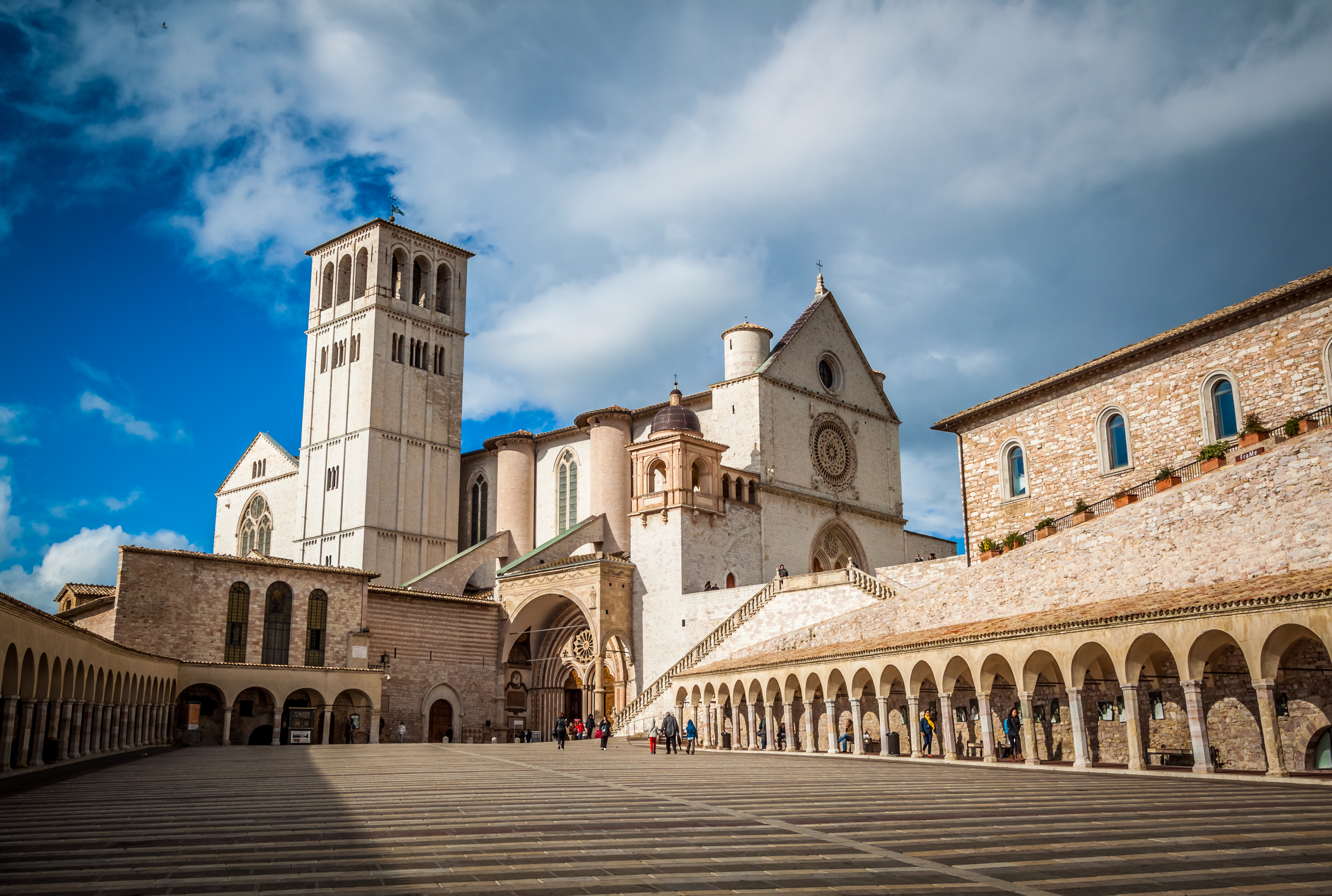
As I traveled towards the core of Umbria, I passed other notable cities such as Perugia—chocolate!—and Assisi—Church! I was due for an appointment at my first winery, but had a spare hour, so I took a short detour to Assisi. In fact, I nearly wrecked the car while passing it by on the highway; I was mesmerized by the awe-inspiring vista of the Franciscan Basilica on the side of the mountain. Despite doing zero justice to the town on my short visit, I managed to shoot a documentary photo before finishing the last leg to Bevagna and Tenuta Castelbuono.

Stunning entrance to the Basilica of San Francesco d’Assisi

Part 2, Tenuta Castelbuono Winery…

1 Comment

Filed under Umbria

Update: Can Red Hook Winery Be Saved?

Last week, I visited Red Hook Winery. I posted an update on their Post-Sandy status in my column Unscrewed for the Village Voice.  If you missed my article, here is your second chance…

Red Hook Winery tasting room post-sandy.jpg

A few weeks ago, I wrote about celebrating the new Brooklyn wine trail. Both Brooklyn Oenology and Brooklyn Winery, featured in the story, were relatively unscathed by Hurricane Sandy. But Red Hook Winery is located right over the water, nearly at the end of Pier 41, and the facility was completely exposed with zero buffers from high winds. When Sandy brought 11- to 16-foot storm surge waves, the winery was pummeled. TheAndrea Gail in The Perfect Storm comes to mind.

The first heartbreaking report on the damage came from Christopher Nicolson, head winemaker, through an interview given soon after the storm to Nona Brooklyn. He forecasted a near total loss after winds blew planters through the glass doors, and waves swept through the winery, flooding the space with five feet of water. The flood ruined electrical equipment like forklifts and pumps, scattered barrels of aging wines, and soaked and smashed hundreds of bottles as though Charlie Sheen and the devil teamed up for a Bacchanalia.

I visited RHW a week later to see if any hope had been dug up from the debris, spending last Friday with Christopher Nicolson and winemaker Abe Schoener. I can confirm that, sadly, the winery will not be hosting tastings and tours anytime soon.

RHW is still without power. They are working without light and heat (and it’s cold with that winter wind blowing off the water). Lots of renovation will be required, including the removal of several walls and its recently refurbished bathrooms, to flush out trapped water. To make matters worse, insurance won’t cover loss from flooding.

But for all the destruction, Abe and Chris feel blessed. The Red Hook Initiative sent dozens of volunteers daily to assist in clean-up; Luciano Racca of Domencio Clerico wines in Piedmont, Italy, spent three days volunteering after his NYC appointments to promote his own wines were cancelled; and staff from Terroir wine bar lent a hand.

If RHW is unable to salvage any of their current vintage, numerous offers showing support and solidarity among the winemaking community have rolled in: a winery in Oregon offered a vintage worth of juice; Hermann Wiemer up in the Finger Lakes offered juice, equipment, and general assistance in hopes that RHW won’t have to go a season without making wine.

red_hook_winery_bottles.jpg

But Abe and Chris now believe the wine gods kept an eye on their babies after all. After tasting through the wines, some stored in sealed stainless steel tanks, others in puncheons, they found much of the juice alive, in excellent condition. Ironically, the lack of heat coupled with the chilly air might have saved a lot of their wine. Assuming the final product is technically sound and they are happy with the results, the other caveat which is the caveat to saving any part of the vintage, is whether the EPA tests will conclude all or some of the wines are OK for sale, or instead deem them “salvaged” from a flood or contaminated. Nobody knows that answer yet, so in the interim, the plan is to keep calm, carry on, and make wine.

So that’s what they did for four days in the dark, cold winery. Last Friday, I helped drain tanks by gravity flow and we sent North Fork Chardonnay into barrels with a donated pump. The wines I tasted were fresh and good, but mere caterpillars propelled into wooden cocoons where they will lay for the next year, hopefully to emerge with wings and an EPA stamp of approval.

Abe seemed optimistic, an attitude both inspiring and, frankly, dumbfounding given the circumstances. When asked the best way to support the winery, the answer from the entire team was a definitive BUY WINE. RHW maintained cases of safe, dry bottles in a separate warehouse, and have updated its website to inform customers of their offerings, with orders to be placed via phone or e-mail and then shipped out. For alternative retail sources, check USQ Wines, Brooklyn Wine Exchange, Acker-Merrall, and Amagansett Wines. Several local restaurants are extending support through glass and bottle sales; visit Gilt, Terroir (multiple locations), and Arthur on Smith for a drink and a bite.

Red Hook Winery lost a lot, and, without insurance coverage, it might be enough to put them out of business. But for now, with spirit, community support, and a little luck from vinous deities, the odds are looking better that RHW will be around another vintage.

Leave a comment

Filed under Red Hook Winery

Where I am going: Post-Sandy clean-up at Red Hook Winery

RED HOOK WINERY

Red Hook Winery

Tomorrow I head out to Red Hook Winery on Pier 41. Having just returned from a long trip to Italy, extended by a week due to flight cancellations from Sandy, I am only now getting up to speed on the amount and severity of damage done by the hurricane.  Unfortunately, the destruction includes near devastation to our local and beloved RHW.  A few weeks back, I tasted the exciting wines being made by Abe Schoener and Robert Foley, helmed by head winemaker Christopher Nicolson. At the time, I remarked how gorgeous their location was over the water, particularly when the sun dropped below the horizon. Sadly, Mother Nature giveth and she taketh away, and reports suggest RHW is facing a near total loss.  I will be volunteering all morning and apprising readers of the situation through the Village Voice and my blog, with updates on volunteer opportunities and cloudy crystal ball predictions for their future. Stay tuned.

For the most comprehensive report from Christopher on RHW’s situation, please see Nona Brooklyn for a heartbreaking interview given last week on the 2nd. Hopefully tomorrow, a week later, the RHW team will have dug from the debris more hopeful news.

1 Comment

Filed under Red Hook Winery, Where I am Going

Where I am going – Trento, Italy for Metodo Classico Camp

Good Morning Trento!

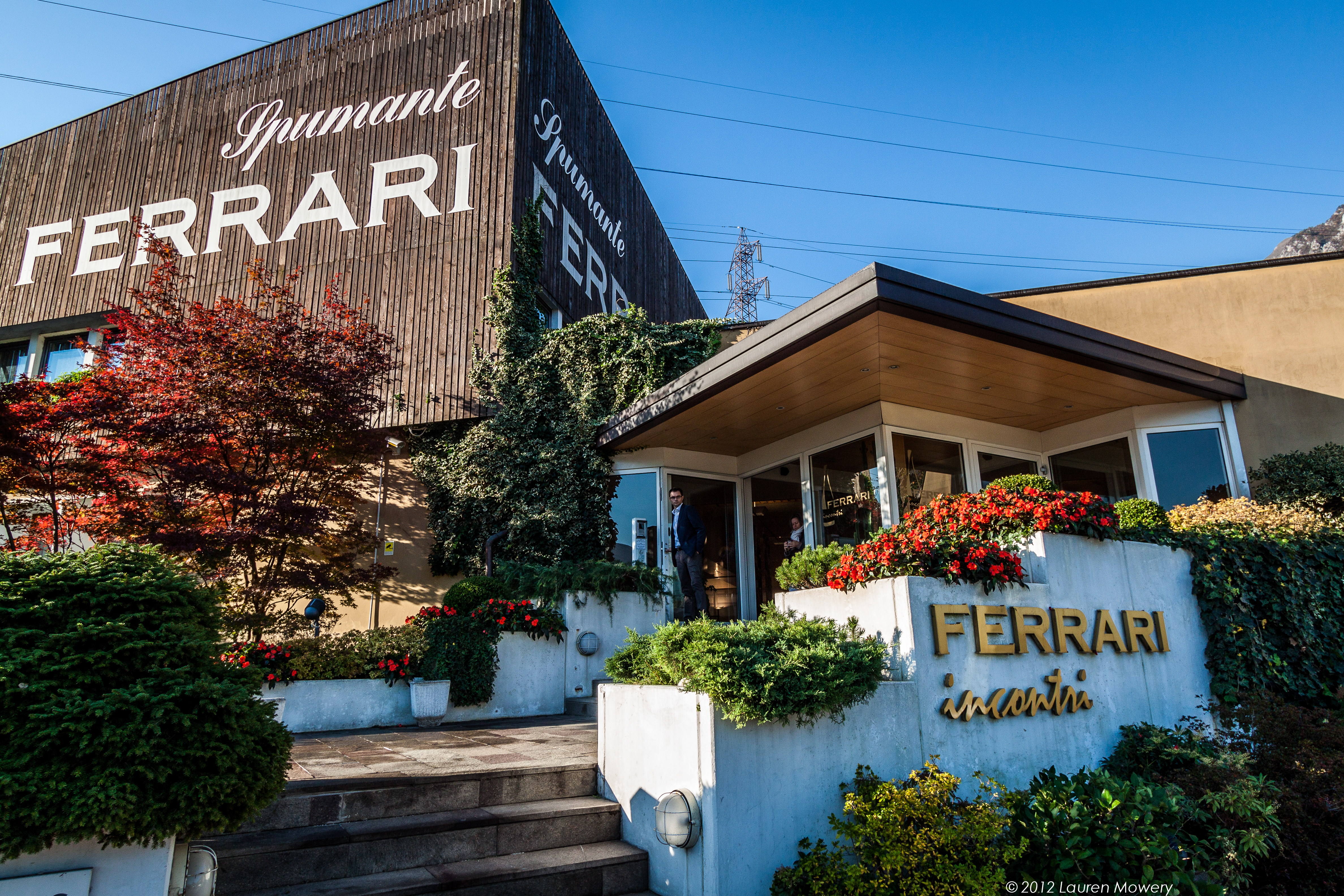
Have you ever wished to learn how to make Champagne? Perhaps attend an intensive course held in the shadows of the Dolomite Mountains in Northern Italy, led by leaders in the art of the Italian version, Metodo Classico?  Thanks to Ferrari Winery and the Lunelli Family in Trento, the first ever Metodo Classico Camp went forth last week!

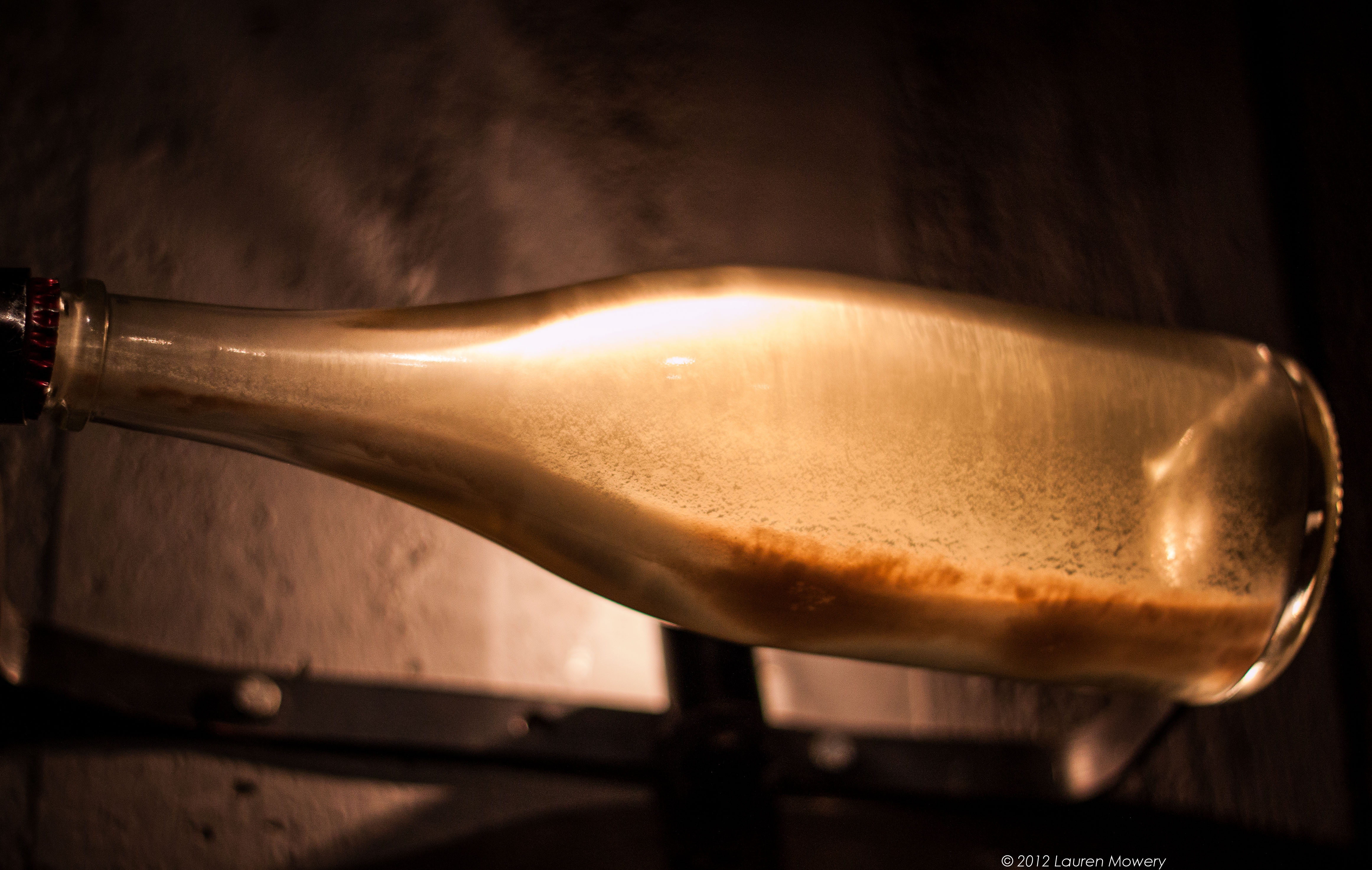
Metodo Classico, like Méthode Traditionelle and Champagne, refers to the painstaking process of crafting sparkling wine by inducing a second fermentation of the still base wine in a bottle by adding sugar and yeast; allowing the wine a minimum ageing period on the lees (spent yeast) for complexity; and the unwieldy process of riddling and disgorgement which is the consolidation and removal of the yeast, while keeping the sparkling wine under pressure and in the bottle. Phew. What a pain, but the finest and most complex sparklings in the world are produced this way.  You want to drink the best, right?

Day 1 of the inaugural camp, and I am honored to be in the company of a handful of wine pros from the U.S. as we join Ferrari winery in learning about the regional topography and viticulture in Trento, as well as Ferrari’s method for sparkling wine production.

Here are some images from the first day:

Sun is shining over Ferrari today!

Stand-up provided by Marcello, Luke and Philip

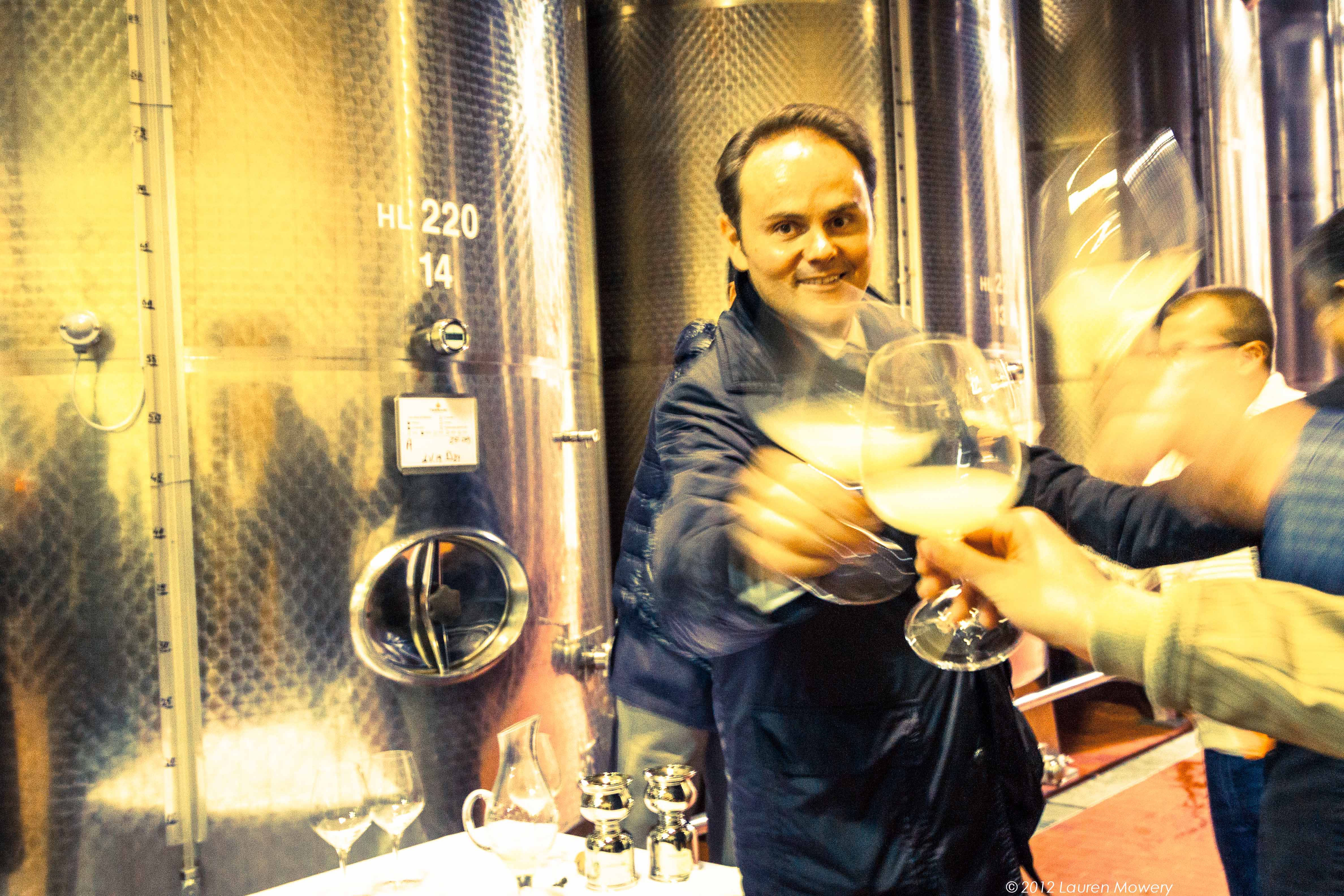
Tasting from the tank

A toast to base wine – there would be no bubbly without it!

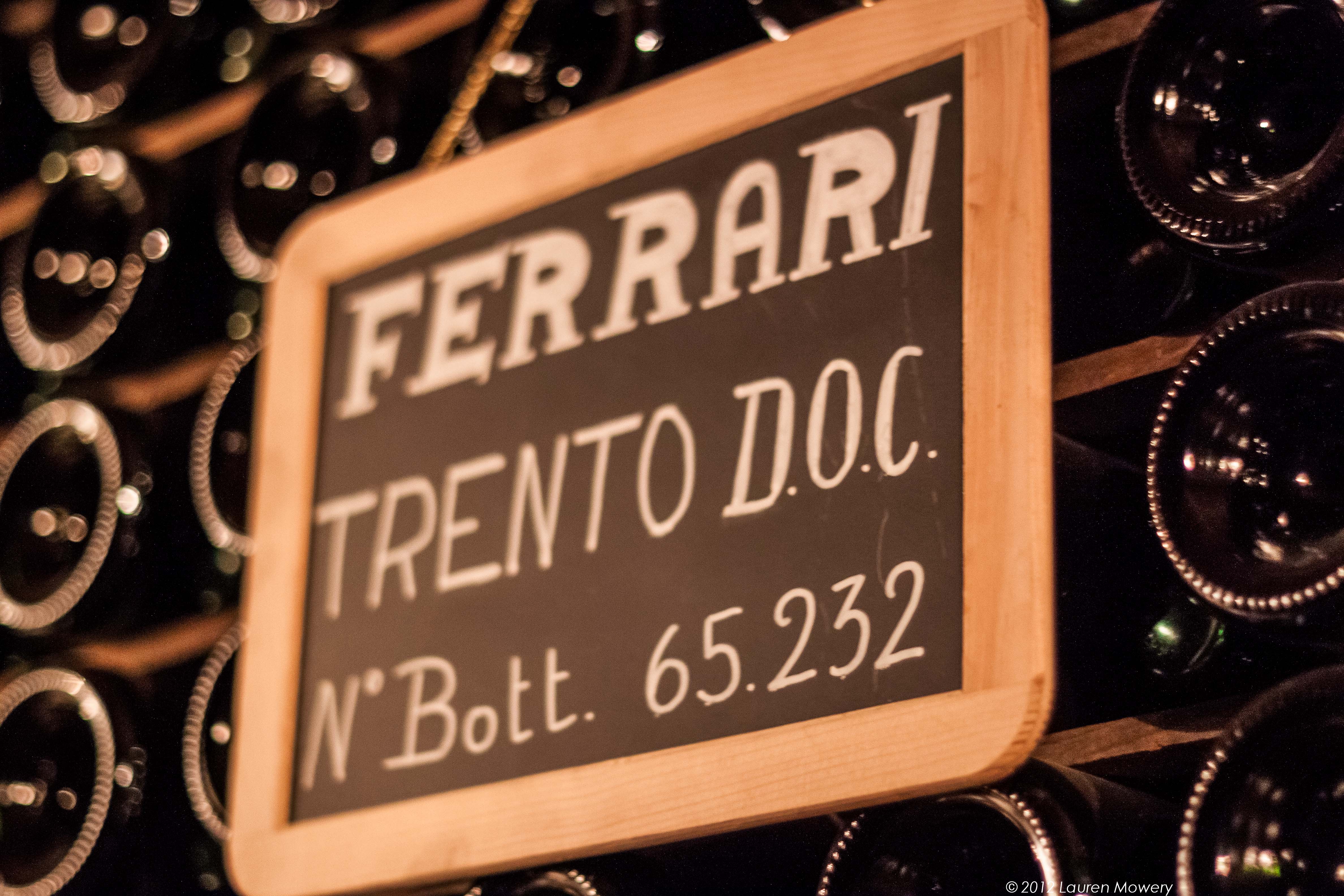
A walk through the cellar

They keep the naughtiest wines behind bars

So lazy, resting while her lees do all the work…

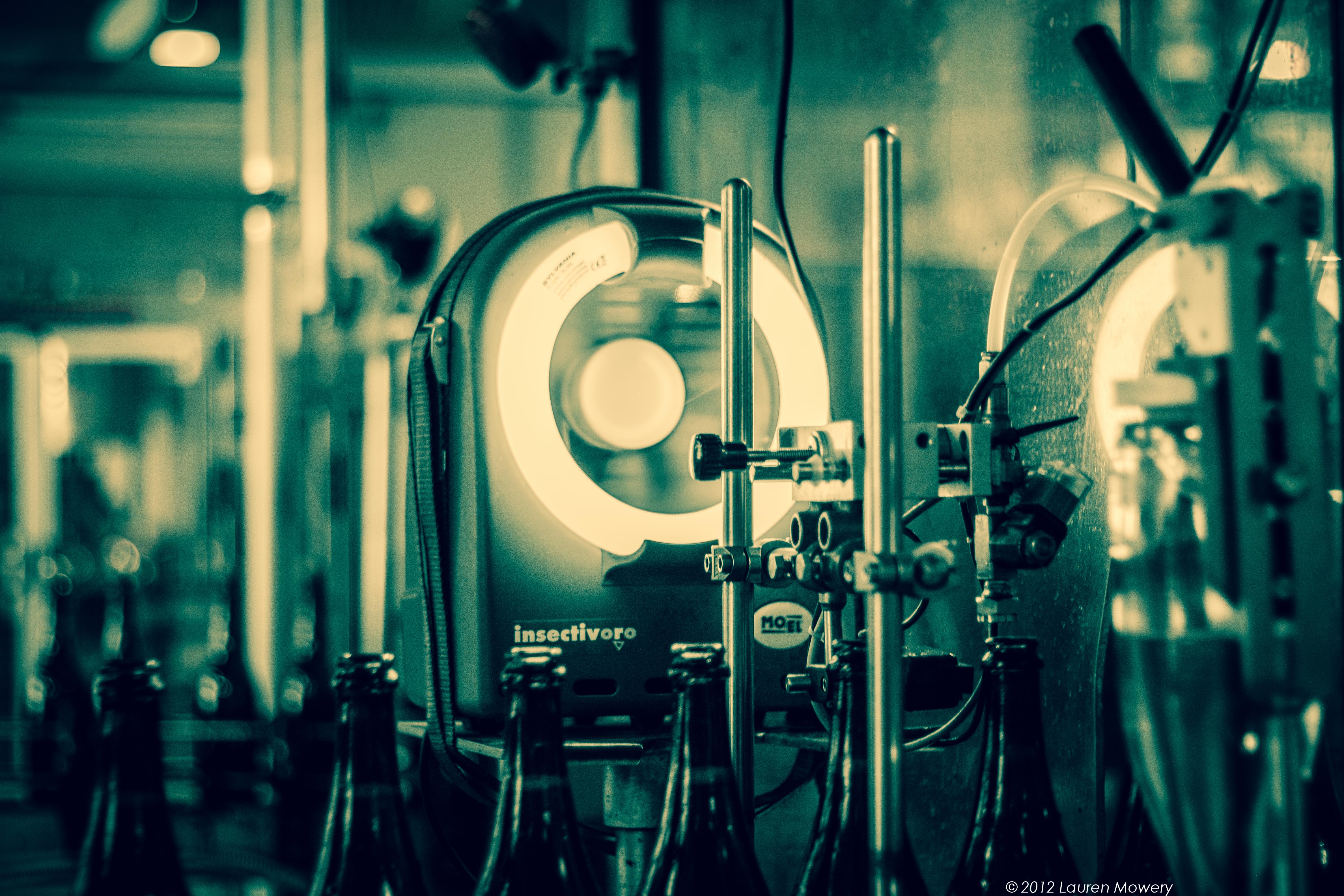
Beauty in the bottling line

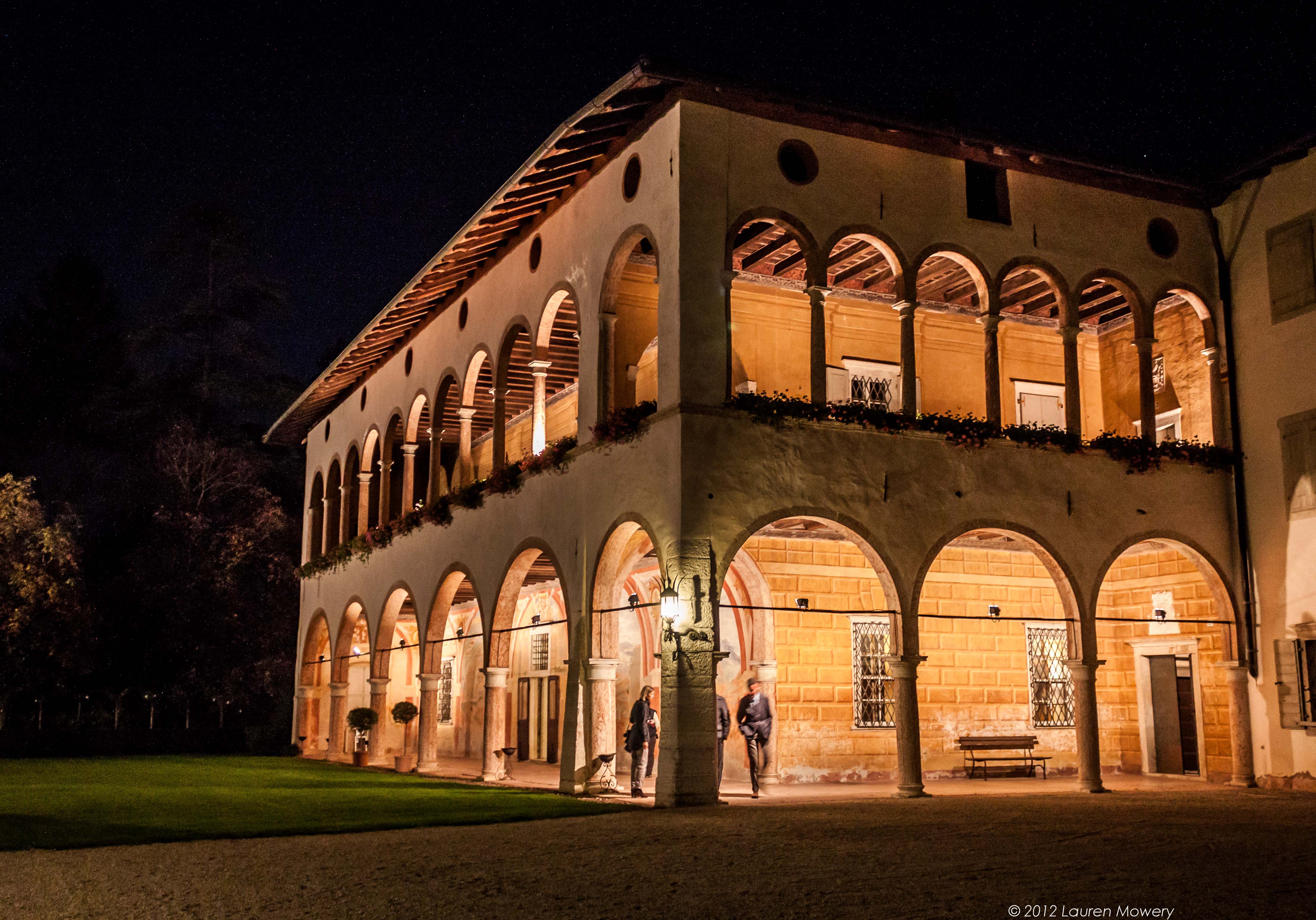
All days should end at the Villa Margon

1 Comment

Filed under Italy, Metodo Classico Camp in TrentoDOC

The Subway Wine Trail: How to Wine Taste in Brooklyn

brooklyn_wine_collage.jpg

If you missed my column Unscrewed in the Village Voice on how to wine taste in Brooklyn, here is your second chance (with subway directions included)!

Can’t make it to Napa this week ’cause Jay-Z hitched a ride in your Gulfstream to his Barclays show? No worries, hit up Brooklyn, Hova’s favorite borough, for an idyllic afternoon on the subway wine trail. Your chariots, the 5/G/L trains (and the Ikea Ferry), let you have the drink without the drive — can you name another wine region that boasts a public transportation line?

Grab some friends and make a day of it.  Here is your guide for sampling the best wines this innovative borough has to offer, proving once again that Brooklyn can do anything, except maybe cultivate a vineyard.

Brooklyn Winery – an easy walk from the L Train

Brooklyn Winery 

Directions: Take the L train to the Bedford Ave Stop

Founded by two internet start-up colleagues and aspiring winemakers, Brian Leventhal and John Stire built Brooklyn Winery to fill a void in the market — the urban winemaking facility. They hired winemaker Conor McCormack to craft a handful of small-batch wines using grapes from upstate NY and Long Island (and from California for their Pinot Noir and Zinfandel Rosé). Current whites include Riesling and Chardonnay with several reds to be released in October. Wines are sold in bottles, as well as on tap using exchangeable growlers (they have a winery license). The space also serves as a restaurant, wine bar, and general hangout (wine and wifi), plus it can be rented for private parties. 213 North 8th Street, 347-763-1506

BOE in Williamsburg

Brooklyn Oenology

Directions: Take the L train to the Bedford Ave Stop

Founded in 2006 by winemaker Alie Shaper, BOE is focused on promoting all things New York, from the grapes used in her wines down to the local artists’ work featured on her labels. Although the wines are made at a shared facility in the North Fork, Alie plans to move more of the winemaking operation to Brooklyn as the business grows. The Williamsburg storefront opened in 2010 to showcase BOE wines and function as neighborhood wine bar that opens as early as 2 p.m. — for those days you wish you were at a tasting room instead of the office. You can also keep yourself busy sampling the other NY State tipples on offer: whisky, cider, and beer. BOE’s line-up includes a juicy Sauvignon Blanc, a newly released Rosé and several reds. Keep an eye out for fun events like the recent $1 “Oysters and Sauvignon Blanc” party. 209 Wythe Avenue, 718-599-1259

Take the Ikea Ferry round-trip. Shoppers will wonder why your mouth is purple.

Red Hook Winery

Directions: Option 1: Take the G train to Carroll Street and get some exercise by hoofing the rest.  Option 2: Take the G train to Bergen Street or the 5 to Borough Hall; pick up the B61 bus to Red Hook, and get off at Van Brunt. Option 3 (from Manhattan only): Pick-up the Ikea Ferry from Pier 11 in lower Manhattan ($5 weekdays, free on weekends).

RHW is hard to reach, but your effort is rewarded with liquid gold. Set in an atmospheric old waterfront warehouse on Pier 41, arriving here feels like stumbling into a government secret, tucked away in a desolate building at the farthest edge of the city. Adding to this sense of discovery, one encounters an oddly located Key lime pie shop at the edge of the pier (Key West meets Sin City?). The staff is friendly and motivated to walk you through all of the 60+ white, orange (white wine with extended skin contact) and red wines produced.

That may sound like overkill, but there are two winemakers in the house. If you are familiar with Abe Schoener from Scholium Project in California, then you know you won’t be drinking standard issue 90 pointers. RHW is also blessed to have California wine genius Robert Foley working the second set of grapes. Each winemaker literally gets half of the harvest and a green light to produce their own style of Chardonnay, Cab Franc, etc. The collective goal is to show off the potential range of NY State wines while finding the common thread of terroir throughout. Pier 41, 175 – 204 Van Dyke Street, 347-689-2432

Leave a comment

Filed under Unscrewed, Wine Tasting in Brooklyn

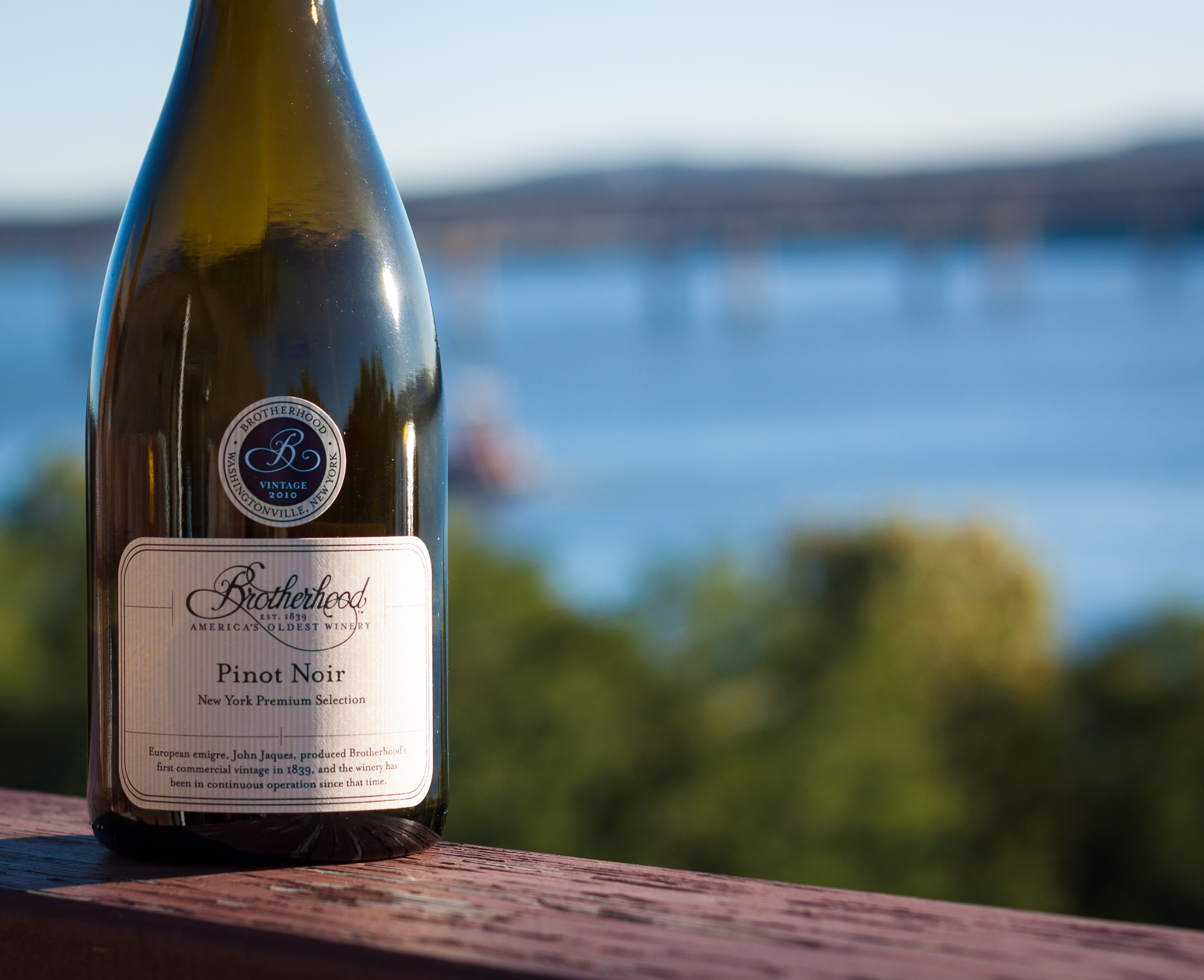
What I Drank – Brotherhood Winery, Pinot Noir, 2010

The mighty Hudson River as backdrop

A fall weekend in the Hudson Valley inevitably leads to two things: apple hoarding and wine tasting. This year, my annual visit led me South-West of the river near Washingtonville and Warwick, and consequently, to Brotherhood Winery.

I am generally disappointed in the Hudson Valley wineries as a class. I have been to most of them several times, but they fail on an annual basis to improve their game. Yet, whenever I’m in the region, I can’t help but follow the grape trail like a brain-dead zombie. At least there are a handful of reliable wineries where I can get my fix when in desperation mode (on vacation and must…go…wine tasting). Benmarl and Millbrook are perhaps the most serious about their winemaking mission.

Due to low expectations, I had eluded this little corner of the valley for the last ten years. This time around, with obligations in the area, I figured I would check out the self-proclaimed Oldest Winery in America.

Brotherhood, established in 1839, earned the title of Oldest since the winery was able to operate continuously throughout Prohibition. Let’s see: wealthy owners + corrupt politicians = exemption from the rules; in Brotherhood’s case, they were making holy wine (ironically out of an unholy alliance). Now they produce an enormous array of wines including a wine-ish product, commissioned by NJ Housewife Teresa somebody, called a Fabellini (talk about unholy!)

Various wines and wine-like products at Brotherhood

The tasting room is vast, and can probably accommodate loads of tour buses. Visitors are asked to purchase a ticket and a chalice before they can drink—choose wisely: $5 buys a tiny, flimsy plastic cup like you find in your dentist’s office, or $7 gets you a souvenir glass. I ponied up the extra two bucks for the glass glass since I don’t drink wine from the same vessel that delivers a fluoride rinse. The manager—or better, the winemaker—should make a push to remove plastic from the tasting experience; it is insulting to their visitors and embarrassing to the winery.

If you can’t tell by now, I was pretty skeptical. However, the experience turned a corner upon meeting the very knowledgeable and friendly JoAnn at the tasting counter. We bonded immediately over her equal degree of mortification over the cup fiasco. She poured us through their line-up of dry wines and explained only the Chardonnay and Pinot Noir were grown in the Hudson Valley; the rest of the grapes were purchased from the Finger Lakes or Long Island. In fact, that is the model most wineries follow throughout the Hudson Valley. All in all, the wines were perfectly acceptable and reasonably priced for what they were and for NY State. Their Pinot Noir stood out from the pack, however, due to its price point at $14.99. Below are my notes.

Soft fruit flavors of strawberry, cherry and raspberry are complemented by a pronounced earthiness from wet leaves, mushroom and baking spice on the finish. Good acidity adds structure, and the wine, surprisingly, bears a faint resemblance to an AOC Bourgogne. No new ground is broken here, but for $14.99, this has to be one of the better, inexpensive Pinots in NY State. Frankly, I can’t remember the last time I bought a Pinot Noir for that price, and still finished the bottle.

1 Comment

Filed under Brotherhood Pinot Noir, What I Drank

Mendocino – Wineries-to-Watch List

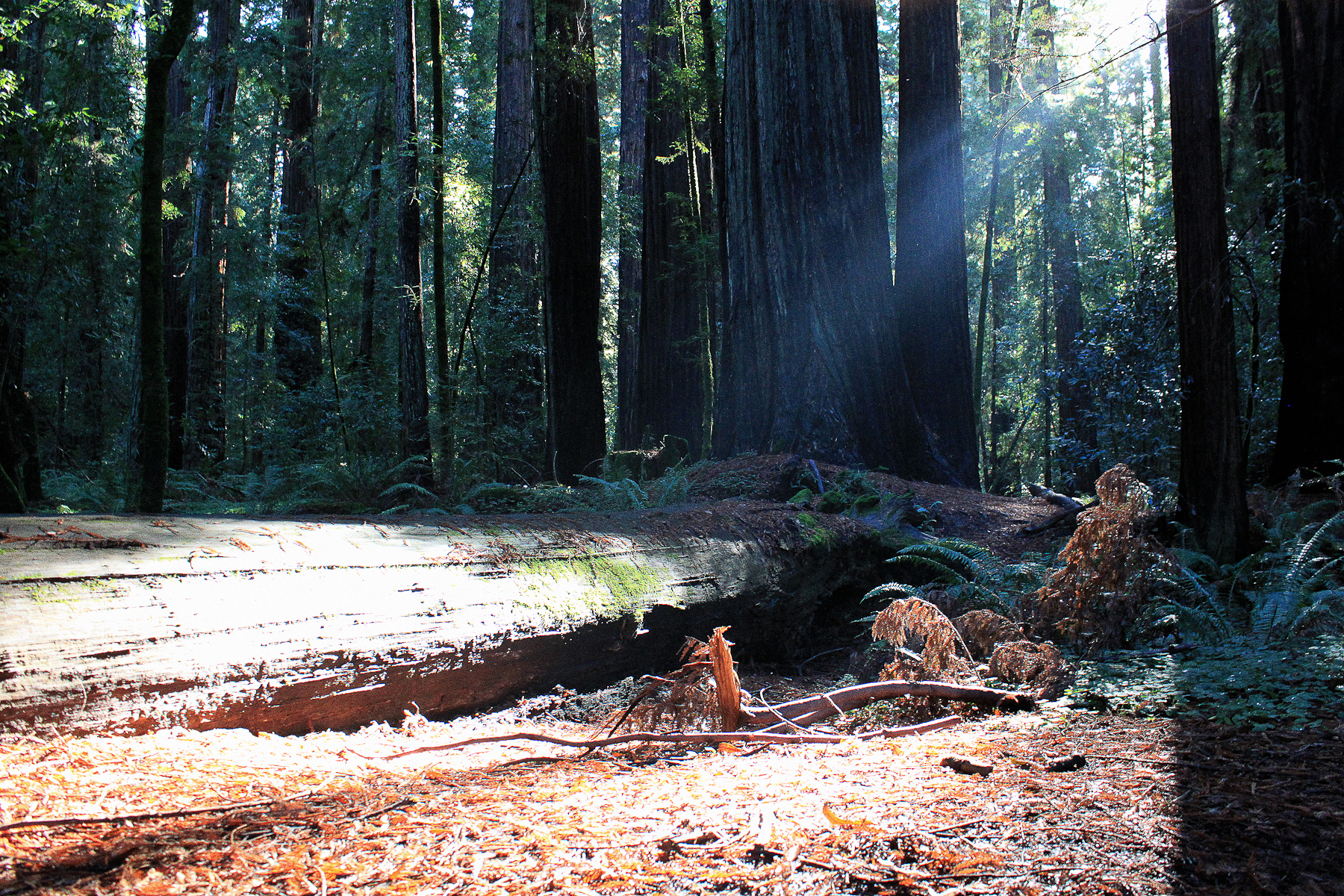
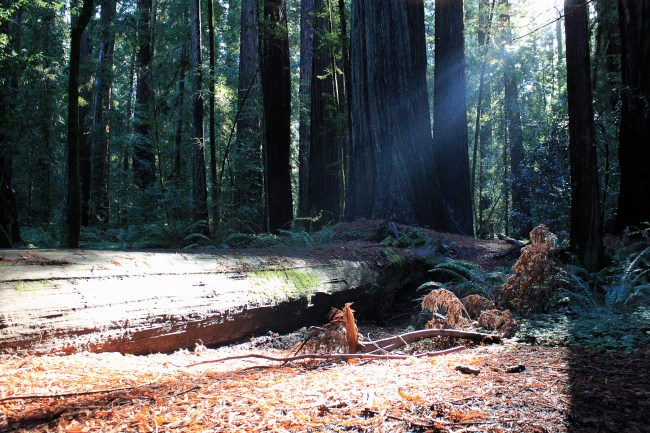
Drink Pinot, taste the forest

If you are like me, then you dislike buying what other people try to sell you. Retailers tend to stock the same bottles, from the same distributors; a rather unromantic and uninspired experience. One of the joys of wine is the opportunity to discover, often through travel, truly wonderful winemakers that nobody else knows about.

So, if you are looking for the rising stars of Mendocino, here are my favorite, hard-to-find and rather unknown (especially on the East Coast), small producers of Anderson Valley (AV) and Mendocino County (MC)* wines. Each winery selected is a diminutive and independent, often family-owned operation either located in or buying grapes from Mendocino County vineyards for single-designation wines.

Please note a couple of points about AV and MC wines. Most are not cheap or even mid-range in price. Pinot Noir is a finicky grape, tough to grow successfully, and production from small wineries is extremely limited. Consequently, expect to pay in the range of $30-$65 a bottle.

When buying Pinot from the area, keep an eye out for the following vineyard designations on the label. These sites have established reputations for producing excellent fruit:

  • Oppenlander Vineyard
  • Londer Vineyard
  • Morning Dew Ranch
  • Monument Tree Vineyard
  • Weir Vineyard
  • Wiley Vineyard

­THE LIST

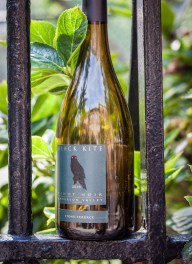
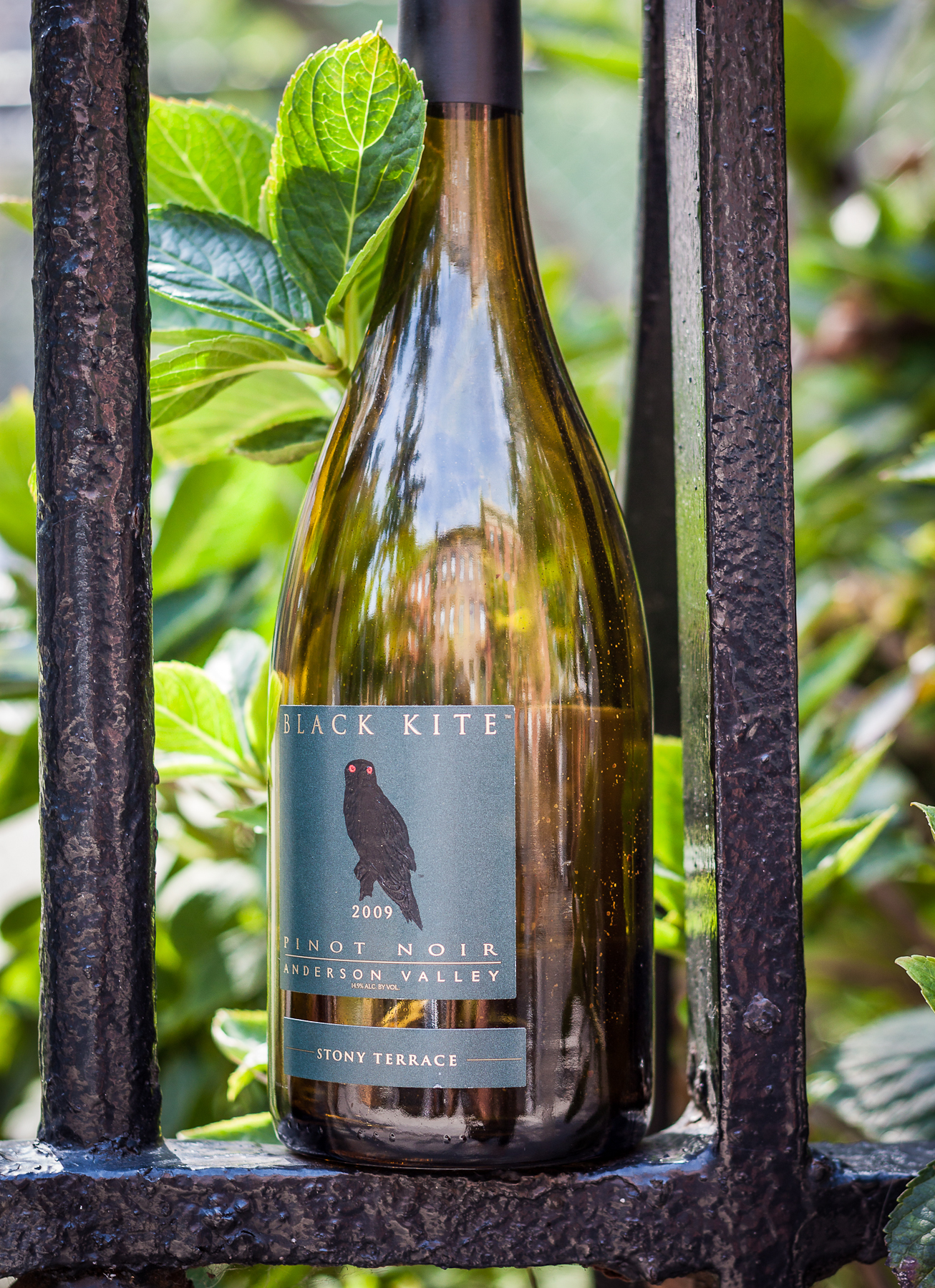
Black Kite

Named after the red-eyed endangered hawk that floats above the valley, Black Kite is a small, family-owned producer of Pinots out of the North end of the AV. Their wines have received a lot of professional press for their power and elegance, and their line-up features four block designated, single vineyard Pinots that you can purchase individually or in a pack, if they haven’t sold out.  Put yourself on the mailing list if you want a shot at next year’s vintage of “Angel’s Hawk”, a wine that sold out after a 95 pt review from Wine Spectator.

Wine to Find:

Stony Terrace 2009  One of the heftier AV Pinots in body and alcohol, yet this wine manages to keeps its balance. The bottle was open for three days, developing in complexity, and moving from assertive on day one to soft yet firm by the third. The palate echoed purple flower aromatics, saturated black cherry and black raspberry fruit, with layers of spice filtered through tannins so fine, a Turkish-coffee barista would be proud.

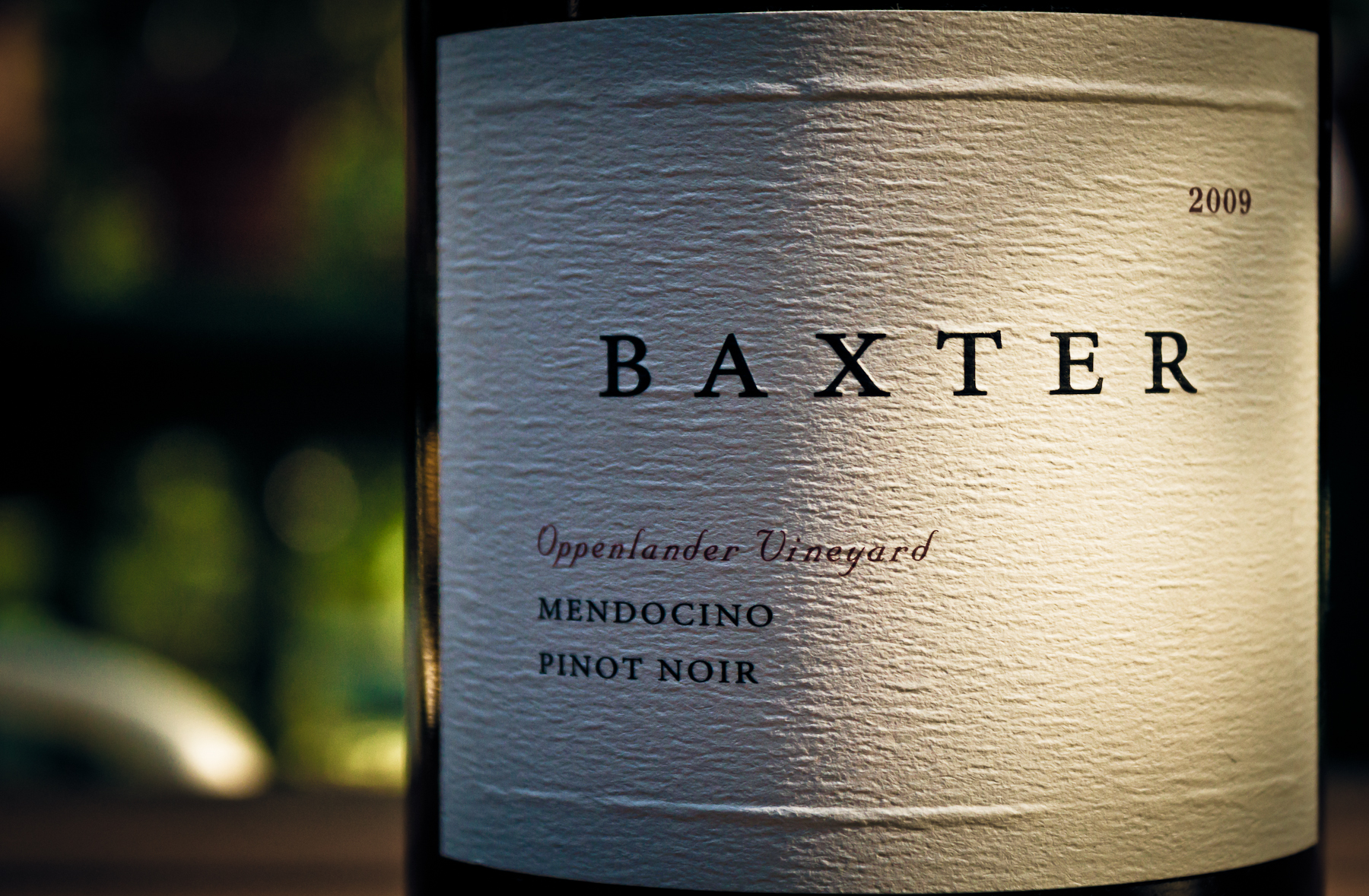
Baxter
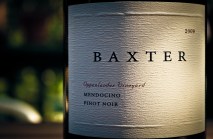
Two generations of winemakers, Phil Sr. and Phil Jr., are crafting sincere, graceful Pinots sourced from single-vineyard AV and other MC sites, including the outstanding Oppenlander Vineyard. Their secluded, scenic location on the beautiful Greenwood Ridge must be a source of daily inspiration for their expressive winemaking style, which combines a minimal intervention philosophy, old-world techniques and an ultimate goal of purity of fruit.  They absolutely nail it.

Wine to Find:

Oppenlander Vineyard, 2009  This bottle was assertive with vibrant red raspberry and cherry fruit; layers of sexy tannins, smooth like the silk purse of a Chinese Empress, yet full of finesse from the mountain air acidity. Hints of savory earth and wild herb are followed by a lightly spiced finish.

Drew

Drew family wines, crafted by husband and wife team Jason and Molly, were the first I tasted during my visit to Mendocino that left me speechless. Their wines are the antithesis of ripe Pinots overloaded with oak, and lacking finesse or a connection to the land. Drew renewed my faith that some California vintners were still producing earthy, sensual Pinot with a profound sense of place. The wines are stunners.

Wine to Find:

Weir Vineyard, 2009  Take a mouthwatering journey across the forest floor. This Pinot offers prominent notes of mushroom, loam and wet pine needle, laced with cinnamon stick and wrapped in bright, pure red fruit. Silky, lush and lingering. (2010 is the current vintage available from this vineyard)

Couloir Wines

Named after steep mountain gorges, Couloir wines was founded by Jon Grant, a backcountry ski enthusiast who developed an equal passion for wine while in the restaurants of Utah, and later the cellars of Napa.  Jon’s wines showcase his artistic interpretation of Pinot Noir from unfamiliar but exceptional single-vineyard sites.

Wine to Find:

Oppenlander Vineyard, 2010  Lighter in body, this wine was squeaky clean with pure fruit and earth flavors. Redolent of freshly pressed, tart red cherry and raspberry juice and a delicate, sassafras and spice finish.  Gentle, smooth tannins and a bright frame of acidity showcase a wine that is honest about its source.

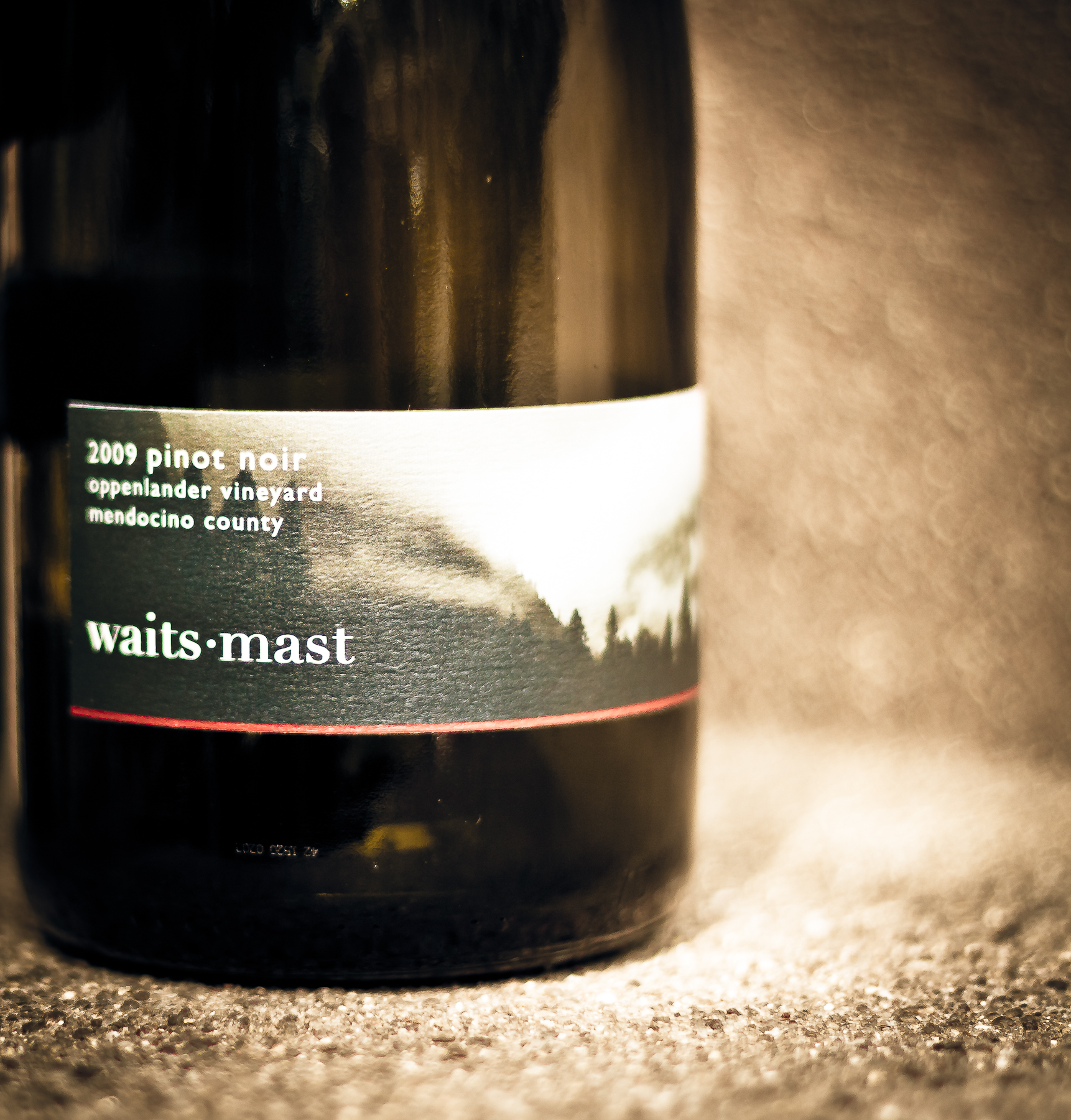
Waits-Mast
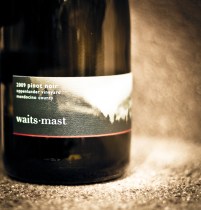
Wine lovers turned winemakers, Jennifer Waits and Brian Mast took the leap into professional winemaking that many of us wish we had the cajones to do.  They fell in love with Pinots from the Anderson Valley, having spent many a trip up there, tasting and learning.  They did their homework, seeking out the best fruit in the region for their various bottlings.  Oppenlander was added to their portfolio after tasting the Baxter’s wine; a wise move.

Wine to Find:

Oppenlander Vineyard, 2009  Fresh, focused and elegant offering beautiful aromatics of rose petal tea, lavender and red fruits. The palate echoes the nose, with baking spices; tart red pomegranate and cranberry; and plump, ripe raspberry with a swirl of fresh, churned earth. Like a ballerina – delicate, nimble yet sturdy.

Brogan Cellars
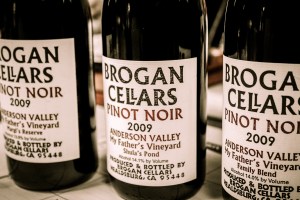
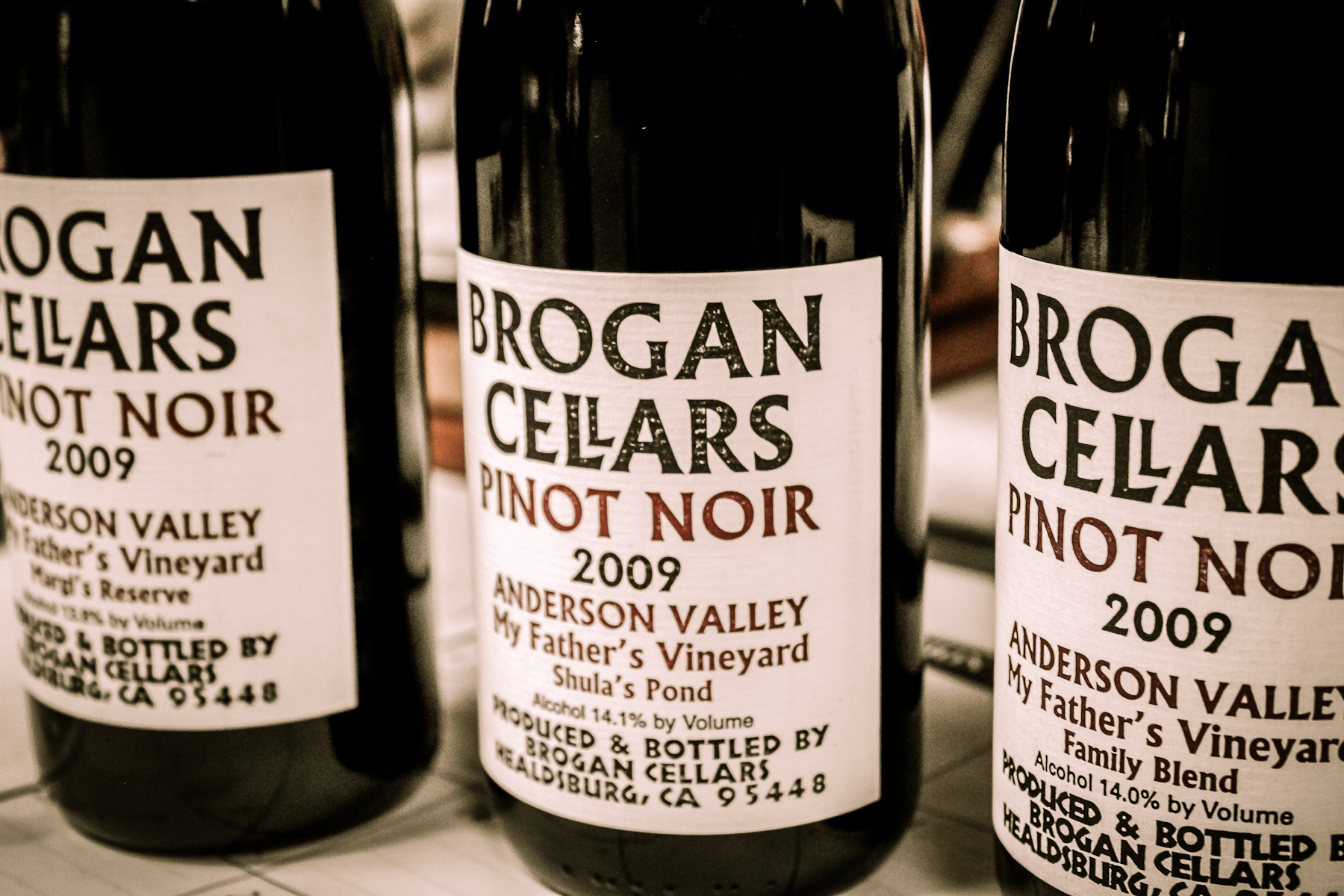
Garagiste Pinots crafted by Margi Williams, the daughter of revered, now retired Burt Williams of Williams-Selyem.  She has a deft hand with Pinot, despite working out of a makeshift facility (following in her father’s footsteps) in the Dry Creek Valley.  She has since improved upon her digs, with the former winery garage now serving as storage and a tasting room, and the winemaking moved to Hopland. She produces a line of RRV Pinots plus wines using fruit from her father’s AV vineyard and other MC appellations.  These bottles are impossible to find on the East Coast.  Get on her mailing list or try to catch her in person while out there—her jovial style makes for a merry visit.

Wine to Find:

My Father’s Vineyard Margi’s Reserve, 2009  Medium-bodied, elegant and smooth, this wine shows deep aromatics of dark red and black fruit, dried fig, raisin and notes of mocha. Spice, cedar and a pervasive earthiness result in an appealing wine that is more delicious dirt than fruit.

Woodenhead
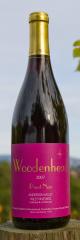
Owner/winemaker Nikolai Stez has been producing beautiful Pinots and Zins for years, tucked away off the tourist circuit in Sonoma.  His foundation in fermentation began as a boy making a traditional Russian drink “kvas” using a recipe from his parents. He later graduated from home winemaking enthusiast to an assistant position with Burt Williams of Willams-Selyem fame.   It was inevitable Nikolai would open his own winery.  I have been on their mailing list for several years now, but only realized after a trip to the Anderson Valley, that he produced an AV wine from the Wiley Vineyard site.

Wine to Find:

Wiley Vineyard, 2007  Second to last release of this wine ever, so try to snag one.  Beautifully structured with silky tannins, the wine is highly aromatic showing dark fruit, lavender and hibiscus flower on the nose, followed by flecks of black fruit, cherry, red berries and a hint of tart pomegranate on the palate. Notes of wet tea leaf and a vein of earthy loam linger like an old friend.

Shandel’s Oppenlander Vineyard
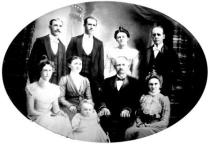
Generations of the Shandel Family

The fifth generation owners of Oppenlander Vineyard, an outstanding source of Pinot fruit in Comptche, have been making a few cases of their own wine, winning awards and quietly selling them to the local community. I should probably kick myself for writing this in a public space, but their 2006 Pinot (served and sold by Glendeven Inn) was hands down one of the best Pinots for the money I have come across in years.  Try to get your hands on a bottle, but you will have to work for it. The Glendeven will ship, but for a whopping $60/bottle plus cost of the wine ($30).  Try calling the owners instead at 707-937-5594. Or better yet, just go to Mendocino and put a few in your suitcase.  A one-of-a kind treasure.

Wine to Find:

ANY!

That sums up the list based on wines I have tasted, and I have plowed through many. However, this is an ongoing project. If you know of any other small producers that deserve acclaim, please email me. I will continue to develop this list as I make new discoveries.

* Most Pinots I tasted and recommend are from Anderson Valley fruit, an AVA within the broader Mendocino appellation.  Overall, Mendocino County has 9 more AVAs: Mendocino AVA, Yorkville Highlands, McDowell Valley, Potter Valley, Redwood Valley, Dos Rios, Covelo, and Mendocino Ridge and America’s smallest AVA, Cole Ranch.  Two are pending approval: Ukiah Valley and Sanel Valley.

1 Comment

Filed under Mendocino and Anderson Valley

Mendocino County, Part 3 – Where to stay

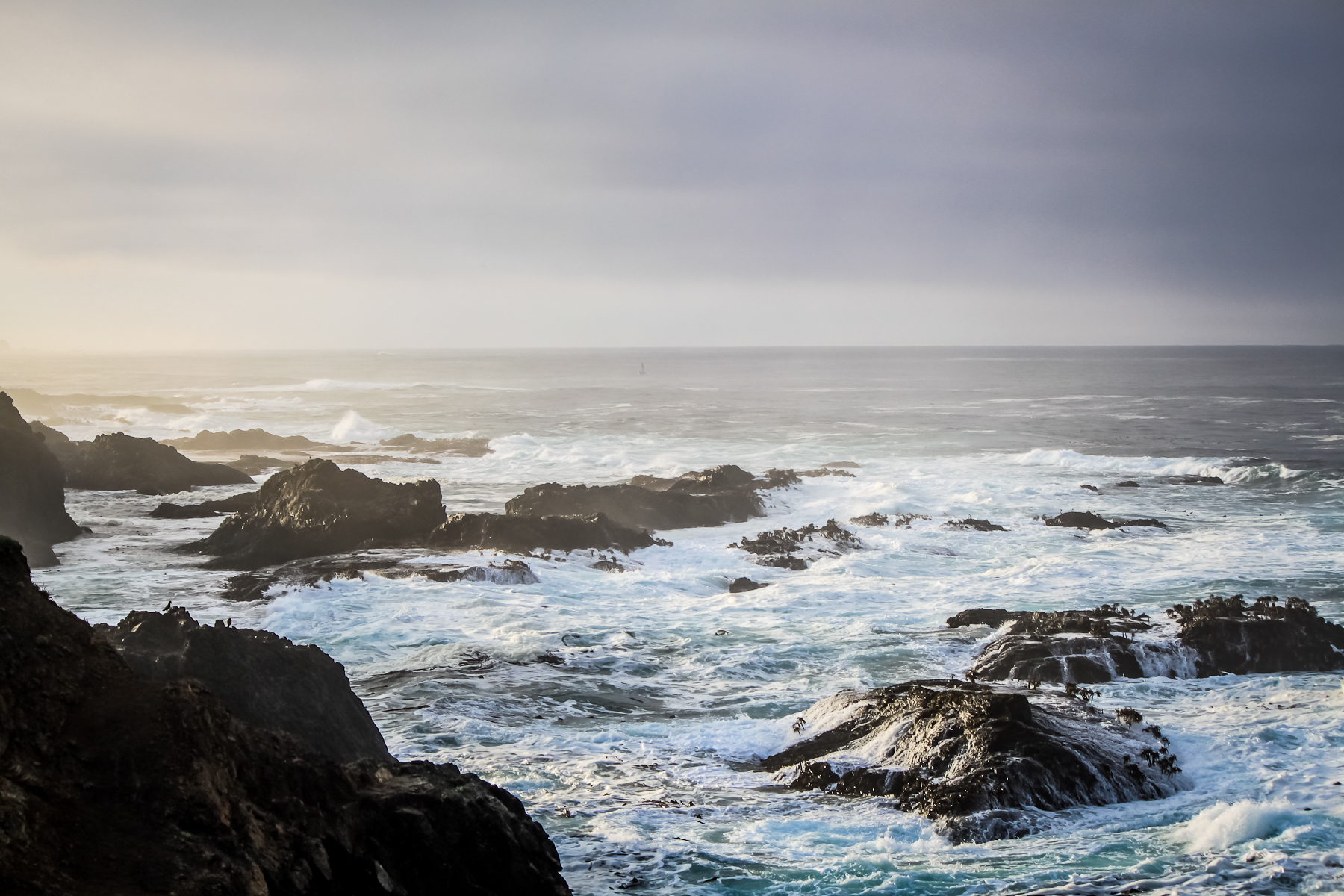
The coast, a short walk from the Glendeven Inn

CHOOSING A RETREAT

Mendocino County is home to a number of boutique inns, B&B’s and small hotels which take hours to wade through when choosing accommodation online. Although I spend an obscene amount of time researching where my head will lie at night, I inevitably discover places I didn’t come across online, while visiting in person. The following list of properties was culled from my online research paired with visual confirmation of each place.

A note about my search criteria: I am somewhat value oriented (different than cheap) when picking a property. I don’t want to overpay for a pedestrian room (who does?)  I generally look for lodging that is between $150 and $225 (if that is the average range for the region) that offers modern renovations with a unique perspective: A renovated farmhouse or a Victorian home with updated furnishings and lavish breakfast.
I also don’t like cookie cutter or corporate (usually synonymous) hotels, so I rarely stay at chain properties unless we are traveling on points in a horribly expensive area.  I also love the concept of B&B’s, but don’t want to sleep in Aunt Sarah’s bedroom.  The goal is to find the perfect blend of contemporary and charming; unique and “reasonably” priced.

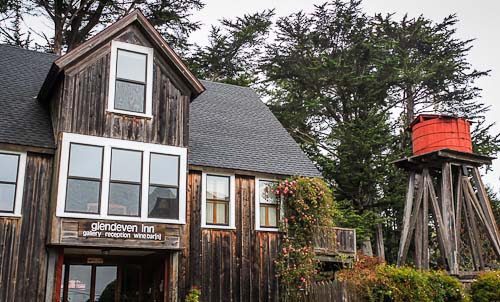
GLENDEVEN INN

The wine bar(n) offers tastes of local wines

This inn beat all the others, having met all the criteria listed above.  We paid $215 w/tax for a lower-priced room (not the cheapest), in November.  The property is modern, renovated and charming.  The owners converted a barn into a wine bar that features regional wines, as well as host a farm-to-table dinner three nights a week. When the innkeepers care about wine and food, it is generally reasonable to assume they care about the rest of the property.

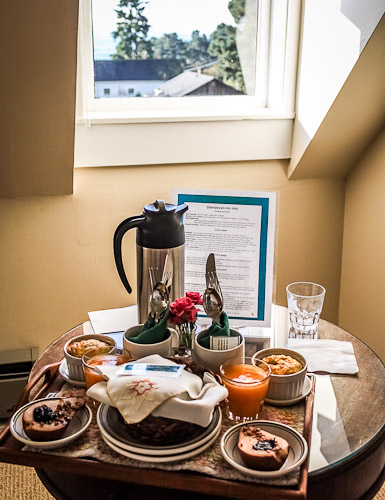
Breakfast with a small view at Glendeven

We partook in the evening dinner which was fantastic and absolutely worth the price at $65/person (coming from an NYC dining perspective).  There were several courses which included use of the region’s famous candy-cap mushrooms plus wine pairings.  Dinner begins at 6 pm and only accommodates 12 guests, creating a very intimate but jovial atmosphere. The owner John, after learning I was interested in wine, pulled out several more bottles from his personal collection.

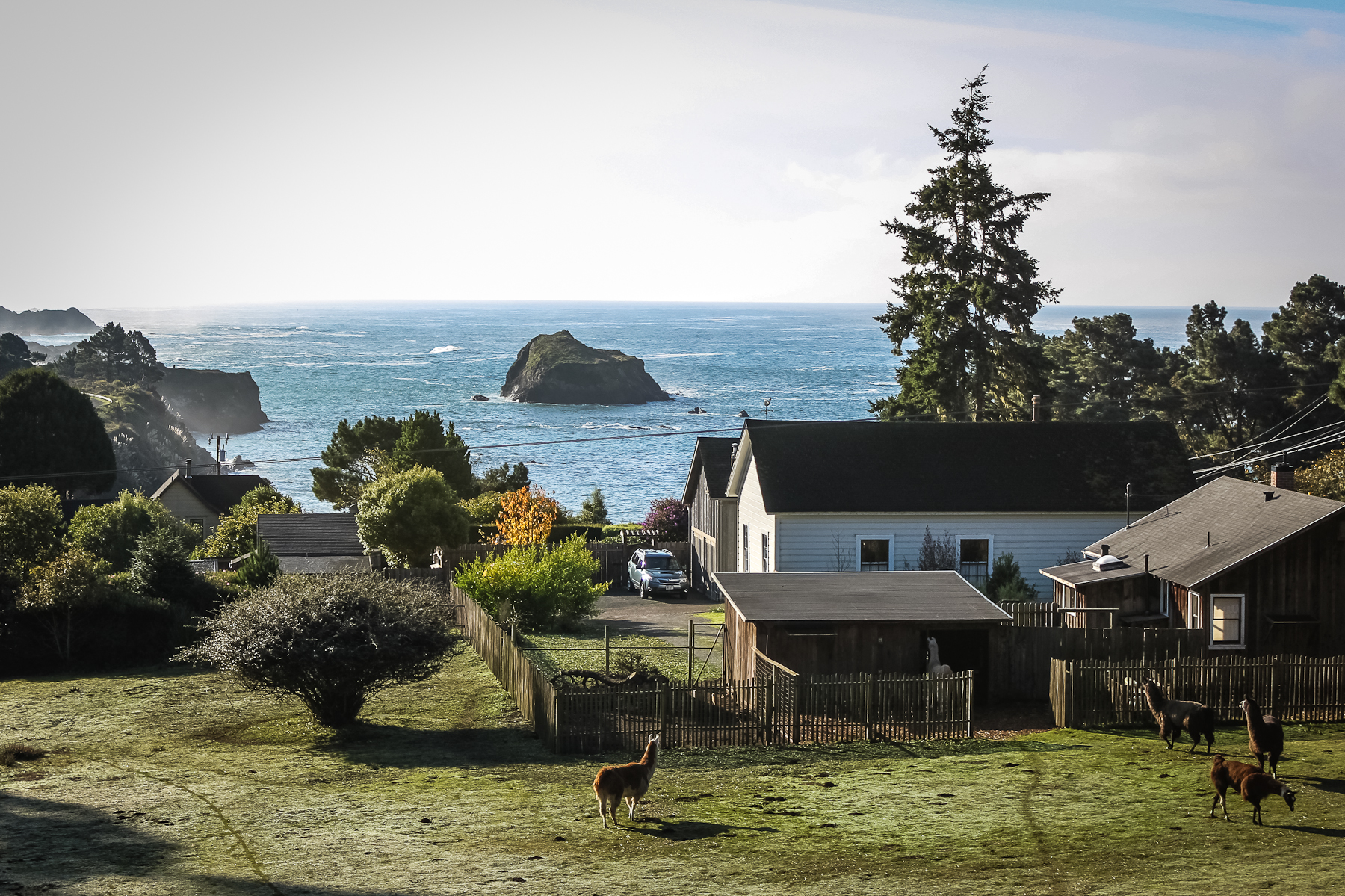
We loved our high floor Garret Room with view of the ocean and llamas in the backyard. The breakfast was lovely and served at the breakfast nook by our window.  Hot, freshly baked scones and cream were served alongside fresh squeezed juice, baked pears and a savory egg dish.

A view to a llama

OTHER LODGING

We did not stay at any of these properties; they merely looked promising online and in-person.

Albion River Inn– This was my second choice based on the price for a cliff-side cottage with gorgeous ocean views.

Stanford Inn

Brewery Gulch Inn

Stevenswood

Little River Inn

Cottages at the Little River Cove

Boonville Hotel– This property is located in the Anderson Valley in Boonville.  A good option if you want to stay closer to the wineries, albeit not necessary.

2 Comments

Filed under Mendocino and Anderson Valley