Let’s make a list of our favorite things: Wine (Always #1). Food (Close 2nd). Sunshine followed by Sunset. Charity. Tented events held in the Hamptons. Yes, that sums up the potentially fabulous event on Saturday, August 25th, 2012 from 6-9 pm in Bridgehampton that is Harvest East End. Nearly 40 wineries from Long Island will showcase 200 plus wines, including unreleased barrel samples; 30 restaurants will provide tastings of their latest creations; and all of this bounty will be offered in the spirit of charity to benefit East End Hospice, Group for the East End & Peconic Land Trust. A few tickets are still available online and at the door for $150. See you there!
New York Wines hit Chinese Shores
I can’t stop reading and thinking about China and wine. Perhaps topical stories are catching my eye, since I am tuned into the subject due to my visit to China in June; nonetheless, I have discovered another new development. It seems the looming tidal wave of Chinese wine consumption has finally reached local NY shores—or rather, we have gone to theirs, hoping to catch a ride in on the money wave: New York State Wine Outlet opens in Shanghai! Unfortunately, my visit was a month before the opening of this exciting experiment, or else I would have liked to see how the Chinese represent NY wines to the local populace. Currently, Chinese wine consumption is estimated at 1 measly bottle a head per year (I know some people who can put one back in a night—not good either though). This figure may sound small, but there are 1.3 billion humans over there, and consumption and income are ballooning.
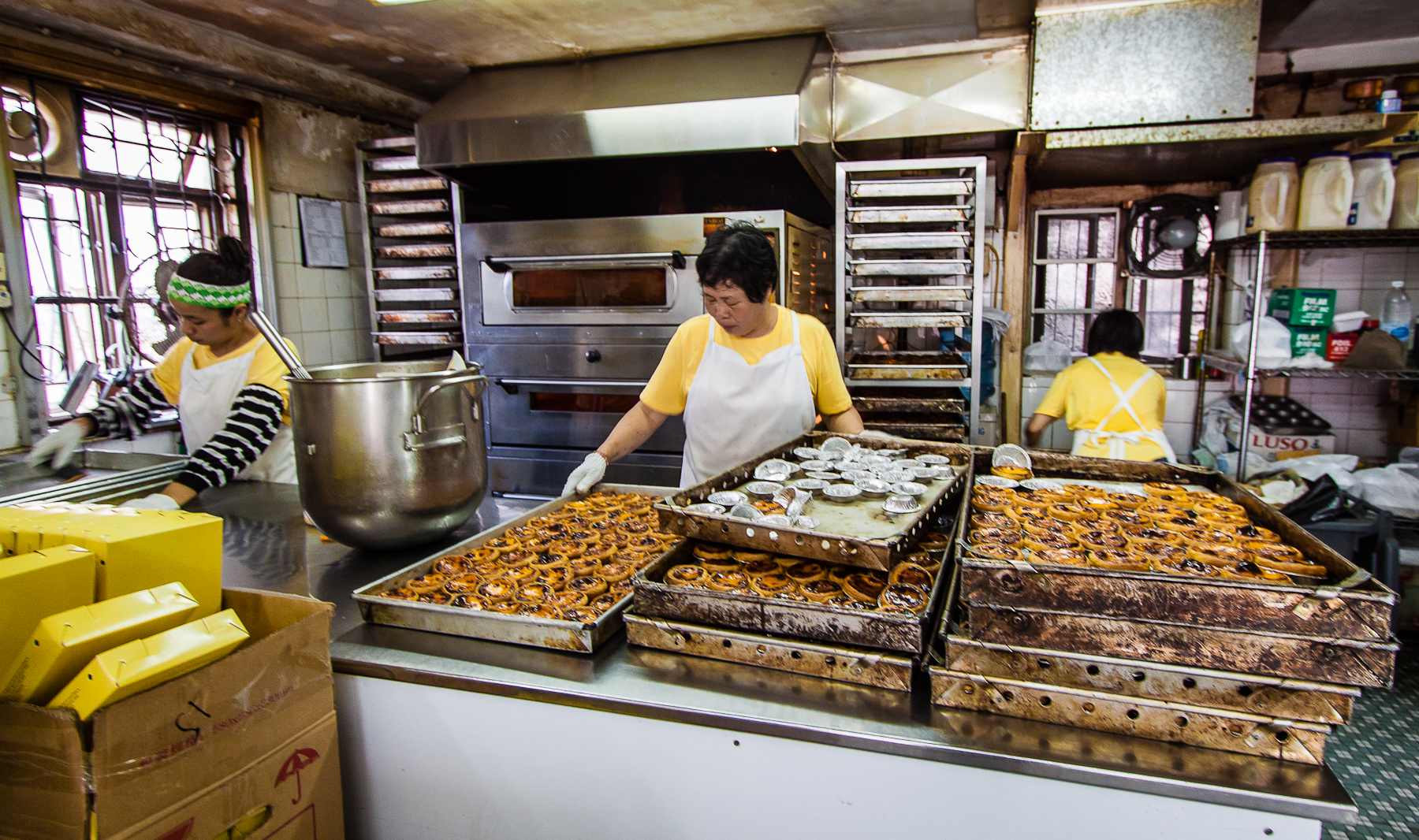
It seems, rightfully so, that New York wants a slice of the egg custard (particularly if it is from Lord Stow’s in Macau. Me too!) Empire State Cellars (the only all NY wine store), owned by Peconic Bay Winery in the North Fork, was commissioned with creating an assortment of 30 wines representative of different regions and styles from NY State. Wineries that comprised the initial shipment included: Anthony Road Wine Company, Bedell Cellars, Channing Daughters Winery, Hudson-Chatham Winery, Jamesport Vineyards, Medolla Vineyards, Paumanok Vineyards, Peconic Bay Winery, Shaw Vineyard and Shinn Estate Vineyards.
The Outlet itself is meant as a resource for trading, selling and showcasing NY wines plus the venue will host trade shows, promotional events and matchmaking (no, not like Elimidate) for distributors and buyers. Why is this exciting beyond merely the opportunity for New York to stake a claim in unchartered China? It was only a decade ago that NY State wines lacked the quality-price ratio (QPR) to compete nationally, let alone globally. I am sure many will pick a bone with that statement, but I stand by it having spent more than a decade tasting and mostly spitting the wines. However, in the last 5-6 years the vino has improved tremendously across the board; call it better weather (global warming) or better technique, or both. Either way, the price points look much more reasonable when the juice in the glass has balance, complexity and is delicious to drink.
So, what does the New York State Wine and Spints (yes, not Spirits) website look like? Kind of hilarious. Having just come back from China, I am familiar with the theme of poor Chinese –English translation and spelling, coupled with jumbled site design. They definitely have some work to do on the NYSWO website. For instance, some of the NY wineries have their names misspelled: sparking ponte vineyards should be Sparkling Pointe and lieb family cellards is, well, obvious. Also, content was lacking and functionality was off. I was the 76th visitor; my husband, 15 minutes later, was the 72nd. Maybe they are counting down from a million and #1 will win a prize! I applaud the efforts here, but wonder why winemakers stateside aren’t insisting on a few fixes, given there is a large population of English speaking expats in Shanghai. Maybe the Chinese version of the site looks better-unfortunately, I can’t read it!
Filed under China, New York, NY Wines hit Chinese Shores
Unscrewed: 5 New York Rosés to drink before they are gone
If you didn’t see my Village Voice column “Unscrewed” last week, here’s another opportunity to find out 5 of my favorite New York rosés from Long Island to catch before summer ends. Hurry, only another week before Labor Day! Of course, you can drink rosé all year in my opinion.
As summer winds down (or up, depending on your plans), it’s time to celebrate the pink drink that fuels fantasies of seaside, Provençal retreats. If I had a garden hose that spouted such watermelon-hued berry bliss, I would fill a pool and host a fête. Alas, no such aquifer exists; the best we can do is visit the gorgeous vineyards of Long Island or pick up some chilled bottles and take the party to Sheep Meadow — discreetly, of course.
A chilled glass of rosé appeals to drinkers of white and red — it refreshes while offering fruit and body to pair with all manner of foods. Wolffer Estate in Bridgehampton might be the most prolific and well-known rosé producer out of the East End, but there are many others to seek out. Below are my five favorites to enjoy right now, before summer’s end.
Keep in mind that though our demand for rosé has grown, local production remains small. A helpful note on finding my five picks: You can buy them directly from the wineries (in-person or on their websites), try your local wine store like Astor Wines and Spirits in NYC, or check out Empire State Cellars (the only all NY wine shop) which ships to NYC for a flat $10 fee.
![]() |
| Lauren Mowery |
Channing Daughters (South Fork) 2011 Rosato di Lagrein ($20). Purplish-pink and brimming with flavor, this dry, 100 percent Lagrein rosé is crisp, floral, fruity, and spicy, all in one sip.
Channing Daughters made eight variations of rosé, both from well-known grapes such as Merlot to more esoteric varietals (at least for Long Island) like Lagrein. Hues range from pale tangerine to pink flamingo, and are as pretty sitting on the table as they are in the glass. Tastings are inside at the bar, but there is a shaded patio that faces the vineyards with several benches. About half the rosati are sold out, so check their website. Channing Daughters focuses largely on Northern Italian varietals and has an intriguing lineup of whites, reds, and orange wines to explore, should you (gasp) tire of rosé.
![]() |
| Lauren Mowery |
Peconic Bay (North Fork) NV Nautique Esprit de Rosé ($9.99). 50/50 Cab Sauv and Cab Franc, this dry, medium-bodied wine is redolent of muddled strawberries, dried herbs, orange peel, and tea leaves.
Peconic features an indoor tasting bar and outdoor, shaded patio with plentiful seating, and live music on weekends. In addition to the Nautique rosé, a great value at $9.99 (or $99 a case), I highly recommend their whites. The Riesling and Gewurztraminer are exceptional North Fork examples of these grapes.
![]() |
| Lauren Mowery |
Paumanok (North Fork) 2011 Dry Rosé ($17.99). A blend of Cab Sauv, Cab Franc, Merlot, and Petit Verdot. Pale persimmon in color and highly aromatic, with pronounced strawberry-rhubarb notes on the refreshing, zippy palate.
Paumanok has a large deck overlooking the vineyards and allows outside picnic food. They have a well-regarded lineup of whites and reds, including a Chenin Blanc. Their Tuthill Lane reds are great examples of the depths Merlot and Cabernet Sauvignon can reach in Long Island in an excellent vintage, albeit pricey at $60 a bottle.
![]() |
| Lauren Mowery |
Mattebella Vineyards (North Fork) 2011 Dry Rosé ($18). Mostly Merlot with a splash of Cab Franc. This dry, pale pink, lighter-bodied wine smells and tastes like a garden in full-bloom showing herbs, flowers and plump, red fruits with balanced acidity.
Mattebella evokes a lawn party at a friend’s rustic country cottage, with a smattering of tables scattered outside. The owners are hands-on and friendly, and will happily share with you the joys and frustrations of owning a vineyard. They make several other wines, including Chardonnay and old-world-style red blends. The 2011 rosé was picked up by Jean-George Vongerichten’s flagship restaurant as the house pour.
![]() |
| Lauren Mowery |
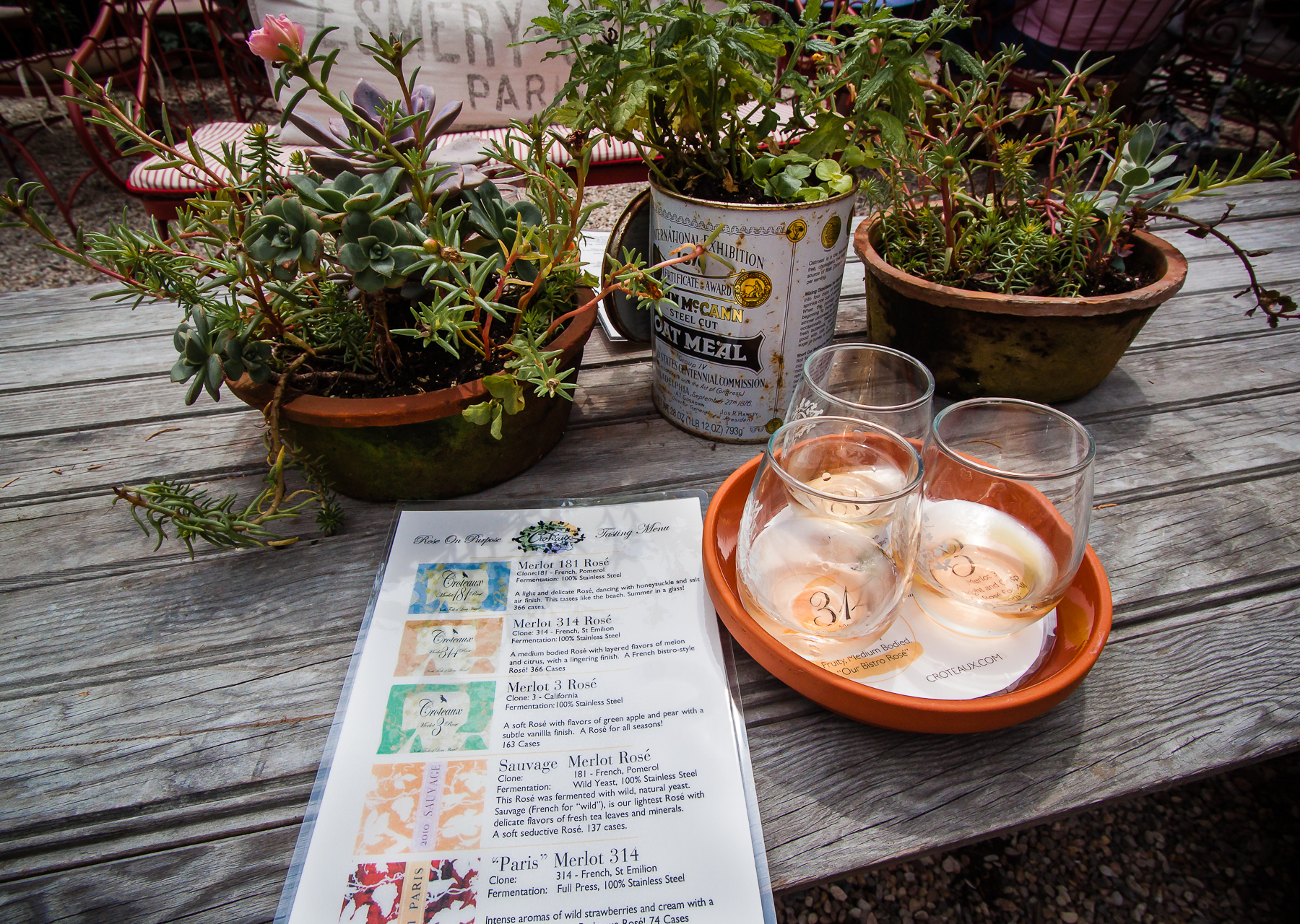
Croteaux Vineyards (North Fork) 2011 Merlot 314 Rosé ($19). Salmon-hued, medium-bodied, and dry, this juicy, merlot-based wine shows notes of melon, apple, dried lavender, and roses, with sea-salt woven throughout.
Specializing in rosé only, Croteaux made 12 versions for 2012. Their tasting garden is gorgeous — think romantic French countryside. Prices range from $19 for their signature merlot based wines up to $30 for fuller-bodied versions. Croteaux is releasing a new rosé at the end of summer called Voyage for only $16. Yay, rosé in the fall!
Dog owners should note that Croteaux Vineyards, Peconic Bay, Paumanok, and Mattebella Vineyards are all dog friendly!
Filed under Unscrewed
What I Drank- Valsacro Rioja “Dioro” 2005
Valsacro Rioja “Dioro” 2005 made the sale rounds several months back, showing up at drastically reduced prices on Lot 18, Wine.com and my go-to guy, Garagiste. With a suggested retail of $50-$60, but offered at the crazy tariff of $19.99 by Garagiste, I felt compelled to give it a try. I don’t care much for scores, so I relied on the detailed winery and tasting notes to convince my trigger finger (or rather a left-click of the mouse) to order a bottle. Valsacro Dioro is still available on wine.com for $24.99, as well as a smattering of other smaller shops for $19.99, found using wine-searcher.
Dioro is the premier bottling out of the new Valsacro winery, built by the Escudero brothers in the Baja region of Rioja. The brothers, once under the tutelage of their father, broke free of his small, traditionally minded bodega in order to pursue their own modern-style of winemaking. The Dioro is a blend of Graciano, Tempranillo, Carignan and Garnacha, and is the result of a rigorous grape selection process, followed by 12-14 months in the winery’s best French oak barrels.
I love the vibrant, inky-purple depths of color in my glass; we wine drinkers sometimes mistakenly believe deep color will reveal intense flavor, but in this case, the foreshadowing was dead on. The palate is dense, sexy and velvety-smooth, with traces of smoked meat, pepper-spice and a cornucopia of black fruits. Juicy, balanced and heavenly if you can get it for $19.99.
Filed under Valsacro Rioja "Dioro" 2005, What I Drank
Where I am going: The North Fork
NORTH FORK BOUND!
One benefit of being a NYC dweller is the plethora of vinifera vines planted in our backyard, albeit one that requires an hour and a half drive to play in. What began as one vineyard planted in 1973 by the Hargrave’s—now known as Castello di Borghese—has bloomed into 60 vineyards and 56 wine producers. Last week, in my Village Voice column Unscrewed, I espoused the tenet of touring the North Fork to other NYers. Heeding my own advice, I composed a 3-prong plan to update myself on the greatest hits of the region, results to be published on this blog. I have been tasting through the North Fork for the last 12 years of my Manhattan residency, with both good, great and seriously lackluster results. Overall, the wines have consistently improved; but each vintage brings new weather and new players, so keeping abreast of change is an ongoing job that someone must do, and I have volunteered myself for the task. Below is a partial list of the wineries I am including in each taste-a-thon.
Part 1: Croteaux, Sparkling Pointe, Matebella and Anthony Nappa’s Wine Studio.
Part 2 tentatively includes: Clovis Point, Paumanok, Lieb Cellars, Shinn and Peconic Bay.
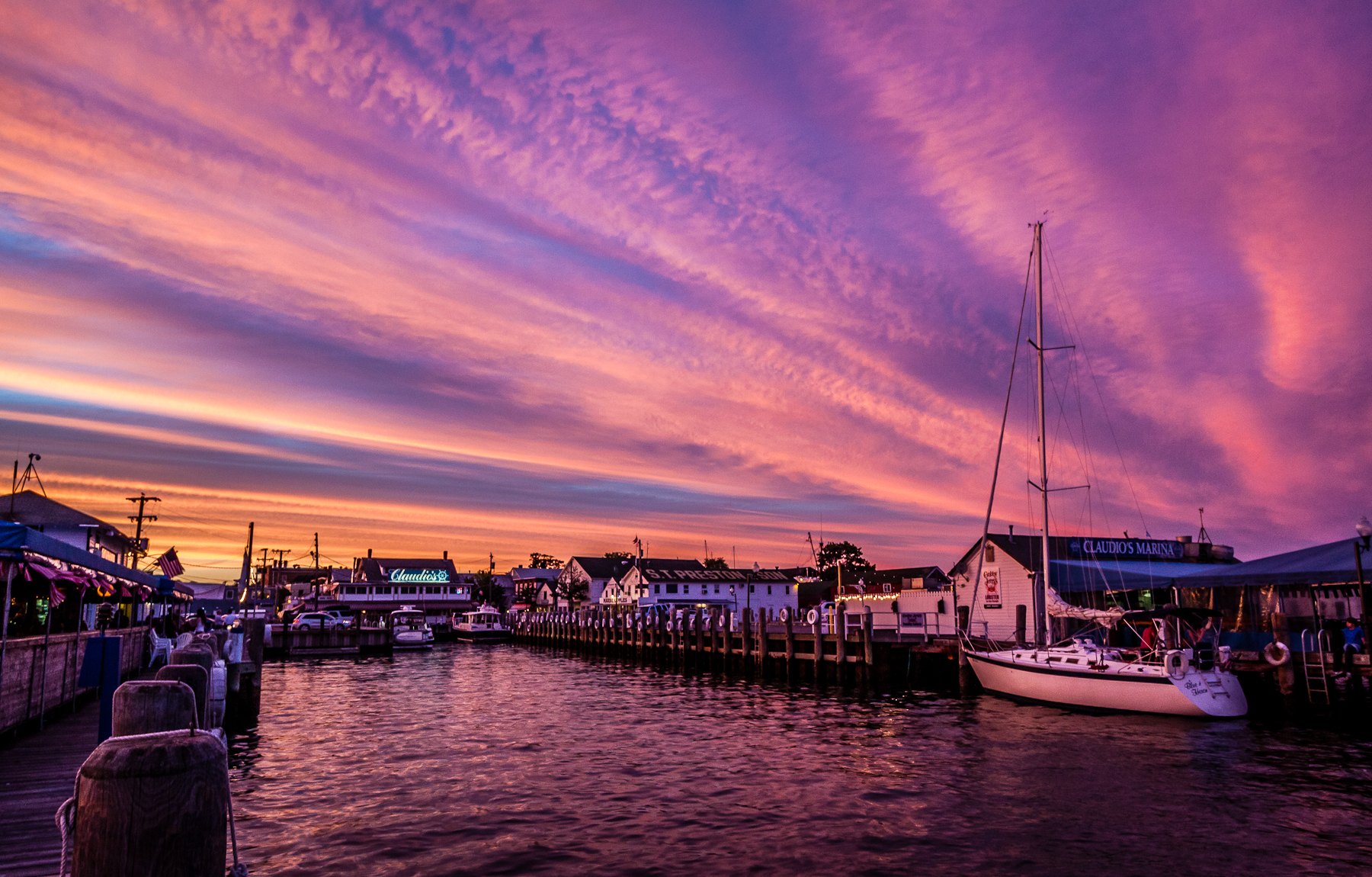
Part 3 will be a mop up of the rest. And of course, every tasting day invariably ends with a Sunset & Steamers session on the Pier at Claudio’s. Last week’s sundown was a stunner!
Filed under North Fork, Long Island, Where I am Going
Unscrewed: Ten Tips for Wine Rookies
Perhaps you have seen my new gig at the Village Voice as weekly wine columnist for Unscrewed. If not, here is my first post—ten tips for improving your personal wine program.
http://blogs.villagevoice.com/forkintheroad/2012/08/10_tips_wine_rookies.php
1. Be curious. There is no shame in learning, only in pretending to know what you don’t.
2. Order stuff you can’t pronounce. Or rather, don’t not order wine because you can’t eloquently articulate the name. I took Spanish, not French, and I certainly didn’t study Greek (Agiorgitiko: I can finally say this one–a-your-yay-teeko!) The sommelier and store clerk don’t give a crap if you mispronounce something and are more likely thrilled they can share their wine geekdom with someone.
3. Drink more white wine. Drink it in the winter. Drink it with meat (maybe not with a porterhouse). Whites can be amazingly complex or lovely for their simplicity. They are better for sipping than reds, which often need food to shine due to their tannins.
4. Treat yourself. Every now and then, spend a little more on your vino. I’ll be suggesting wonderful, inexpensive bottles here, but keep in mind that many small wineries that make interesting wines can’t afford to sell them to us for $9.99.
5. Don’t drink trendy wines. Just because celeb-driven restaurants and bars push certain brands at 20x wholesale (Hello, Whispering Angel?), doesn’t mean the wines are higher quality. Drink a wine because you like it.
6. Visit local wineries when you travel. This adds a fun dimension to your trip, gives you a local’s insight to the region — winemakers usually give great restaurant recs! — and you just might discover something tasty that you can’t find back home. Unless you are in New Jersey. They still haven’t figured out how to make tasty wine there. Sorry NJ!
7. Take a trip to the North Fork. We have wine country in our backyard, less than two hours away, and some of the wines are pretty darn good.
8. Taste a new varietal. Put down that Cab Sauv from California! How about Plavac Mali from Croatia? Hárslevelű from Hungary? Or something less challenging and easier to find, like Australian Riesling?
9. Try new regions. Italy alone produces hundreds of varietals beyond
Nebbiolo and Sangiovese. Tuscany is great, but so is Friuli. And Puglia. And Trentino-Alto Adige. Ask your favorite wine shop to help you on this quest.
10. Have fun! Wine isn’t meant to intimidate you. Even a Master of Wine can’t taste and recollect every wine in the world, so nobody expects you to either.
Filed under Unscrewed
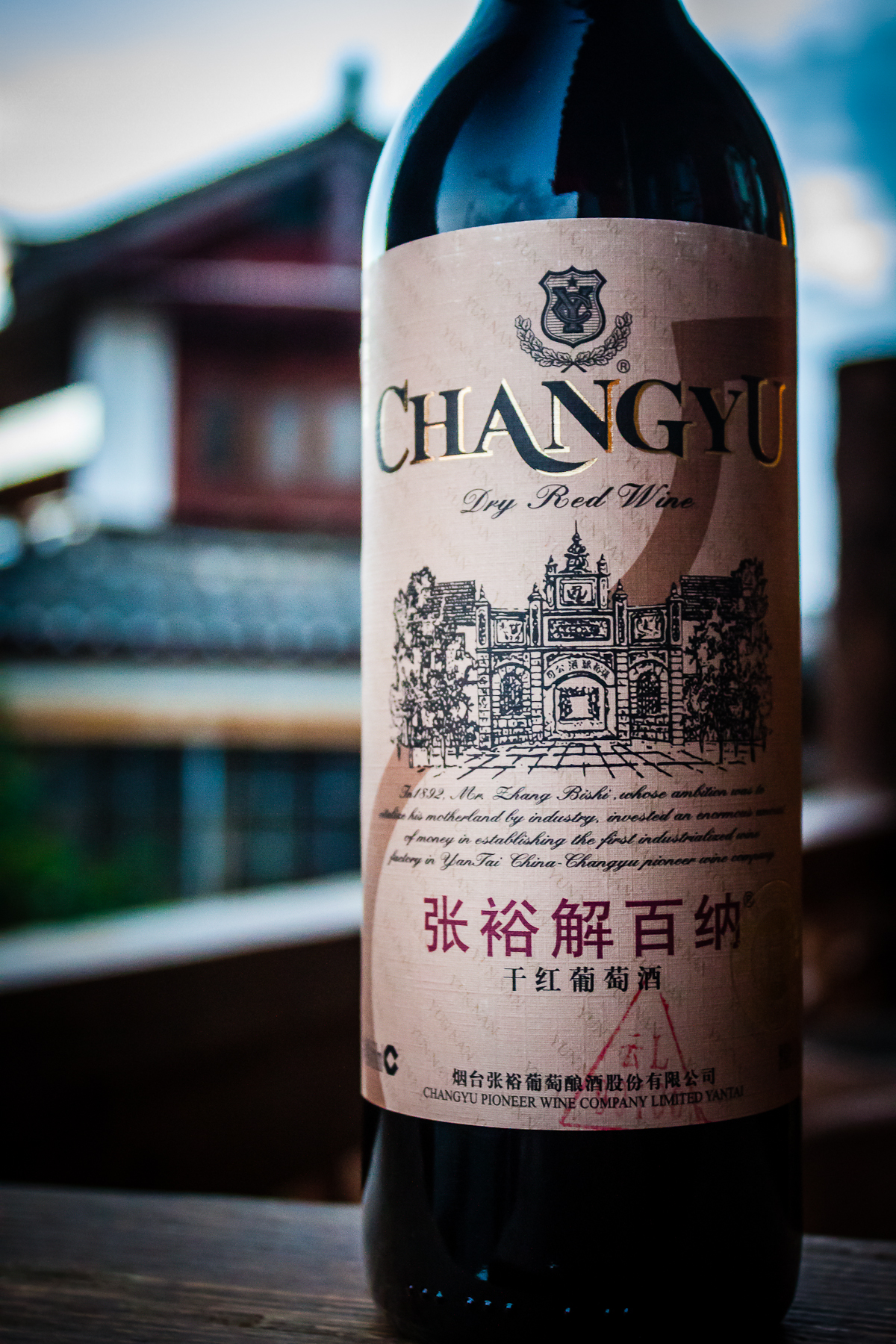
What I Drank – Changyu Dry Red Wine, Vintage Unknown
I planned to write a simple tasting note on the single bottle of Chinese wine I drank in China, while providing background info on the producer. While looking up the winery Changyu, however, I came across a few random pieces of info on the ‘nets that struck me as comment-worthy.
1. Changyu winery just celebrated 120 years of wine-making. What? Maybe they were fermenting Snake Wine, but I highly doubt they have been producing Bordeaux-esque, barrel-aged wines for ONE HUNDRED AND TWENTY YEARS. Well, I looked it up and YES, technically the winery and cellar were built in 1892, but they had a hell of a time producing anything worthy of consumption. In 2002, the French Castel Group teamed up with Changyu to create the first professional Chateau in China. I guess I should retract my affront and at least give them credit for being first in trying to establish a vineyard in a non-wine drinking country (at the time). And if that didn’t blow your mind, how about this: Changyu is now the 10thlargest wine producer in the world! So many new (scary?), random facts learned today. Here come some more…
2. Changyu winery announced plans at their 120th anniversary gala to build a wine theme park, twice the size of Monaco. This “Winetropolis” would include such delights as a “wine-themed tourist town”, a vineyard, a shopping street, wine spas, bars and a chapel. Yikes. Having just returned from China and seeing the utter destruction done by the domestic tourism industry to both the natural environment and China’s ancient cities, this scares the crap out of me. Seriously–the whole country is going full-Disney. Why can’t domestic tourists embrace the natural beauty of their country?
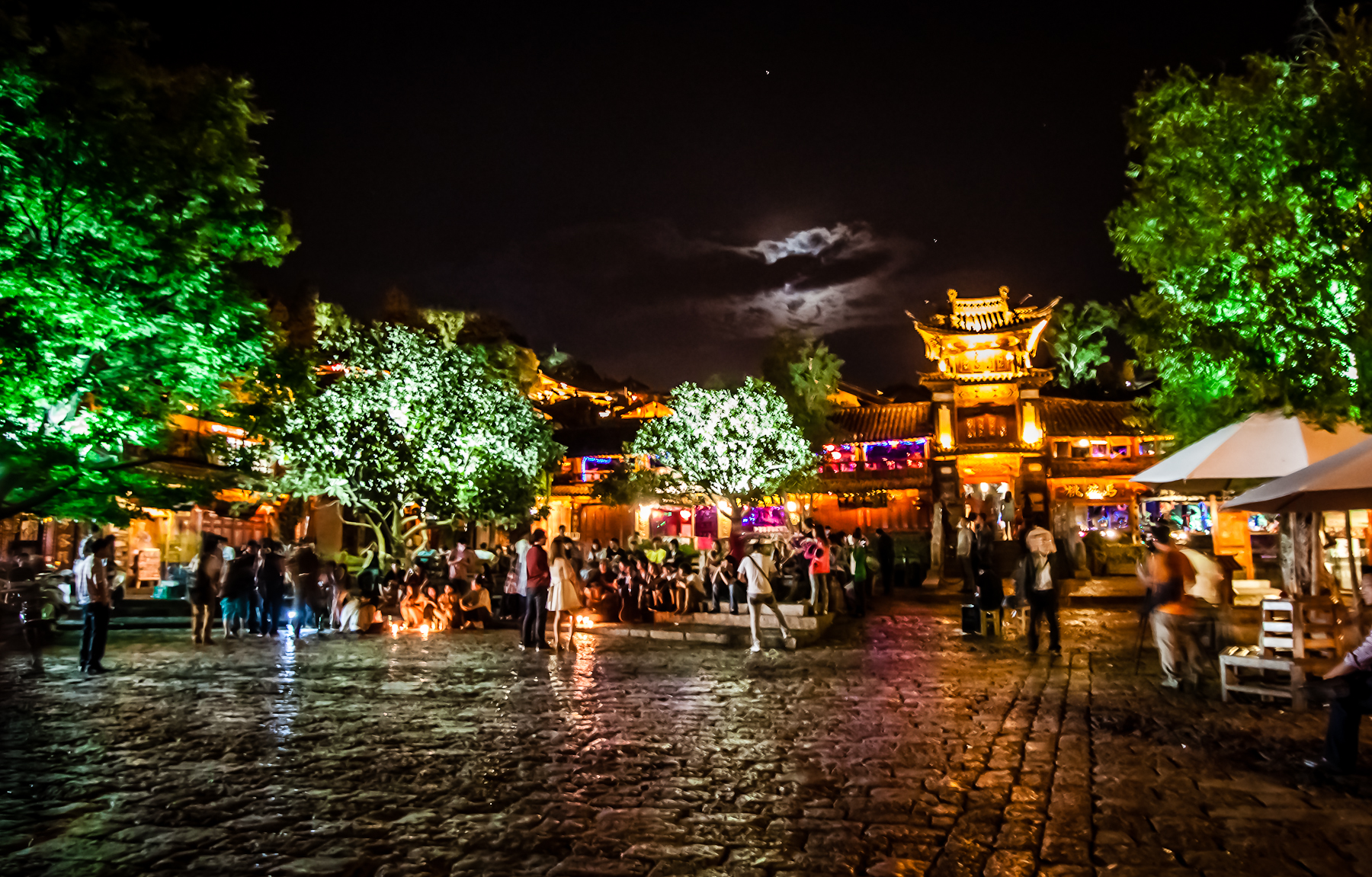
Imagine putting up fluorescent, multi-colored high-beams all around El Capitan in Yosemite National Park, then holding a nightly song and dance show at the base of the mountain, set to David Guetta, using workers bused in from Appalachia, forced asked nicely to prance around in fake Native American garb, all while selling out of tickets to this disaster EVERY NIGHT; followed by a mass migration to the historic Ahwahnee Hotel, recently converted into a ginormous, disco-lit karaoke barn. This is the city of Lijiang, China.
3. A French Sommelier, while at the dubious 120th Anniversary tasting, apparently declared he was “glad to see that Changyu can produce great white wines, red wines, sweet wines and brandies—all different products but all at a very high level. They compete very well with the French wines.” Seriously? Who is this Sommelier Pierre Barthe, and what on earth is he drinking in France? Apparently an independent British wine consultant feels differently: “it (Changyu) has yet to improve quality in both its vineyards and winemaking.”
Oh, well. The world is officially insane. And with much ado about nothing, here are my tasting notes:
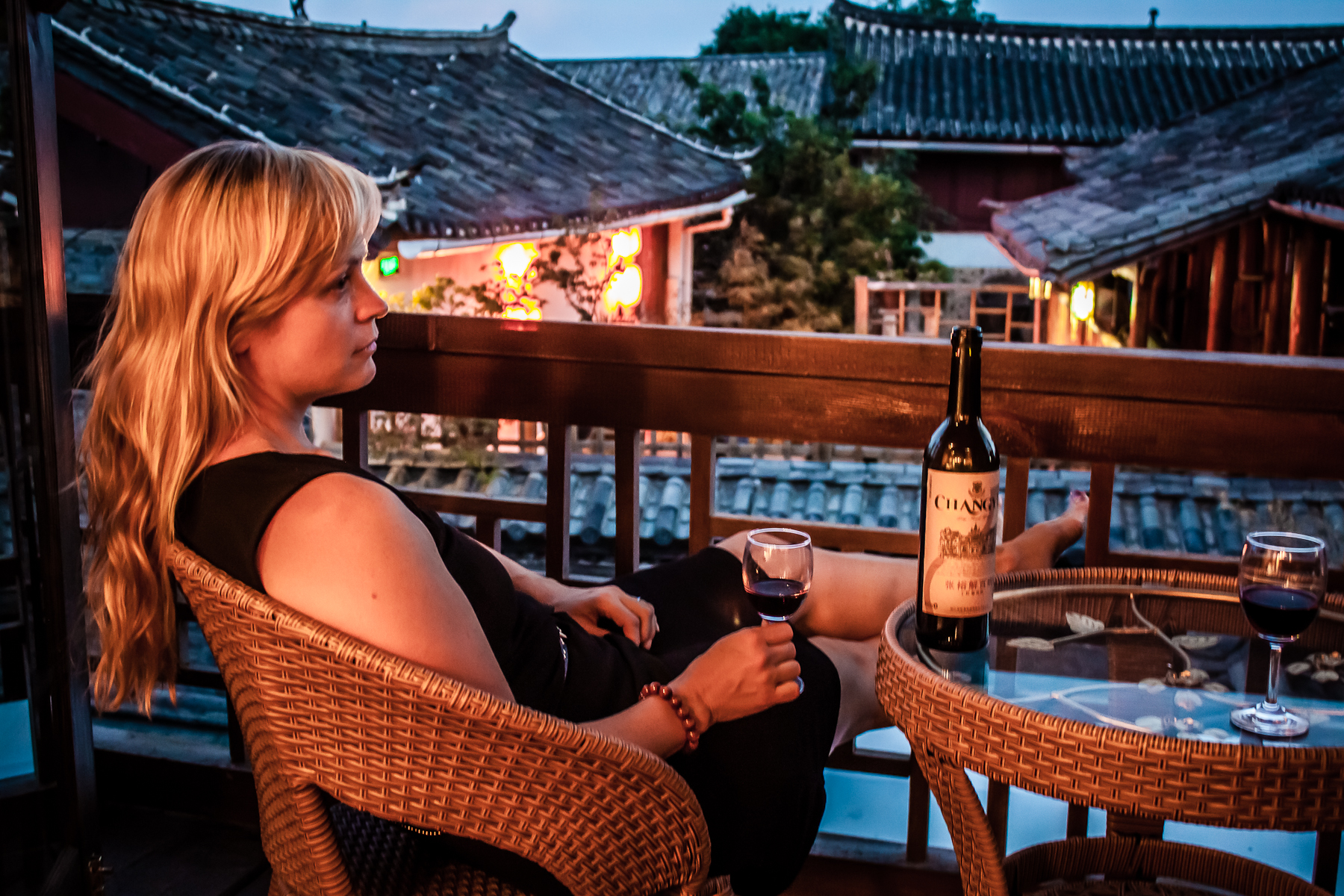
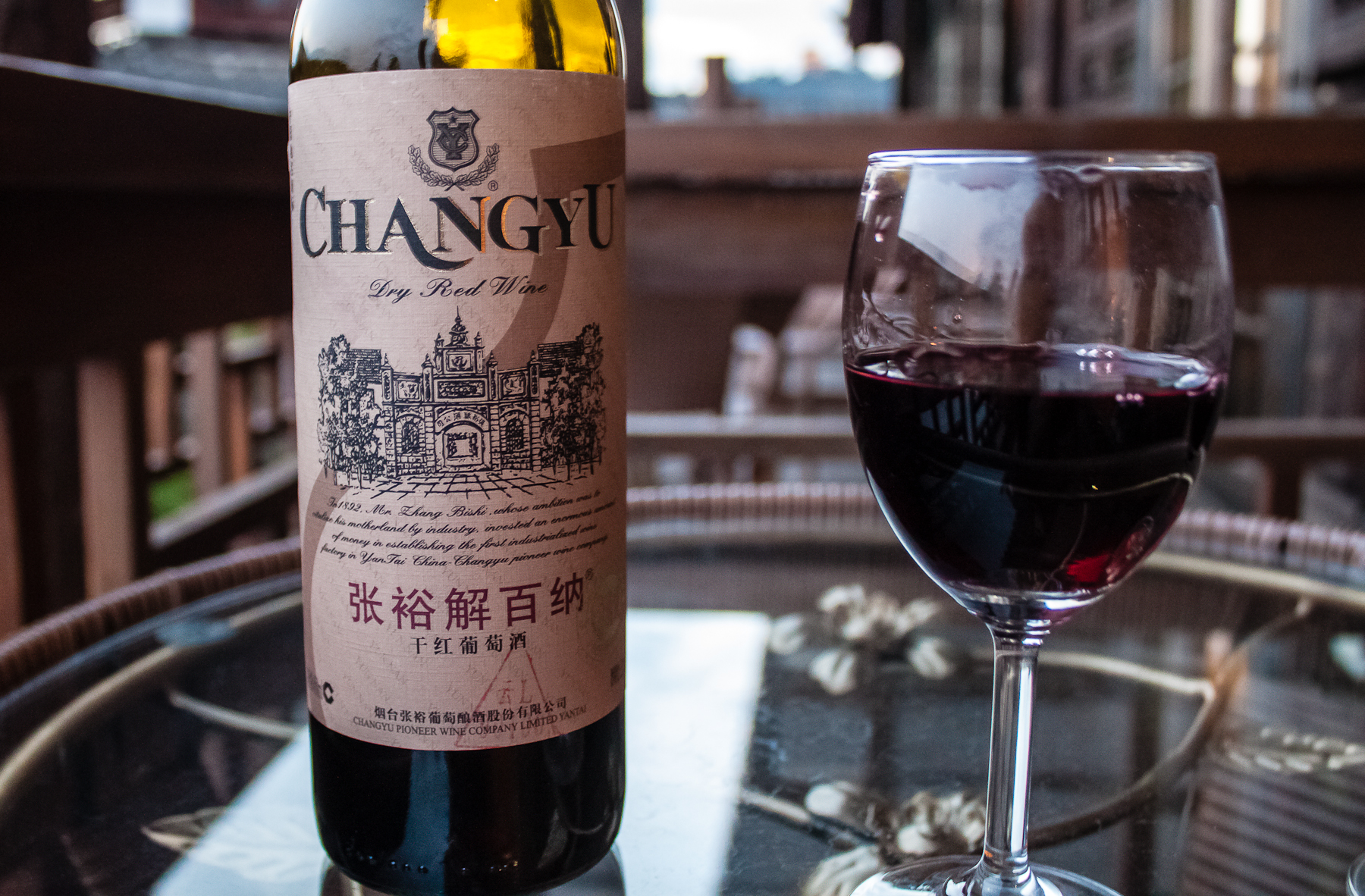
The wine draws a blank on the nose—very little aroma. There is some perceptible, pleasant red fruit on the palate, but nothing I could pick out of a gang in a fruit line-up. The wine has obviously had some oak treatment, reminiscent of a brown paper bag—possibly oak chips. The tannins are dry, a little scratchy but not totally offensive. Amazingly, this is NOT the worst wine I have ever had. For what it’s worth, we finished the bottle. Of course, my standards may have been lowered inadvertently as a result of the sh!tty-Chinese-beer-fatigue-syndrome I was suffering from at the time.
Filed under Changyu Dry Red Wine, China, What I Drank
From Snake Wine to Grapevine: Observations from the grape frontier of China
After spending the winter months at home in PJ’s, undergoing pre-China Pimsleur coursework, muttering out loud to my Doberman “wo bu ming bai” (“I have no idea what the heck you are saying to me”); followed by spring months honing my Putonghua with the dry-cleaner (who I later found out is Korean!), I have gone and returned from a 3 week jaunt across the mainland of China and Hong Kong; and since forgotten most of my Mandarin. What I did grasp came in handy and generally broke the ice with locals—apparently it was hilarious that I, the blond-haired, blue-eyed wife of a partially Chinese husband, traveling with my partially Chinese father-in-law, was the only one who could bust out phrases in the native tongue.
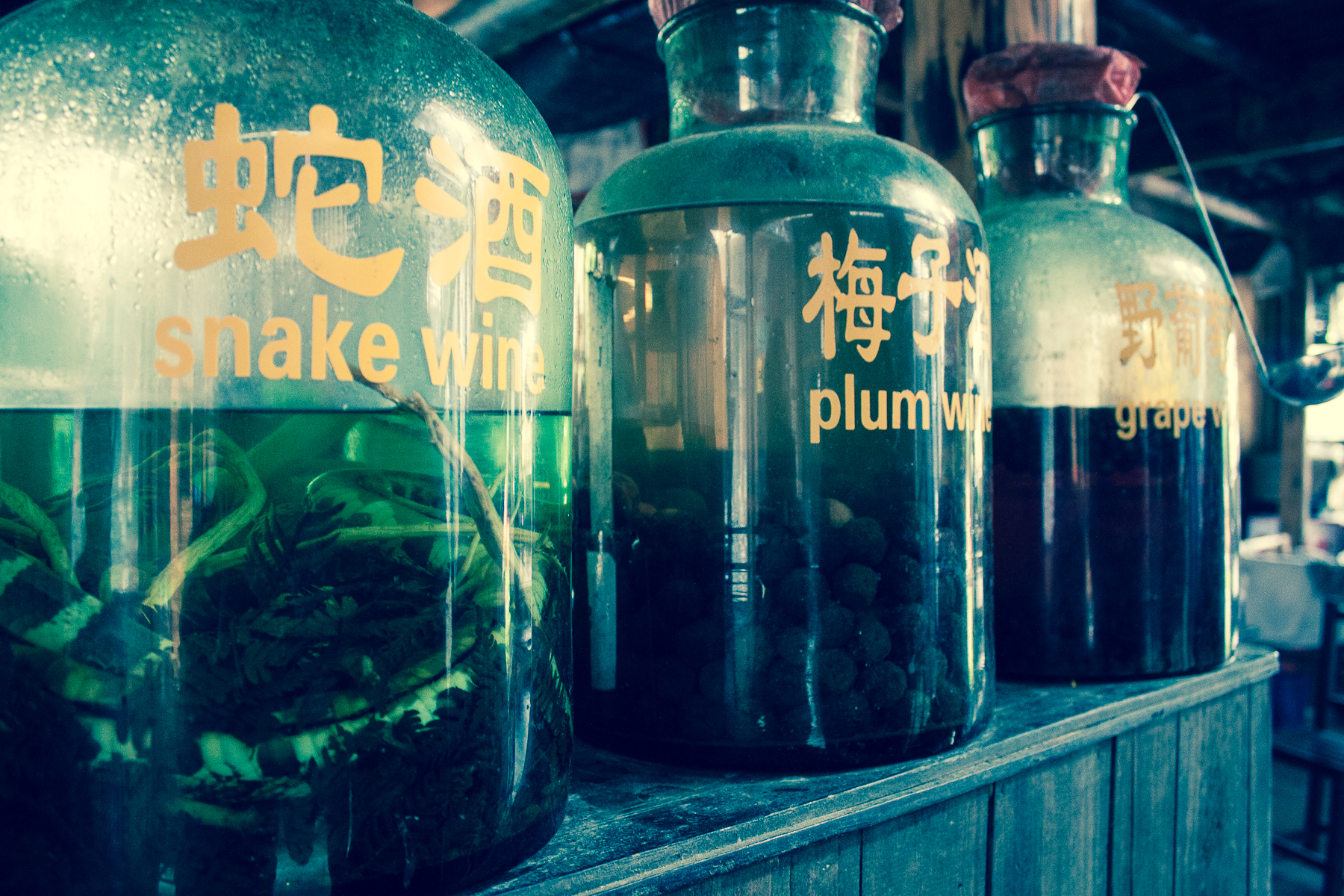
As far as my goal of grasping the state of wine culture in the Motherland, that was a little more difficult. The first half of the trip was dedicated to adventure travel: we traipsed through remote-ish places with limited exposure to modern wine culture (we still found weird, fermented “wines” such as made from snakes).
The second half was dedicated to the major cities of Beijing, Shanghai and Hong Kong, but we had my 80+ year old in-laws, in-tow, and they weren’t particularly interested in patronizing wine bars or the kind of restaurant that might have a wine list (we ate a lot of down and dirty—and delicious—food geared towards locals). Yet, despite what I can hardly consider obstacles, I was still able to bring home a few observations about the state of the wine market for the mid-level consumer from both a retail and Café/Restaurant/Hotel standpoint. If you read my piece on Where I am going: China, you will remember I offered some market analysis and speculation, largely based on my reading of 3rdparty resources. Now that I have had two feet on their turf, I thought I would follow-up with a few impressions:
- Wines are CRAZY expensive on the mainland. China’s import tariff is staggeringly high at 50%; despite the abolishment of such tariffs in Hong Kong, Central is still sticking it to the ZhongGuoRen consumer and businesses. This is a short-sighted strategy given the huge, potential market and money to be made, particularly if the duty’s purpose is protectionism—a failing proposition as evidenced in history.
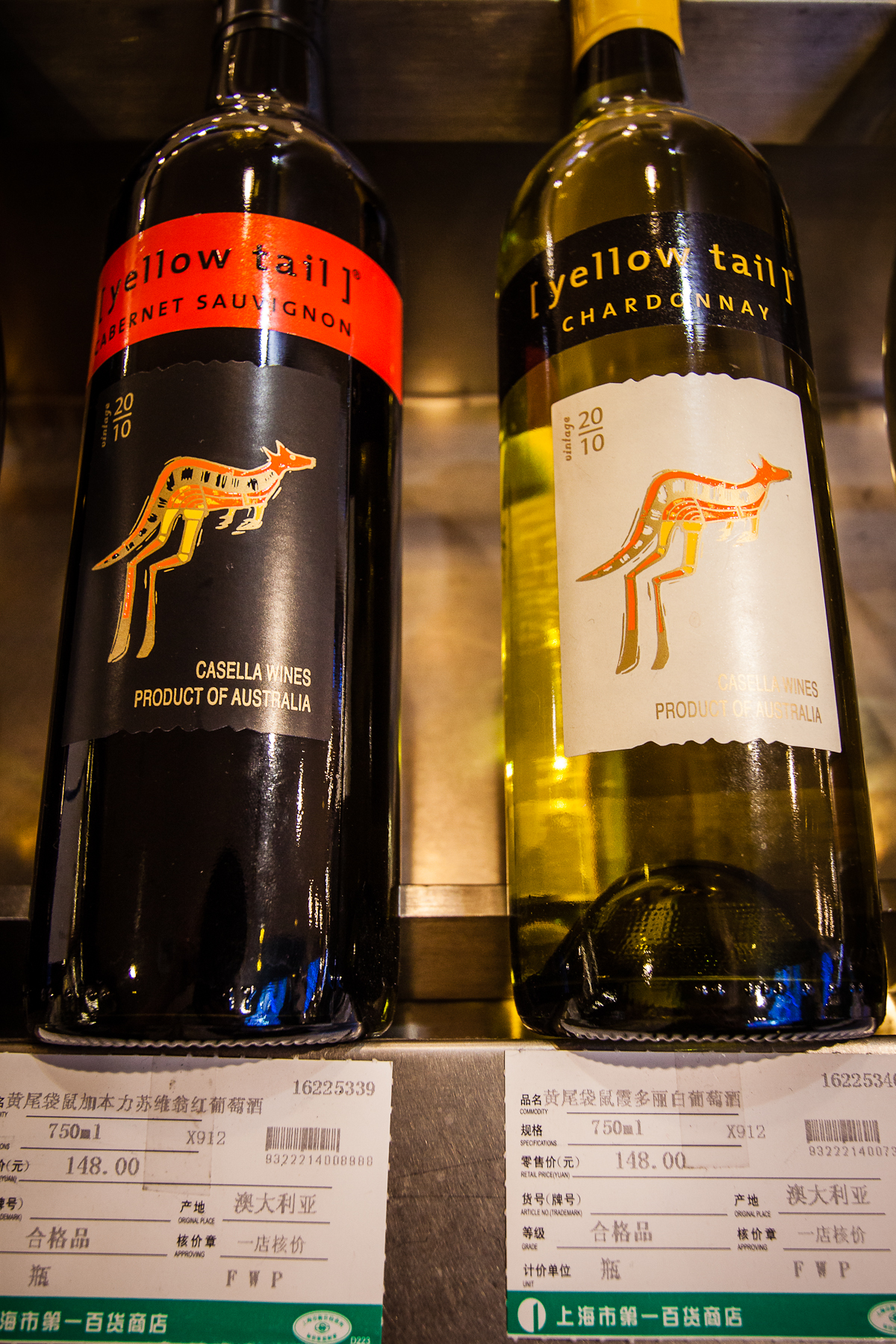
- Bottles that cost $10/20/30 in the United States sold closer to $30/60/90 in groceries or department stores. Yellowtail priced at $7 bucks in the United States, cost over $22 in a Shanghai shop.
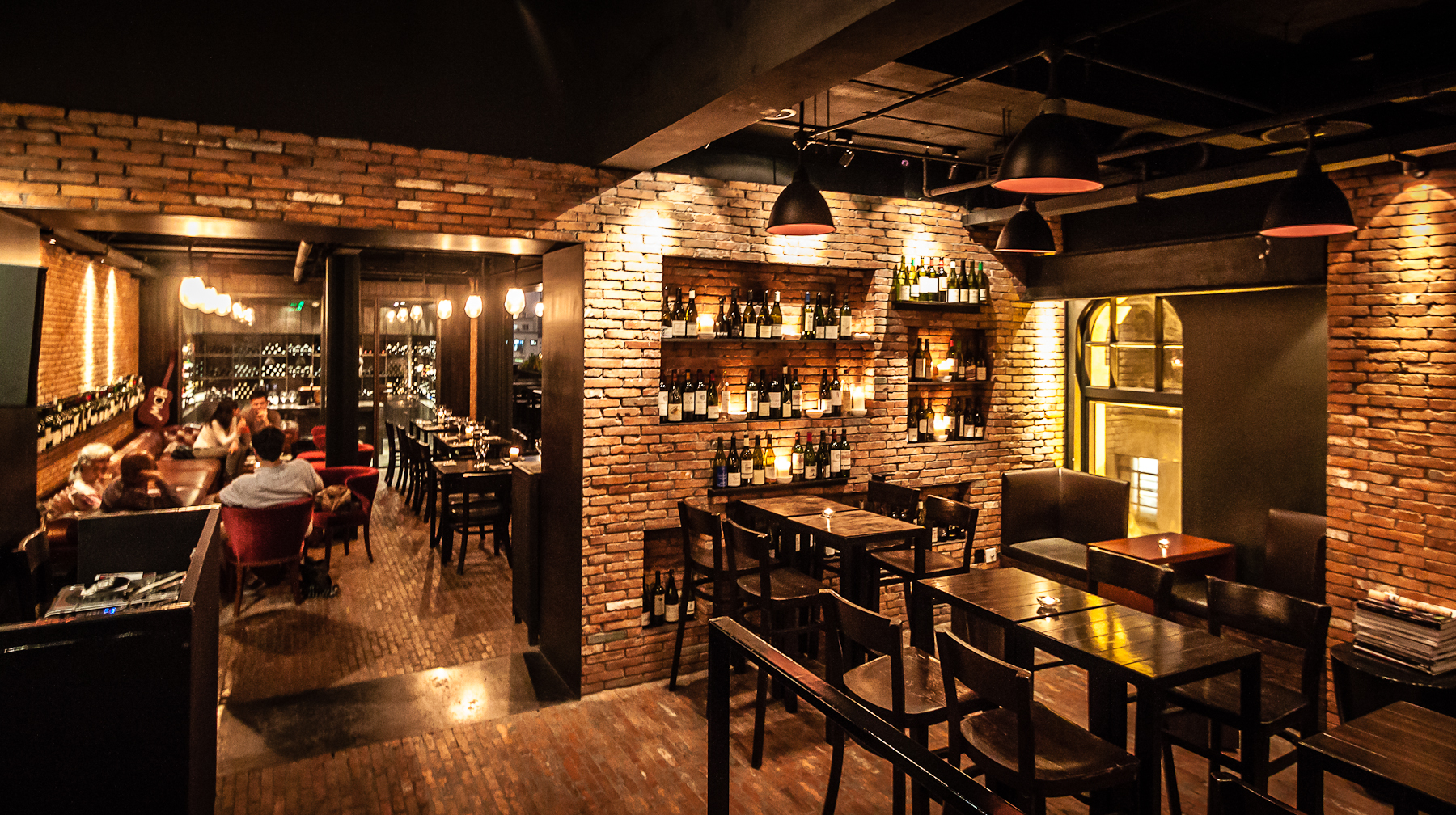
- Wine by the glass at bars and restaurants is limited or non-existent. Most wine is sold by the bottle at such incredible mark-ups, even The Donald would blush. This was always the case at bars geared towards the Chinese. Bars and restos with broader international appeal, such as found in the Sanlitun district of Beijing or at wine bars operated by non-chinese (such as H.O.W. aka House of Wine in Shanghai, owned by a Frenchman), tended to have more interesting bottle selections with by the glass programs that were, relatively speaking, affordable.
- Horrible storage conditions. Apparently importers don’t include leaflets on ideal storage temps when they drop off their shipments. We saw countless bottles of wine—some high-priced Bordeaux(!)—standing upright, baking in sunny windows, and covered with dust.
- There were entire wine shops dedicated to high-end Bordeaux and Barolo. Nothing else. All luxury, no middle ground, all over-priced.
- Wine shops with a broader selection, still tended to carry 60-70% French wine. They are obsessed with it. Second place goes to Italy, but only Barolo and wines from Tuscany. I keep reading the American wine companies have made the biggest dent in the market, but from the ground, it all looked French and Italian to me.
- The “high-end” or better Chinese wines, mentioned in my previous article, were very difficult to find. Grace Vineyards, for instance, never graced a shelf I surveyed. Granted, I didn’t have time for major recon of every city’s best shops, so take that with a few salty granules.
- Mid-range and low-end wines from the most prolific Chinese producers such as Great Wall and Changyu, were available in a few spots, but again, not as common as I expected. We managed to find a shop in Lijiang that sold some mid-range stuff ($25), so we bought a bottle of Changyu red for tasting. See my post on that bottle.
All in all, China has massive market potential and those getting an early foot in the door should make some bucks—whether through importing or working with local wineries, such as international partnerships with Chinese vineyards. For those of us more interested in unique, small-produced wines from less trendy regions, Hong Kong has a population more open to learning and experimenting without any of the tariffs.
Filed under China
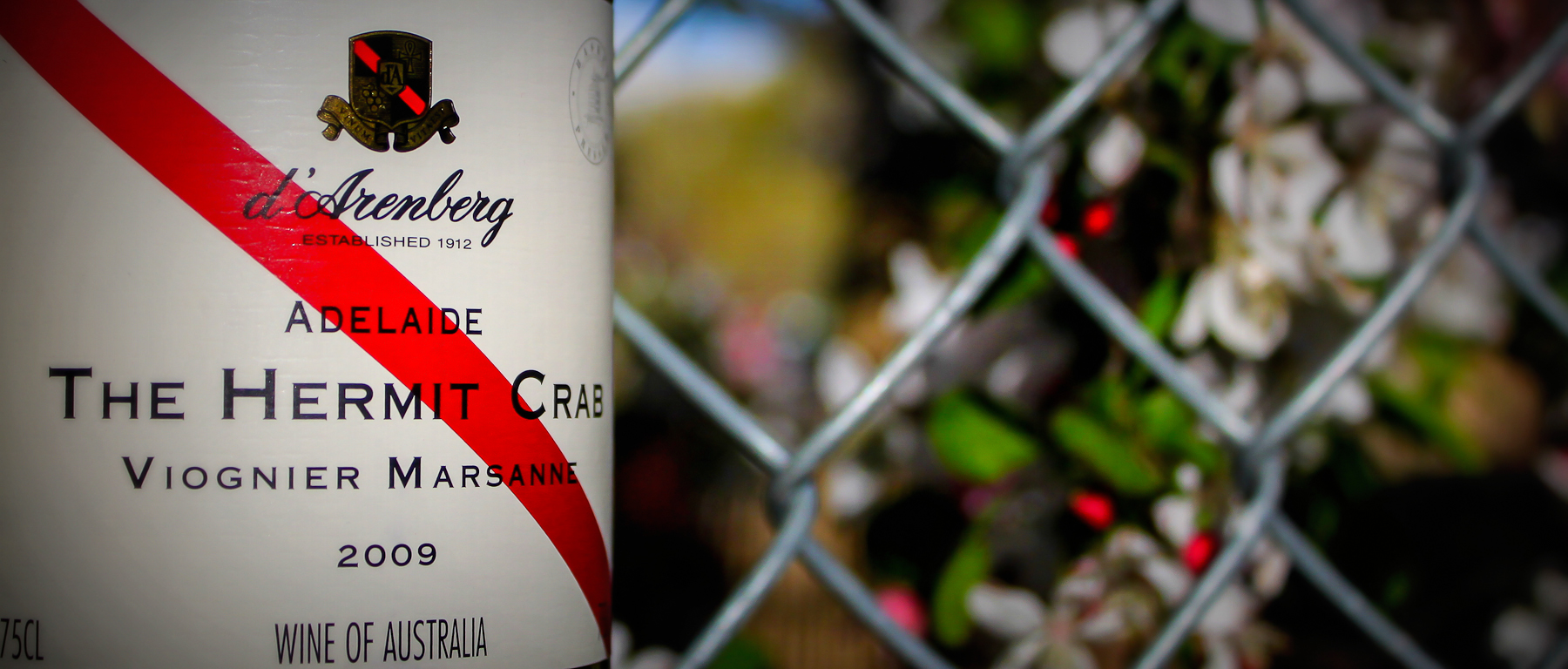
What I Drank- d’Arenberg The Hermit Crab, Viognier/Marsanne Blend, 2009
I love Viognier, so to continue my theme of tasting Australian vinos, I decided to throw this nugget into my imaginary wine.com “basket” since I was already paying a flat rate for shipping, and online shopping is make believe anyway—until the bill and box show up. The d’Arenberg is actually a blend of 72% Viognier and 28% Marsanne, similar to styles found in the Southern Rhone of France. Mmmm—getting excited for this one.
First, a few winery facts, if you care: d’Arenberg vineyard was founded in McLaren Vale in 1912 by a teetotaler, crazy enough. The winery is well-regarded in Australia, and their wines are prolific in the U.S., at least more so than other Aussie producers. The name The Hermit Crab has a two-fold origin: first, deriving from a shortening of “Hermitage”, the region in Southern Rhone known for the Marsanne varietal; second, honoring of the little crustaceans that once crawled the floor of the region, millions of years ago, in the old-timey days of Australia.
Hello, aromatics! One of my favorite sensual enjoyments from a glass of wine is the sniffing. I am like a dog to another’s behind, gathering data and pleasure from the aromas. Yea, bad imagery, but the analogy works. My nose is blasted by juicy pears, apricots and peaches so ripe you really should make a smoothie with them. The palate builds upon that, with layers of citrus pith, grapefruit, almond, spice and the slightest hint of tropical deliciousness. Fairly full-bodied with a touch of oak, this is a marathon wine—two days later, tasting just as fragrant and vibrant as the first. Not life-altering, but could be enthusiastically enjoyed on a summer weekend. $17.49 from wine.com.
Filed under d'Arenberg The Hermit Crab 2009, What I Drank
Australian Riesling Round-Up: The Exciting(?) Conclusion
Australian Riesling Round-Up
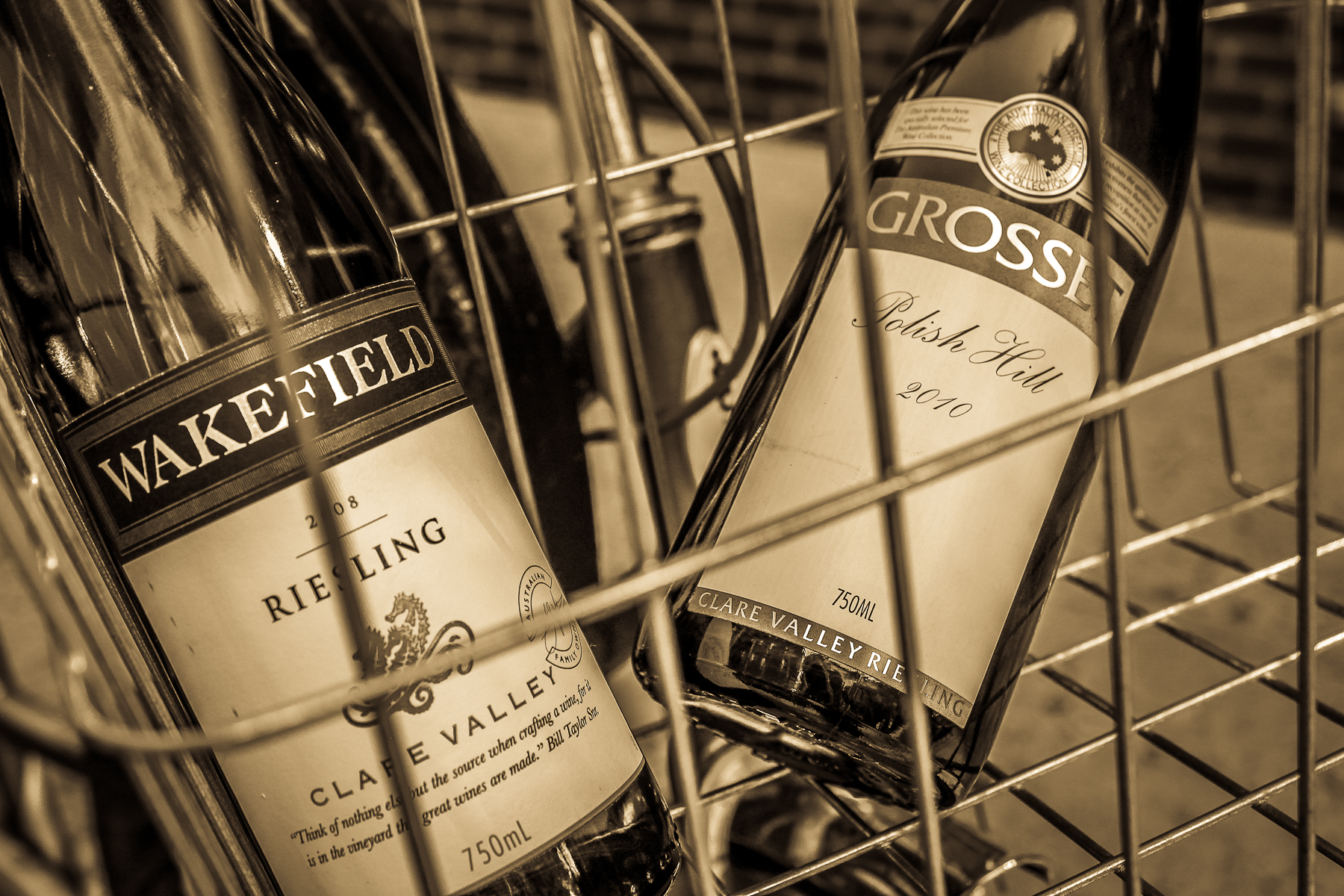
I felt like Bill Murray in Groundhog Day every time I wrote an Australian Riesling tasting note. “Minerals, acidity, lemon-lime, dry as a Brit’s sense of humor”—yes, most of the wines had some or all of these qualities. If you like this taste profile, try these wines. I found them to be very good to excellent in quality, and aside from one bottle, extremely reasonably priced. If any of the wines are sold-out through my links, try wine-searcher to check for bottles around the country, or the next vintage if the one I reviewed is no longer available. Unfortunately, I have looked back on a few bottles I tasted and discovered they are now tapped out completely in the American market.
After tasting 9 Rieslings, I conclude they offer the following:
- Reliable quality and flavor profile. Across the board, these wines are very consistent in palate. For the wine buyer who doesn’t like to purchase brands they don’t know, this is a good thing. I was a little surprised not to find more variation between the wineries or even Clare and Eden Valley, but at least you know what you are getting yourself into if you can’t find the specific bottle you want. This is also good for Australia—their wines need to achieve regional identity to attract more admirers, and this is aided by consistency.
- Good value. I found many of these wines on sale, most likely because the American wine drinker doesn’t value them. Very few people are storming the stores looking for Australian Rieslings, as evidenced by my inability to find them in local shops. I also imagine the casual wine buyer searching online, for say, white wine on sale on wine.com is not aware that for Australian Riesling, older vintages are better—this goes against the norm of white wine; shoppers may be disinclined to order them, mistakenly thinking they are over the hill. Which brings me to the next suggestion:
- Look for older vintages. The fresh-out-of-the-vineyard wines are full of acidity and could use a year or three to even begin to mellow.
- No need to drop a lot of cash. You can reap the rewards of Australian Riesling in the lower price bracket, as they are well-made wines. If you do splurge for prize wines (Grosset), get the oldest vintage you can find or hold it for several years, to really get the most bang for your buck and enjoy the qualities that make aged Riesling special.
I hope this enlightened some of you to the joys of Australian Riesling. Comments or suggestions are welcome, particularly if you have another bottle to recommend or an idea for the next Untapped Region Series!
Filed under Australian Riesling, Untapped Region