
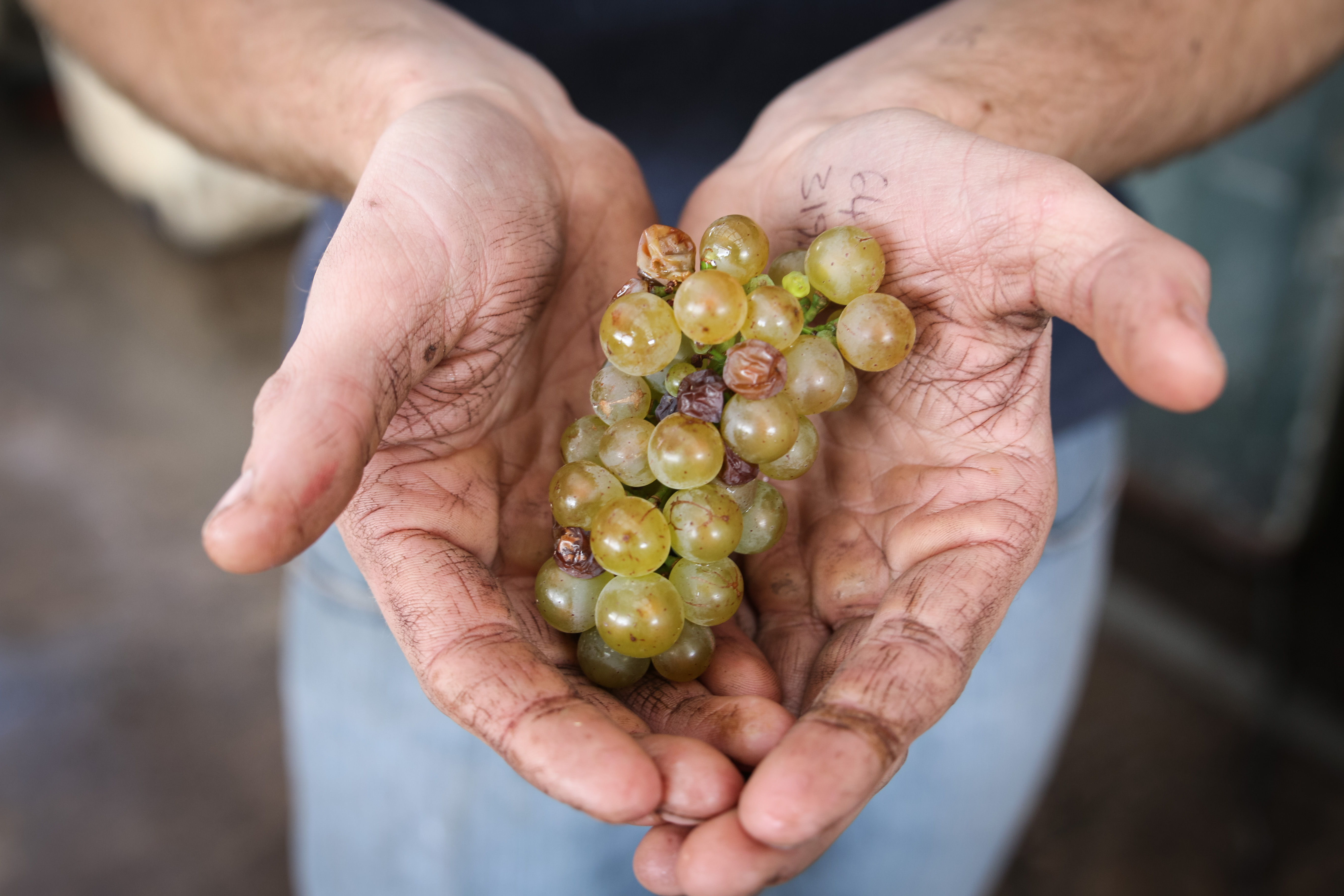
Hands of assistant winemaker Drew Harty at Paul Cluver Winery in Elgin, South Africa, cradling Riesling grapes
Hands of assistant winemaker Drew Harty at Paul Cluver Winery in Elgin, South Africa, cradling Riesling grapes
Filed under Harvest Paul Cluver, Postcard, South Africa
I recently completed my WSET Diploma (!); the final assessment was this paper (already submitted and graded) on the growth and influence of China on the global wine and spirits market. I thought some of you might find the topic interesting…
Introduction
The global marketplace has witnessed rapid changes commensurate with the rise and fall of economies and the relentless, exponential rate of technological advancement. China, now a key player, only entered the commercial sphere a mere forty years ago, yet the country has fundamentally shaped all facets of global trade. The sheer size of its population, its growing thirst for imported wine and spirits, and the rapid expansion of its domestic wine industry, means China has the power to change the drinks market, forever.
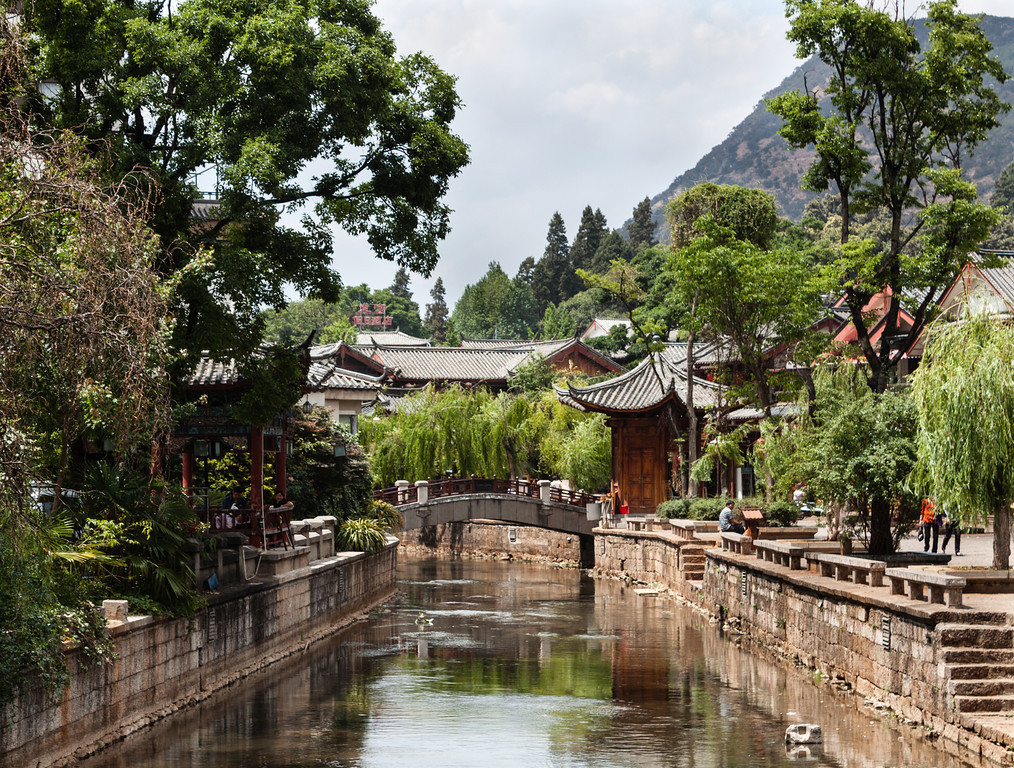
City of Lijiang
Key Events Since 1972
The first U.S. president to visit the People’s Republic of China, Richard Nixon broke new ground in February 1972. The country had been closed off to the rest of the world, and the private business sector had practically zero contact with the country. At the time of the President’s tour, normalizing political relations took precedent over economic ones. While the U.S.-China Business Council was founded in 1973 (and now represents nearly 240 companies), no pundits foresaw that China’s phenomenal ascendancy in economic influence would happen in such a short time. [1]
As a noted Asia scholar claimed, “no one in the twentieth century had a greater long-term impact on world history than Deng Xiaoping”[2], Mao Zedong’s successor after his death in 1976. Seeking to mitigate damage done by the Cultural Revolution and loosen policies that stifled China’s growth, Xiaoping instituted a policy of openness or “kai fang” with the west. The ‘80s saw economic reforms allowing foreign investment, establishment of private business, and new rules allowing personal wealth accumulation. In conjunction with President Carter, Xiaoping promoted people-to-people exchanges and allowed an unprecedented number of students to study abroad, anticipating they’d bring home new ideas for change.[3] But while he supported liberal economic policies and a measure of increased personal freedoms, Xiaoping maintained tight political control as evidenced by the tragic Tiananmen Square massacre in 1989.
Zhu Rongji, the fifth premier of the PRC, presided until 2003, and continued encouraging economic growth while also seeking political influence in international affairs. He enacted domestic reforms necessary for China to join the WTO, which it did in 2001. From 1985 to 2010, trade in goods between the U.S. and China increased from $7 billion to $365 billion, rocketing the red state to becoming the second largest economy in the world by 2013.[4]
China’s growth has enticed business from around the globe as its population of nearly 1.4 billion becomes more urban and sophisticated. Millions of Chinese have been lifted out of poverty, their children growing into a middle class with disposable income, and producers of consumer goods are eager to court them.
The Chinese are now the world’s biggest emerging market for aspirational and conspicuous consumption, and the newly middle class of the interior cities are on the heels of the major coastal cities like Beijing and Shanghai in terms of spending growth. Real estate developers are building half the world’s newest shopping malls in China, many in smaller, second tier cities, because middle and lower income households have become big shoppers.[5]
What are they buying? Globally, the Chinese are the leading purchasers of expensive goods, and they hold foreign brands in high esteem, especially those with heritage appeal. While this applies across all aspects of consumerism, it especially holds true for wine and certain spirit categories. In the last few years, the Chinese set new records, becoming the most voracious consumers of Bordeaux and cognac, or at least collectors. Consider that at Berry Bros & Rudd’s bonded wine warehouse in southern England, more than 1 million of 4.5 million expensive bottles stored there, are now owned by Chinese.[6]
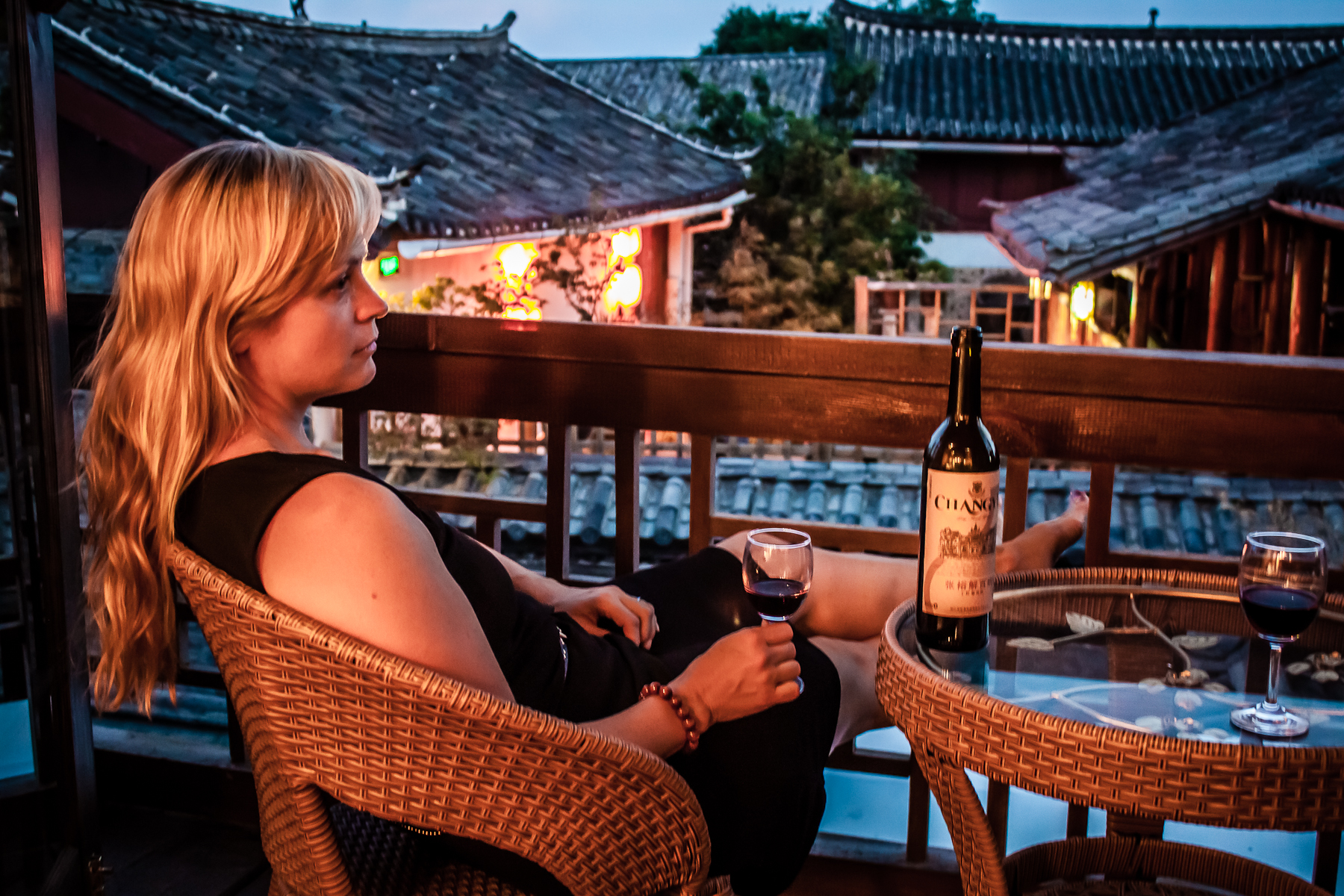
Drinking Changyu Wine in Lijiang
The Chinese Drinks Market
Interestingly, China’s mania over wine was first prompted by the state in the 1990s as a healthy alternative to popular grain-based spirits. A cereal shortage coupled with health concerns motivated the campaign. Red wine in particular, promoted as a cardiovascular disease inhibitor, took off: new wineries proliferated, distilleries were adapted for winemaking, and bulk wine was shipped in for local bottling.[7] In 2001, when China joined the WTO, wine import tariffs dropped from pre-WTO levels of 65% down to 48%. While 48% is still extraordinarily high, especially as compared to Hong Kong’s zero tariff policy (repealed in 2008), this combination led to a significant increase in foreign alcohol imports.
As early as 1979, foreign companies were capitalizing on Xiaoping’s reforms to invest in China’s domestic wine market. French cognac giant Remy Martin set up the first joint venture winery, Dynasty; Seagram’s assisted in the establishment of Great Wall winery. Many have since followed, including Pernod Ricard and Chateau Lafite-Rothschild, importing vines, equipment, and oenologists along with them.[8] Between 2000 and 2011, registered Chinese vineyards more than doubled from 200,000 hectares to over 500,000 hectares.[9] Recognizing the importance of the Chinese national grain-based spirit baijiu (the highest-selling spirit in the world thanks to China[10]), LVMH and Diageo each acquired baijiu makers such as Wenjun and Shui Jing Fang to diversify their portfolios.[11]
Incredibly, China has become the 5th largest consumer and producer of wine in the world, importing 30.9 million cases in 2013.[12] Nearly one out of five wine bottles opened in China is imported. The country has overtaken France and Italy to become the largest consumer of red wine, drinking nearly 1.9 billion bottles in 2013. The importance of the color red cannot be overemphasized: due to its strong (if superstitious) cultural affiliation with health, happiness, and luck, red wine accounts for 85% of wine purchases.
French wine still dominates nearly half of all imports, though lesser known countries are benefiting. U.S. exports of wine to China were nearly 23 million bottles in 2013, after being practically nonexistent a decade earlier. Chile’s wine exports to China increased 157 percent by March 2014.[13] Wine consumption continues to rise at a rate of 15% per year, in both the major and second tier cities.[14]
In the premium imported spirits category, the biggest players are Hennessy, Cognac, Martell, and Chivas, at 43% of the market share. A recent lifting of a ban on 100% blue agave tequila caused a spike in sales in Shanghai and Beijing; the industry predicts China to be the second biggest market in five years.[15] In 2012, China consumed 38% of the world’s premium vodka, gin, whiskey, and rum. However, as large as that number appears, 99% of all spirits consumed in China is baijiu.[16]
The Rise and Fall of High-End Alcohol
China’s economic boom led to a bubble in the luxury wine and spirits categories, notably for Bordeaux.[17] Rather than having the typical pyramid model of a normal market, in which expensive products represent a narrow point at the top, China’s was inverted.[18] The rapid rise in wealth, coupled with desire for prestige and the elevated social status that came with owning hard-to-get or expensive bottles, fueled demand and wildly inflated prices of first growths like Lafite, Latour, and Margaux until 2011.[19]
In particular, the market had an unusual over-reliance on lavish bureaucratic gifting — as much as 50% of all premium wines are speculated to have been paid for with government-related money.[20] The current government, led by President Xi Jinping, is now seeking to restore discipline and fight corruption, cracking down harshly on the practice.[21] China’s rich cut gift-giving by 25% to officials responsible for contracts, licenses, and tax breaks.[22]
Major beneficiaries of that once booming market have suffered significant losses in business. Scotch sales plummeted 35%;[23] French brandy dropped 20%.[24] Shipments of Bordeaux to mainland China, their largest export market by volume and value, dropped 26% by July 2014, down from the same period before.[25]
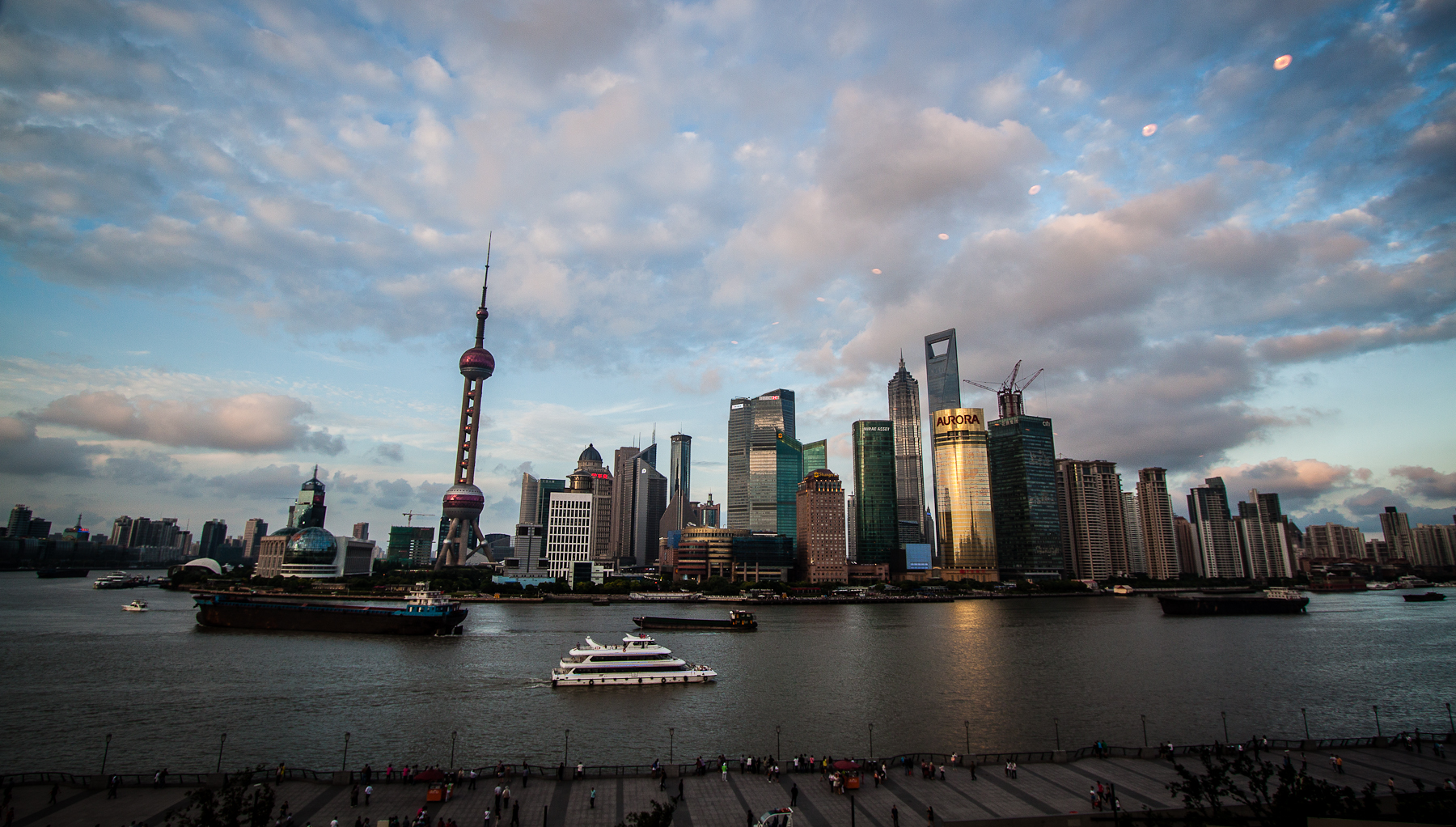
Shanghai’s Pudong by day
Opportunities in China
Anti-Corruption Campaign
While the anti-corruption campaign hurt sectors of high-end alcohol, the austerity program will have the long-term benefit of forcing the industry to build a stable market. With sales to local governments dry, companies are focusing on finding new clients and ordinary consumers, and on delivering quality wines at better prices.[26]
Creative Marketing
Wooing new clientele, particularly in the off-trade sector as emerging middle classes in second tier cities grow in importance (on-trade in first tier cities had been up to 80% of business), has forced some companies to get creative. [27] Catalan import firm Torres, which has seen its corporate business shrink by 90% in the last two years, transformed its retail outlets, China Everwines, to resemble hip Barcelona wine bars, and has been successfully selling accessory products like Spanish hams.[28]
Changes in Consumption Patterns and Demographics
Meanwhile, the trend to drink wine for pleasure grows as new market segments of younger drinkers and women look to fit wine into their lifestyle (traditionally, wine has been reserved for special occasions such as holidays and banquets, or older, male-dominated business meetings).[29] Younger consumers regularly use the web and social media, two channels the wine and spirits industry should exploit.
Social Media
Although Google, Facebook, and Twitter are banned on the mainland, the equivalent of the latter two, Weibo and Renren, are enormously popular. Market entrants, willing to hire Chinese social media firms versed in these channels can expose their products to millions of users.[30] A recent analysis of upper middle-class drinkers of imported wine revealed that 75% of them research wine online, visiting sites like Winechina.cn, and 62% say they use social media as a source. The online channel is seen as cost-effective, convenient, and trustworthy.[31]
E-Commerce and Lower Priced Wine
CEO of ASC Fine Wines, John Watkins, insists growth lies in lesser-priced wines and expanding e-commerce.[32] Case in point, two of China’s top five wine retailers are online marketplaces Tmall and Yesmywine, and many wines sold are entry-level at 100 RMB and below.[33] While China is one country with many markets, e-commerce gives retailers (and producers who sell through them) an opportunity to reach deeper into the country on one platform.
Maturing Tastes
While French red wine remains the dominant choice for imported wine consumption, opportunities for the rest of the wine world will evolve as the domestic market grows. In the early 70s, Americans drank cocktails. After the explosion of California’s industry, however, the average American’s interest in wine increased, as did their desire to try imports from Europe. Eventually, the imported wines market outpaced domestic wines.[34] Even without a strong domestic wine market, tastes tend to mature. Twenty years ago, Japan developed an appreciation for red wine first, too, but has since evolved into a consumer of all colors.[35] In China, the decline in interest in Bordeaux has already led to regions like Burgundy, Italy, and Spain, enjoying newfound attention.[36]
Sparkling Wine
Curiously, Champagne (and sparkling wine) has not caught on, but given the Chinese interest in fashion, luxury goods, and Western culture, it seems a matter of time before this market takes off. While bubbles account for less than 1% of wine sales, consumption rose in 2012 by nearly 52%.[37] To spur those numbers further, Moët has launched its Chandon Ningxia winery to produce high-end method Champenoise for the local market.[38]
Wine and Spirits Education
As wine education develops, so will the palates of consumers. For instance, the WSET program on the Chinese mainland jumped from the fourth largest market to the second, in mere months.[39] Meanwhile, marketing efforts between distributors and producers can educate consumers through creative initiatives. Despite its suitability for much of Chinese cuisine, white wine remains an underappreciated category. To challenge this, Summergate Fine Wine Importers launched a Riesling Revolution tour with major producers from Alsace, Germany, and Australia. They conducted tastings and media events across four major cities, and reported the effort as successful.[40]
Trade education in a country with a nascent wine culture is at least as important as consumer education: waiters, sommeliers, and retail staff have great impact on customers given they interface directly with them. The Bordeaux Wine Council regularly runs trade seminars in 20 Chinese cities, while promoting its mid-range appellations of Bordeaux, Bordeaux Superieur, and the Cotes and Cru Bourgeois, through the Simply Bordeaux program.[41]
Trade Shows
The proliferation of wine shows should be utilized by regions looking to market their country of origin.[42] For example, ProWine China, an international trade fair for wine and spirits, provides a platform both for international dealers and producers and for local suppliers to present themselves, establish contacts, and become familiar with the Chinese market. ProWine specifically aims to showcase a range of countries: 30 participated in 2013.[43] Additional fairs include the Shanghai Wine Expo, Xiamen Fine Wine Show, Vinisud Shanghai, and the Beijing Wine Expo.[44]
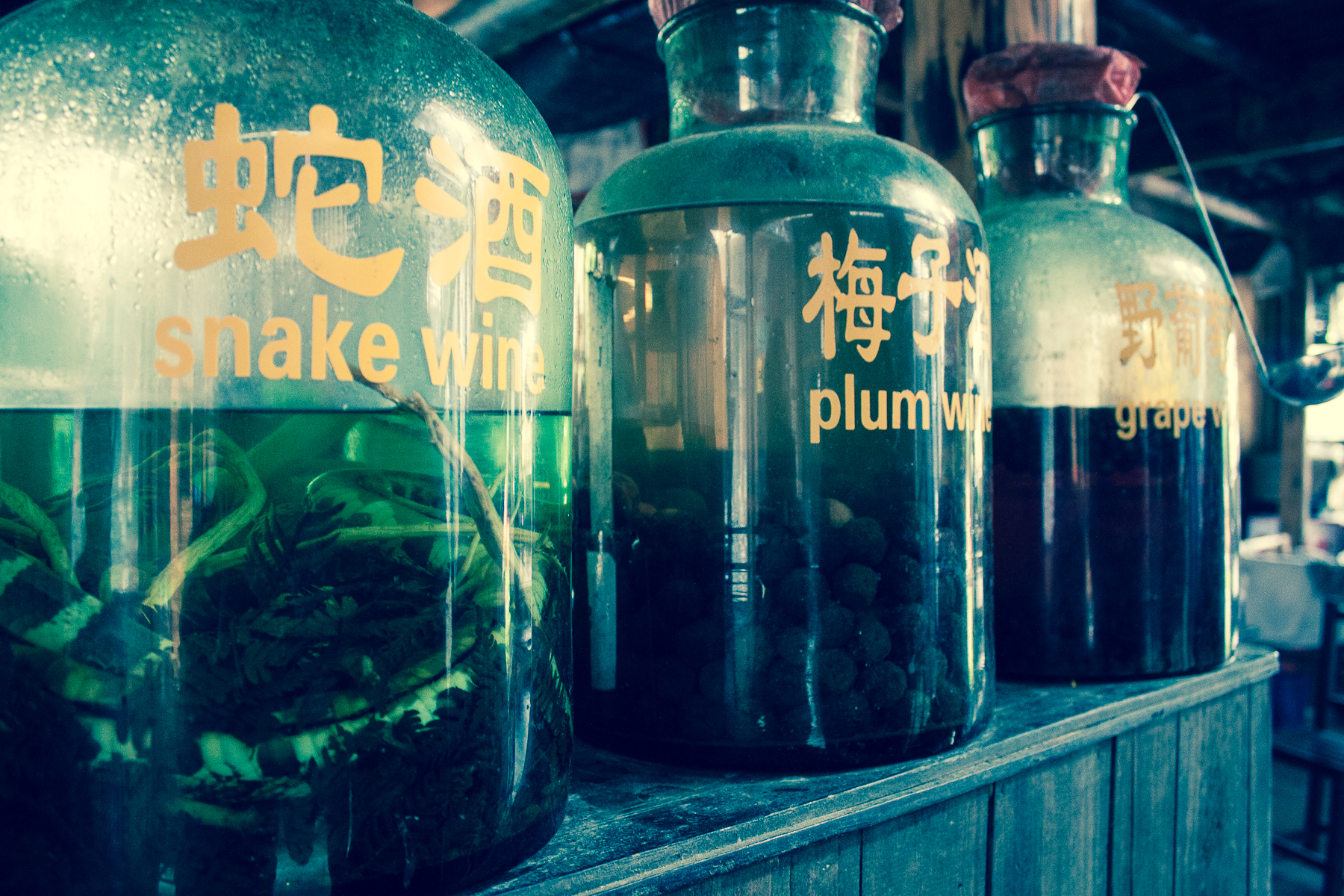
Snake wine from Guilin
Challenges in China
Complex Distribution System
China has been called the wild west of the global wine and spirits market for good reason: the distribution path to the consumer is varied and unlike anything western companies have dealt with previously. This was especially true when the first import firms struggled to establish and develop distribution channels from scratch, having to hire and train employees who had never tasted wine.[45]
Those first, intrepid firms, like ASC Fine Wine, Summergate Wines, and Torres, now control the premium imported wine market. Producers looking for a piece of China may be swayed to sign with them because they laid the industry’s foundation. However, these firms lock clients into exclusivity agreements, and products from regions without stature (and non-red grapes), risk getting lost in growing portfolios. Alternative strategies include engaging an e-commerce site that sells direct to consumer,[46] working with a trusted grocery like Carrefour, and hiring several smaller, regional firms.[47]
Wine and spirits companies looking to crack the code of China should remember it’s composed of a multitude of small markets; they should carefully vet the importer or distributor they select, to make sure their product lines up with their agent’s expertise, strengths, and financial means.[48]
Cultural and Language Differences
Effective communication with the Chinese consumer is a major challenge. Brands need websites in fluent Chinese providing updated information, and names of stockists (important given all the fakes in the supply chain). Since China does not have a western food culture or related vocabulary, producers should consider marketing with a China-specific wine vocabulary, something Cambridge-educated, Beijing-based wine educator Fongyee Walker has been developing.[49] Additionally, premium packaging conveying luxury and pedigree are highly valued by Chinese consumers. [50]
Alcohol Tariffs
High tariffs on imported alcohol drastically increases retail prices, creating challenges for low- to mid-priced products entering the market, as they are significantly more expensive than their domestic equivalent (which continues to improve in quality). While there is industry speculation tariffs will start to ease[51], they have another consequence: alcohol smuggling from Hong Kong (which does not have an import tariff). Crackdowns have curbed this, but the problem persists.
Free Trade Agreements
Products from countries that lack Free Trade Agreements (FTAs) with China are subject to the alcohol tariff, as well as capricious, market-disruptive behavior by the Chinese government. In 2012, Europe and China had a tit-for-tat trade spat. Europe investigated China for dumping solar panels into its market, so the Chinese responded with accusations that Europe had flooded it with cheap wine, and threatened to further increase tariffs. The dispute was eventually resolved but it rattled the European wine and spirits trade.[52]
On the flip side, for countries that have bilateral FTAs like Chile and New Zealand, alcohol tariffs are being phased out to zero, and, consequently, wine exports from these countries have increased significantly.[53]
Regulations
Capricious regulation can extend to import restrictions, like the recent tightening on manganese limits (from 4 mg/l to 2 mg/l) that caught many Australian producers off-guard. Nearly a quarter of wines ready for shipment, after being tested first by Australia’s Vintessential Laboratories, were over the new limit, despite any scientific basis for the decision, according to Vintessential’s Managing Director.[54]
Counterfeiting
China’s counterfeiting has created consumer trust issues: a survey in January found 44% of respondents feared buying fake wine in all price categories.[55] Counterfeiters target inexperienced consumers with little knowledge of how a wine should taste, especially beginning collectors eager to purchase wines for status or for gifts (in which case the wine might never be tasted). To combat counterfeiting, ASC has developed a QR code and hologram to affix on the neck of bottles and can be scanned with a smartphone to give the consumer product information and shipping history. They import the codes and keep them under “lock and key” until affixed in China. ASC expects to apply these to 10 million bottles.[56]

Conclusion
The allure of penetrating the mainland Chinese drinks market is strong; the population is on track to hit 70-80 million imported wine drinkers by 2020.[57] This growing force will undoubtedly play an integral role in shaping the global drinks economy in the coming decades.
As the market evolves, Chinese tastes will mature. White wine will inevitably draw fans, as will Champagne, especially as the population of lifestyle drinkers, and young and female consumers, increases. However, the strong cultural identification with red and the appeal of whisky and grain spirits won’t abate.
Education, from consumer to industry, will greatly enhance the sophistication of the market, and major cities will continue to set trends as new products gain favor. Despite the loss of the high-end market in the short-term, luxury goods will remain in demand so long as millionaires and billionaires continue to be made in China. Meanwhile, the market for good quality, mid-range and lower priced wines will broaden as second tier cities and off-trade retail gain share. Distribution will remain a barrier to entry, but channels to reach the various markets will, hopefully, become more seamless.
Jumping into the complexities of the Chinese market, even as it seasons over the next decade, is not for the faint of heart; small producers lacking strong regional marketing boards with time and money to invest in China, should consider applying what resources they have, elsewhere. Any potential player must be prepared to build relationships, and establish recognition over a long and potentially unproductive period of time; deep pockets generally make such perseverance easier to bear.
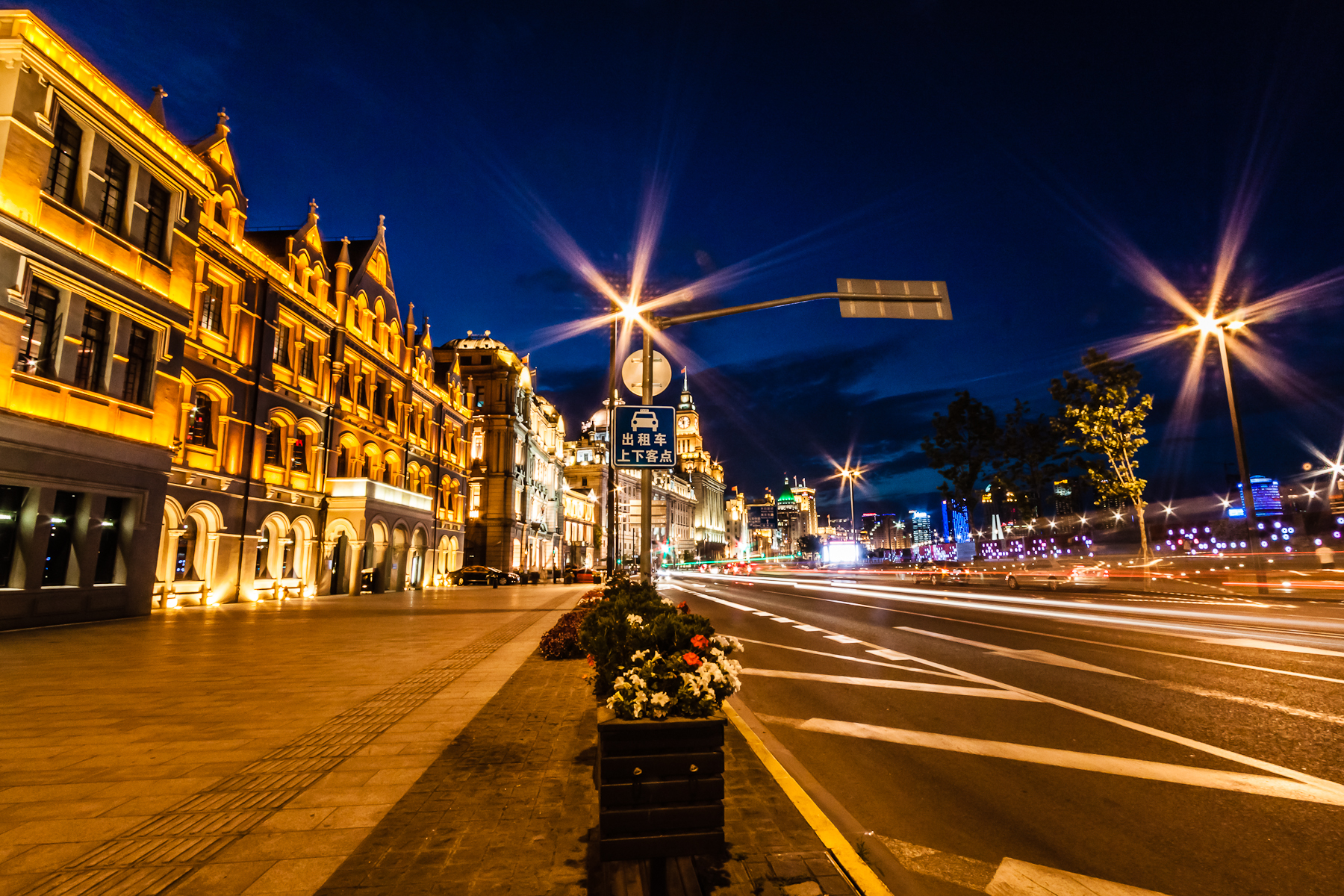
Nightime on the Bund in Shanghai
Bibliography
| Areddy, James. “New Frugality Puts Strain on Chinese Firms.” The Wall Street Journal. 22 Jan. 2014. Web. 11 Nov. 2014. |
| Boyce, Jim. “Selling Wine in China: Helene Ponty on the Beijing Market.” Grape Wall of China. 3 Sept. 2014. Web. 11 Nov. 2014. |
| Boyce, Jim. “Wine Fairs.” Grape Wall of China. Web. 11 Nov. 2014. |
| Branigan, Tania.”Xi Jinping vows to fight ‘tigers’ and ‘flies’ in anti-corruption drive.” The Guardian, 22 Jan. 2013. Web. |
| Carrell, Severin. “Scotch Whisky Sales Drop as China Frowns on Lavish Spending.” The Guardian. 22 Sept. 2014. Web. 11 Nov. 2014. |
| Carter, Felicity. “On China: An Interview with Stevie Kim.” Wine Business International. 1 Aug. 2012. Web. 11 Nov. 2014. |
| China: Five Trends for the Wine Market in 2013. Wine Intelligence, 5 Dec. 2012. Web. 11 Nov. 2014. |
| “Chinese Consumers Looking for Less Expensive Wines.” ASC Fine Wines. 2 Aug. 2013. Web. 11 Nov. 2014. |
| “The Chinese Grape Wine Market.” Rabobank International. October 2010. p. 6. Report for Grape and Wine Research Development Corporation. |
| Chow, Jason, and Wei Gu. “China’s Wine Market Shifts Toward Entry Level.” The Wall Street Journal. 14 July 2013. Web. 11 Nov. 2014. |
| De Beaupuy, Francois, and Caroline Connan. “Bordeaux Wines Feel Pain of Chinese Crackdown on Lavish Living.” Bloomberg.com. Bloomberg, 14 Nov. 2014. Web. 11 Nov. 2014. |
| “Economic analysis of import tariffs in the wine markets of China and the Republic of Korea.” Australian Government Department of Agriculture. July 2012. p. 1. Print. |
| Gibb, Rebecca. “Fear of Fakes High For Chinese Buyers.” Wine-Searcher. 8 July 2013. Web. 11 Nov. 2014. |
| Guilford, Gwynn. “Latest Evidence the Party Is over in China? Chinese Are Drinking Less Wine.” Quartz. 9 Apr. 2014. Web. 11 Nov. 2014. |
| Halstead, Richard. “China Wine Market Landscape.” Wine Intelligence. June 2014. Report Brochure. |
| Hormats, Robert. “Forty Years After the Nixon Visit: Progress, Challenges, and Opportunities in U.S.-China Economic Relations.” U.S. Department of State. 6 Mar. 2012. Web. 11 Nov. 2014. |
| “Industry Focus: Importing Wine into China – China Briefing News.” China Briefing. 20 Aug. 2014. Web. 11 Nov. 2014. |
| “Marketing U.S. Wine in China.” USDA Foreign Agriculture Service, 19 April 2012. p. 4. Print. |
| Mercer, Chris. “Australian Wineries Wary of China’s Allure.” Decanter China. 23 Oct. 2014. Web. 11 Nov. 2014. |
| Mercer, Chris. “China Agrees to End Anti-dumping Probe into European Wine.” Decanter. 21 Mar. 2014. Web. 11 Nov. 2014. |
| Mianyang. “Doing It Their Way.” The Economist. The Economist Newspaper, 25 Jan. 2014. Web. 9 Nov. 2014. |
| “More Chinese Drinkers Turning To Imported Spirits, But Baijiu Still King.” Jing Daily. 4 May 2012. Web. 11 Nov. 2014. |
| Moselle, Mischa. “China Becomes World’s Second Biggest Consumer of High-priced Wine.”South China Morning Post. 9 Apr. 2014. Web. 11 Nov. 2014. |
| Mustacich, Suzanne. “Has Bordeaux’s Bubble Burst?” Wine Spectator. 18 Jan. 2012. Web. 11 Nov. 2014. |
| Nelson, Jacqueline. “Corruption and Cognac: China’s Crackdown Hits Luxury.” The Globe and Mail. 20 Aug. 2014. Web. 11 Nov. 2014. |
| Noppe, Raymond. “Rise of the Dragon: The Chinese Wine Market.” March 2012. p. 25. Dissertation, Cape Wine Academy. |
| Robertson, Benjamin. “Slump in China’s wine market forces shake-out, rethink.” South China Morning Post, 3 June 2014. Web. |
| Robinson, Jancis. The Oxford Companion to Wine, 3rd edition, Oxford University Press, 2006, “China”, p167 – 169 |
| Robinson, Jancis, and Hugh Johnson. The World Atlas of Wine. 7th ed. Mitchell Beazley, 2013. 374. Print. |
| Robinson, Jancis. “China Loses Its Shine.” JancisRobinson.com. 29 July 2014. Web. 11 Nov. 2014. |
| Robinson, Jancis. “Promising Newcomers in China.” JancisRobinson.com. 3 Apr. 2010. Web. 11 Nov. 2014. |
| Robinson, Jancis. “Riesling Revolution in China.” JancisRobinson.com. 16 Apr. 2014. Web. 11 Nov. 2014. |
| Robinson, Jancis. “Wine Advances on China.” JancisRobinson.com. 19 Nov. 2011. Web. 11 Nov. 2014. |
| Schmitt, Patrick. “Lafite China’s First Wine Declared ‘not Bad’.” The Drinks Business. Web. 11 Nov. 2014. |
| Schmitt, Patrick. “Wine Education Booms in China.” The Drinks Business. 19 Nov. 2012. Web. 11 Nov. 2014. |
| Spegele, Brian. “One Good Side Effect of China’s Anti-Corruption Drive: Better Wine.” China Real Time Report. The Wall Street Journal, 29 Sept. 2014. Web. 11 Nov. 2014. |
| Sterling, Justine. “You’ve Never Tasted Anything Like Baijiu.” The Huffington Post. 17 June 2014. Web. 11 Nov. 2014. |
| Thach, Liz. “Using Social Media in China to Promote Wine & Spirit Brands.” Wine Industry News. WineBusiness.com, 8 Jan. 2014. Web. 11 Nov. 2014. |
| “There Are Plenty Of Reasons Why Champagne’s Falling Flat In China.” Jing Daily. 8 Mar. 2013. Web. 11 Nov. 2014. |
| “Unsurpassed Diversity: More Exhibitors – New Countries.” ProWine China. Web. 11 Nov. 2014. |
| Vogel, Ezra. “Deng Xiaoping and the Transformation of China.” Online video clip. Youtube, Youtube, 19 Mar. 2012. Web. 8 Nov. 2014. |
| Wilmore, James. “Patron Spirits to Launch in China after High-alcohol Tequila Ban Lifted.” Patron to Launch Tequila in China after Ban Lifted. Just-Drinks.com, 1 Aug. 2013. Web. 10 Nov. 2014. |
| Winny, Monica. “Domaines Barons De Rothschild Unveils First ‘Experimental’ Chinese Wine.” http://www.billionaire.com/. 14 Aug. 2014. Web. 9 Nov. 2014. |
| Xin, Livia. “Sparkling Wine Gains Recognition in China.” The Drinks Business. 6 Nov. 2013. Web. 11 Nov. 2014. |
Footnotes
[1] Hormats, Robert. “Forty Years After the Nixon Visit: Progress, Challenges, and Opportunities in U.S.-China Economic Relations.” U.S. Department of State. 6 Mar. 2012. Web. 11 Nov. 2014.
[2] Vogel, Ezra. “Deng Xiaoping and the Transformation of China.” Online video clip. Youtube, Youtube, 19 Mar. 2012. Web. 8 Nov. 2014.
[5] Mianyang. “Doing It Their Way.” The Economist. The Economist Newspaper, 25 Jan. 2014. Web. 9 Nov. 2014.
[6] Mianyang.
[7] Robinson, J. (ed.): The Oxford Companion to Wine, 3rd edition, Oxford University Press, 2006, “China”, p167 – 169
[8] Schmitt, Patrick. “Lafite China’s First Wine Declared ‘not Bad’.” The Drinks Business. Web. 11 Nov. 2014.
[9] Winny, Monica. “Domaines Barons De Rothschild Unveils First ‘Experimental’ Chinese Wine.” http://www.billionaire.com/. 14 Aug. 2014. Web. 9 Nov. 2014.
[10] Sterling, Justine. “You’ve Never Tasted Anything Like Baijiu.” The Huffington Post. 17 June 2014. Web. 11 Nov. 2014.
[11] “More Chinese Drinkers Turning To Imported Spirits, But Baijiu Still King.” Jing Daily. 4 May 2012. Web. 11 Nov. 2014.
[12] Guilford, Gwynn. “Latest Evidence the Party Is over in China? Chinese Are Drinking Less Wine.” Quartz. 9 Apr. 2014. Web. 11 Nov. 2014.
[13] “Industry Focus: Importing Wine into China – China Briefing News.” China Briefing. 20 Aug. 2014. Web. 11 Nov. 2014.
[14] Robinson, Jancis, and Hugh Johnson. The World Atlas of Wine. 7th ed. Mitchell Beazley, 2013. 374. Print.
[15] Wilmore, James. “Patron Spirits to Launch in China after High-alcohol Tequila Ban Lifted.” Patron to Launch Tequila in China after Ban Lifted. Just-Drinks.com, 1 Aug. 2013. Web. 10 Nov. 2014.
[16] “More Chinese Drinkers Turning To Imported Spirits, But Baijiu Still King” Mustacich, Suzanne.
[17] “Has Bordeaux’s Bubble Burst?” Wine Spectator. 18 Jan. 2012. Web. 11 Nov. 2014.
[18] Chow, Jason, and Wei Gu. “China’s Wine Market Shifts Toward Entry Level.” The Wall Street Journal. 14 July 2013. Web. 11 Nov. 2014.
[19] Robinson, Jancis. “Wine Advances on China.” JancisRobinson.com. 19 Nov. 2011. Web. 11 Nov. 2014.
[20] Chow and Gu.
[21] De Beaupuy, Francois, and Caroline Connan. “Bordeaux Wines Feel Pain of Chinese Crackdown on Lavish Living.” Bloomberg.com. Bloomberg, 14 Nov. 2014. Web. 11 Nov. 2014.
[22] Areddy, James. “New Frugality Puts Strain on Chinese Firms.” The Wall Street Journal. 22 Jan. 2014. Web. 11 Nov. 2014
[23] Carrell, Severin. “Scotch Whisky Sales Drop as China Frowns on Lavish Spending.” The Guardian. 22 Sept. 2014. Web. 11 Nov. 2014.
[24] Nelson, Jacqueline. “Corruption and Cognac: China’s Crackdown Hits Luxury.” The Globe and Mail. 20 Aug. 2014. Web. 11 Nov. 2014.
[25] De Beaupuy and Connan.
[26] Spegele, Brian. “One Good Side Effect of China’s Anti-Corruption Drive: Better Wine.” China Real Time Report. The Wall Street Journal, 29 Sept. 2014. Web. 11 Nov. 2014.
[27] “The Chinese Grape Wine Market.” Rabobank International. October 2010. p. 6. Report for Grape and Wine Research Development Corporation.
[28] Robinson, Jancis. “China Loses Its Shine.” JancisRobinson.com. 29 July 2014. Web. 11 Nov. 2014.
[29] Halstead, Richard. “China Wine Market Landscape.” Wine Intelligence. June 2014. Report Brochure.
[30] Thach, Liz. “Using Social Media in China to Promote Wine & Spirit Brands.” Wine Industry News. WineBusiness.com, 8 Jan. 2014. Web. 11 Nov. 2014.
[31] Halstead, Richard. “China Wine Market Landscape.” Wine Intelligence. June 2014. Report Brochure.
[33] China: Five Trends for the Wine Market in 2013. Wine Intelligence, 5 Dec. 2012. Web. 11 Nov. 2014.
[34] Chow and Gu.
[35] Moselle, Mischa. “China Becomes World’s Second Biggest Consumer of High-priced Wine.”South China Morning Post. 9 Apr. 2014. Web. 11 Nov. 2014.
[36] Chow and Gu.
[37] Xin, Livia. “Sparkling Wine Gains Recognition in China.” The Drinks Business. 6 Nov. 2013. Web. 11 Nov. 2014.
[38] “There Are Plenty of Reasons Why Champagne’s Falling Flat in China.” Jing Daily. 8 Mar. 2013. Web. 11 Nov. 2014.
[39] Schmitt, Patrick. “Wine Education Booms in China.” The Drinks Business. 19 Nov. 2012. Web. 11 Nov. 2014.
[40] Robinson, Jancis. “Riesling Revolution in China.” JancisRobinson.com. 16 Apr. 2014. Web. 11 Nov. 2014.
[41] “Chinese Consumers Looking for Less Expensive Wines.” ASC Fine Wines. 2 Aug. 2013. Web. 11 Nov. 2014.
[42] While brand is important, marketing of country of origin should be pursued aggressively. Nationality of the wine is the most influential factor affecting purchasing decisions of customers in China, followed by “Taste”, “Brand”, “Quality”, etc. “Marketing U.S. Wine in China.” USDA Foreign Agriculture Service, 19 April 2012. p. 4. Print.
[43] “Unsurpassed Diversity: More Exhibitors – New Countries.” ProWine China. Web. 11 Nov. 2014.
[44] Boyce, Jim. “Wine Fairs.” Grape Wall of China. Web. 11 Nov. 2014.
[45] Noppe, Raymond. “Rise of the Dragon: The Chinese Wine Market.” March 2012. p. 25. Dissertation, Cape Wine Academy.
[46] Carter, Felicity. “On China: An Interview with Stevie Kim.” Wine Business International. 1 Aug. 2012. Web. 11 Nov. 2014.
[47] “Marketing U.S. Wine in China.” p.5.
[48] “Marketing U.S. Wine in China.” p.6.
[49] Robinson. “China Loses Its Shine.”
[50] “The Chinese Grape Wine Market.” p. 7.
[51] “Marketing U.S. Wine in China.” p. 3.
[52] Mercer, Chris. “China Agrees to End Anti-dumping Probe into European Wine.” Decanter. 21 Mar. 2014. Web. 11 Nov. 2014.
[53] “Economic analysis of import tariffs in the wine markets of China and the Republic of Korea.” Australian Government Department of Agriculture. July 2012. p. 1. Print.
[54] Mercer, Chris. “Australian Wineries Wary of China’s Allure.” Decanter China. 23 Oct. 2014. Web. 11 Nov. 2014.
[55] Gibb, Rebecca. “Fear of Fakes High For Chinese Buyers.” Wine-Searcher. 8 July 2013. Web. 11 Nov. 2014.
[56] Chow and Gu.
[57] Halstead.
Filed under China, Future of China's Wine and Spirits Market
 |
Wine shouldn’t be foisted onto every culinary event; no matter how grand or mundane, some matches are better left alone: the Kentucky Derby and bourbon, or bagels, lox, and black coffee (OK, a glass of Champagne wouldn’t be so terrible with either). “Super Bowl & Beer” sounds like another archetype that doesn’t need tinkering. But there’s a case to be made for wine.
Consider traditional binge-watching football foods: bean chili, beef-cheese-jalapeño-smothered nachos, Sriracha hot wings, short-rib sliders, guac and chips. At first glance, pairing wine with any of these might sound like a disastrous exercise in pretentiousness. On closer examination, though, there are, in fact, a number of wines that would temper heat, complement spice and salt, and cut through fat better than a beer. We’re not suggesting you forgo the keg of Founders All Day IPA, but consider supplementing your beverage rotation with these five wines.
Sparkling Wine
By now, perhaps you’ve heard of the Sommelier Special: pairing a high-brow bottle of Champagne with a humble bag of Lay’s. Champagne’s chalky, bright acid and persistent stream of effervescence has a way of cutting through fried, oily dishes like chips and fried chicken. But Champagne is expensive, and few of us wish to waste it on a bag of spuds (or our Patriots-supporting frenemies). Look to American bubbles instead.
Roederer Estate Brut, NV, California, $21: Best-value, complex American sparkler made using the Champagne method.
Zinfandel
I’m not talking about the white kind (that comes in a box and is called Franzia), but the ripe, juicy red stuff pumped out of the classic regions of Sonoma, Lodi, and the Dry Creek Valley in California (also found in Southern Italy, where it’s called Primitivo). If you’re inclined to pair junk food with your vino (no judgment), you might enjoy the synergy found between a sip of Zinfandel and a mouthful of spicy Doritos, a ubiquitous Super Bowl snack. Zin also complements spicy-sweet meat dishes like pulled pork, and baby-back ribs doused with Dinosaur BBQ sauce.
Bedrock “Old Vine” Sonoma Valley, California, 2013, $25: Full-bodied, lush, with black cherries and spice.
Sherry
This fortified wine from Andalucía in southern Spain elevates salty foods like cured meats (ordering a six-foot-long Italian sub?), olives, and peanuts, and fried finger foods such as calamari, spring rolls, or croquettes, from mindless pop-in-your-mouth status to “holy crap, what did I just eat?” sublime. Pick up a crisp, bone-dry, saline Fino (made via the biological method; no oxidation) and a richer, nuttier style like amontillado.
Valdespino, Fino “Inocente” NV (375 mL), $12.99: Tastes of almonds and ocean breezes.
Lustau Dry Amontillado “Los Arcos” NV, $15.99: Nuts, dates, dried fruit.
Sauvignon Blanc
This crowd-pleasing, workhorse white pairs surprisingly well with chile-pepper-laden dishes, especially bell peppers, jalapeños (which have a flavor profile also found in Sauvignon Blanc), poblanos, anchos, and serranos. Notoriously difficult wine pairings like artichokes (found in dips or fried), tomatoes (think salsa), and the herb cilantro (also in salsas, guacamole, and most Mexican food) love Sauvignon Blanc. The wine’s bright flavors range from herbal to tropical; classic examples are from New Zealand and Sancerre, but South Africa increasingly makes compelling, well-priced versions.
Seresin, Marlborough, New Zealand, 2012, $24.99: More money, more complexity than the typical NZ S.B.
Mulderbosch, Stellenbosch, South Africa, 2014, $14.99: Easy to find, easy to sip, a little grassy, and a little tart.
Rosé
Who says you can’t drink pink in the winter? Or while watching football? To quote Julia Child, who incontrovertibly knew her shit, “Rosés can be served with anything.” Why? Rosé straddles the world of white and red: It delivers zippy, palate-cleansing acidity with enough body and fruit to stand up to typically heavy game-day dishes. Dry rosés work particularly well with charcuterie, BBQ, hamburgers, pork, and even sausage. Like she said: anything. The only problem with rosé is tracking it down in the middle of winter. Fortunately, Sherry-Lehmann stocks emergency cases of pink year-round.
Chateau d’Aqueria, Tavel, France, 2013, $18.99: Ripe berry fruit, a hint of tannin, and fresh acidity.
Where to Buy:
Astor Wine & Spirits, 399 Lafayette Street, 212-674-7500
Sherry-Lehmann, 505 Park Avenue, 212-838-7500
Filed under Super Bowl Wine
Over the last few years, the term “mindfulness” has steadily crept into mainstream American lingo, becoming an accepted secular pursuit rather than a “New Age” hippie philosophy ripped from the pages of Eastern religions (i.e., Buddhism). Articles outlining the benefits of mindfulness and techniques for observing it in daily life are published across a spectrum of media outlets, from the Wall Street Journal to the estimable HuffPo, which felt compelled to declare 2014 the year of the timeless concept of “mindful living.”
Mindfulness, at its core, is a simple idea: It means to be present, in the moment, intentionally and non-judgmentally. Tasting wine can be an exercise in mindfulness.
Wine professionals are trained to engage their senses, noting the details of color, smell, texture, and taste, blocking out distractions to do so, while putting aside evaluation and conclusion for afterwards (even if it is a mere minute or two later).
How often do you actually taste what you are drinking?
Perhaps you recently gulped down a glass with a friend while rehashing last weekend’s drama or fretting about a looming work deadline, without knowing whether the red wine the waiter dropped in front of you was the Côtes du Rhône. Or did you ask for Rioja?
Our brain runs like an endless chyron, constantly distracting; our thoughts filled with agonies and regrets of the past or worries about the future. If last week no longer exists and next year is still fiction, why do we avoid the present so frequently?
The constant barrage of technology and social media doesn’t help us focus either, while supplying us with new ways to manifest guilt.
The growing number of wine apps encouraging users to photograph, record, grade, and transmit each tasting experience, while earning “likes” and “followers,” makes it difficult to just sit and be quiet with the wine. Can the bottle be as dazzling as we claim if we ignore it while submitting to the compulsion to tweet, Instagram, and Facebook the details of our good fortune? And if it was dazzling, and we — gasp — didn’t take a photo and mark our impressions, are we lazy failures doomed to repeat a cycle of self-reproach?
Moving on to tasting techniques: If you want to be a more mindful drinker, but don’t (yet) trust your ability to analyze wine, consider how you might engage with a pet.
When I need to disconnect from the overload of the world, I break to pet my red Dobie. She’s usually curled up (adorably) and dozing on her bed nearby. I sit down on the floor, observe the warm chocolate color of her fur, and run my hand down her soft head, feeling her warmth, her life, and perhaps catching the scent of her breath (which, admittedly, has its bad days, but I’m not judging, remember?). I pet my dog mindfully, and doing so delivers a few minutes of calm and awareness of the moment.

Apply this same technique to wine tasting; “pet” your wine, if you will, noting its qualities without worrying about your lack of training or whether the wine fits some subjective notion of good or bad.
Consider the color: Maybe it sparkles in the glass, and mirrors the deep golden hue of straw bales or the Burmese ruby your grandmother wore on her finger.
How does it smell? Is it dull and lifeless? Perhaps a funky Roquefort cheese or barn odor floats from the glass, or a lively fragrance of flowers and citrus inhabits the wine.
Taste it. Do strawberries, stewed with rhubarb and baked in a pie, spring to mind? What about leather, or smoke from a campfire? Lemons and lime? (Highly unlikely you’d detect all of these flavors at once, unless someone mixed white and red in a glass and cruelly gave it to you blind.)
How is the texture? Are the tannins astringent, like oversteeped tea, or silky and smooth? Does the wine linger in the mouth a few minutes, or vanish like a phantom?
The truth of the wine lies in these details.
While you needn’t judge the wine while tasting — we are being mindful, not awarding scores — you should evaluate the experience afterwards. Did you like it? Why did you buy it: because of the price or brand or grape? If you discover you don’t like it (which you may, when drilling down into the details), then why not try something else next time?
Paying attention to your wine, consuming it consciously, will also reward you with another benefit: awareness of your level of intoxication. It’s easy to get carried away with a second or third round of drinks or crack that second bottle, so savoring each sip keeps you focused on your intake.
Along with the rest of your 2015 resolutions (how are those going, by the way?), consider adding mindfulness when drinking your next glass of wine. You may find you love — or loathe — that Chardonnay more than you’re now unsure if you remember.
(For more information on mindfulness, and meditations that help you achieve it, start by looking into the work of Jon Kabat-Zinn. He launched a Mindfulness-Based Stress Reduction (MBSR) program back in 1979 at the University of Massachusetts Medical School. He’s written lots of books on the topic that are easily downloadable onto Kindle for subway self-improvement sessions.)
Filed under Mindfulness
 |
New Year’s Eve has arrived! Did you meet all your goals for 2014? No matter. You can reiterate them again on the first of the year, with a fresh glass of bubbles in hand: Make more money and cut back on carbs (or will 2015 be the end of an allergy return of gluten?), booze, and podcast binges.
Since Champagne and sparkling wines have long been the de rigueur drink of choice for New Year’s Eve (and for the days of recovery after), this year — as long as you don’t saber off the bottle tops — you can keep precious CO2 (fizz) trapped in the wine for almost a week, with a little life-support from a Genesis system.
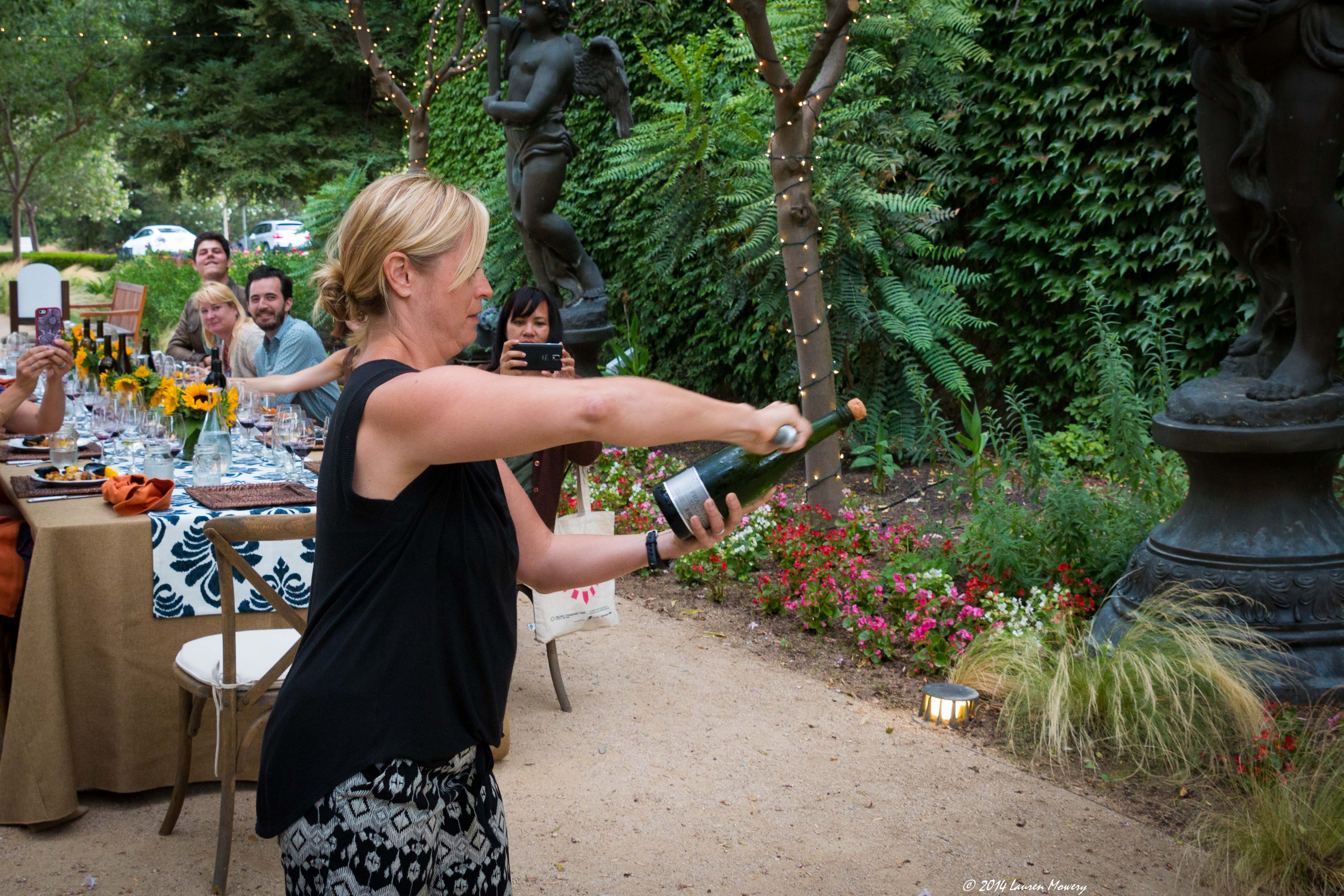
But before I delve into my review of the Genesis and whether your Champagne habit justifies its $500 cost, here are a few bottle recommendations — some favorites from 2014 — worth seeking out for tonight’s toast.
Deal Disguised as a Splurge
Dom Ruinart Blanc de Blancs Brut, 2004, $129
This historic Champagne house produces an exquisite, exceptionally priced vintage tête de cuvee from Chardonnay grapes sourced exclusively from grand cru sites.
Good Value Champagne
Champagne Deutz, Brut Classic, NV, $42
Well-priced, lesser-known label owned by respected house Louis Roederer. So good, it was once the private-label Champagne of Morrell’s Wine Shop, which still carries the brand.
Italy’s Finest
Ferrari Perle, 2007, $38
This sparkling wine house out of Trentino, Italy, does what Champagne can, but for a lot less money: It makes long-aged, layered, elegant, and lively wines, including this vintage bottling, for half of what a Champers would run. The Ferrari entry-level NV Brut is a particular bargain, too, at around $20.
Grower and Organic
Pascal Doquet, Blanc de Blancs Premier Cru, $59.99
From a producer/grower who has diligently converted his vineyards to organic, a rarity in Champagne. This bottle is a blend of those organically farmed grapes from premier crus in the southern Côte des Blancs.
Back to the Genesis…

The Genesis, created by Napa Technology, is the first at-home, single-bottle wine preservation and dispensing system, designed for both still and sparkling wine. You may recall the big hit from last year, the Coravin, which — at one-eighth the size of the Genesis (akin to an oversized Rabbit Corkscrew), and for $200 less ($300 v. $500) — seems like the hands-down winner when compared with the Genesis, until you factor in the former’s incompatibility with bubbles.
The Coravin system inserts a slim needle into the cork, dispenses inert gas and draws out wine like a feasting mosquito, all while keeping the cork intact and the bottle fresh indefinitely. It can’t be used with Champagne, however, due to the air pressure in the bottle; hence the reason you (debatably) need a Genesis, too.
Genesis uses a proprietary technology called IntelliCork: Once the wine’s real cork is removed, the user places the bottle into the system (designed to sit on a kitchen counter and tuck in just below most cabinetry), so oxygen can be removed and replaced with “WineGas” before the bottle is topped with a special cork. Still wines save for two months; sparkling wines earn five extra days.
The product is composed of a silver base and black plastic casing, giving it the appearance of a giant, skinny coffee maker; it comes with two corks for still wine and one for sparkling, plus two canisters of WineGas, which is enough to preserve and pour 24 bottles.
After assessing the machine, I found it easy to use and capable of keeping my sparkling wine frothy. However, I’d recommend buying the Coravin if you like to sample wines over a longer period of time than two months, have space restrictions, and your bubble preservation needs range from minimal to the point of novelty.
But — and this is a big but — for regular drinkers of expensive, pressurized wines, i.e., Champagne (who are you, and can we be friends?), then Genesis is the only product on the market that can squeeze a few more sunsets from the bottle.
And for drinkers who wish to sample and save several sparkling bottles at once, they will need to invest in a few more specialty corks which cost a hefty $59.99 apiece. (The system only comes with one sparkling wine IntelliCork.)
Perhaps greater than for the home user, I see the practicality of restaurants investing in the system: They can offer a greater number of better-quality selections of sparkling wine by the glass, and do double duty preserving still wines, too.
The upgraded Genesis Pro, thus, is designed for tasting rooms and restaurants, costs $899, and comes with 10 IntelliCorks and enough WineGAS to preserve 40 bottles.
If your go-to sparkling is Freixenet (not that there’s anything wrong with it), the Genesis probably doesn’t fit into your budget, but it does give you something to aspire to when making your 2015 resolutions.
Happy New Year!
May 2015 bring you peace, prosperity and good wine.
Where to Buy:
Genesis: $499 plus shipping, is sold at GenesisPreserve.com, Amazon.com, WineEnthusiast.com, and NapaStyles.com
The Wines:
Chambers Street Wines, 148 Chambers Street, 212-227-1434
Flatiron Wines, 929 Broadway, 212-477-1315
Astor Wines, 399 Lafayette Street, 212-674-7500
Filed under Champagne, Genesis Preservation System

If last week’s article on Cru Beaujolais piqued your interest, here’s my guide to the Crus, plus where to buy it and drink it in NYC.
Despite burgeoning quality, the Cru Beaujolais category remains relatively unknown to the general consumer, thus prices hang terrifically low. Skip the $11 Nouveau and other entry-level stuff. At twice the price, you get five times the complexity, structure, and balance, plus all the fruit, with Gamay grown in the granite and schist soils of the Crus.
Winemaking methods significantly affect flavors, and range from the region’s hallmark carbonic maceration (fermenting whole berries in closed tanks to produce a light, fruit-forward style) to Burgundian methods for more serious, structured wines (e.g., destemming the grapes). Interest in organic and biodynamic farming is growing, with a number of fine producers tipping into the natural winemaking category. As younger generations — and energized, historic families — pay closer attention to the attributes of their land and seek quality over quantity, Cru Beau will continue to be a category to watch.
The following list of villages includes expected characteristics in flavor and structure of the wines, with inevitable generalizations. Like anywhere, producer matters. Try to remember a handful of names (producer or region) or just ask your retailer or sommelier for assistance (find our three fave shops and restaurants, below).
The Ten Crus of Beaujolais
Brouilly Wines can vary greatly; it is the largest and most southerly of the Crus. Generally, expect soft and fruity wines with mineral notes. Producers: Georges Descombes, Domaine de Vissoux (Chermette), Jean-Claude Lapalu.
Chénas A small appellation, the wines are hard to find in the U.S. Known for red fruits, earthiness, and a heavier body/tannins. Sandwiched between Juliénas and Moulin-à-Vent. Producer: Domaine Piron-Lameloise.
Chiroubles The high altitude contributes great acidity to the wines, which can be tart in cool years, or fresh, perfumed, and bright in sunnier ones. Producers: Daniel Bouland, Damien Coquelet, Cret de Ruyere.
Côte de Brouilly Small appellation in Brouilly on the slopes of Mont Brouilly. Structured wines with strong mineral character, cherries, and firm tannins that allow it to age. Producers: Chateau Thivin, Terres Dorées (Jean-Paul Brun).
Fleurie Floral (think violets), rich, and round, some can be elegant and feminine, others more masculine. Prices higher than most. Producers: Sunier, Chateau de Fleurie (Barbet), Clos de la Roilette (Coudert), Potel-Aviron.
Juliénas Full-bodied, sturdy wines; sometimes rustic; can age. Flavors lean toward raspberries, cherries, and spice. Producers: Clos du Fief (Michel Tête), Pascal Granger.
Morgon Slightly less powerful than Moulin-à-Vent; mineral-laden wines come from the slopes of the Cote du Py. Known for a group of producers called the “Gang of Four,” protégés of natural wine pioneer Jules Chauvet: Jean-Paul Thevenet, Marcel Lapierre, Jean Foillard, and Guy Breton. Chamonard deserves to make it five.
Moulin-à-Vent Most powerful, tannic (for Gamay), and structured of the Crus, with classic fruitiness. Ages well. Producers: Jean-Paul Brun, Diochon and Domaine de Vissoux (Chermette).
Régnié The newest Cru, wines often have a soft, round, and spicy profile with light tannins. Generally drunk young to enjoy the strawberry and cherry notes. Producers: Charly Thévenet, Guy Breton, Descombes, Chateau de la Pierre (Barbet).
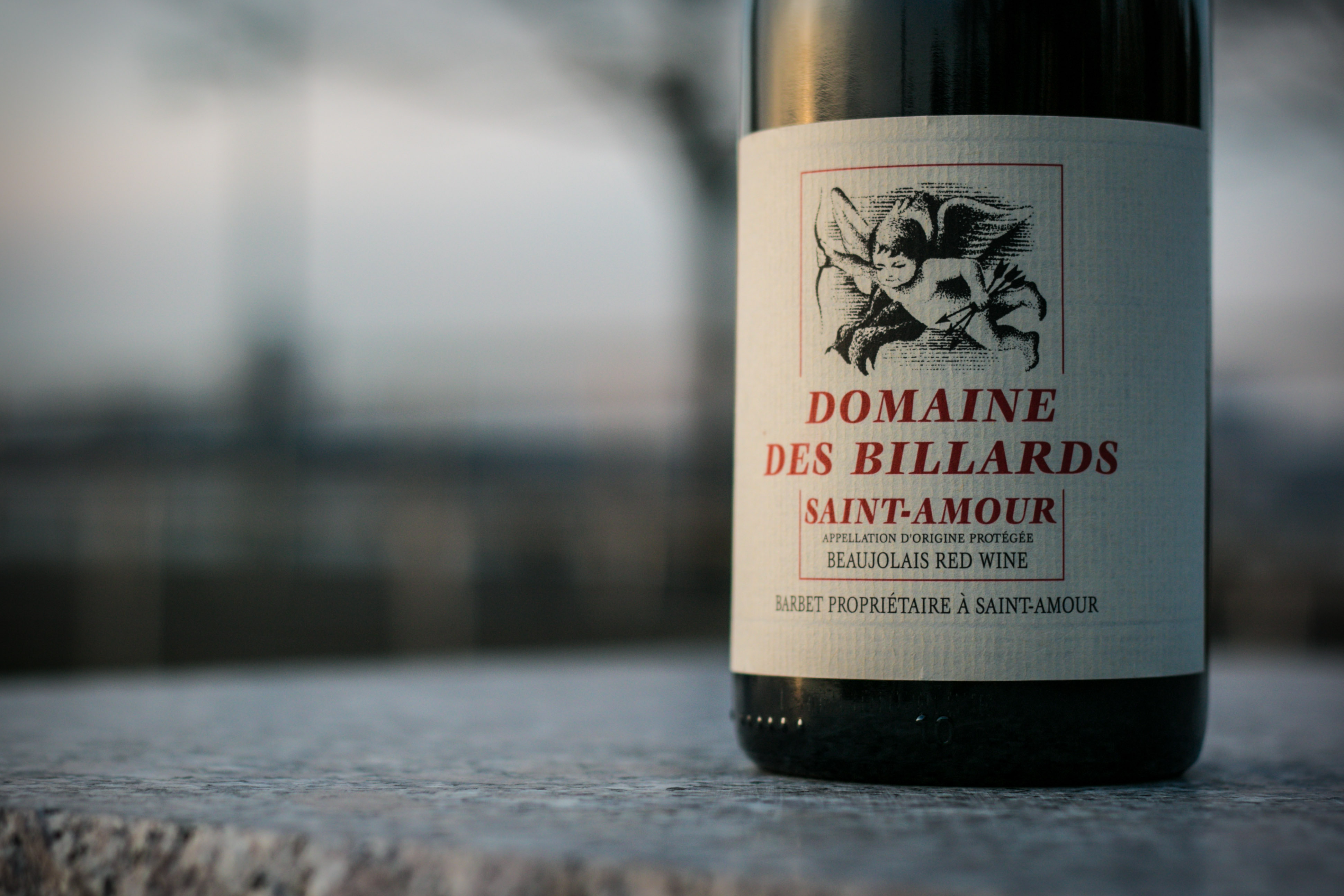
Saint-Amour Northern tip of Beaujolais with limestone soil similarities to southern Burgundy. Intense red fruits and florals with well-integrated tannins. Producers: Domaine des Billards (Barbet), Chateau des Rontets.
Where to Buy
When you’re ready to stock up on a few bottles or even a case of wine, you’ll find the investment in Cru Beau is minimal; the finest bottles fall predominantly around the low- to mid-twenties price range. Sadly, producers are hardly paid what the wines are worth (in fact many are struggling), but until (or if) the market corrects, it’s a buyer’s paradise.
Chambers Street Wines (148 Chambers Street, 212-227-1434) Owner David Lillie pointed out several selections: Roland Pignard, Tradition, Morgon, 2012 for $22: “Certified biodynamic, it’s a beautiful wine showing complex red and black fruits with saline minerality.” Chignard, “Les Moriers,” Fleurie, 2012 for $26: “from very low yields…it has gorgeous raspberry, wild-strawberry and violet aromas and a beautiful light- to medium-bodied palate with bracing acidity.”
Flatiron Wines (929 Broadway, 212-477-1315) The Cru Beau evangelists at Flatiron have a diverse array of bottles, like the elegant and earthy Michel Tete, Clos du Fief, Juliénas, 2011, showing savory beef bouillon and fruity cherry notes for $23, and Jean-Paul Brun’s bright, mineral-driven, raspberry-laced Domaine des Terres Dorées, Cote de Brouilly, 2012 for $22.
Astor Wine & Spirits (399 Lafayette Street, 212-674-7500) Cavernous and competitively priced, Astor carries a handful of options, including the dense, floral, cassis-imbued Clos de la Roilette, Fleurie, 2013 for $22, and the vibrant and taut, cherry-soaked Domaine Des Billards, Saint-Amour, 2011 for a mere $20. A no-brainer.
Where to Drink
Cru Beau is a growing darling of sommeliers citywide. Three wine directors who love the stuff weigh in on their favorites.
Partner and beverage director at Racines (94 Chambers Street, 212-227-3400), Arnaud Tronche particularly enjoys:
Chateau Thivin, Côte de Brouilly: The wine has amazing purity, minerality, plenty of fruit, and can age.
Marcel Lapierre, Morgon: Round, joyful with bright fruit; it’s a classic Morgon.
Guy Breton, Régnié: Earthy with dark fruits; dense, complex, and age-worthy. A minimal amount of sulfur is added.
Sommelier at Claudette (24 5th Avenue, 212-868-2424), Seth Liebman’s list includes at least one wine from all 10 Crus.
Chateau des Rontets, Saint-Amour, 2011: A pretty wine; very soft and beautiful with a nice center of character and structure. It is organic and “natural” in that they do not add any sulfur.
Joseph Chamonard, Le Clos de Lys, Morgon, 1997: The wines from this Chateau…are nothing short of heart-stopping. The 1997 vintage is terrific, though lean and focused with high acidity. It demands your attention.
Jean-Claude Lapalu, Croix Rameaux, Brouilly, 2012: Not to be confused with Lapierre, Lapalu makes wines with guts and strength; they are great drinking and deserve global attention.
Lelañea Fulton, wine director for the Dirty French (180 Ludlow Street, 212-254-3000)highlights:
Damien Coquelet, Vielles Vignes Chiroubles, 2012: The stepson of Georges Descombes, he makes a mean Chiroubles Vieilles Vignes.
Stephane Aviron, ‘Côte du Py, Vielles Vignes’ Morgon, 2011: An old-school vigneron, his Crus drink much like Burgundies.
Pascal Granger, ‘Grande Réserve,’ Julienas, 2009: Granger produces wines of deep dark fruit and amazing structure. They are powerhouse wines.
Filed under Beaujolais, France
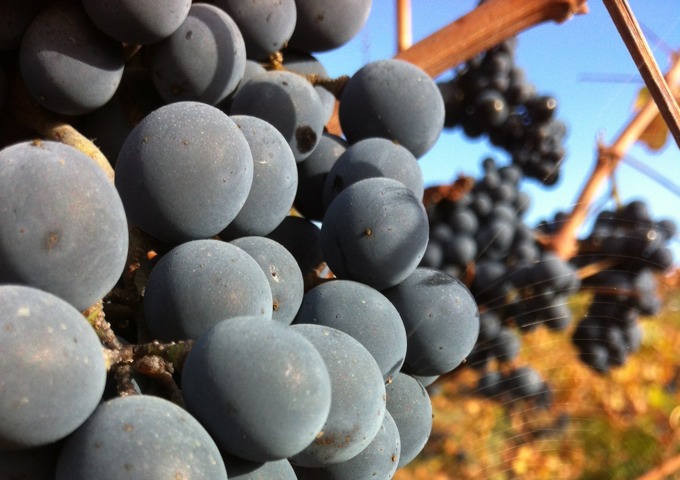
Lately, I’ve heard rumblings through the drinks media that a new breed of Chilean winemakers have been fighting to disabuse us all (consumers, trade, and journalists) of the notion that wine from this slender, rugged South American country is innocuous juice produced from a few grapes, in a few regions, by several large-scale producers for the mainstream, value-oriented market (or premium Cabernet, red blend consumer). Last night, I discovered one such group during a tasting of the wines of MOVI Chile.
Chile stretches like a gaping black hole in my drinking resume – I usually forget to consider Chilean wines when selecting a bottle for dinner probably because I don’t stock any in my wine fridge, and I’ve rarely written about the country chiefly because I can’t recall ever having a coup de foudre moment — that lightning bolt-to-the-heart, in love with a bottle, butterflies-in-the-stomach reaction — with any of the wines. But my exposure, thus far, has been limited to a few big brands, so I’ve been on a quest to find boutique producers in the NYC market. They have to exist, right?
My travels around the world repeatedly teach me that the U.S. market never depicts the full and rich picture of a country’s wine industry – there’s always a renegade group (often several) on the ground, somewhere, making gutsy wine, testing new terroir frontiers and uncommon grapes, and pushing against conventional boundaries of both viticulture and style. Unfortunately, I’ve yet to visit Chile (for wine anyway) to survey the scene on the ground.
Well, ask and ye shall receive. Utilizing the power of social media to query contacts about wineries that might fit the aforementioned category, within an hour, my question had been answered: a colleague connected me with Derek John Mossman Knapp of Garage Wine Company via Facebook. Serendipitously, his group, MOVI Chile, would be hosting the last NYC tasting of the year on December 2nd at a West Village restaurant near my house.
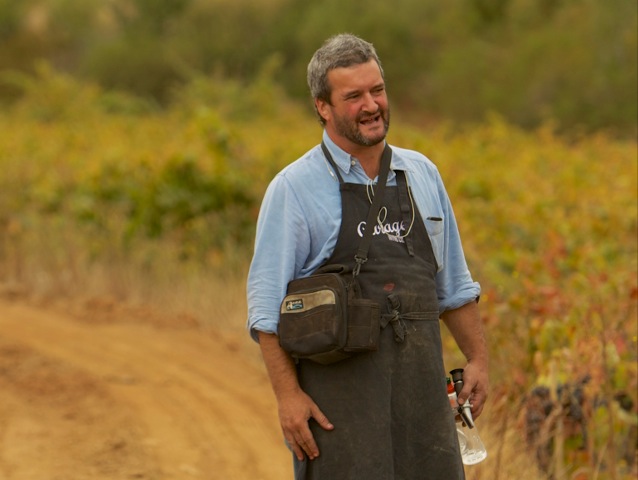
Photo Credit: Garage Wine Company
MOVI stands for Movement of Independent Vintners. The group has 24 members, and was founded by 12 of them in 2009. The members are: Acrobata, Armidita, Attilio & Mochi, Catrala, Clos Andino, Corral Victoria, Erasmo, Flaherty, Garage Wine Co., Garcia Schwaderer, Gillmore, Kingston, Lagar de Bezana, Laura Hartwig, Meli, Merino, Peumayen, Polkura, Rukumilla, Starry Night, Trabun, Villard, and Von Siebenthal. (I don’t yet have a list of who is imported where.)
The MOVI manifesto, subscribed to by all members, pledges to make wines on a small, human scale (not by specs for a supermarket) that tell a story and share the personality of both the soil and maker.
One stated goal is to “seek emancipation for independent vintners, to free them from the constraints of the volume driven suppliers and offer them the opportunity to be artisans without need for scalability.” However, their objective doesn’t involve lambasting or repudiating the current Chilean wine industry paradigm – there’s no question that it has helped focus a measure of international attention on the country — but to expand it and “complement it by providing breadth of choice”.
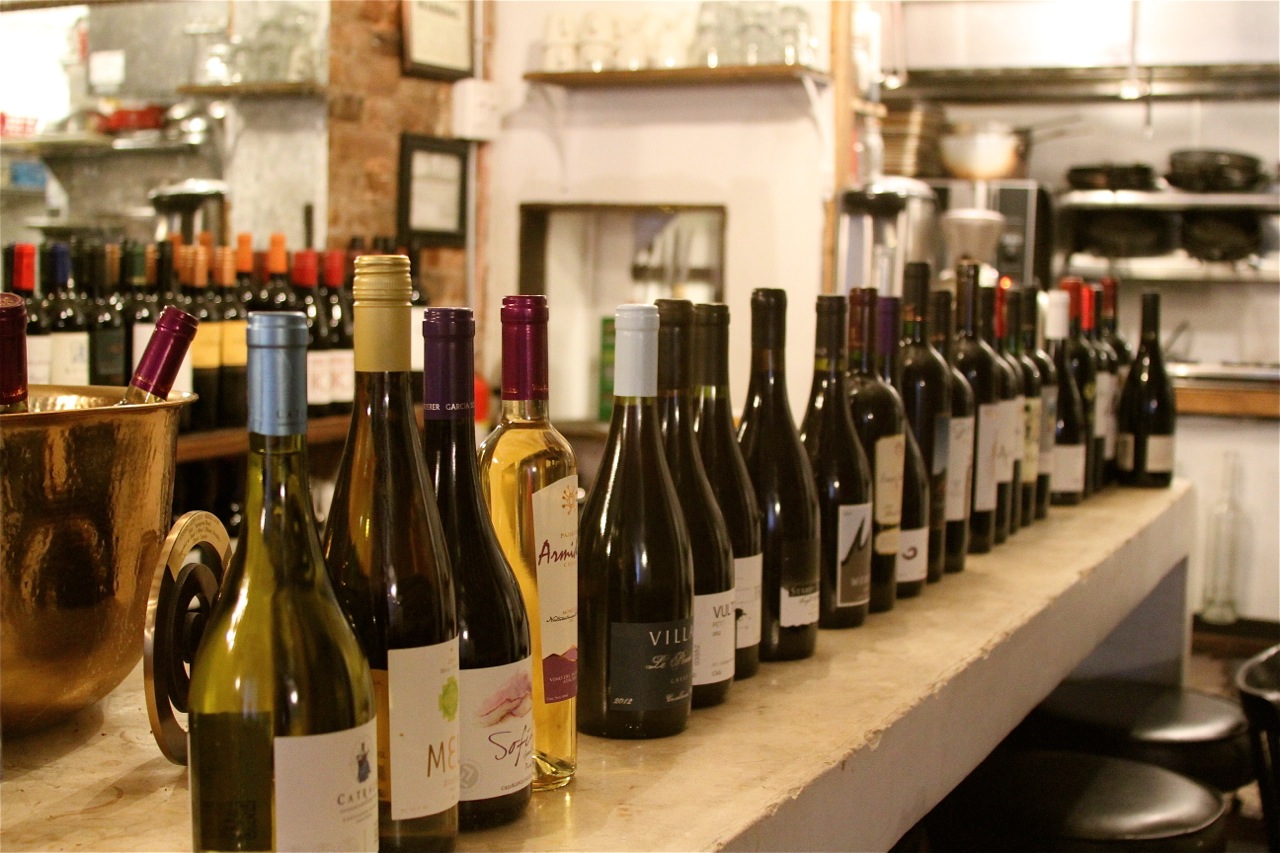
By marketing themselves together, they harness the power and resources of the many to showcase the talents of the individual, and the farmer/winemaker can worry about the business of crafting wine, without wearing the additional hats of public relations rep, marketer, and salesman.
One representative from the group, Charlie Villard of Villard Wines, flew to New York to host the tasting of nearly twenty wines – almost every winery selected one wine for the event. An intimate group of local media and industry gathered at cozy, Latin-fusion restaurant Comodo for three hours of appetizers, wine, and discussion.
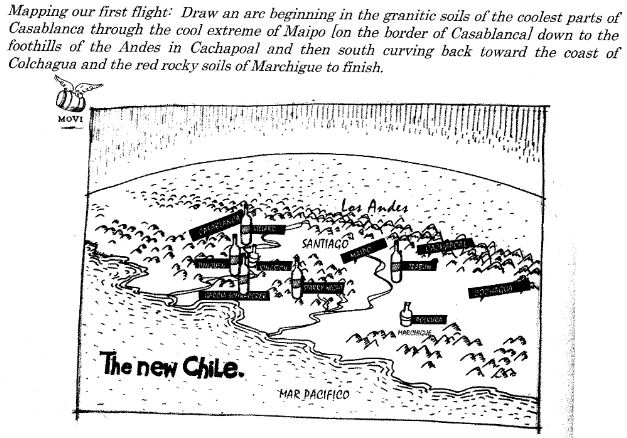
While the wines were not assessed in a flight format (as implied by the excerpts I’v scanned below), MOVI sought to introduce three broad concepts by which tasters could consider their wines. The first idea, “The New Chile,” presented wines from recently explored terroirs and/or less mainstream grapes.
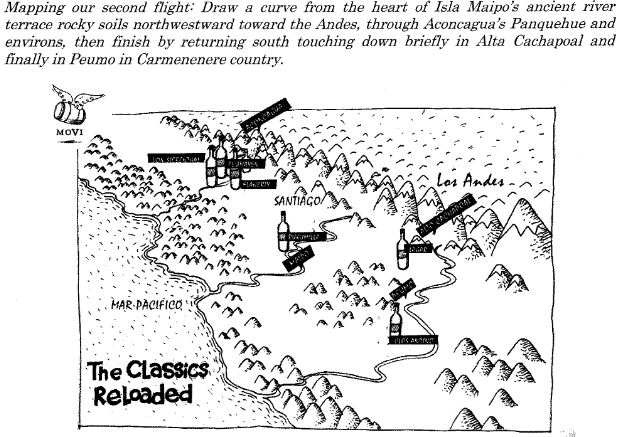
The second, “The Classics – Reloaded,” showcased red blends from historic regions, re-interpreted without “corporate constraint.”
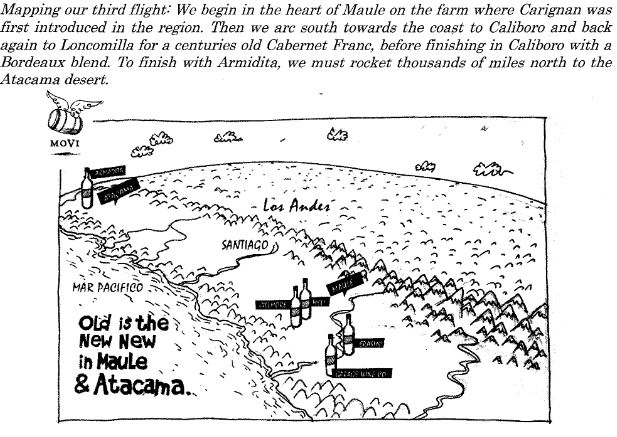
The third concept, “Old is the New ‘New’ in Maule and Atacama” highlighted old, bush-head vines from soils farmed for centuries, only recently reinvigorated.
I tasted through most of the line-up, and finally had my coup de foudre moment with Chile. Let’s hope lighting strikes twice.


Here are my ten favorites from a stellar line-up of wines, in order of tasting. Apologies for the lack of bottle shots, but I didn’t have my camera with me last night. (All images provided by MOVI.)


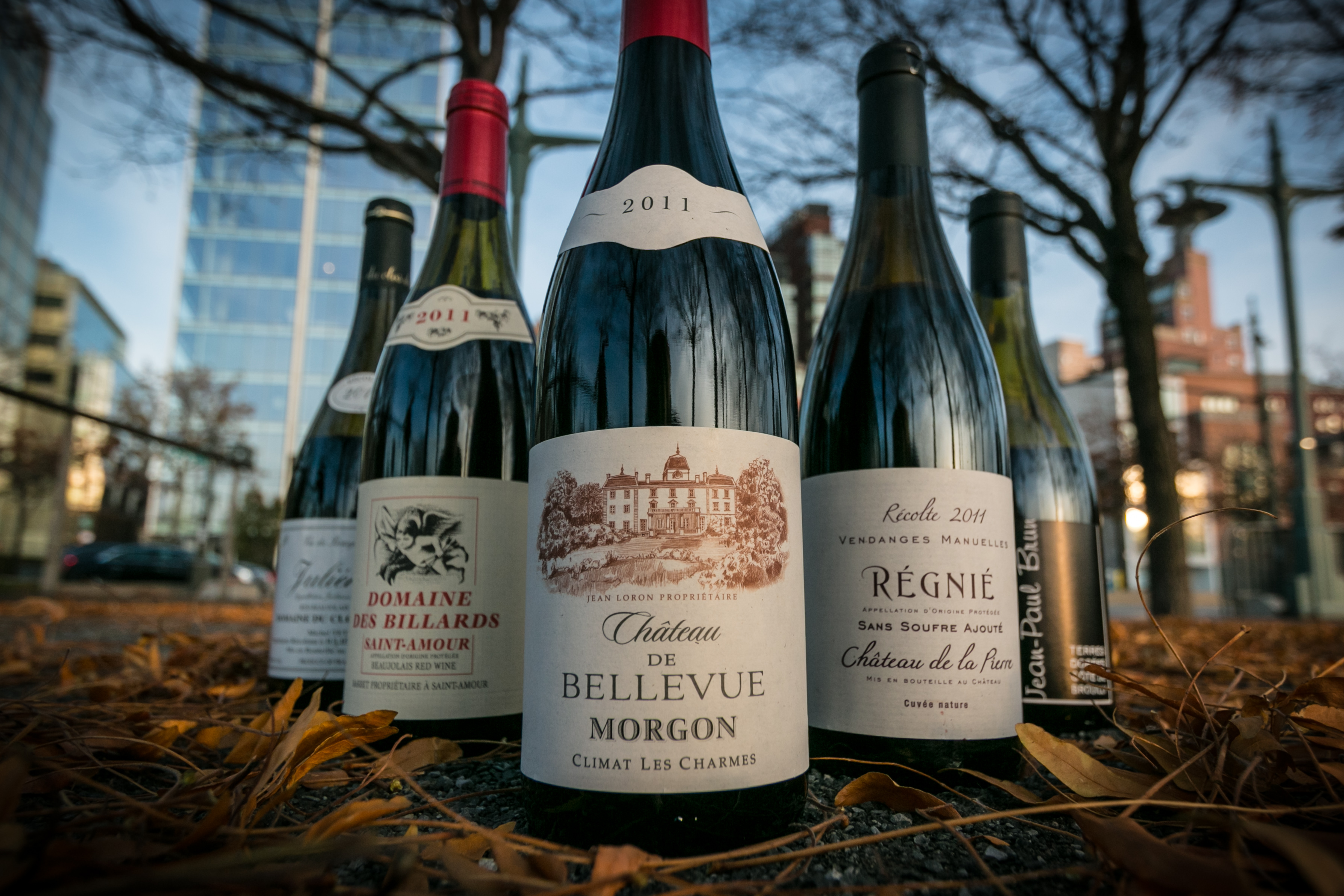
Last week, a Beaujolais disciple emailed to say he would sic Ted Cruz on me if I recommend anything other than ‘merican wines on Thanksgiving, and this guy loves Gamay (and is a Canadian). But at the risk of offending patriotic readers (and inviting that Texas hound to track me down), I am committing to the following statement: Drink Cru Beaujolais on Thanksgiving.
While this is neither the first nor last time you’ll read “Beaujolais goes great with turkey! Stuffing! Football!” it’s a point worthy of unbridled proselytizing: Cru Beaujolais, not to be confused with the basic Beaujolais or the marketing machine known as Beaujolais Nouveau, offers absurd — nay, criminal — value, given its range of expressions, vibrancy of fruit, layers of complexity, food-friendliness, and sheer pleasure for a very, very low price.
Unfortunately, in the short term, any discussion of Beaujolais requires a preface for clarification, like Australian Shiraz. “Yuck,” you say? Exactly. The stigma attached to it — what people think Beaujolais is — and what Beaujolais can actually be are continents apart. Here’s a quick rundown of why.
Beaujolais is a region in central-eastern France (actually, the southern tip of Burgundy) which produces light-bodied red wines from the Gamay grape (Gamay Noir à Jus Blanc, in full). Akin to Nebbiolo from Piedmont (Italy), the wines have an inimitable quality that comes from the unique match of grape to soil to climate, a/k/a terroir. Gamay just doesn’t taste interesting when grown elsewhere (except, perhaps, in a small pocket of the Loire). But unlike Barolo or Barbaresco, the heralded villages of Beaujolais — e.g., Morgon, Fleurie — are foreign, in both name and concept, to the majority of consumers who’ve mostly only known the wine as Nouveau.
In the medieval villages of Beaujolais, a long tradition of celebrating the harvest with freshly fermented wine took place annually in November. The wines were drunk locally and were rarely, if ever, exported. Michele Peters of NYC-based David Bowler Wine, an importer and distributor with a particularly strong portfolio of small-production Cru Beau, reflects on the tradition: “My first experience with Beaujolais Nouveau was in Paris. It was always a fun day and involved trying the newly released wines with friends and noshing on dried sausages.”
But a quaint custom with honest intentions became twisted into a marketing gimmick that would ultimately reduce perception of Beaujolais down to a synonym for cheap, young, mediocre juice celebrated more for the party than the wine (like a vinous vodka). Vignerons were not innocent victims: The willingness of many to compromise farming and winemaking standards for a chance to sit at the global table besmirched their own reputation.
Despite its connotation, the question of whether Nouveau has helped or hindered consumer awareness of Beaujolais remains up for debate. Lelañea Fulton, wine director for the Dirty French, believes “it overshadow[s] Cru Beaujolais and creates an ignorance surrounding Gamay Noir and the terroir of Beaujolais. Like Liebfraumilch of Germany, the extensive distribution of what can’t be seen as anything more than a lipstick wine can have a negative impact on the general public.”
Paul Grieco of New York’s Terroir wine bars, on the other hand, thinks “nothing overshadows the Crus of Beaujolais. Since the majority of us cannot afford the Grand Vin from further north…we can still get our Burgundian fix from the original Burgundian grape, Gamay.”
Peters finds a positive aspect of the Nouveau release each year: “It gives smaller retailers who rely on customer education a chance to teach [them] about the variety of Crus available.”
Which brings us to the 10 Crus of Beaujolais. Wines from these villages sit at the top of the quality hierarchy (of which Beaujolais, the region, has three tiers), each village offering an expression of Gamay considered distinct enough to warrant its name as the appellation. The village names are: Brouilly, Chénas, Chiroubles, Côte de Brouilly, Fleurie, Juliénas, Morgon, Moulin-à-Vent, Régnié, and St.-Amour. Immediately below Cru Beau is Beaujolais-Villages, and at the bottom rung sits entry-level Beaujolais.
Why are these wines still relatively undiscovered? First, they are labeled with their village names (although “red Beaujolais wine” is found in smaller print on the label), so consumers need to ask their retailer for help or have a few names memorized. Second, recognition takes time, especially in light of the region’s recent history. Finally, better vintners produce fewer bottles, so it’s harder to find. They are focused on lower yields, less manipulation of the wine, and expression of terroir. This philosophy makes for interesting, soulful wines, but is incompatible with large-scale production.
Peters has noticed an uptick, though, in interest: “Beaujolais sales seem to increase every year at every level, Nouveau, Villages, and Cru. Cru delivers the best value because you can spend $15 to $30 a bottle and keep the wines for years.”
Fulton, too, has seen an escalated interest in Cru. “I have never been asked for Nouveau…I find that our list tends to attract consumers who want to experience different types of Cru and want to discuss it to understand the intricacies of it.”
Cognizance of Cru Beau is inevitable, given its affordability, quality, and utter deliciousness. For Fulton, “there is no other region that can produce Gamay Noir so boldly and beautifully as the Cru of Beaujolais. The amount of variation in the characteristics of the grape varietal from Cru to Cru is immense and stunning.” Sounds like a reason to drink Cru Beau not just on Thanksgiving, but any day of the year.
Here’s my guide to the ten Crus, including where to buy it and drink it around NYC.
Filed under Beaujolais, France
 |
All photos by Carl Timpone |
In case you missed my column Unscrewed, here’s a second chance to read about the 2014 Long Island harvest.
For the New York wine industry, nervous anticipation of fall isn’t about the return of fireside cocktails, knee-high leather boots, and felt fedora hats, or tacit permission to eat like a grizzly headed into hibernation. Autumn equals harvest, and depending on the quality of the growing season, which runs right up until the minute each cluster of plump berries is separated from its life-giving vine, that can be a joyous or heartbreaking occasion; a single, severe storm at or before picking can decimate a year’s worth of toil.
As the last grapes of the season were collected, I consulted the family and winemaker at New York’s Winery of the Year (awarded by the New York Food & Wine Classic), Macari Vineyards, for a report on the vintage and the future of Long Island’s 2014 wines. Prognosis: Expect deliciousness.
Winemaker Kelly Urbanik-Koch gave a resoundingly positive weather account: “We experienced a relatively cool and dry summer. We usually receive rain in September and October, and summer humidity is frequently an issue, but this year, humidity was mercifully lacking, resulting in little to no disease pressure in the vineyards.” Urbanik-Koch is one of few female winemakers in the region. She’s also young, at 34, making her a refreshing anomaly in the older, male-dominated Long Island wine industry.
The Macari family has owned and worked the 500-acre waterfront farm in the North Fork since 1963, although the winery wasn’t established until 1996. Joseph Macari Sr. planted the vineyards with his son Joe Macari Jr., fulfilling a lifelong dream that began in a Depression-era basement in Corona, Queens, where he made his first batch of wine.
A shining example of the term “family business,” Macari Vineyards is now run by three generations, including Joe Sr., now 87 years old, and each contributes to its success. Joe Jr. manages the vineyard and cellar teams, while his wife, Alexandra, oversees the tasting rooms and wine club and gives feedback on blending decisions. Their four children — Joe Macari (yep, a third Joe, and also a vineyard manager), Thomas Macari, Edward Macari, and Gabriella Macari — all keep the gears greased, especially during the intense, backbreaking hours required by harvest.
Gabriella, who oversees distribution and marketing, expects the 2014 wines to be elegant and expressive with intense and complex flavors due to a slow and steady ripening season. She said their biggest challenge of the year was being restricted in the amount of experimentation they normally do: “With such gorgeous fruit, we weren’t limited by nature, but rather time. All those healthy grapes kept us too busy pressing to think about anything else. It’s a good problem, but it made for a very laborious year.”
 |
Adding to the strenuous nature of vineyard work is the Macari philosophy of farming along biodynamic principles, a practice Joe Jr. incorporated long before the concept gained mainstream awareness. “We are by no means certified biodynamic and do not follow it rigidly, but we believe small implications have helped our vines tremendously,” says Gabriella. The family tends a herd of cattle that contributes manure to the composting program. They also keep bees and sell a small amount of honey to local restaurants, the remainder given as gifts to fortunate friends.
Continuing unintentionally ahead of the trend curve, the Macaris produce a low-alcohol Chardonnay they release right after harvest called Early Wine; it sells out quickly every year. (Low-alcohol wines have been a growing category around the country.)
However, it’s Long Island’s classic grape, Cabernet Franc (if there is a designated “classic” yet), that has the family excited about the new vintage.
When young, Cab Franc expresses North Fork terroir with savory herbaceous notes mixed with bright red fruits and refreshing acidity. With age, olive and dried herb notes can develop, while high-quality wines retain balance and acidity, have length, and develop silky tannins, like the Macari 1997.
“We opened our ’97 Cab Franc for a tasting last March at Astor Center and it blew me away,” says Gabriella. “The wine could have held on a couple more years. It’s proof that our wines have world-class longevity, and it is motivation for my family to keep producing the grape as a single varietal.”
For those eager to sample the vintage without waiting for the 2014 Cab Franc, not likely available until late 2017, Macari just released the Early Wine last week. The wine can be purchased in one of its two tasting rooms or on its website.
Fortunately for most Long Island vintners and their fans, 2014 was an excellent vintage. If the best wines age as well as the 1997, made in an average year, then expect remarkable results.
 |
Filed under North Fork, Long Island
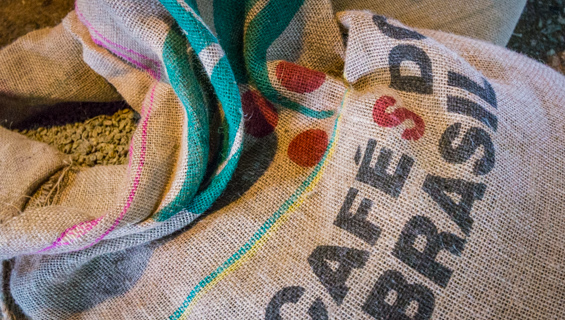
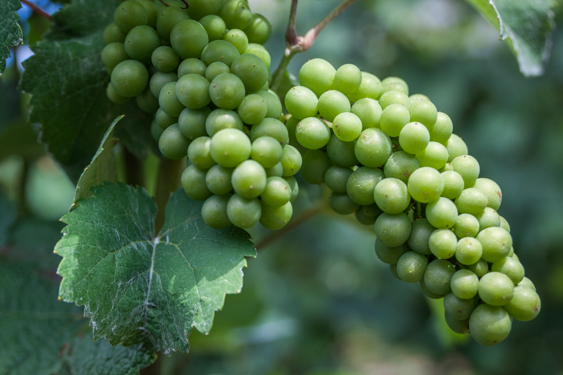
A few months ago, I had a conversation with a respected wine journalist and Master of Wine that left me incredulous for this person’s surprising attitude towards coffee. Asked to expound upon the significant parallels between both drinks, a nascent but certainly timely topic, this industry luminary quipped, “The only thing I care about in my coffee is that it is scalding hot.” It wasn’t a joke; it was declared almost indignantly. This writer might as well have told me their favorite beer in the world was Bud Light. Maybe this Mad Men-era opinion was earned after multiple decades in the wine industry, but I like to think not; and if you think this way, you are woefully out of date as well.
How could a wine lover and educator, a connoisseur of flavor and devotee to complexity and origin, nonchalantly dismiss another comparably complex, fragile, and nuanced liquid gift from the earth?
I write Unscrewed, a Village Voice column dedicated to wine, and Filtered, also for the Village Voice, dedicated to New York’s ever-evolving coffee (and tea) world. These two realms share many parallels that wine lovers should appreciate. If you start to look at coffee like wine, you’ll drink better brew.
A Comparison of Coffee and Wine
Species and varietal classifications are key to understanding taste profiles
In the vinous world, grapevines Vitis vinifera (what we mostly drink) and Vitis labrusca (includes the Concord grape, and has earned a reputation for less desirable foxy aromas) are examples of high-quality v. working quality species. For coffee, that parallel is drawn between Arabica and Robusta.
Your local barista sells Arabica beans. She makes espresso with Arabica, pours your V-60 or Chemex with Arabica, serves drip from the Fetco with Arabica.
Robusta is considered a lower quality source. It’s mostly grown in Vietnam (when’s the last time you were offered a pour over originating in Vietnam?) and is used in many commercial blends such as Maxwell House, Yuban, and Folgers, whose cans of ground coffee still sell in supermarkets.
Within the Vitis vinifera subset of wine grapes, there are hundreds of varieties commercially cultivated for winemaking — Cabernet Sauvignon, Merlot, and Chardonnay are a few obvious ones.
Coffee’s equivalent of a “variety” is a cultivar. There are thousands of coffee cultivars within the Arabica species, important ones including Bourbon, Caturra, Typica, and the highly-prized, and priced, Geisha.
Each coffee cultivar exhibits certain, consistent flavor profiles but can still transmit the taste of a place, or terroir, when grown in different regions. Imagine the red berry flavors in a robust California Pinot Noir versus similar red fruits coupled with earthy notes in a lighter German version.
 |
Terroir matters
I recall a great quote by writer Gabriel Chase. When attributing terroir to the differences between cognac and armagnac outside of distillation, he likened the notion of doing so to inventing a God to explain the unknown.
Terroir (literally French for soil) attempts to reference the precise growing environment (geography, soil, general climate, plus specific weather patterns that vary to year) of a specific area that renders its wine inimitable.
How tightly that is defined depends on the region and grower. Terroir isn’t given much (try zero) consideration in the large, hot swaths of heavily cropped and irrigated industrial vineyards of Colombard and Ruby Cabernet in Central California. In Burgundy, however, very small plots of land have demonstrated very different terroir. One hectare (about 2.5 acres) of Pinot Noir on a high, sunny slope of Morey-St-Denis compared to a neighbor’s bordering land with forest shade and slightly different soil and mineral patterns, can produce dramatically different wines (the hand of the vigneron notwithstanding).
The concept of terroir is new to coffee and just being explored, but there are some commonalities with wine, especially as far as recognition of origin and the flavor expectations that come with it. For example, several Ethiopian regions are now famous enough that many enthusiasts intrinsically understand that Yirgacheffe, Sidamo, or Harar indicate quality when scrawled on a blackboard in their neighborhood coffee shops.
 |
Sensory Experience: Flavor, body, and acid
Around 200 flavor compounds have been discovered in wine. If you’ve ever been around a professional wine taster assessing a flight of Bordeaux, you may hear terms like cassis, cedar, and graphite bandied about. They’ll also comment on the body: light, medium, or full, and note the acid levels ranging from low to high.
Well, sidle up to a professional coffee cupper or Q grader and listen to the tasting notes they magically pull from a list of almost 500 flavor compounds found in coffee. More than double known to wine!
Just as red Bordeaux wines exhibit certain, consistent characteristics, so to do coffees. For example, recurrent elements found in Ethiopia’s Yirgacheffe (mentioned above) are vibrant acidity, and citrus and floral notes, whereas coffees from Harar often have exuberant fruit aromatics, especially blueberry, apricot, plus spice notes. I can practically taste blueberry pancakes in some of the finest coffees of Ethiopia.
 |
Wine and coffee quality both begin in the farm
Vintners confess that wine is made in the vineyard, and the same holds true for coffee. Just like seasonal harvesters of grapes, coffee farm workers have to learn how to properly pick ripe fruit, sort the good from the bad, and care for the beans to prevent mold or desiccation. Pruning, spacing, pest management, and watering are among the many considerations for coffee farmers, just like grape growers, to control and optimize, and both are susceptible to flavor variability due to seasonality, as well as devastating weather that can wipe out their crops and livelihoods for the year.
Geography
Wine grapes grow within a certain band of latitudes, the 30th to 50th parallels. Excessive heat shuts down grape development. High humidity promotes disease in the vineyard. Frigid weather kills vines during winter. Grapes need defined growing seasons with moderate winters for dormancy. (Although this notion is being challenged with so-calledNew Latitude wines.)
Coffee, also, has geographically productive limitations. The plant prospers in tropical regions, at altitudes generally above 3,000 feet which provides consistency in temperature, sunshine, rainfall, and also better drainage.
Seasonality
Grapes harvest occurs once a year. The concept of seasons applies to coffee harvesting, too. We all likely expect to drink a cup or two of coffee every morning, but we must forgo the notion that it will be the same coffee every day, unless we drink coffee with a heavy roast or from those aforementioned supermarket containers. Kenya’s crop arrives around late winter through spring whereas beans from Central America should arrive from spring through mid-summer.
Other flavor influencers
Compare the result of stainless steel storage versus new French barrique for wine, to the length of time and degree of heat used when roasting coffee. If a winemaker puts a subtle Pinot Noir for two years in new French oak, that Pinot won’t emerge tasting like fruit alone. If a roasters chars a delicate coffee (one could argue most coffees are delicate when green), until it looks like oily, black stones, you also won’t taste the primary fruit character of the coffee. That beautiful blueberry note found in your Harar? Transformed into toast.
 |
I could carry on comparing grape mutations, hybrids, and crossings to coffee cultivars; the effect of hand-harvesting versus machines on grapes and coffee cherries; large, commercial farms versus small, estate grown fruit; and add that home brewers should remember beans are perishable and need to be stored properly, like your wine, but you’ve probably got enough to consider. Just remember, that coffee is a delicate product, as Nobletree’s John Moore said, it’s a “miracle it actually makes it to your cup.”
Filed under Coffee and Wine








 CHASING THE VINE