An Afternoon with West Village Wine Retailer Jean-Luc Le Dû

If you missed my interview with Jean-Luc Le Dû, here is your second chance…

After winemakers, the most valuable people in the wine business today are passionate retailers. Sommeliers, wine critics, importers and anyone else involved in the world of wine — they’re all important, just not as much. Why? Retailers interact face-to-face with hundreds of thirsty consumers, sometimes on a weekly basis, and thus have the best opportunity to build trust, educate, and inspire people to be curious and drink more adventurously.

Note the distinction between retailer and passionate retailer. The city has loads of drab wine and liquor stores hawking booze to alkies with the same exuberance the trash men have for tossing our garbage into their trucks — they don’t care what it is as long as they move it. The good ones, though, are invaluable to the industry and consumers alike because their fervor for wine is as contagious as singing in a Southern Baptist Church. Last week, we caught up with one of those good guys — Jean-Luc Le Dû.

Jean-Luc is the owner of Le Dû’s Wines, a wine and spirits store in the West Village. Originally from Gourin, France, he currently lives downtown in Battery Park. Prior to opening his retail shop in 2005, Jean-Luc spent ten years as chief sommelier at Daniel, so he knows his wine. We talked recently before one of his outstanding weekly in-store tastings.

What was your first memorable wine experience?
In 1987, I was invited to my aunt and uncle’s house in Queens for Thanksgiving dinner. I was 22, knew nothing about wine and brought a very cheap négociant (a wine merchant who buys, bottles and sells must or wine from an outside source, under their own label) bottling of Saint-Émilion. The gentleman sitting next to me, the father of my cousin’s girlfriend, brought a bottle of 1964 Cheval Blanc. I commented to him, “Oh, this is great, we brought wines from the same village–we have good taste!” The guy was very nice about it and said, “Actually, you are right–it’s a different estate, but the same village.” Then I tasted his wine and I was blown away. The following week I decided I would find a bottle because I had never tasted something like that before and wanted to do so again, but the one I found was $250 and way above my pay range. After that experience, I decided to devote $100 a week to my wine education by visiting wine shops and trying new bottles.

What was your first job in the wine business?
I was the head captain at Bouley for 3 years, but I had wanted to leave and work as a sommelier. Right after Bouley, I went to One if by Land, Two if by Sea, the only opportunity that presented itself at the time. It was 1994, and there really weren’t a lot of sommeliers in New York. There were maybe three or four. I didn’t stay there very long, but I got my first chance to compose a wine list and to turn people on to wine, so that was very exciting, because that was where I really wanted to go with my career. I went to Daniel right after that.

What is the role of a sommelier today: teach, guide or take orders from the customer?
The role of the sommelier on the floor is to first be a wine waiter. The sommelier is there to take your wine order and, depending on the level of decorum in the restaurant, maybe taste it to make sure it’s good or smell it to see if it’s corked. That is their first role. Everything else is extra. A sommelier should really be a psychologist at the table. He or she is there to gauge the customer, and understand if it’s a couple on a day when they don’t want to be bothered and just want two glasses of wine, or understand if someone is passionate about wine and is really eager to chat. You really have to read your customers to see how much involvement they want from you at the table. Not everybody’s looking for a transcendental experience from the sommelier.

How did you decide to make the transition to retail? 
I had been at Daniel for ten years, and it was a wonderful experience, but I wanted to do other things. The West Village is one of the most vibrant places in the city, and I wanted to be involved in the fabric of it. I felt if we provided a great product and great service, we would be able to attract great customers.

What are the pros and cons of the retail biz?
Right now is an amazing time to be in retail. Something unfortunate happened in the mid-’90s and we are finally getting out of it — the era of the wine critic. For a while it was hard to sell a wine if it hadn’t been stamped with approval by Robert Parker, or others; but now you see customers are getting much more confident. In the last year or two, more and more people are listening to the writing we do independently at our shop. We write emails that reflect our personal passion, and I think people are more interested in that point of view rather than that of a wine critic.

Have New Yorkers’ wine preferences changed over the last few years?
People drink less and less Bordeaux. Bordeaux was the main wine region sold in shops for a long time, but they have priced themselves out of the market; it’s too bad, because there are some delicious wines made there. However, there is really a spirit of adventure in the New York consumer that is very exciting given all the regions around the world worth exploring. Take Chile and Argentina–they were on shelves ten years ago because they were inexpensive, but are today making many delicious wines. And in France, there are areas like the Jura that have been seeing a lot of interest in the last two or three years. And there has never been a better time to drink American wines than today.

Are there any wines you refuse to carry?
[laughs] Ummm, no. Why don’t I tell you about the wines we do carry. We work with independent, artisanal wineries and domaines from around the world that are family or privately owned, that work organically, biodynamically or as close to as possible as they can. We work with wineries that don’t use GMOs and are passionate about the place that they are from and that come from real terroir.

What happened to the Australian wine market?
It was really a segment of the Australian wine industry that screwed it up for everybody. Yellowtail and those huge brands that were created played on margins and currency — that’s how they made money — and the second the currency wasn’t in their favor, the whole thing fell apart. All of a sudden they needed to sell a billion gallons of crap to make money. And consequently, everything from Australia was viewed as bad. Yet there are a lot of old vines and very passionate, dedicated winemakers that make great stuff; little by little we are seeing those wines trickle back into the market.

Lauren Mowery

Which wine or grape is the least understood or respected? 
Beaujolais. No, the Gamay grape. Don’t say Beaujolais in this interview, it’s like a dirty word. If you say that name, people will think of a headache-inducing rush of a wine that’s really not pleasant and is a hyper-fruity, banana-smelling concoction. But the wines from the Cru of Beaujolais like Morgon, Moulin-à-Vent, and Fleurie are some of the most satisfying, quenching, lively wines in the world. If you told me I had to drink the same wine, from the same region, night after night, I would say Beaujolais. They are great when they are young, great when they are old; they are just pretty. People are now discovering they are cellar-worthy at the higher end.

Which wine region should consumers explore for good value and quality?
Sicily. It is really an up-and-coming region that has a long history — I think it was the first place vines were planted in Italy. This is an area that is warm, but has a very long growing season; there is very old terrain, many unique soils, and a series of hills and mountains on which grapes can be grown at high elevations. What’s being done in the Etna D.O.C. is fantastic–they are growing on black rock and old lava formations. For me, they are some of the most exciting wines of Europe. And a good Negroamaro costs as little as $12 or $13. Really great stuff for the money.

What do you drink when relaxing at home?
I generally like simple wines at home. Simple foods require simple wines. But I also love Spanish Riojas. I am a huge fan of Pinot Noir from the Sonoma Coast. There is good Pinot Gris being made in Oregon. Also, aged German Rieslings are one of the great beauties of this world, and yet they aren’t that expensive.

If you could be traveling somewhere else right now, where would you be?
Sicily. There are not many vineyards in the world that have such a dramatic setting, sitting up to 2700 feet on black lava rock with very old vines. Then you can visit some of the most beautiful archaeological sites in Europe, and hit the beaches on the Tyrrhenian Sea. I think this would be the perfect wine region to spend time in, and I would love to make it my next trip.

Le Dû’s Wines, 600 Washington St., 212-924-6999

 

1 Comment

Filed under Interviews, Jean-Luc Le Dû

Beauty and the Bottle

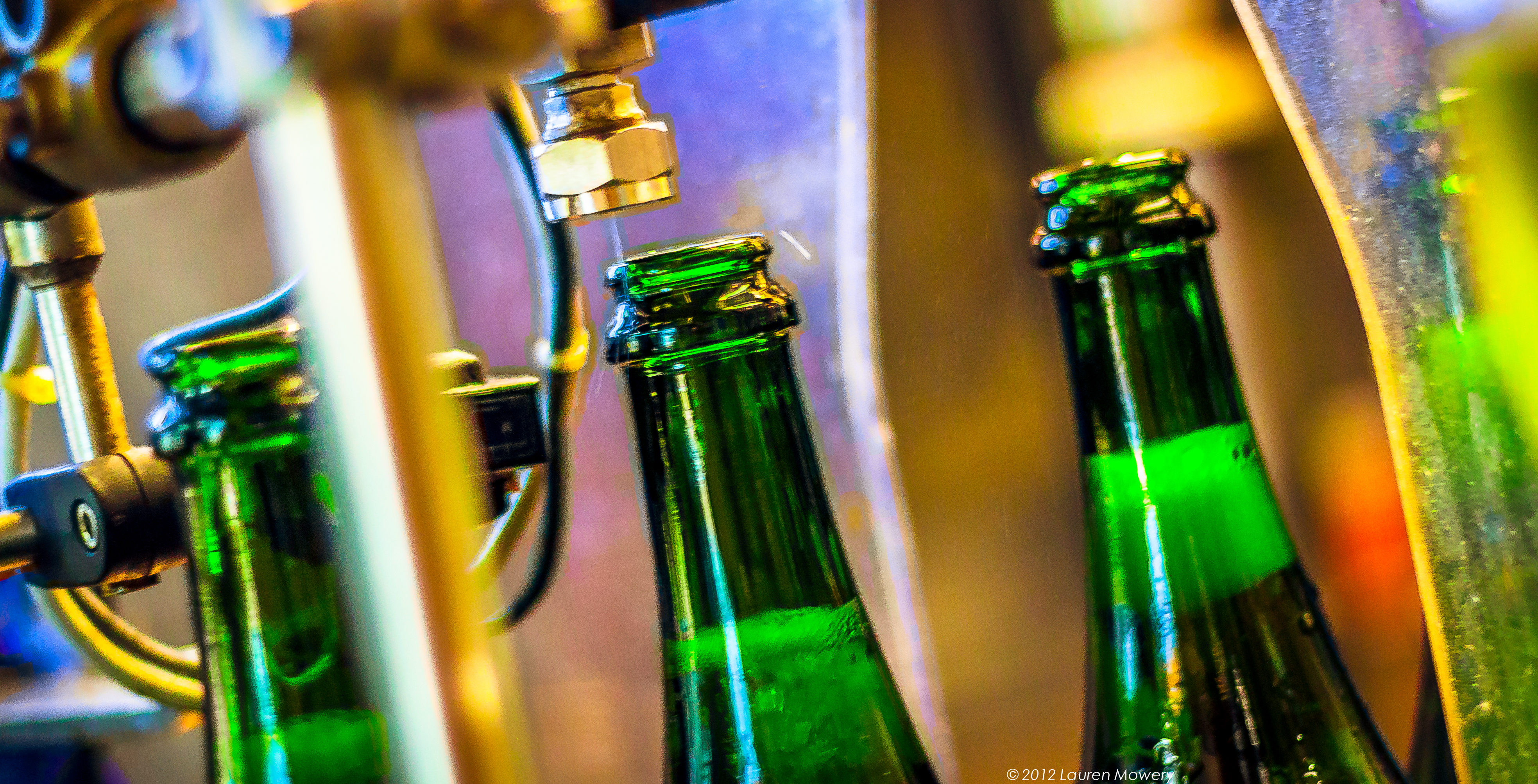
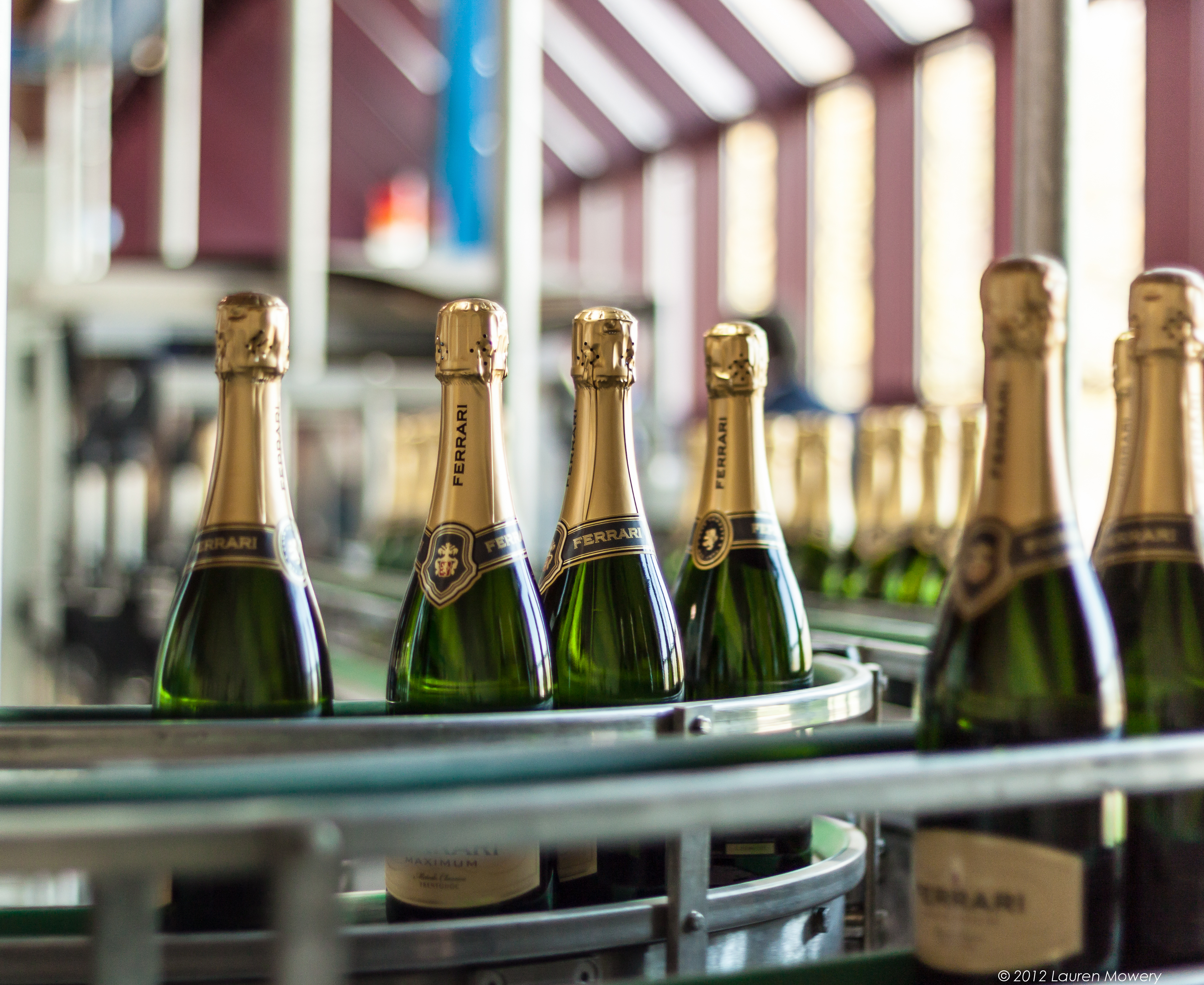
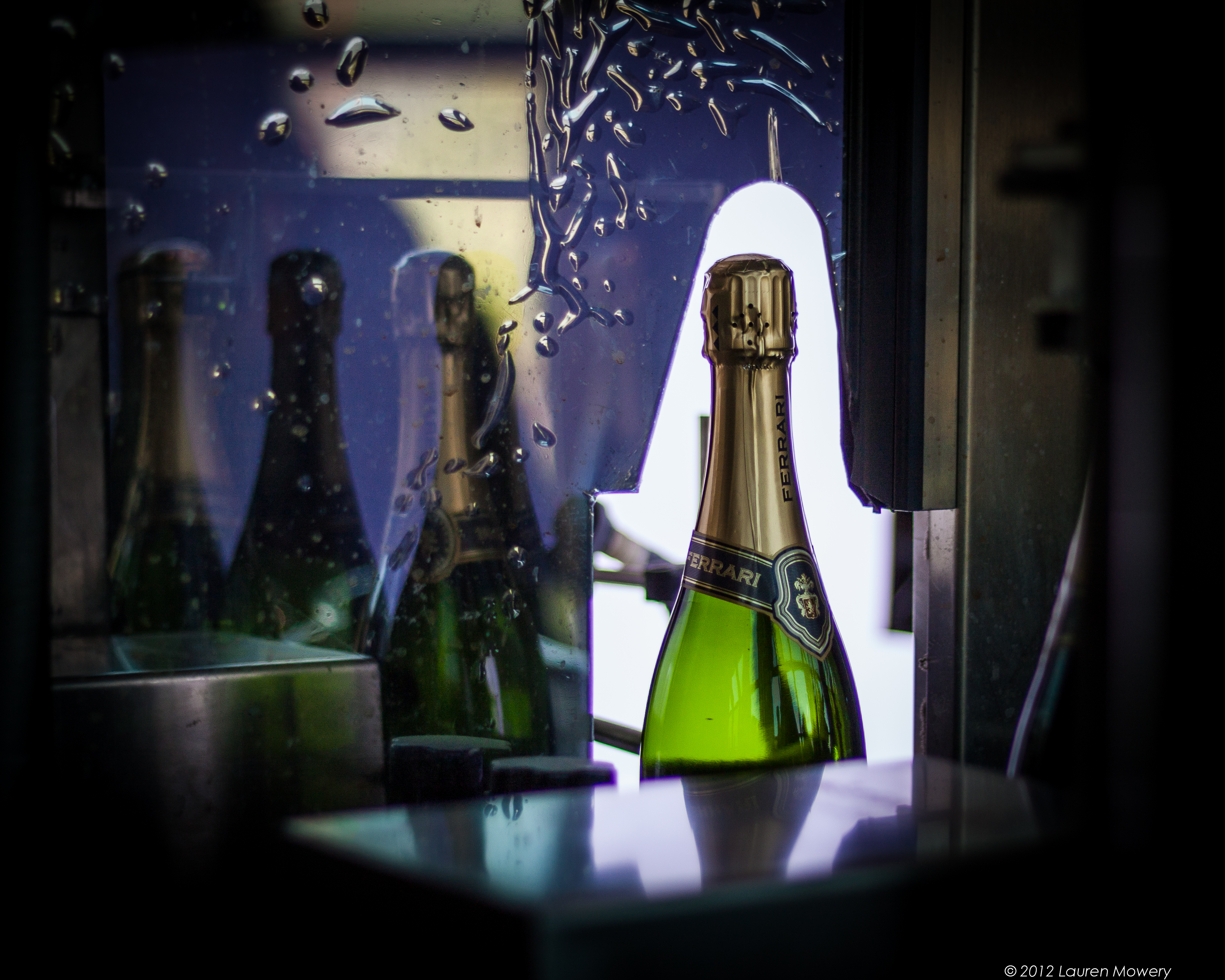
The bottling line at Cantine Ferrari in Trentino, Italy.

Cantine Ferrari Bottling Line 2

Leave a comment

Filed under Bottling Line

Sip, Slurp and Save lives on March 22nd @ City Winery with Stark Wines

Looking to do good while drinking wine? Join me at this event while tickets are still available!

Wine & Oyster Pairing

Friday, March 22 @ 6:00PM

Tickets are $75/person

Share: Facebook Twitter Pinterest


Join City Winery on World Water Day, to enjoy Stark Wine, slurp North Atlantic oysters (and eat other tasty appetizers), and help bring clean drinking water to people in some of the world’s poorest communities through WaterAid.

WaterAid, www.wateraid.org, is a leading international organization that helps the world’s poorest communities gain access to safe water and sanitation. Nearly 800 million people worldwide lack access to clean drinking water. WaterAid transforms lives by improving access to safe water, hygiene and sanitation in 27 countries in Asia, Africa, the Pacific Region and Central America. To date, WaterAid has helped 17.5 million people gain access to clean water.

Stark Wine, www.starkwine.com, is a Sonoma-based winery with a mission to make delicious wines and give back. Through a partnership with WaterAid, Stark Wine has helped give clean water for life to over 200 people in 2012. The goal is to double the number of people they help in 2013.

Throughout March, Chelsea Wine Vault will donate $1 to WaterAid for every bottle of Stark Wine, Stark Thirst or Stark Wild sold. Look for CWV’s “1 Bottle = $1 For WaterAid” when wine shopping online at www.chelseawinevault.com or in-store at 75 9th Avenue at 16th Street inside The Chelsea Market.

Brooklyn Oyster Party are the people to know for oysters in the NYC area. BOP’s speciality is sourcing local and sustainable oysters from the North Atlantic coast. From sourcing, to shucking, even clean-up, check out www.brooklynoysterparty.com.


Leave a comment

Filed under City Winery World Water Day with Stark, Where I am Going

Get Your Tickets to NY Drinks NY

And Support the Wineries in our Backyard

NY Drinks NY: March 2013
Monday March 18, 2013
Grand Tasting
Featuring more than 40 New York wineries from the Finger LakesLong Island,Hudson River RegionNiagara EscarpmentLake Erie and Thousand Islands.
An all-New York selection of cheeses, charcuterie and hors d’oeuvres will be provided by the New York Wine & Culinary Center.
Monday, March 18
12 – 4 pm Trade
6 – 8 pm Consumer
Astor Center
399 Lafayette Street (at E 4th Street)
Public admission:
$35 tickets ($25 before January 15) are limited
and can be purchased below or here.
Trade and Media RSVP »

Leave a comment

Filed under New York, NY Drinks NY

Gotham Project Wines on Tap @ Michael Skurnik Tasting

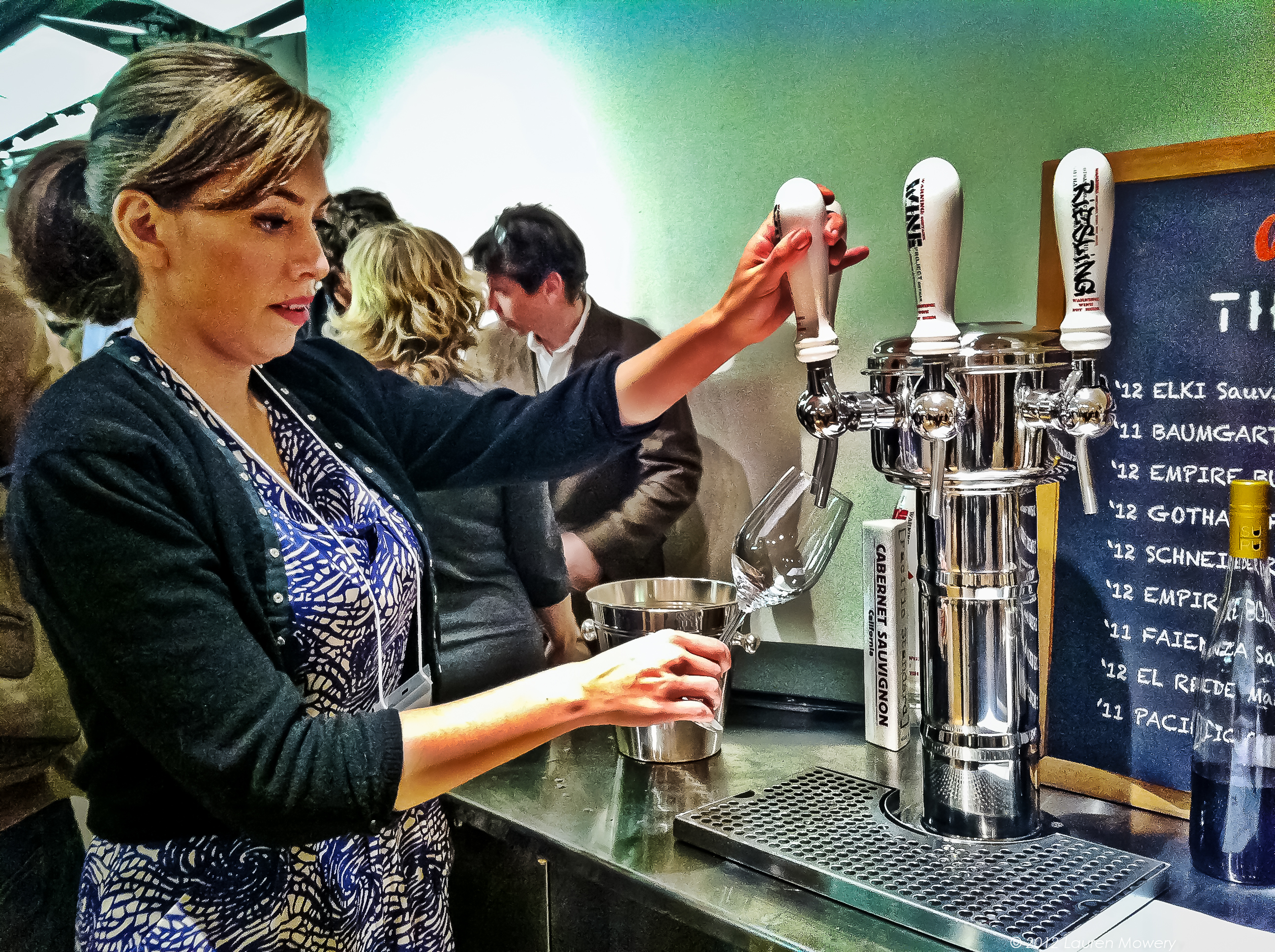
Gotham Project Tap Wines

Gotham Project’s 2013 Wines on Tap

A few months back, I addressed the growing number of wines-on-tap in restaurants around New York City. The problem with the trend was that many of the wines stunk–particularly the ones sourced abroad–and they weren’t priced like tap wines! I thought the savings were to be passed down to consumers? At least that is one argument being made for the use of kegged wines, yet NYC restaurants still charge a ridiculous $9-$14 a glass for not very good wine.

In my opinion, the first goal of a wine-on-tap program should be a focus on high-quality, local wines in a sustainable package, as the Europeans have done for thousands of years. The trattorias of Chianti certainly aren’t serving up Côtes du Rhône alongside a plate of pappardelle al ragu di cinghiale. Not only was it natural due to isolation and travel cost considerations to develop a culture of eating and drinking locally, but they had great raw ingredients and made good wine, so why go elsewhere?

Nowadays, food and wine are shipped from every corner of the globe, overnight. The energy costs are high, but consumers are curious and demand both local and international options. Thus, if they are going to drink Austrian wines anyway, why shouldn’t they also be served-up in “green” packaging? Foremost in sourcing international wines for kegs is the Gotham Project. Although their first, flagship wine was a Riesling from the Finger Lakes, they quickly began adding overseas options to their line-up. Unfortunately, I found those wines awful–a Moschofilero from Greece and Garnacha from Spain, undrinkable and seriously overpriced. Perhaps maintaining their position as industry leader was more important than the wines themselves?

Yesterday I attended Michael Skurnik’s Grand Portfolio Tasting. The first booth I ran into was the Gotham Project, so I started there to see if they might change my mind about their wines. The first pour was a Grüner Veltliner from Weinviertel, Austria. The wine crackled and popped from bright acidity and a little CO2 spritz, showing green apple and flinty minerality. For the right price, I would certainly order this in a big carafe on a hot afternoon with a group of friends. The next two wines were NY State: Empire Builder White and 2012 Riesling.  The Empire Builder is a Chard/Riesling blend from the Finger Lakes, perfectly serviceable, although not as immediately satisfying as the Grüner. Their latest version of Riesling from 2012 is supposedly a lot sweeter, although the acidity kept the sugar in balance and thus I found it more appealing than past incarnations that lacked backbone.

Next up were the reds. First, we tasted a rosé called Schnieder & Bieler made from Finger Lakes Cabernet Franc. Not sure what was going on with that wine–the hue reminded me of a rusty screw. The wine offered barely discernible berry notes, although it was rather crisp. It wasn’t terrible, but lacked identity. We moved on to the El Rede Malbec from Mendoza, Argentina. The pleasantly fruity wine was overwhelmed by a bitter finish. So far, not a great start to the group. Unfortunately, before we got to try the Empire Builder Red, Sangiovese and Cab Sauv, the tap pooped out.

My conclusion, having tasted half the wines, is that the whites were promising. The grüner in particular. Hopefully Gotham Project found reds that can compete, and will also encourage restaurant partners to sell them at competitive prices. Otherwise, why would consumers buy an average wine on tap without the benefit of the savings, given there are plenty of great by-the-glass options in this city that come from bottles.  Either find better wines or sell them for less!

Leave a comment

Filed under Gotham Project, Wine on Tap

Pairing Wine and Food: Why Burnt Ends and Châteauneuf-du-Pape Will Stoke Your Palate

Manzanilla and Fino Sherry with Iberian tapas from Tertulia, NYC

Last week, I opened a bottle of Châteauneuf-du-Pape to drink with takeout from Fletcher’s BBQ. I wasn’t really thinking about the pairing, although perhaps “big red and big food” subliminally guided me to pair the Southern Rhône with charred hunks of meat. I’ll leave the review of Fletcher’s to our food experts, but I can say authoritatively that a bite into a burnt end after sipping that wine resulted in a heavenly smoke-and-spice combo reminiscent of a campfire crackling with fat drippings.

This got me thinking about food pairings, which don’t have to be complicated and shouldn’t evoke sitting for the New York Bar Exam. Ignore all those articles offering recipes with esoteric ingredients and overly precise pairings with wines you can’t find. Instead, arm yourself with a few easy concepts to elevate your daily dining from mundane to divine — because eating BBQ should always be a transcendent experience.

Here are the basics:

Match Weight and Body

Heavy foods like a lamb stew or rib roast call for a full-bodied wine, so reds are the usual choice. But the key here is body, so a big white like an oaked California Chardonnay, might be a better match than a daintier red such as Zweigelt from Austria. The same rule applies to lighter foods. Generally, fish is complemented by more delicate wines, so many whites fit the profile, but so can light-bodied, low-tannin reds, thereby debunking the myth “white with fish, red with meat.” Also consider your sauce: fish smothered in lobster and cream is no longer delicate (nor low-fat.) Example: Dolcetto and Cioppino (fish stew with tomatoes)

Marry Flavor to Flavor
Flavor intensity is not the same as weight. A potato is heavy but low on flavor, whereas asparagus is pungent but not hefty. Chardonnay can be full-bodied but low in flavor; Riesling is a lightweight wine with intense flavor. Intensity in both the wine and food should be equivalent, or else one will overpower the other. The cooking method also plays a role in flavor intensity; for instance, steaming versus roasting versus smoking. Example: Châteauneuf-du-Pape and Burnt Ends/BBQ

Pair Acid with Acid
Drink a tannic red wine with a salad dressed in vinaigrette to experience the ultimate food-and-wine clash. Sadly, this combo often leads people to think they don’t like the wine, when in fact the pairing was the problem. Sour flavors in food dull the wine, so you need a lot of acid in your vino to keep things refreshing. When dining, be mindful of acidic ingredients like tomatoes, lemons, limes, apples and vinegar. Example: Sauvignon Blanc and Ceviche

Try Sweet with Sweet
Dry wines can become mouth-puckering and tart when paired with food that possesses even a smidgen of sweetness. Sweet food is best with wines of similar sweetness, whether it be a honey-baked ham with sweet-potato mash or pears poached in red wine. Example: Moscato d’Asti and French Toast with Fruit

Fat and Protein Like Tannin
Most of us non-vegetarians are familiar with the mouthful of magic that occurs when combining a meaty, marbled steak and a powerful, highly tannic red wine. The tannic effect softens when it reacts with the protein and cuts the fat. However, leaner cuts with high protein content, like a tri-tip, don’t need as aggressive a wine; try a Malbec instead. Example: California Cabernet Sauvignon and Grilled Ribeye

Oily and Salty Dislike Tannin
Tannic red wine and an oily fish like mackerel can result in a metallic taste, while tannins turn bitter with really salty foods. Acid cuts through oil (think of an oil and vinegar salad dressing), and salt benefits from the refreshing zip of acidic wines. Salty foods also work well with sweet wines; consider how well pretzels dipped in chocolate or prosciutto and melon go together. Example: Champagne and Potato Chips or Truffle Salt Popcorn

Heat and Sweet
Spicy food is a category ripe for disaster when paired with a high-alcohol or dry, tannic red wine. You’ll start a five-alarm fire in your mouth as alcohol fuels the effect of spice. Instead, lower-alcohol wines with a touch of sweetness keep the heat in check. Example: Off-Dry German Riesling and Sichuan Cuisine

Regional Wine with Regional Food
Try pairing wine and food from the same countries/regions. The locals probably spent centuries perfecting their cuisine, so follow their lead. Example: Manzanilla Sherry and Spanish Tapas

Leave a comment

Filed under Food and Wine Pairing

The Truth About Vermouth

Atsby Vermouth on the streets of Manhattan

If you missed my Village Voice column Unscrewed, here is your second chance at vermouth…

I peered into the liquor closet — yes, I have a closet devoted to booze, not shoes — and there it was: A dusty bottle of Martini & Rossi Vermouth that had been opened and left untouched for years. Since I don’t drink many martinis at home — what else was vermouth good for? — I admit to neglecting this singular item in my liquor arsenal.

But as bartenders tending the nation’s cocktail renaissance breathe new life into old ingredients, vermouth is getting its groove back.

Vermouth is a wine fortified with spirits, flavored by an infusion of botanicals, historically gathered in the wild (how quaint!). The classic version was dry and bittered by wormwood, but the category is quite elastic since sweet, faintly herbal versions exist, plus everything in between.

The Italian and French have been drinking it as a beverage, not just using it as a cocktail ingredient, for centuries. Vermouth had a stint of popularity in the States, but pretty much disappeared after the 1960’s in part due to an image of being, well, disgusting.

Neither bartenders nor home cocktail enthusiasts were ever instructed to treat vermouth as perishable or requiring refrigeration. It languished on shelves and soured in bottles. Dry martinis got even drier. Imagine uncorking a Chardonnay and leaving it open for six months or years — would you want to add a drop of that to your drink?

Even when shelf-life was respected, lack of demand left drinkers little choice butbland, mass-market renditions like Cinzano and Martini & Rossi. Now, like discovering how great beets don’t come from a can, we’re learning more about vermouth’s potential.

To tackle the hole in the artisanal market, NYC bartenders, er, mixologists, have begun crafting in-house versions, namely at East Village bar Amor Y Amargoand uptown restaurant Rouge Tomate. For the rest of us at-home boozers, there has been a wave of domestic and international bottlings hitting retailers; if you prefer to keep things local, then look for new brands Atsby and Uncouth Vermouth. Both have dramatically different points of view, demonstrating the range this category of hooch carries.

Atsby founder Adam Ford began experimenting with different versions in his downtown Manhattan dwelling. Another lawyer who ended up in the booze industry, Ford fell in love with the drink while traipsing across Europe.

The brand comes in two versions: A dryish blonde called Amberthorn, and the slightly sweeter bourbon-hued Armadillo Cake. Both are made using a base of North Fork Chardonnay, fortified with apple brandy from the Finger Lakes. To create his unique infused flavors, Adam sources roots, spices, herbs, flowers, seeds and pods from all over the world.

I tasted both and found their complexity intriguing; either could enhance a cocktail or be sipped neat or on the rocks. The Amberthorn in particular delivers layers of flavor, thirty-two to be precise, including a lovely hint of lavender.

Hyper-seasonal Vermouth from Uncouth

If you prefer cocktails that reflect the farmers’ market, try Bianca Miraglia’s seasonal line of Uncouth Vermouths. Using Red Hook Winery for both the base wine and fortifying grappa, Miraglia has experimented with various fruits, spices, root vegetables, even squash. She sources ingredients locally, including Stone Barns for herbs and Long Island for mugwort (a relative of wormwood) used to bitter the blends.

Unfortunately, the line has not made it to retailers yet; Miraglia was working out of Red Hook Winery which was devastated after Hurricane Sandy. However, she is optimistic about a late winter launch and is avidly sampling the remainder of her current line-up for future allocations.

Given the small batch production, degree of seasonality and growing demand from bars and restaurants, getting a bottle might be difficult, but worth it. The Beet-Eucalyptus and Butternut Squash are delightfully unique, and the stellar Pear-Ginger pops in your mouth. Alternatively, you can taste Miraglia’s work at Rouge Tomate; a debut of her vermouth collaboration with wine and beverage director Pascaline Lepeltier should be ready in a few weeks.

If you drink dry martinis like Roger Sterling, then expressive vermouth may not be your thing. The new styles have evolved from listless wallflower to serving up sass. But I happen to like character in my cocktail. As for that sad bottle of Martini & Rossi? The garbage truck picked it up this morning.

New York Negroni
1 ounce gin
1 ounce vermouth (try Atsby Armadillo Cake or Uncouth Beet-Eucalyptus)
1 ounce Campari

Shake well with ice, then strain into a chilled cocktail glass. Garnish with a twist of orange peel if you’re feeling fancy.

Where to Try:
Rouge Tomate, 10 E 60th Street, 646-237-8977
Amor Y Amargo, 443 E 6th Street, 212-614-6817
Employees Only, 510 Hudson Street, 212-242-3021
Experimental Cocktail Club, 191 Chrystie Street

Where to Buy:
Astor Wines & Spirits, 399 Lafayette Street, 212-674-7500
Le Du’s Wines, 600 Washington Street, 212-924-6999
Vestry Wines, 65 Vestry Street, 212-810-2899

Leave a comment

Filed under Vermouth

Need a blizzard-ready red? Try Virginia’s Boxwood Estate

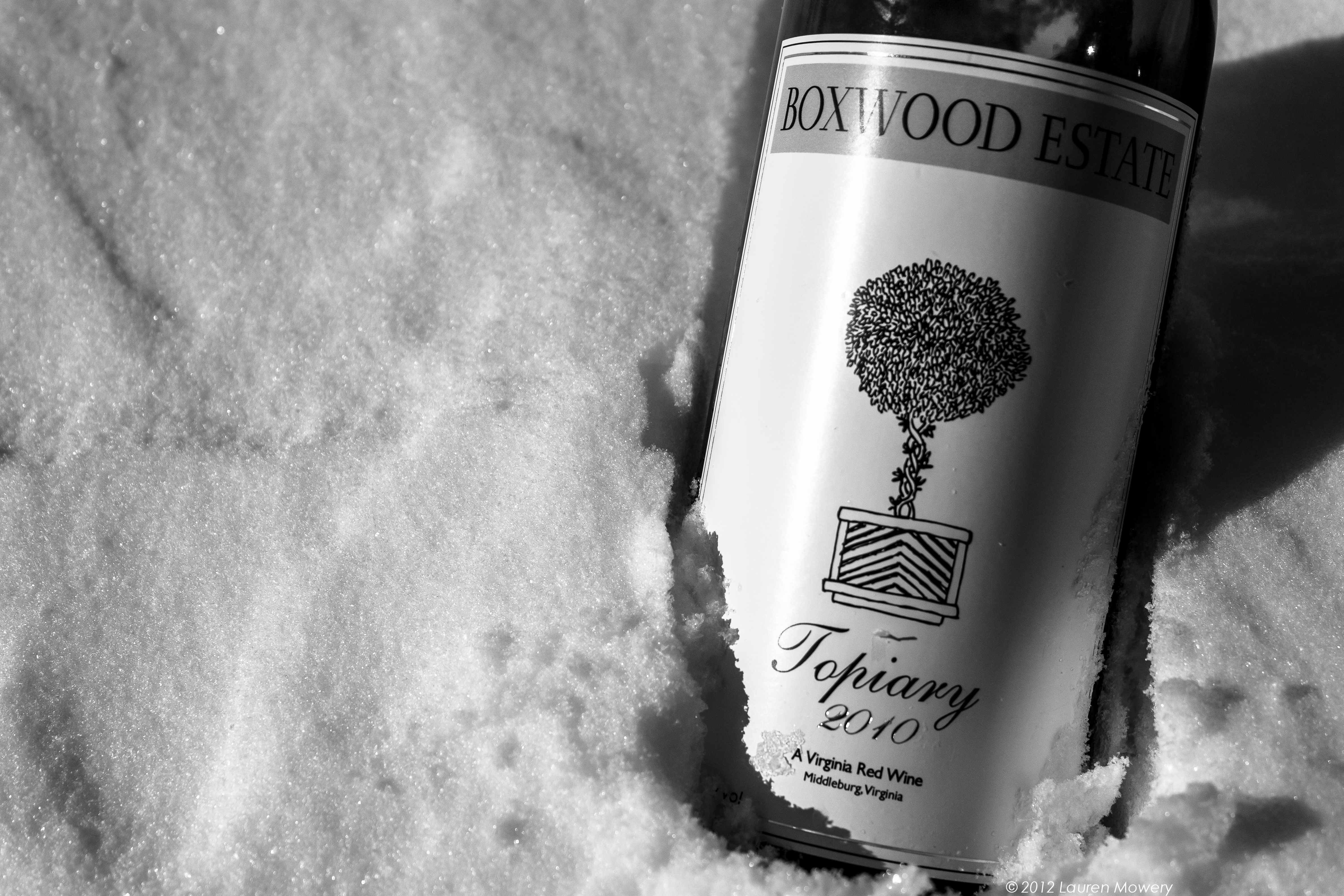
Boxwood Estate Topiary

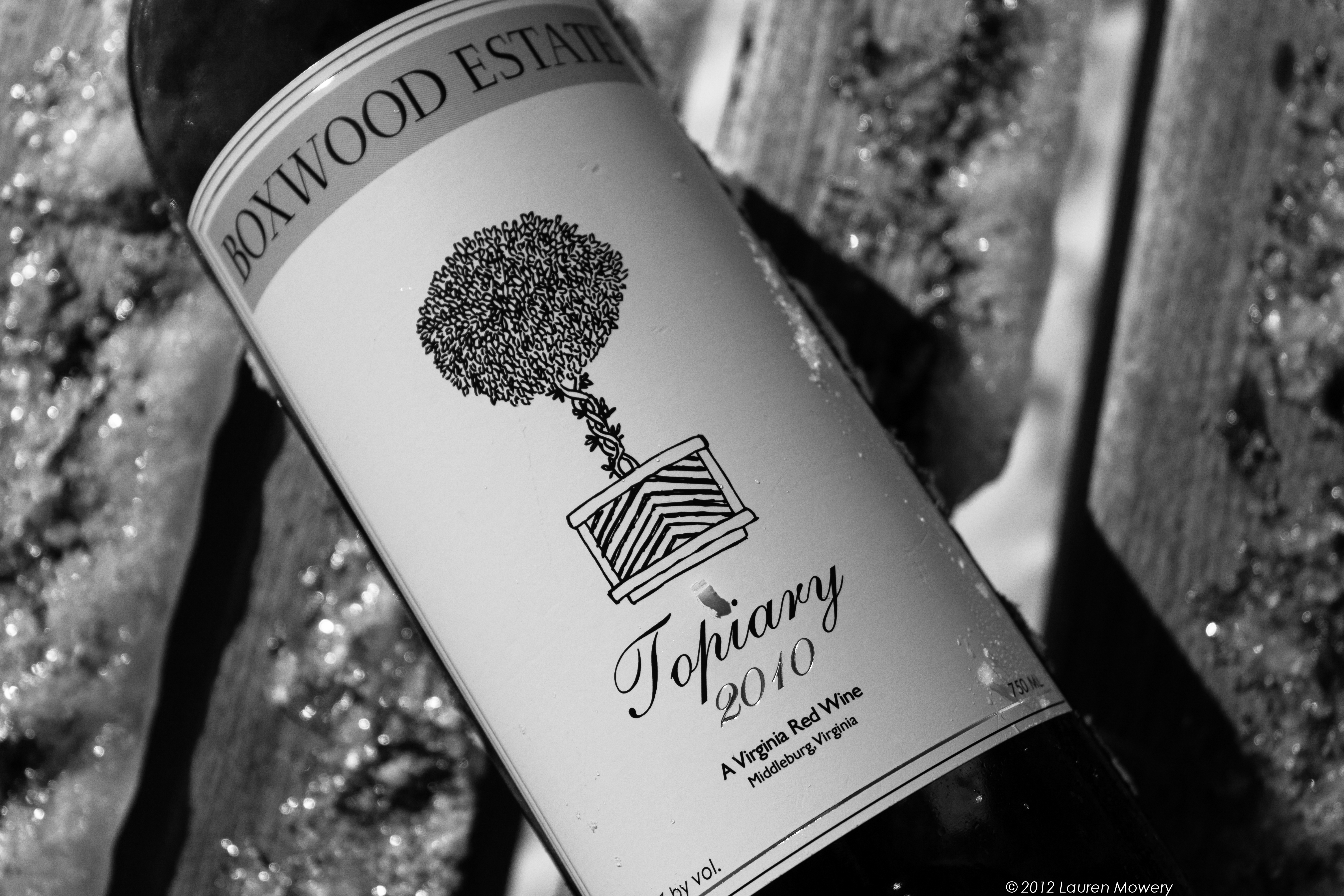
Boxwood Estate Topiary 2010

I embraced the East Coast snow (slush in NYC) last week as an opportunity to plunder my wine closet in search of robust reds, and drank one, quite appropriately, from the Atlantic side of the States.

The bottle came from Boxwood Estate in Middleburg, Virginia, given to me by my D.C. dwelling sister. Having gone to school in Virginia, I was quite familiar with the relatively unknown but generally good wines around the Monticello and Shenandoah Valley AVAs, but I had not yet tried a wine from Middleburg. In fact, the AVA was only recently approved by the Alcohol and Tobacco Tax and Trade Bureau (TTB) in September 2012.

Middleburg, located 50 miles west of Washington, D.C. and an easy drive south of hectic Baltimore, is now the state’s 7th AVA. The region is hemmed in by the Potomac River to the north and the Blue Ridge mountains to the west. Virginia is known for Bordeaux blends, Cab Franc, Viognier and Petit Verdot, although plenty of other varieties are grown.  The newest AVA sports a growing number of wineries and vineyards spread throughout the approximately 200 square miles of bucolic horse-and-hunt country bliss.

If you have never been to Virginia equine country and driven past myriad Colonial and Civil War-Era homes, through picturesque stone-hewn towns and deep into the rolling, horse-dotted hills to which white picket fences lazily silhouette, then you should. The omnipresent sense of history in which VA wine country is steeped feels markedly different from the sunny, easygoing farmland atmosphere of Sonoma or certain moneyed, dare I say “Disneyfied” sections of Napa.

The campaign to establish the AVA, begun in 2006, was spearheaded by Rachel Martin, Executive Vice President of Boxwood Estates and daughter of the owners. Thus, I suppose it fitting that the first bottle of Middleburg AVA wine I taste be theirs.

Since I have not visited the winery, I can’t speak to its appeal or degree of sophistication other than through hearsay; my sister went and found the facilities brilliantly designed. She has an architecturally inclined eye, so I believe her, but you can also see from their website that a lot of care was put into the construction.

As for the wines, preeminent winemaker Stephane Derenoncourt is consulting, so the results couldn’t be that bad (unless he has taken up as a con artist.) Derenoncourt, considered one of Bordeaux’s and now California’s greats, probably comes at great expense. Plus, 100% percent of the grapes are estate-grown, hand harvested, with primary sorting done in the vineyard—not a cheap operation. But the owners, Rita and John Kent Cooke, the former Washington Redskins owner and president, are probably flush.

So, does money buy you good wine? Hell, yeah! Not that I doubt the level of care, appreciation and hard work that went into this operation, but having green helps you do all those things.

The wine I tasted was the 2010 Topiary, a Cab Franc dominated blend with Merlot. As a reminder, tasting notes are only a snapshot of a wine’s moment in the glass. I found a lovely earthiness reminiscent of Bordeaux, with plummy, forest berry fruit and a tinge of green, garden herb. Notes of cocoa and brambly/underbrush qualities came through on the deep, full but restrained palate. Very elegant, I hate to say, for a Virginia wine. But maybe this is the new state of the state’s wines? Hopefully.

Virginia is known as the birthplace of American wine, although the founder of vinous culture, Thomas Jefferson, was never able to squeeze a drinkable bottle out of the fruit of his vines. I would say T.J. would not only be thrilled with Boxwood, but also with his state’s evolution into the high-quality wine-producing region he always envisioned it could be.

A perfect red for the winter

Leave a comment

Filed under Boxwood Estate, Virginia

The Lightness of Being Australian Chardonnay

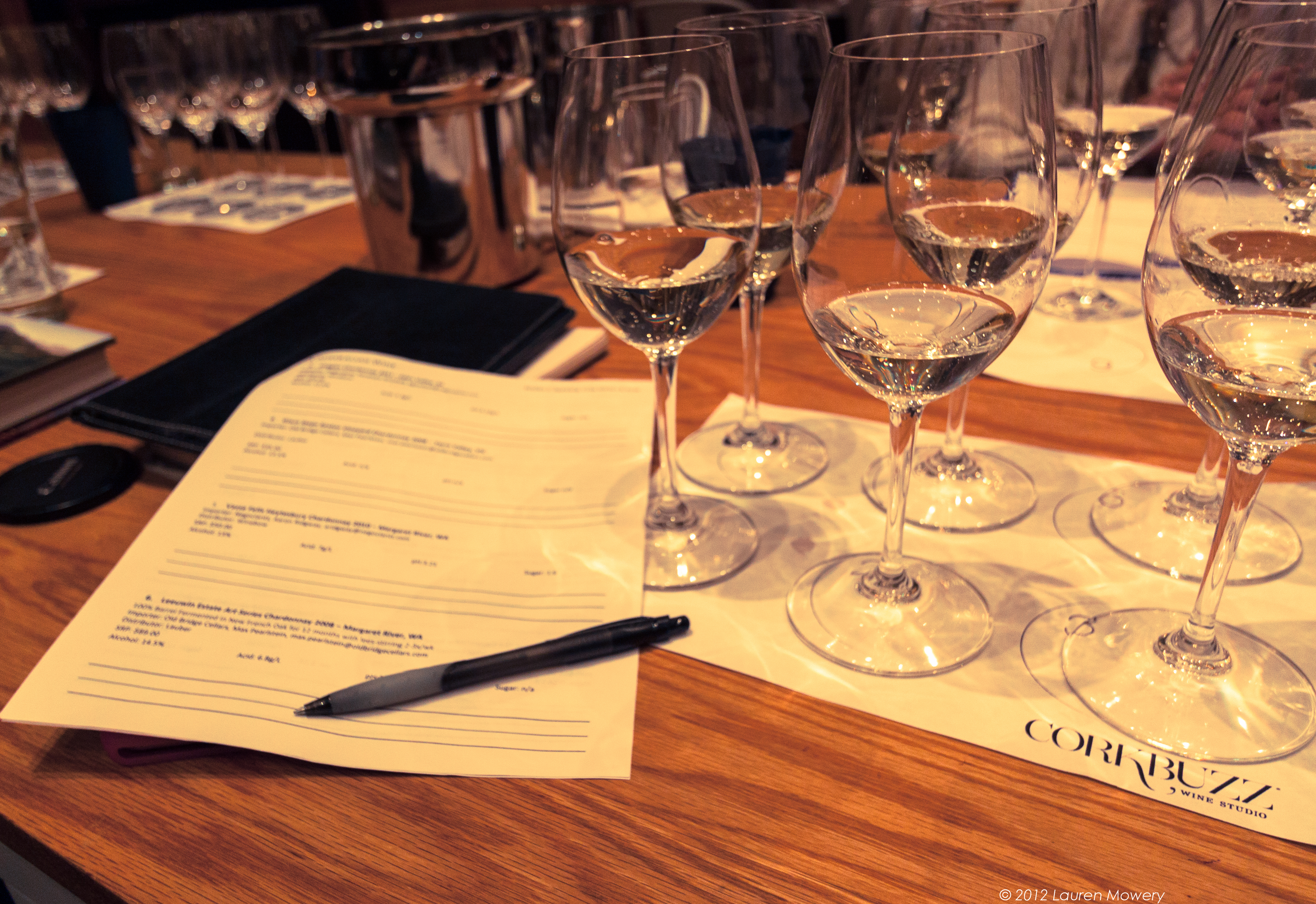
Aussie Chardonnay Tasting

Aussie Chardonnay Tasting @ Corkbuzz

Today’s Topic: Chardonnay from Australia. Writing that took a lot of nerve, so please refrain from grumbling and hear me out. I probably elicited a cask’s worth of groans over my Shiraz post last week; maybe you are wondering how I can now press you to read about Chardonnay. Where are the Hungarian whites? The Romanian Pinots? Even the Australian Pinots! I will be getting to those too, promise.

Remember, the point of this blog is to not just uncover regions and wines you’ve never met, but to revisit categories whose cobwebs deserve to be dusted off. Carrie gave Mr. Big a second chance and they ended up married–yes, I just referenced Sex and the City and it felt icky, but I’m trying to make a point here. Should Australian Chardonnay get another shot at your affection?

As I mentioned in my Shiraz piece, I am in an ongoing Wines of Australia immersion class during which we explore different regions/styles/varieties in each session. This week we sampled Chardonnay.

I admit to never, ever, ever, never reaching for a bottle of Chardonnay, ever. Not when sitting down to dinner at home (truth be told, we eat sitting on the couch, but still) nor for a post-work aperitif with the ladies; not ever at a wine bar with a long list of white Burgundies (value problem in this case) nor when a restaurant only offers a choice of either Chardonnay or Pinot Grigio. Well, maybe then, but if that’s the extent of their wine program, I should probably be ordering a cocktail. Simply. Never. Do. I. Drink. Chardonnay.

Now that you know how low Chardonnay ranks on my personal beverage totem pole, here are 5 Australian Chardonnays that I would not only drink if I had to, but would twist open on my couch, sacred place that it is, because I want to. This demonstrates an overarching principle that I too must be reminded of: We have one shot at this life; always keep an open mind.

We tasted through two flights of wines populated with pretty examples of how refreshingly different Chardonnay can be. In fact, one reason Chardonnay is so loved by growers and winemakers is for its adaptability and malleability: Stainless steel; lightly oaked; Mediterranean sun; cool climate. Each unique set of circumstances and choices provides a distinct rendition on a general theme.

I prefer a lightness and brightness in my white wines; imagine the weight of a balloon drifting into the sky and the brilliance of a sunlit diamond. Many of the Australian Chardonnays showed those qualities and were fresh, perfumed, and perhaps most important to consumers, competitively priced. Gone were the heavily oaked, dull palates of many earlier forms of Aussie Chardonnay.

Australia does some other varieties extremely well, in ways that no one else can touch: Inimitable Clare and Eden Valley Riesling, and Hunter Valley Semillon, for example. So, I can’t agree I believe the way to America’s heart should be through Chardonnay, but at least these wines prove they have a place on the wine drinker’s table—or couch.

I have included some tasting notes with each wine. Truth be told, the personalities of each wine evolved so much, that each note is merely a snapshot of a moment in a glass.

  1. Wirra Wirra Scrubby Rise Unoaked Chardonnay 2011, Mclaren Vale, SA, $12.00: Refreshing, good value offering mandarin-orange aromatics and peaches and pear on the palate.
  2. West Cape Howe Chardonnay 2011, Western Australia $17.99: Bright and fresh with kiwi, guava and lemony-citrus notes busting out of the glass.
  3. Stonier Chardonnay 2007, Mornington Peninsula, VIC $20.00: Elegant and lively showing ripe lemon and stone fruit laced with minerality. Interesting savory note on finish.
  4. Heggies Chardonnay 2011, Eden Valley, SA $20.00: Jasmine and orange-blossom evolve into ripe white fruits and citrus with an herbal edge. Well-balanced and priced.
  5. Giant Steps Sexton Vineyard Chardonnay 2008, Yarra Valley, VIC, $35.00: Obvious but lithely applied oak-influence, balanced with bright apple and notes of garden herbs. Delicious.

1 Comment

Filed under Australia 2.0, Chardonnay

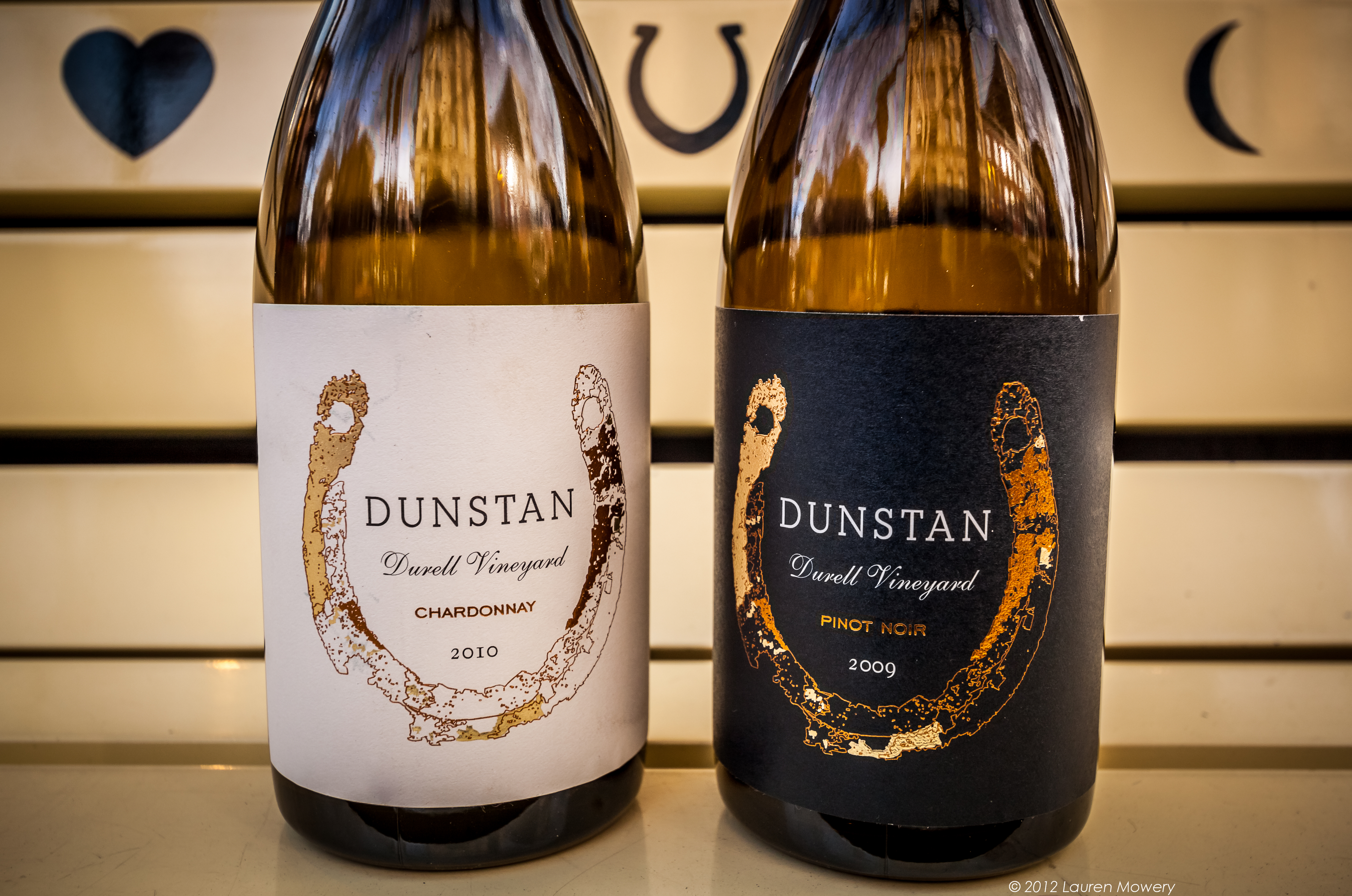
Dunstan Wines: Great Wine from Savior of American Mustangs

A little luck in the vineyard never hurts

A little luck in the vineyard never hurts

Last week my mother, enduring animal lover that she is, forwarded me a story about the poisoning death of ten endangered Malaysian pygmie elephants. The story reminded me of another article I read on the tragic increase in South African Rhino poaching for their “cancer-curing” horns (scientifically disproven). The list of human v. animal atrocities goes on, and the bottom line is: Humans can be pretty shitty.

So it feels like exception rather than rule to catch a story about small but important victories occurring in animal preservation. Our Federal Government has a history (some say nasty) of wildlife mismanagement (wolves and bison, for example), yet apparently 115 wild American horses, saved from a public auction by Ellie Price nearly 2 years ago, were finally relocated to their permanent, protected refuge. Why am I writing about this in a wine column? Ellie Price is both owner of renowned Durrell Vineyard in Sonoma County and producer of Dunstan Wines.

Price, as passionate about horses as her wines, stopped the slaughter clock on a group of wild mustangs essentially held on equine death row–awaiting auction–by the Bureau of Land Management, ironically tasked with protecting them. Although the BLM takes a public stand that they are seeking to find homes for the horses when they are rounded up and sold, the reality is that they are often bought by meat buyers for slaughterhouses across our borders. Of course, the reality is actually much more complex than I can properly cover in this piece, so for further info you can start with the American Wild Horse Preservation Campaign. Fortunately for the lucky lot of horses saved by Price (and any future horses), she founded a 2,000-acre wildlife refuge in Willows, California for their long-term placement.

I love this story because Dunstan wines are excellent, and it’s a pleasure to promote the product of someone doing good things both inside and out of the winemaking world.

Durell Vineyard, named after former owner Ed Durell, has provided fruit for some of the finest wines in Sonoma since the early 1980’s. Price and her former husband Bill took over the property and surrounding ranch in 1998.  The Dunstan label was added in 2005 with the replanting of the “Ranch House Block” of the vineyard exclusively for the line. The name and logo were inspired by an old, large horseshoe found in the field during replanting, considered an omen of good luck.

Durell Vineyard spans three appellations: Sonoma Coast, Sonoma Valley and a small corner of Carneros. The Ranch House Block has a distinct climate from the rest—cool coastal fog in the morning, and warm afternoons, brushed by winds from the Petaluma Gap. This climate differential allows for supple fruit with crisp, bright acidity. Only 600 cases of Chardonnay, Pinot Noir and Pinot rosé are made each year—micro-winery status with winemaker Kenneth Juhasz at the helm.

I tasted the 2010 Chardonnay and 2009 Pinot by way of samples. I hate to say it, but I have been so bored with California Chardonnay that it is NEVER my go to wine, yet the 2010 restored my interest in drinking them (or some anyway). The palate offered bright flavors of both fresh and baked apples and pears, citrus and enough oak for texture and taste without all the “oaky.”

The 2009 Pinot popped both aromatically and on the palate with pretty black cherry and black raspberry fruit, and a deep thread of exotic spices with a silky, almost creamy texture. One of the best Pinots I have tried this year and last.

If you are like my mom–prefer animals to people, or at least people who like animals–and appreciate good wine, definitely join Dunstan’s mailing list or get out there to visit in person. If you wish to follow the plight of America’s wild horses, stay tuned for Price’s upcoming documentary, American Mustang 3D, scheduled for a spring 2013 release.

Leave a comment

Filed under California, Dunstan Wines