Mondays Are Better with Bubbles: Ruinart Champagne and Chef Michelle Bernstein

1998rose

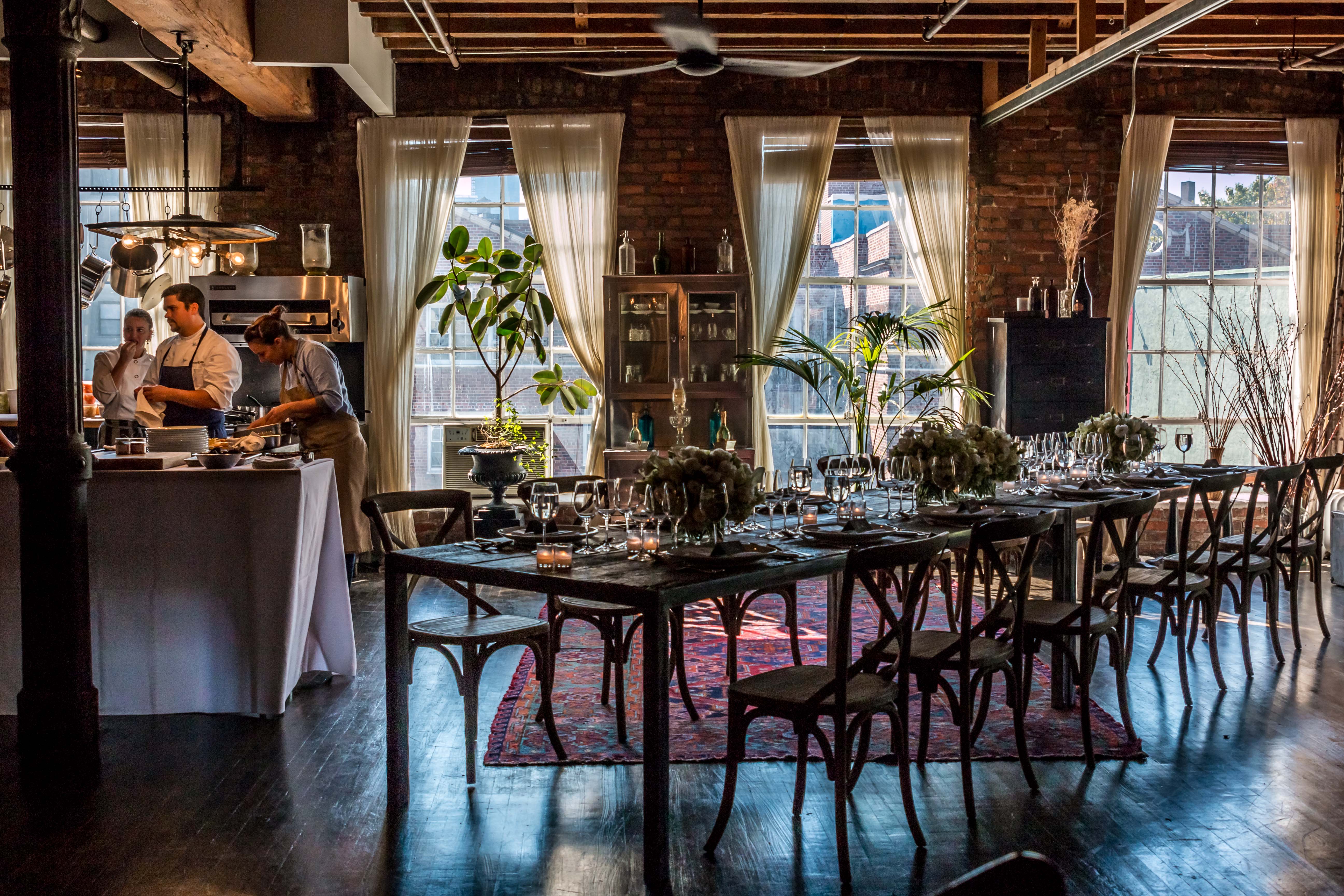
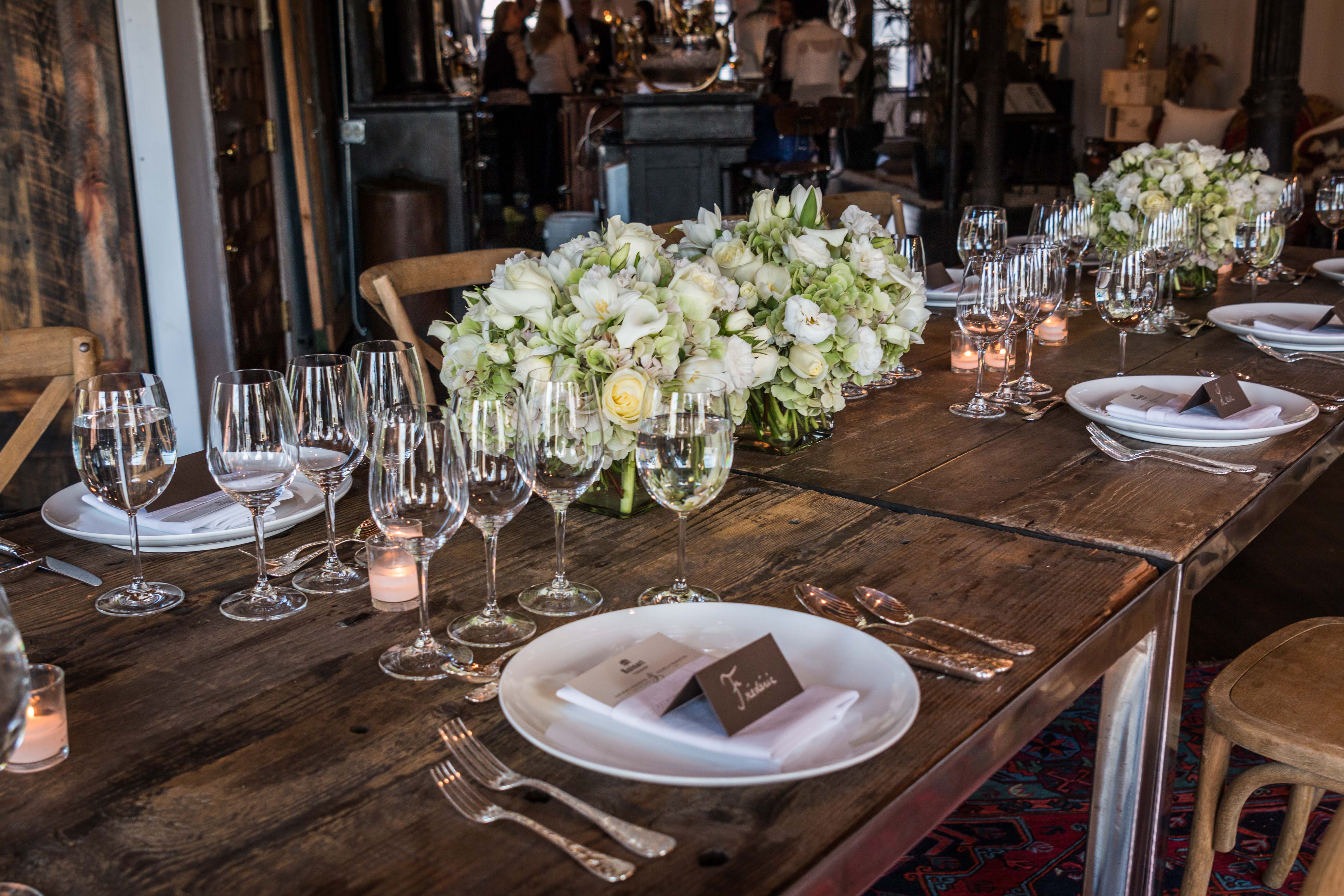
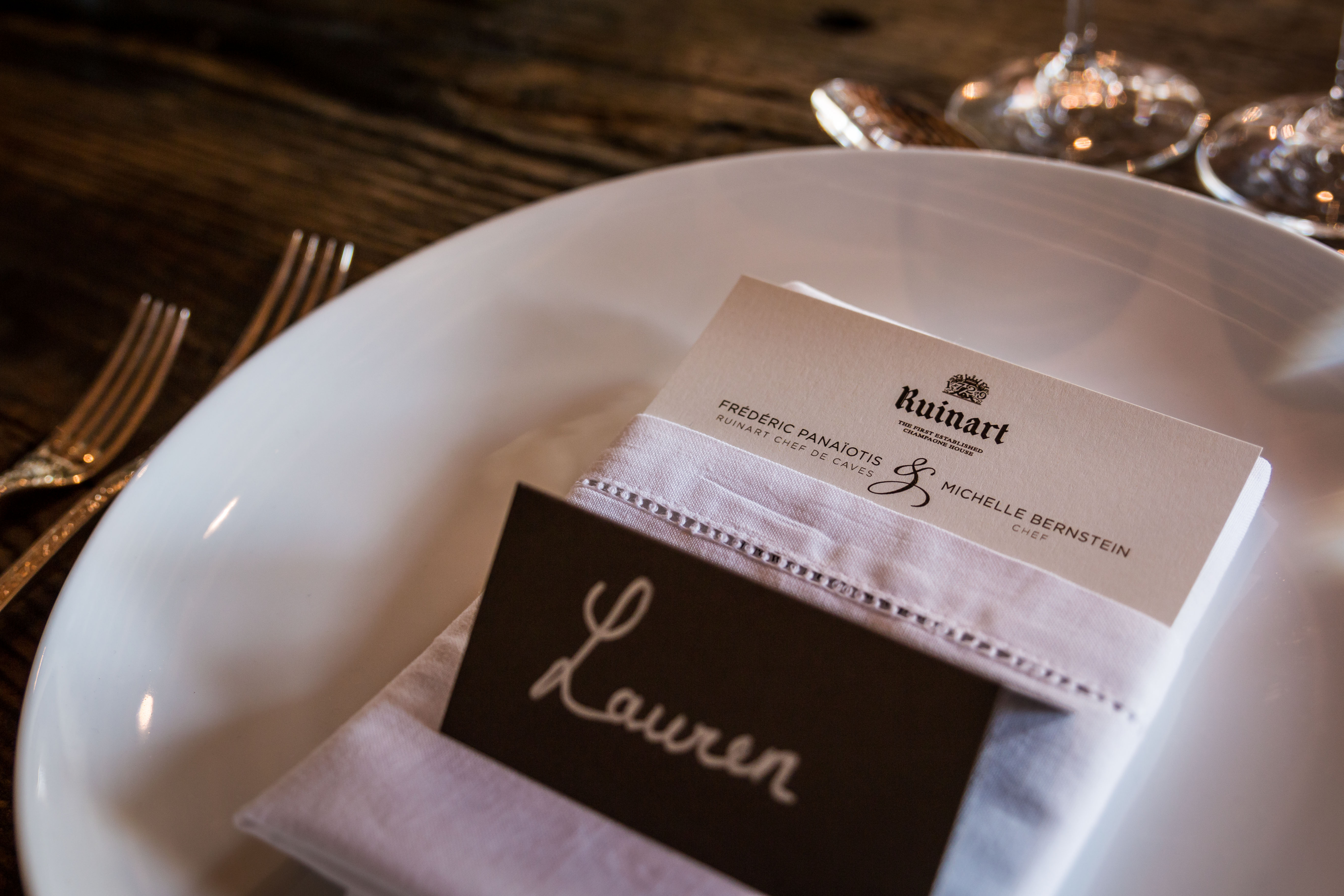
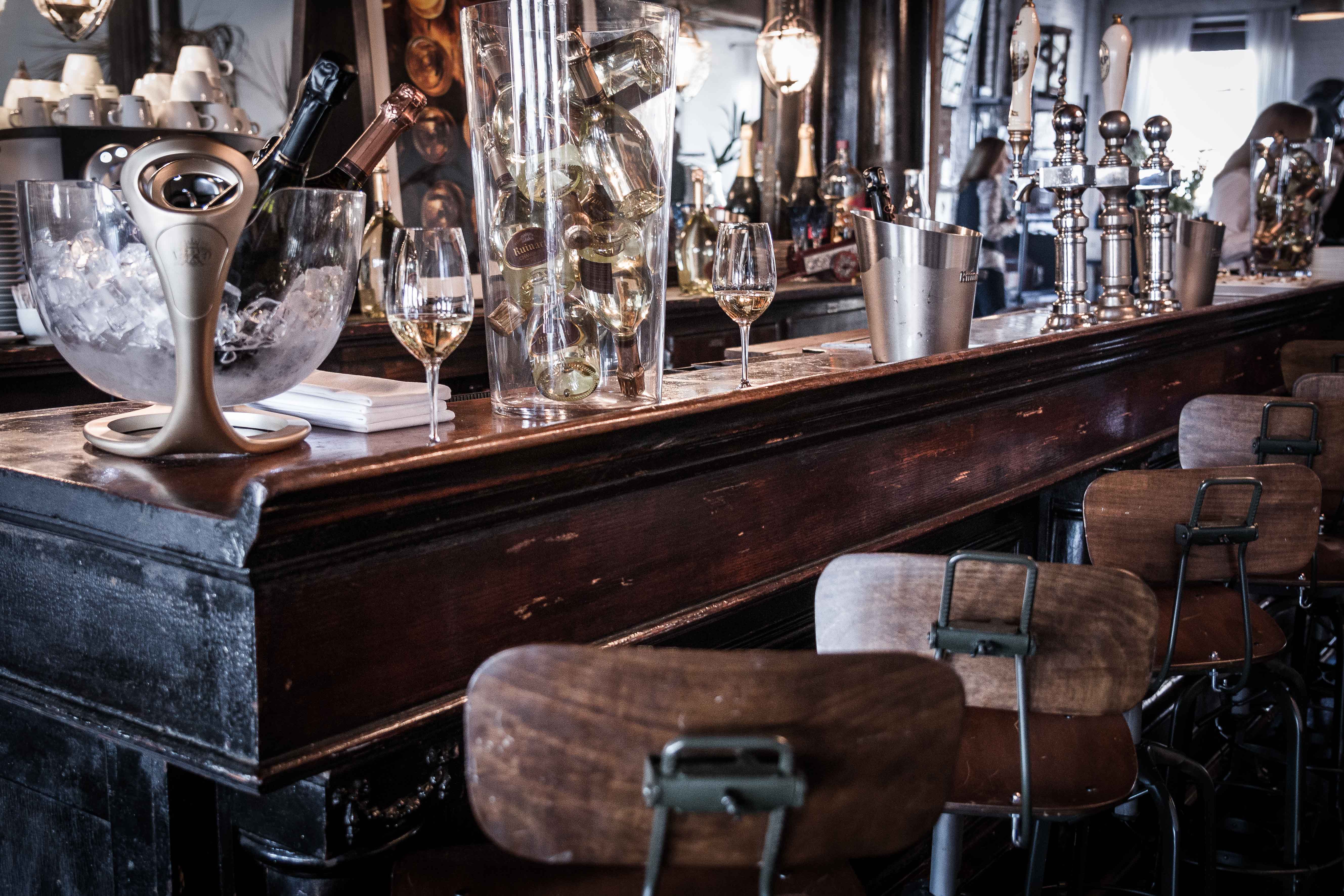
Thinking about Monday on a Sunday tends to induce a range of feelings from anxiety to dread. However, I recently spent a weekend joyously anticipating its conclusion so that come Monday, October 19th, I could spend several hours tasting Ruinart Champagne (tasting, not drinking—it is a Monday, after all). Hosted by Frederic Panaïotis, Chef de Caves at Ruinart, the event was held in a private Greenwich Village loft with renowned Miami Chef Michelle Bernstein orchestrating a beautifully paired lunch.

I have known Ruinart for over a decade, but didn’t realize the brand had only been in the States for the past 6 years (I must’ve been imbibing it in Europe). Considering Ruinart is the oldest Champagne house, established by Nicolas Ruinart in the city of Reims in 1729, and is currently owned by LVMH, it’s hard to believe they have a relatively young presence in our market. And imagine–in 2029, the house will reach 300 years of expertise in the art of Champagne production. Very few wine brands in the world can boast such longevity.

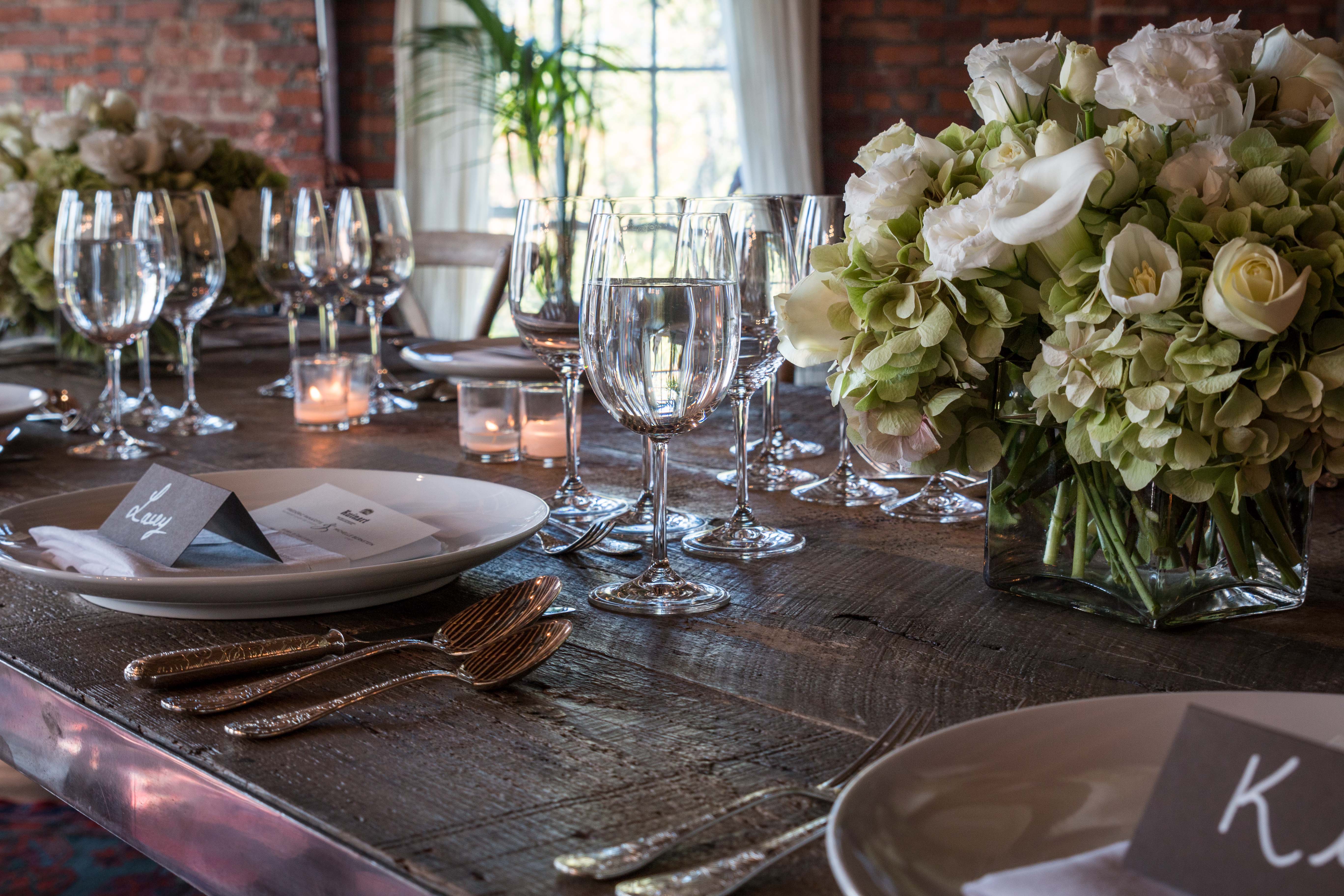
TableSetting

Speaking of art, the house is a great patron of contemporary art and design; for instance, they are the official Champagne of Art Basel. However, Ruinart demonstrates a greater interest in supporting the arts than having “artists” support its wines, particularly whilst gyrating until dawn in a nightclub. The house does not court the baller contingent that has the power to propel brands such as Louis Roeder’s Cristal into becoming a staple reference in hip-hop lyrics and on overpriced bottle service lists. Ruinart’s purported goal is to reach the sophisticated, thoughtful oenophile, which, last I heard, was neither Ke$ha nor the legions of Jay-Z wannabes (although Jay-Z himself has apparently quit Cristal over a case of reverse ‘dis by the brand, which of course depends on whether you view the rap industry’s unique way of embracing the wine, to have been respectful or disrespectful in the first place.)

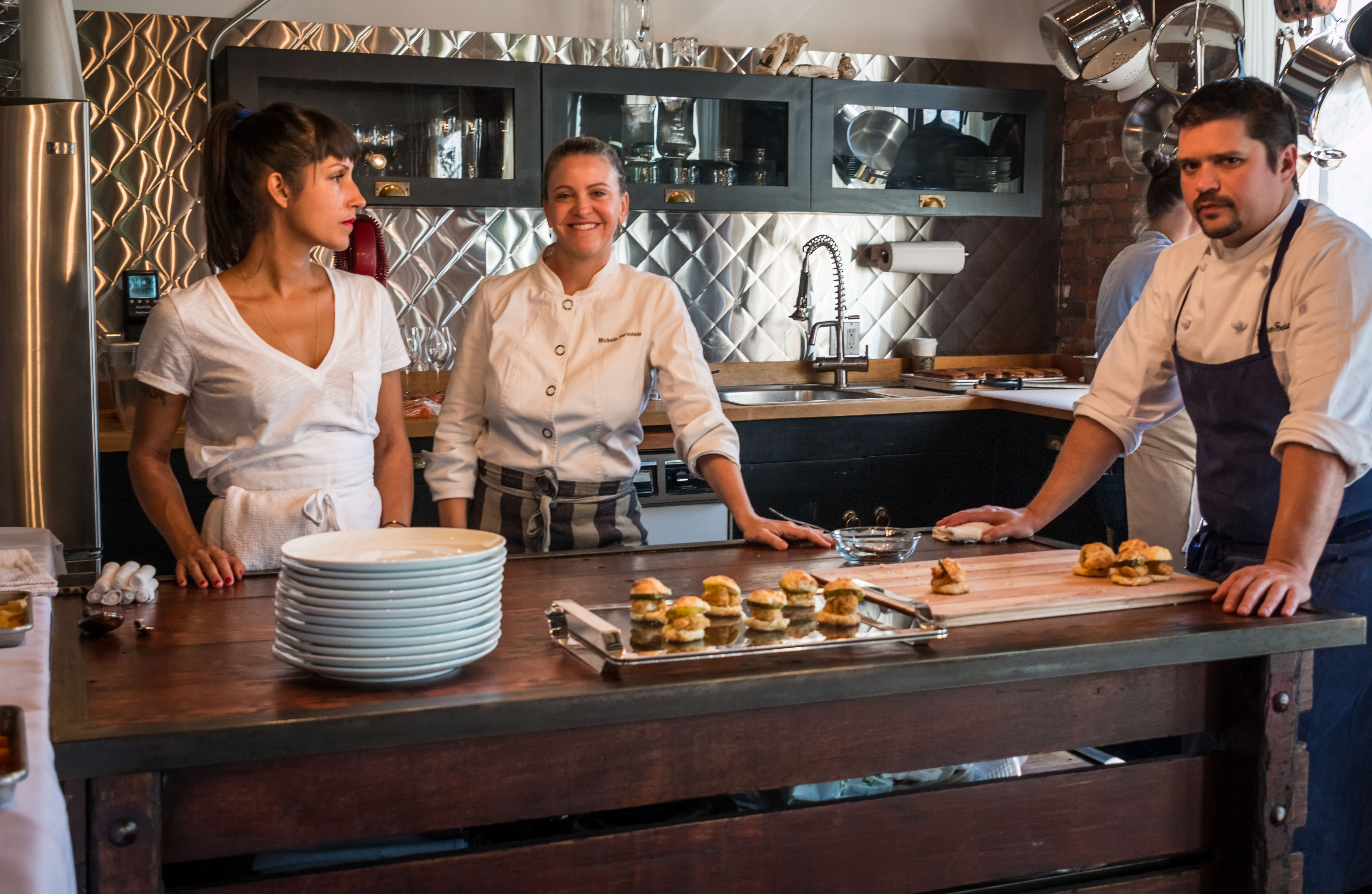
Michelleinthekitchen

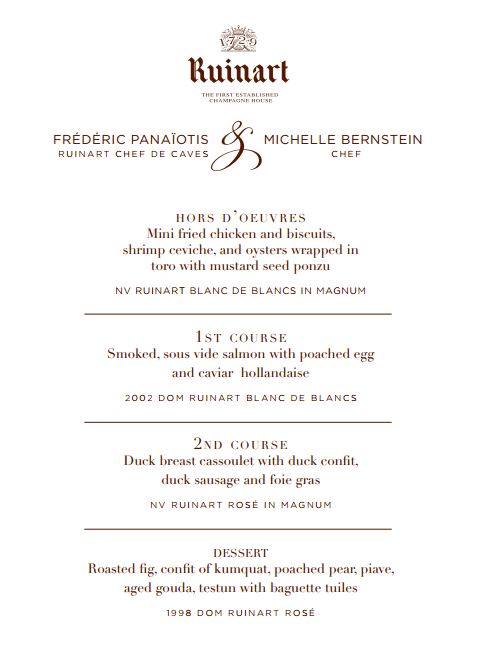
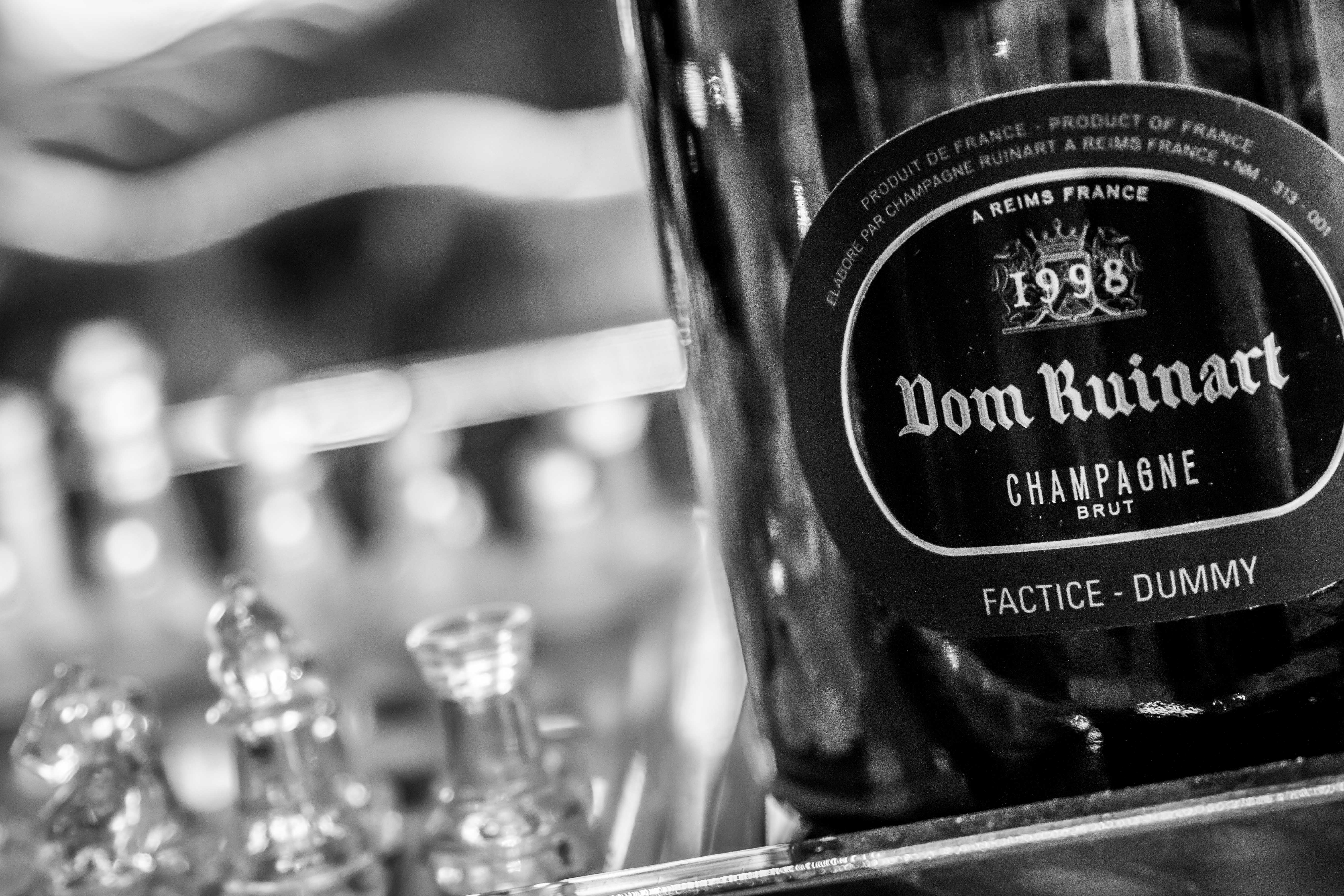
Back to Monday’s lunch. Four wines were presented: NV Ruinart Blanc de Blancs in magnum, 2002 Dom Ruinart Blanc de Blancs, NV Ruinart Rosé in magnum, and 1998 Dom Ruinart Rosé. Something to note–all Ruinart vintage wines age for 12 years on the lees, followed by at least a year in bottle. The length of ageing shows, producing wines of finesse, intensity of flavor, and fine texture.

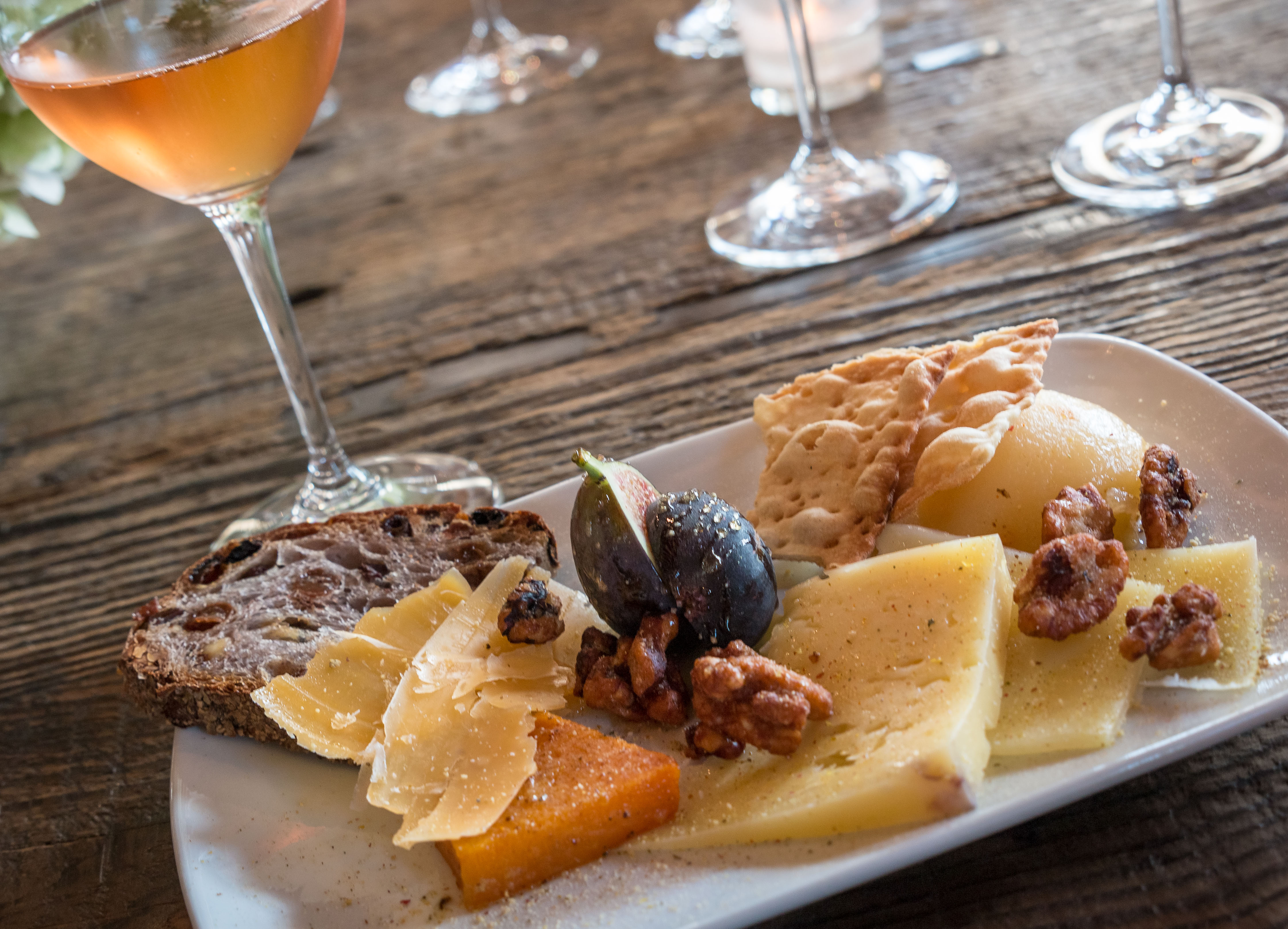
Although I had come to Ruinart through their Blanc de Blancs, Chardonnay being the foundation of the house cuvées, and, in their words, “the very soul of Ruinart,” I left smitten with the rosés. The NV is comprised of 45% Chardonnay from the Cotes des Blancs and 55% Pinot Noir from the Montagne de Reims. Aside from its red berry perfume, the wine had a beguiling note of dried rose petal that left me sniffing as much as tasting. The 1998 vintage rosé Dom Ruinart displayed very different color and character, as you might expect from a Chardonnay-dominant wine with 14-plus years of age (85% Chardonnay and 15% Pinot Noir vinified as red wine). Flavors leaned towards the tart red fruit spectrum with citrus and pink grapefruit on the long finish. A superbly aged but not yet mature wine appropriately paired with a final course of cheese.

Cheeseplate

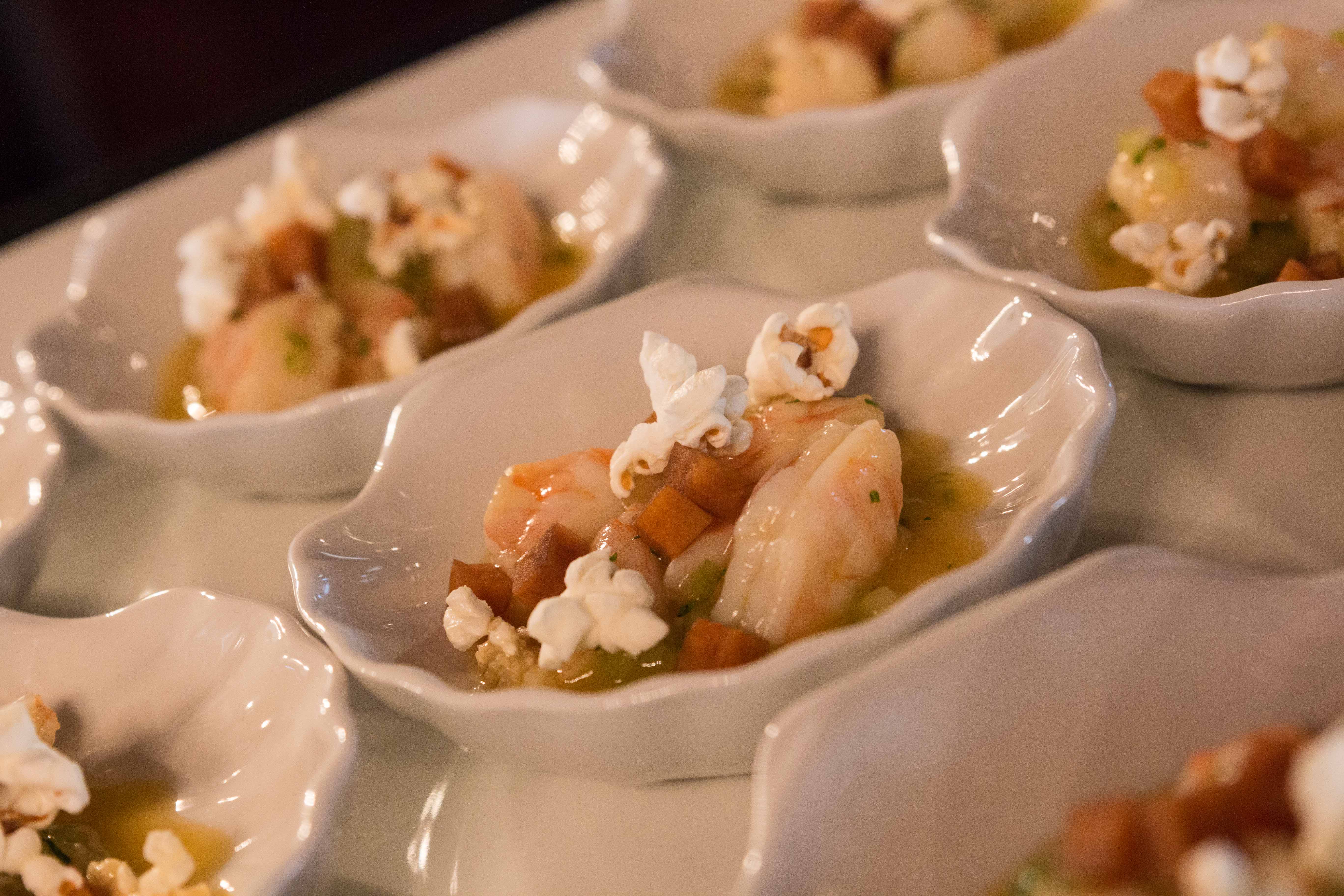
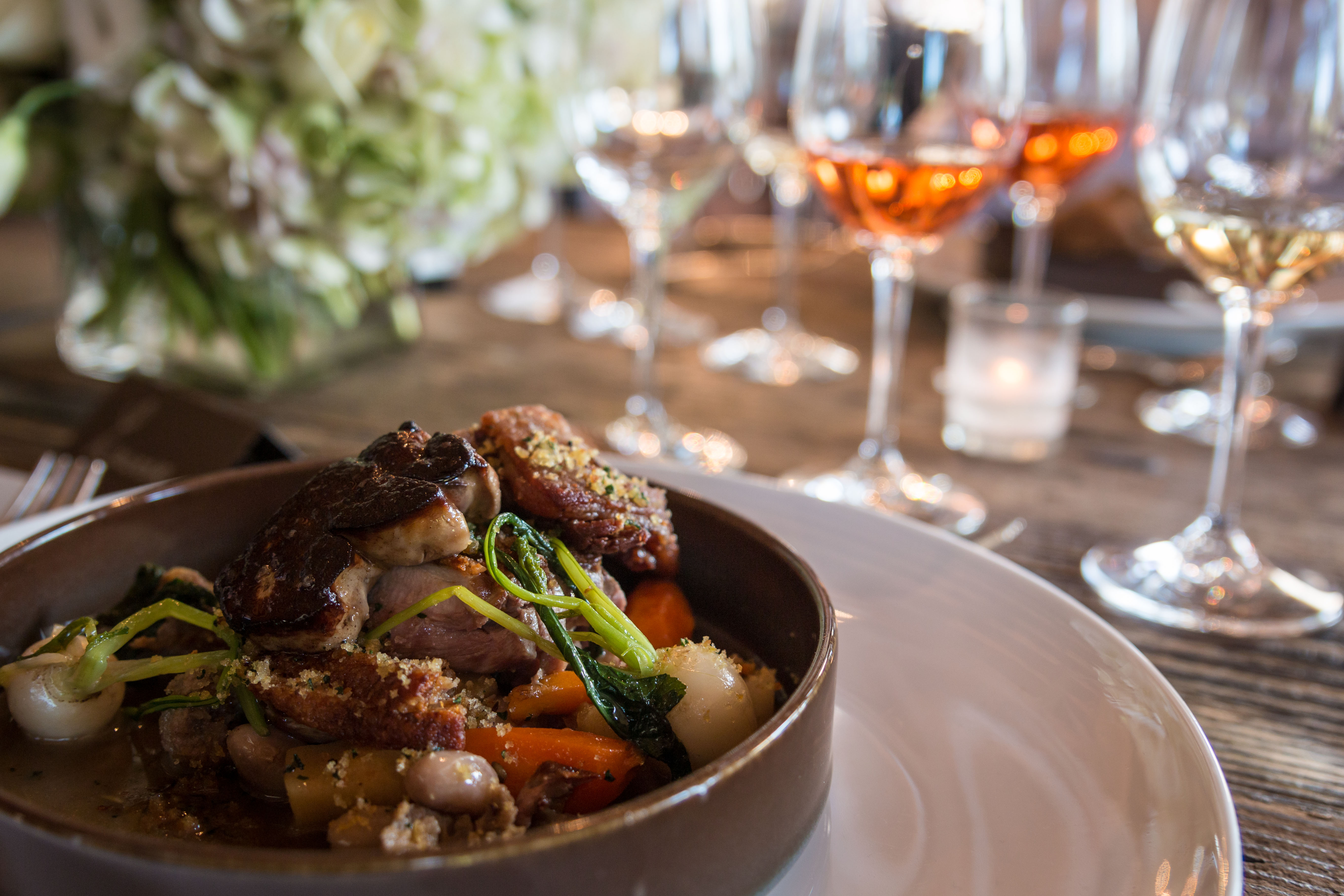
The friendly and accessible chef, Michelle Bernstein, demonstrated through her dishes how Champagne can be served with every course of a meal. Apparently an enormous fan of Ruinart, she proclaimed “why leave bubbles for special occasions or as an aperitif when they can be paired with everything!” After experiencing lunch with her and her muse Ruinart, I concur.

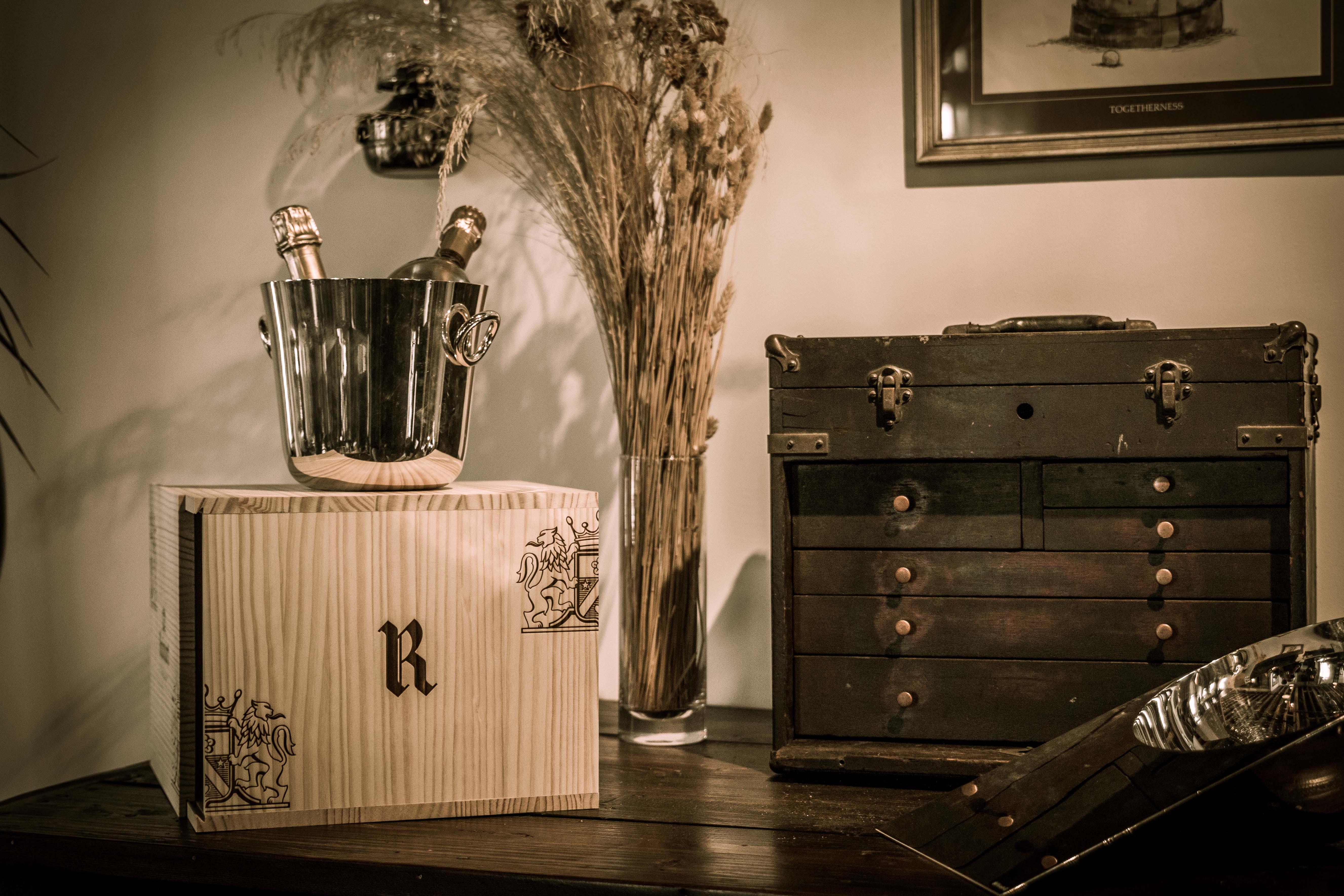
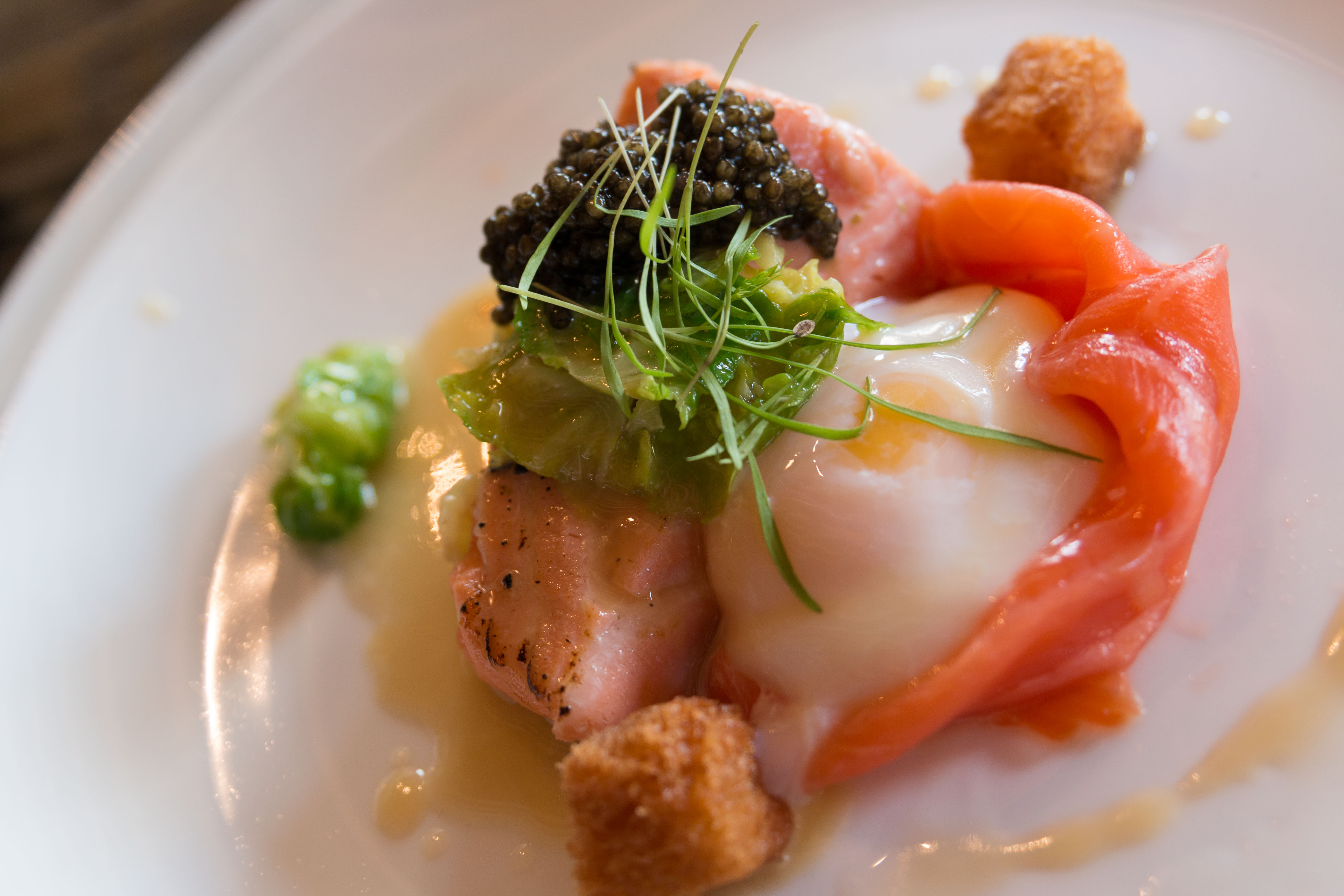
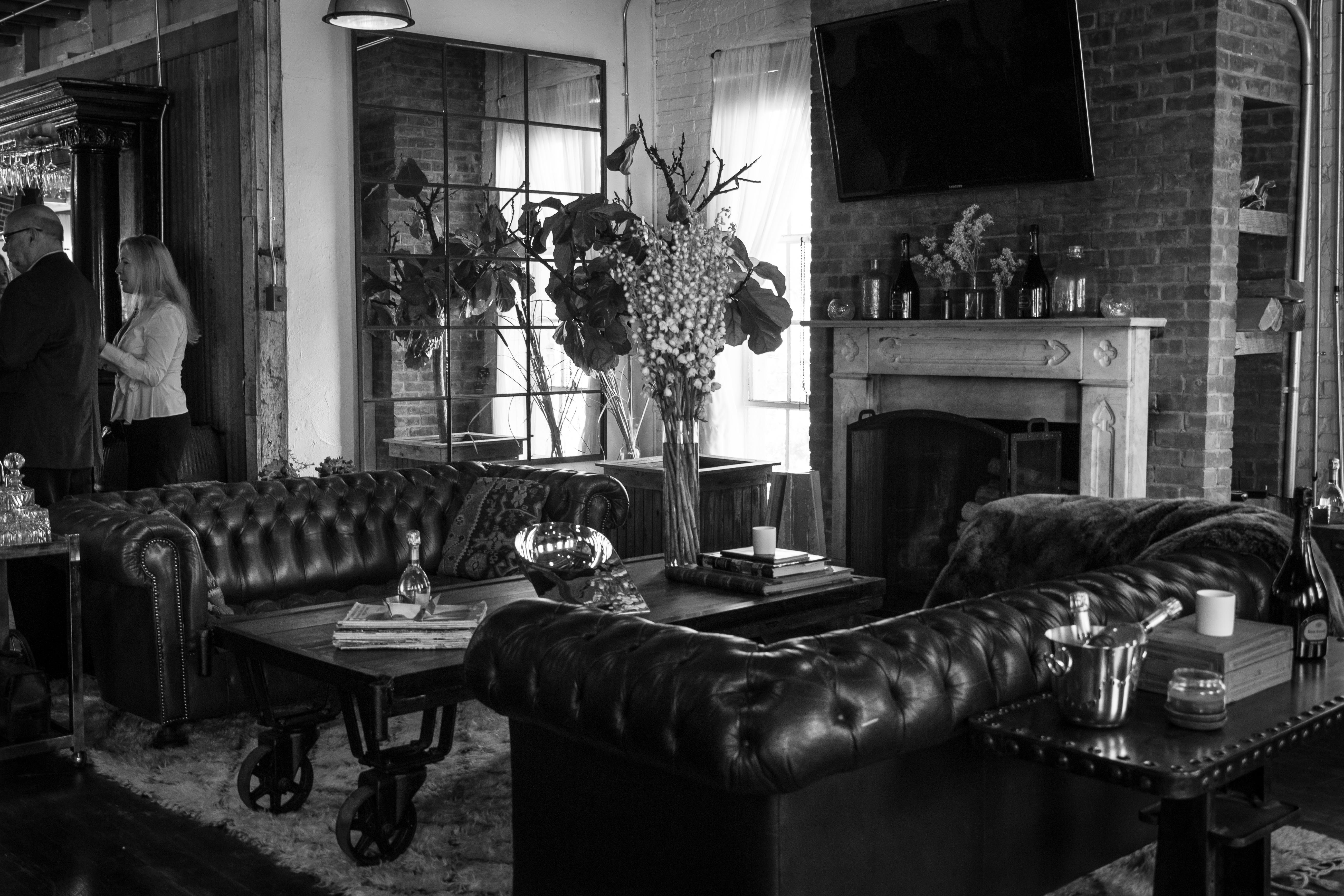
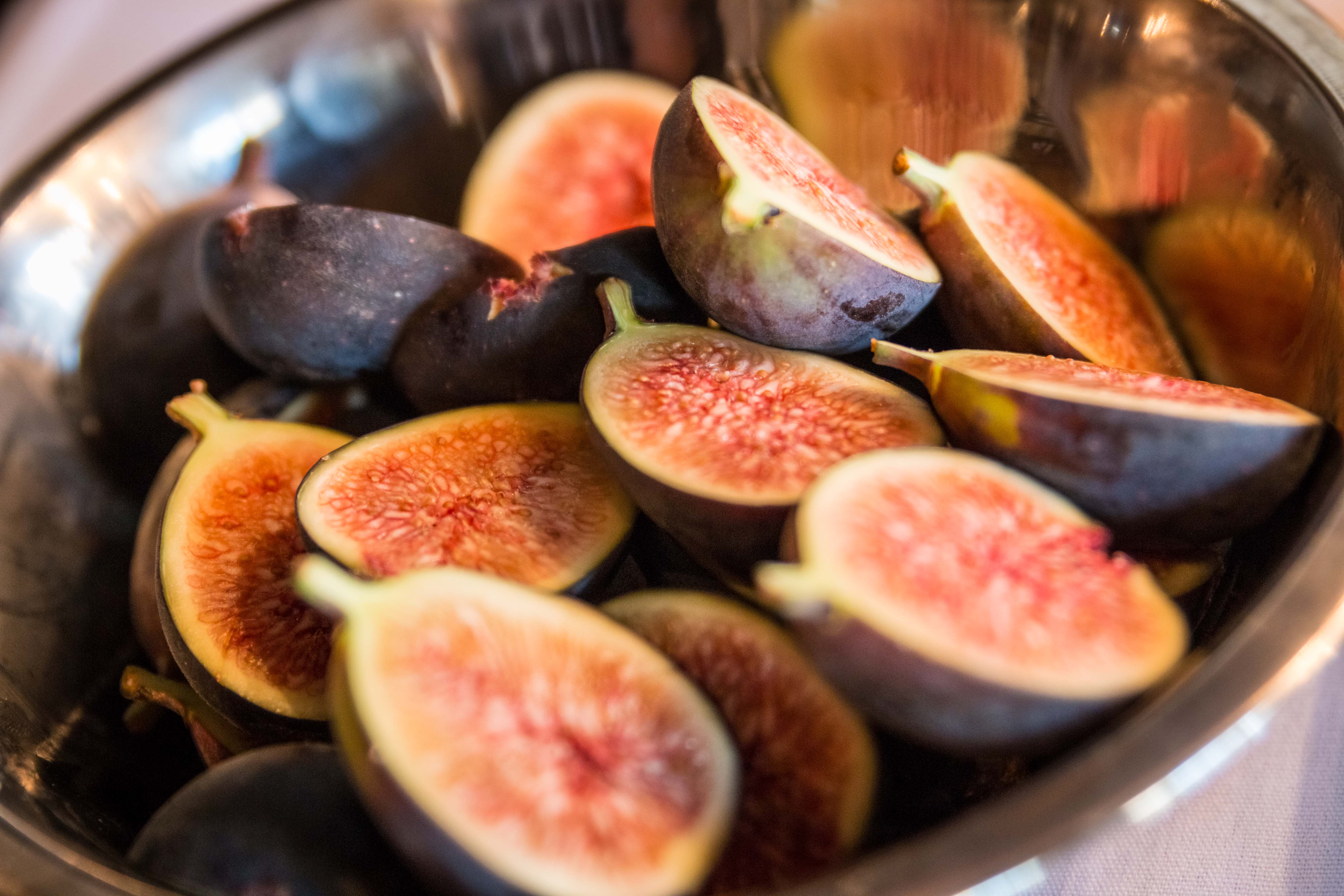
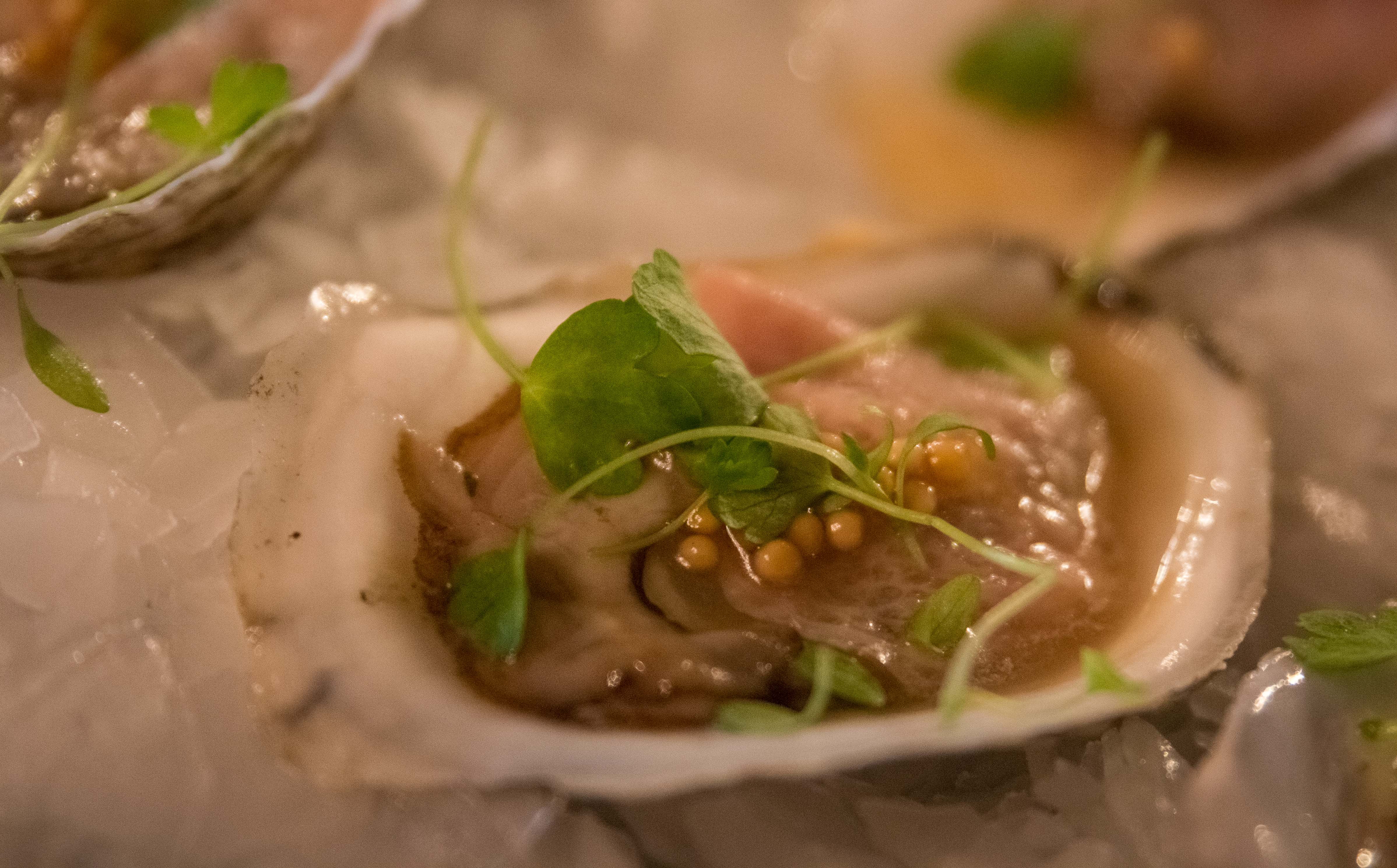
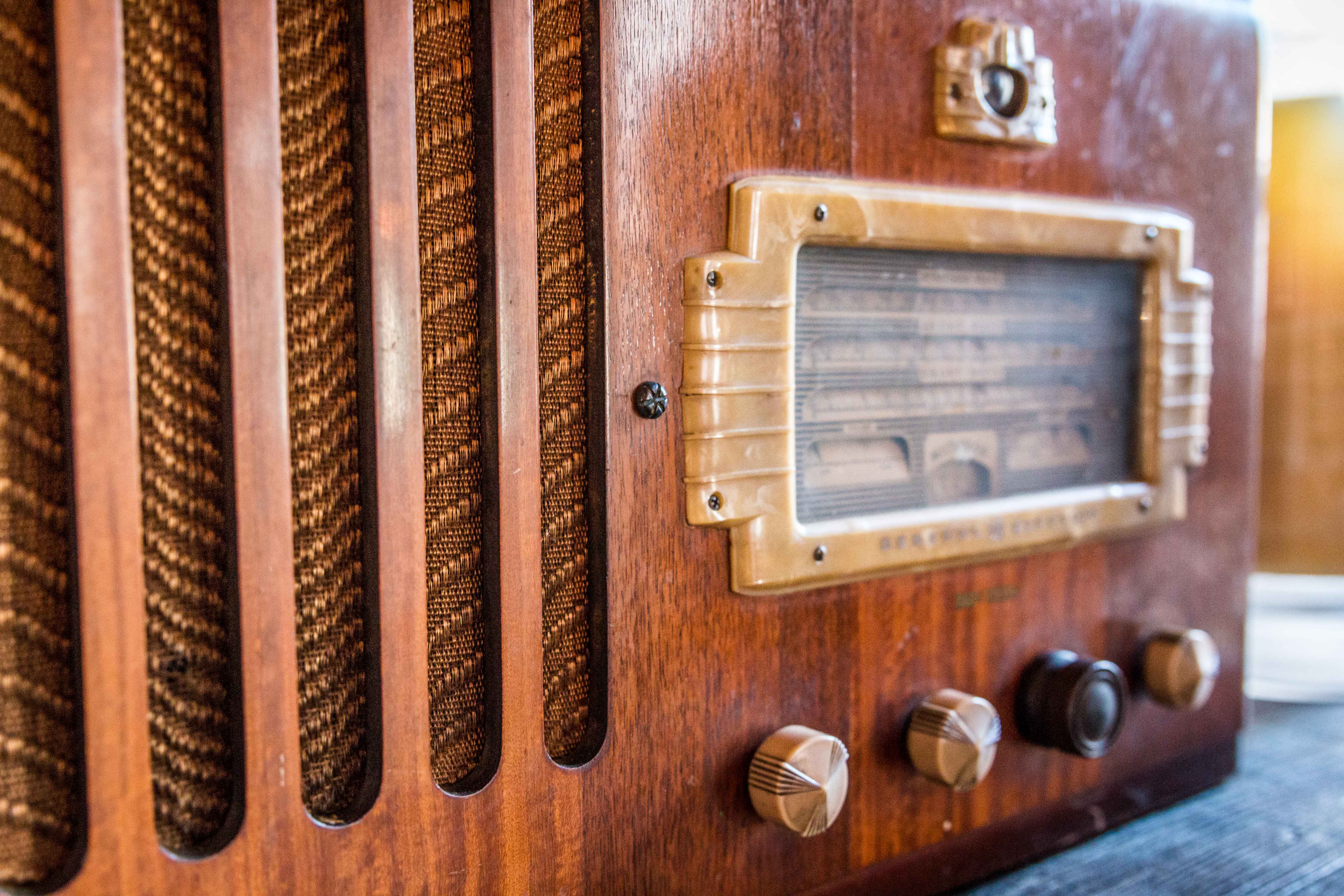
Below, I have included an image of the menu, shots of the loft and its vintage décor, and, of course, the food.

Menu

Loftandtable Ruinartandcurios Salmoneggandcaviar loftlivingspace

Tablesetting-2 Menunesltedinnapkin Shrimpandpopcornstarter Bowloffigs

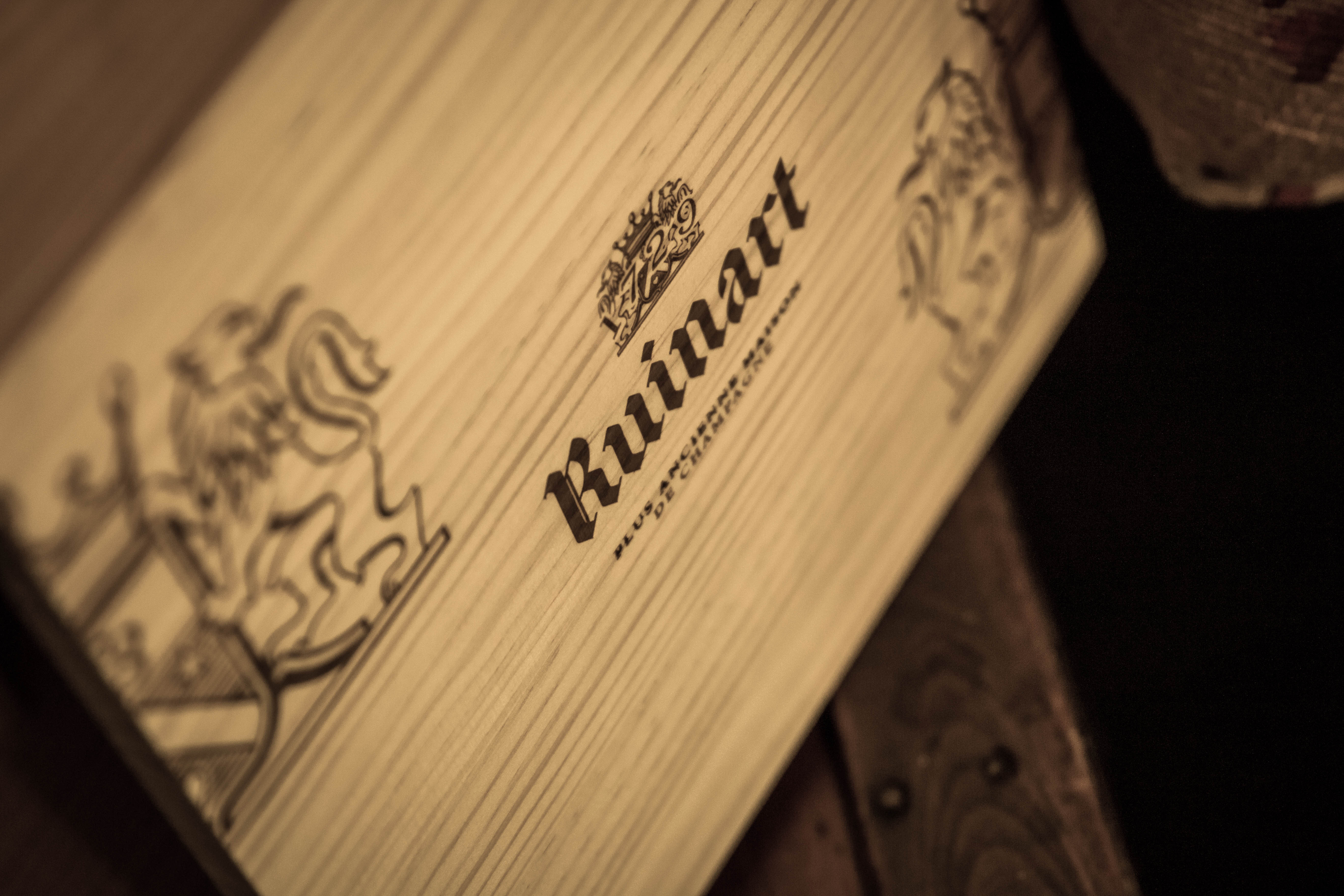
Cassouletfoie Champagneandchess Oysterstarter oldradio Loftbar Ruinartbox

3 Comments

Filed under Champagne, Ruinart

New Zealand State of Wine with Sommelier Erin Scala of the Musket Room

ErinScalaimg.jpg

If you missed my column Unscrewed last week in the Village Voice, here’s your second chance to read my interview with The Musket Room’s sommelier Erin Scala.

Erin Scala, originally from the state for lovers (Virginia), is currently having a love affair with New Zealand, especially the wines. She’s a female force on the NYC sommelier scene and has run the wine show at The Musket Room (265 Elizabeth Street, 212-219-0764), New York’s first restaurant showcasing haute Kiwi cuisine, for the last four months. In the interview that follows, Scala details how subway busking and a job making Mexican tortillas led to her career as a sommelier, and she also expounds upon New Zealand’s vinous state of affairs, strongly suggesting we start cellaring future NZ classics before the rest of the world catches on.

How did you get started in the wine and restaurant industry?

Virginia is a blossoming wine country, and as a kid, I used to run among the vines at my dad’s friends’ vineyards, so I was always in close proximity to wine, quite literally. But in high school and college I was a dedicated musician. I played drums in several bands and got to travel to pretty much every state in the U.S. on tour plus several performances elsewhere in the world.

In high school, I had to raise money to afford a band trip, so I got my first restaurant gig at a Mexican joint making tortillas. When I got my first paycheck I couldn’t believe it–$200 all for me! I was so happy I could afford new drum sticks or a cymbal! But one can barely scratch by on drumming gigs, so from then on I almost always had a restaurant gig on the side. When I first moved to Manhattan, I used to busk on the Union Square L platform, but then I got really serious as a sommelier, and it was just too all-consuming to have the time to play in the subways anymore. But I still play for fun, and I’ll take a studio recording job here or there.

Do you remember your first taste of wine and what it was?
I’m pretty sure that my first taste of wine was out of a box at a party, unfortunately. My first taste of a great wine that made me start studying, however, was Fonsalette; shortly after, I tried a killer Monbazillac. Then it just snowballed, and I became obsessed.

How long have you been with the Musket Room, and what is the focus of the list you’ve built?
The Musket Room opened in late May 2013, and I joined the team in the first week. It’s a brand new restaurant, doing something incredibly unique; we just hit our four-month mark and received a Michelin Star! Our talented chef Matt Lambert is from Auckland, and his food is “Modern New Zealand.” The wine list revolves around high-quality New Zealand selections but has plenty of interesting wines from around the world. We have help on the ground in New Zealand from Cameron Douglas, master sommelier.

How does the list complement the food?
Often in US restaurants, you’ll find cheap New Zealand wine in tandem with low-quality food. People will go to a pub or diner and expect a cheap NZ Sauvignon Blanc to go with simple bar food. But there is a whole other side to New Zealand wine, and The Musket Room wine list is a window into this world. We are doing something completely different by offering the best of New Zealand wine with inventive and inspiring New Zealand cuisine. When you drink these great wines with such great food, it presents what is happening in the New Zealand wine realm in a completely different light. I see people’s faces light up every night when I open some of these interesting bottles. Of course, the Kiwi community in NYC is already in the know, and they come in and are happy but not surprised.

Why have you spent so much of your career focused on the wines of the Antipodes, first Aussie and NZ at Public, and now NZ at the Musket Room?
I’ve always tried to grow and learn in my career. I started off working a French wine list, and then moved to an American one. When the job at Public opened up, I was curious to explore the Antipodes because it was a weak area for me. In music school, you learn that to become better at the performance of a particular piece, you must work on your weakest area until it is your best. If you approach practicing this way–be it music or wine study or whatever it is you do–you will make your base level of performance much higher.

The best way to learn the wines of a country (aside from going there) is to work a wine list predominant in those wines. I was curious and ready for a challenge in my career, so I hit the books and learned everything I could about Australia and New Zealand to prepare for the job at Public. When I left Public, my first thought was to challenge myself again and work perhaps a Spanish or Italian wine list, but then I watched a service at The Musket Room, and I knew that something very, very special was happening there, and I wanted to be a part of it. It’s been a great four months, too. There is always so much to learn as a sommelier; the pool of facts, vintages, soils, and varieties is really endless, but focusing in on New Zealand closer than I ever have before–even at Public–has been a great learning experience.

Even though I just spoke about challenging yourself with confronting weaknesses and focusing on the unknown, there is also something to be said for committing yourself to one thing and getting to know it on a deeper level. Like all great things, learning is a paradox because it asks you to both grow and reflect. At Public I was always playing the New Zealand wines off of Australia, always comparing them to Australia. Australia was always part of the conversation. But at The Musket Room, the New Zealand wines stand alone and rightly so.

musketroomsoup.jpg
Scala pairs New Zealand wines to New Zealand fare

Are there any recent movements in the New Zealand wine industry?
All movements in the New Zealand wine industry are recent, and that is what is so cool about it. I feel that I am watching history being made–a history to which not that many sommeliers are paying attention. Though a few people were making wines back in the late 1800s, the wine scene in New Zealand really started in the late 1970s.

Many of the answers that I search for–e.g. the sub-regions of Central Otago, the long-term ageability of Waitaki Riesling, the future of corks in New Zealand–are still being worked out. When asked about Central Otago sub-regions, many winemakers say “It is just too early to tell–our vines are only 10 to 20 years old!” For me, this is one of the most exciting parts of my job. To learn the fine details, we must all stay tuned with open minds.

There isn’t much chatter about NZ wines beyond Sauv Blanc and Pinots. Would you say NZ wines tend to be overlooked here in the States?
I think the wines of NZ are definitely overlooked–the good wines, that is. A lot of it has to do with consumer expectations and market pricing. Many people expect New Zealand wines to be cheap because of the flood of inexpensive Sauvignon Blanc in the 1990s, and a lot of wine consumers demand value; but many of the best New Zealand wines can be pricey, for a number of reasons.

People who are willing to spend $200 on a bottle of Pinot Noir in a restaurant will often lean toward the familiar and choose a Burgundy rather than experiment with an insanely good Pinot Noir, like, for instance, Rippon’s Tinker’s Field. But there are plenty of values out there, especially if you are willing to spend between $20 and $30 per bottle in a wine shop, or $60 to $80 in a restaurant. We’ve watched emerging wine regions earn respect in the past–California, then Oregon. New Zealand is right there.

I think in 15 to 20 years, I will laugh at this interview because these great wineries that are buzzing just beneath the global radar, like Rippon, Millton, and Fromm, will be collectors’ items by that time. It’s funny–I’m pouring some of these great wines by the glass every night, and I think, “I hope people realize what they are drinking!” I think they do. I can see it in their faces.

Outside of Pinot, Sauvignon Blanc and Chardonnay, what other grapes are, or could be, important to NZ?
This is a tough question for many reasons, and it cannot be addressed solely by addressing grapes. Why? Because within each category of grape variety lies a collection of different clones, making the answer to “which grape” complex. Additionally, clones develop differently in different regions, and in the hands of different producers. To be true to my sommelier beliefs, I cannot just gloss over all of these issues and spit out grape varieties that are doing well in New Zealand. There are many international grape varieties that grow well there. But, as I mentioned, New Zealand is only a part of the equation. I think a grape variety will do well in a suitable climate and make a great wine only in the hands of a dedicated and thoughtful producer.

What capable and thoughtful producers are working with alternative varieties in New Zealand? I can definitely name a few. Nick Mills (Central Otago) at Rippon is making amazing Gewürztraminer, Riesling, and Osteiner. James Millton (Gisborne) bottles some of the most sublime Chenin Blanc I have ever had. He also makes great Viognier. Ostler winery (Waitaki Valley) has Pinot Gris and Riesling that never fails to amaze me. Want a big red that will make your head spin? Try the Syrah from Dry River (Martinborough) with some age on it. For ethereal Pinot Gris, take a trip to Ponui Island and see what Man O’ War winery (Waiheke Island) is making. There is so much more–I could write a book!  [Editor’s note: For further expansion on these topics, visit Scala’s blog.]

What can you recommend from your list that gives customers either a good value and/or a sense of place of the regions from which they come? 
I have plenty of recommendations. From Gisborne, you must try James Millton’s Chenin Blanc before you die! Period. It’s by the glass at The Musket Room, so stop by and cross this must off your bucket list.

From Marlborough is Fromm’s La Strada Pinot Noir with some age. From Martinborough, I suggest Dry River’s Gewürztraminer and Syrah and the Ata Rangi Pinot Noir. Out of Waitaki Valley, look for Ostler anything! A few from Central Otago include anything from Rippon, Terra Sancta’s Pinot Noir, and Quartz Reef sparkling wine. From Canterburry, anything from Pyramid Valley. Finally, out of Waipara, I like Pegasus Bay “Bel Canto” Riesling and Mountford Pinot Noir.

Moving beyond the NZ wine scope, have you noticed any consumer trends over the last few years?
Pinot Noir is mind-bogglingly popular. It’s always the top selling wine by the glass and by the bottle at every restaurant I’ve ever worked in.

What are your personal drinking habits off the job?
Beer. At the end of a 12- to 15-hour work day, there is nothing else that compares to an awesome, cold, frothy beer, and the alcohol is lower, so it’s better for your liver. I’m addicted to Lagunitas IPA.

Do you regularly keep any specific wines at home?
There is always a bottle of Campari. But I change up the wine. I like to ask the people at the wine shops to put together a case for me–wrapped up–so I can blind taste the bottles. Last night I blind tasted a Sicilian Frapato, and it totally blew me away.

Do you have a favorite wine and food pairing?
I love pairing Gewürztraminer with dishes that have a lavender element. I like Tempranillo with pizza and Cabernet Franc with tacos. Botrytis wines with panna cotta. Old school Rioja with dishes that have a dill element. Funky Poulsard with mushrooms. Chablis can be magical with caviar. Crazy, awesome Riesling pairs best with a book on Philosophy.

If you could be traveling anywhere right now, where would you be?
I would be on a boat somewhere, eating some fresh grilled fish, listening to Bach, and washing it all down with something local and delicious.

Leave a comment

Filed under New Zealand, Sommelier

Sommelier Yannick Benjamin Works the Floor on Wheels

Yannick Benjamin

If you missed my article on the Village Voice, here’s a second look…

A bottle of Gevrey-Chambertin saved Yannick Benjamin‘s career; wine saved his life.
On October 27, 2003, Benjamin had a car accident on the West Side Highway that left him a T-6 paraplegic for life. He wasn’t drinking, he didn’t break any laws, nobody else was injured. Benjamin instantly knew something was wrong: “I felt a pulling in my body, the way a magnet is drawn to a refrigerator.” That night was the first of many in a decade long journey to mend his body and spirit, and return to the career he almost left.
At the time of the accident, Benjamin, only 25, was hitting his stride in the sommelier world. Born and bred in Manhattan, Benjamin had been working his way through the ranks of New York’s finest restaurants. “Growing up, I dreamed about owning my version of Cheers,” he says. “I wanted a fun place with a good group of people, simple food, and wine. I just couldn’t imagine doing anything else.”

Benjamin’s accident left him in a wheelchair. At first, he was confident he’d return to work. “I was so naïve, thinking I was going to come out of the hospital and start working the floor,” he says. But the positivity ebbed and flowed. For Benjamin, the hardest part came when a nurse finally explained that certain activities, specifically catheterization to go to the bathroom, would be forever. “‘This is your life,’ she told me. The gravity of that hit me, and it was depressing.”

After the ICU, Benjamin spent several more months in rehab before returning home in January 2004. “I remember that night; my dad brought me home,” he says. “We opened a Joseph Roty Gevrey-Chambertin from 2000. This was the first wine I tasted after my accident, and it was my first sip of something that wasn’t water or juice. The wine just hit me in the way an orange bursts in your mouth and the flavors taste electric. All this nostalgia came back, memories of working on the floor, being with wine friends. That experience changed my life and cemented my decision to get back out there no matter what.”

Convincing restaurants to hire him proved enormously difficult. “I can’t even tell you how many places I applied to that first year,” he says. “But nobody knew who I was, and I came rolling into the interview in a wheelchair. Yes, of course, rejection can make you strong, but after a while, it was also discouraging.”

As time passed, Benjamin was introduced to Jean-Luc Le Dû, the former sommelier at Daniel. Le Dû, had just opened his eponymous wine shop in the West Village, and without a moment’s hesitation, hired him, allowing Benjamin to continue working in wine. The job gave him stability. He began adding to his list of achievements, finishing college and entering tasting competitions. His highest goal was to sit for the Court of Master Sommeliers exam.

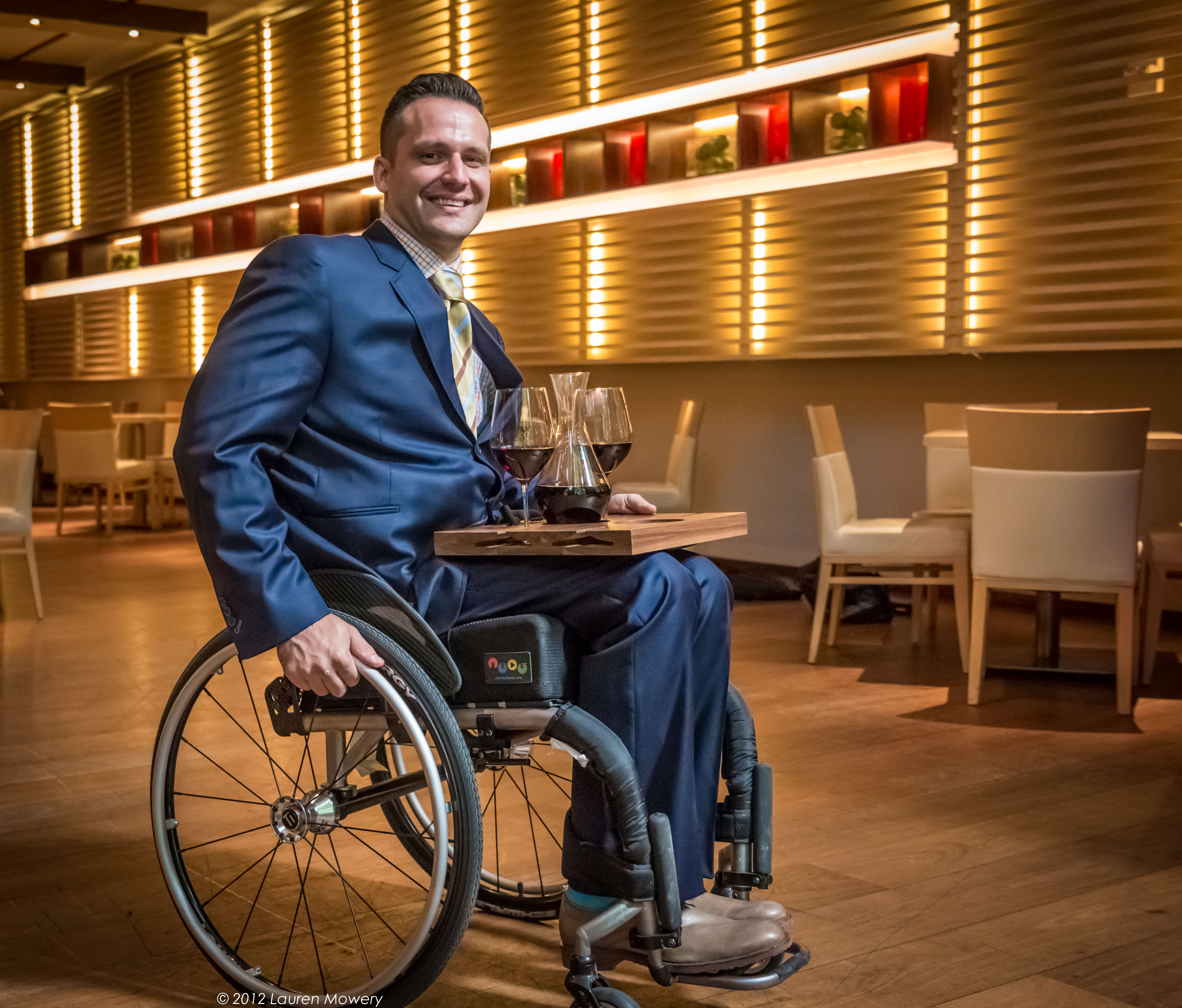
MS candidates are required to simulate wine service by carrying, decanting, and serving. Benjamin spent hours online trying to find someone working a restaurant floor in a wheelchair. “I looked up ‘wheelchair sommelier,’ and absolutely nothing came up,” he says. “I guess I am the only one dumb enough to attempt it.” To take the exam, Benjamin needed a tray. After various models, Benjamin finally settled on a custom wooden tray he designed with Jean-Paul Viollet of Atelier Viollet.

Last spring, Benjamin passed the service portion of the MS exam in Aspen. But he still felt a deep emptiness: “I didn’t care if someone paid me five bucks or nothing, I just wanted to get on a restaurant floor. I needed it.” A week later, he heard about an opening for a sommelier at the University Club. He had previously participated in competitions there in which, unknown to him, general manager John Dorman had been a judge. “When I went in and applied, he said he knew who I was.”

Benjamin was hired fuss-free and has been working as a sommelier nearly five months now, using his custom tray. At first he was nervous, worrying that the staff and customers might not accept him, but instead found the opposite. “They have been unbelievably helpful and gracious,” he says. “I think they feed off my energy.”

Reflecting on the past 10 years, Benjamin acknowledged that wine served as a life jacket during his recovery: “Wine, for me, isn’t just about drinking it; it’s a bridge to many different things—people, places, stories. I don’t know that if I didn’t have wine in my life, I would’ve been able to get through these difficult years.” Benjamin hopes to visit Joseph Roty in Burgundy. “I thought about writing a letter,” he says, “but I want to tell them in person how much that bottle meant to me. How that bottle saved my life.”

2 Comments

Filed under Sommelier, Yannick Benjamin

First Days in Sydney, September 13-14

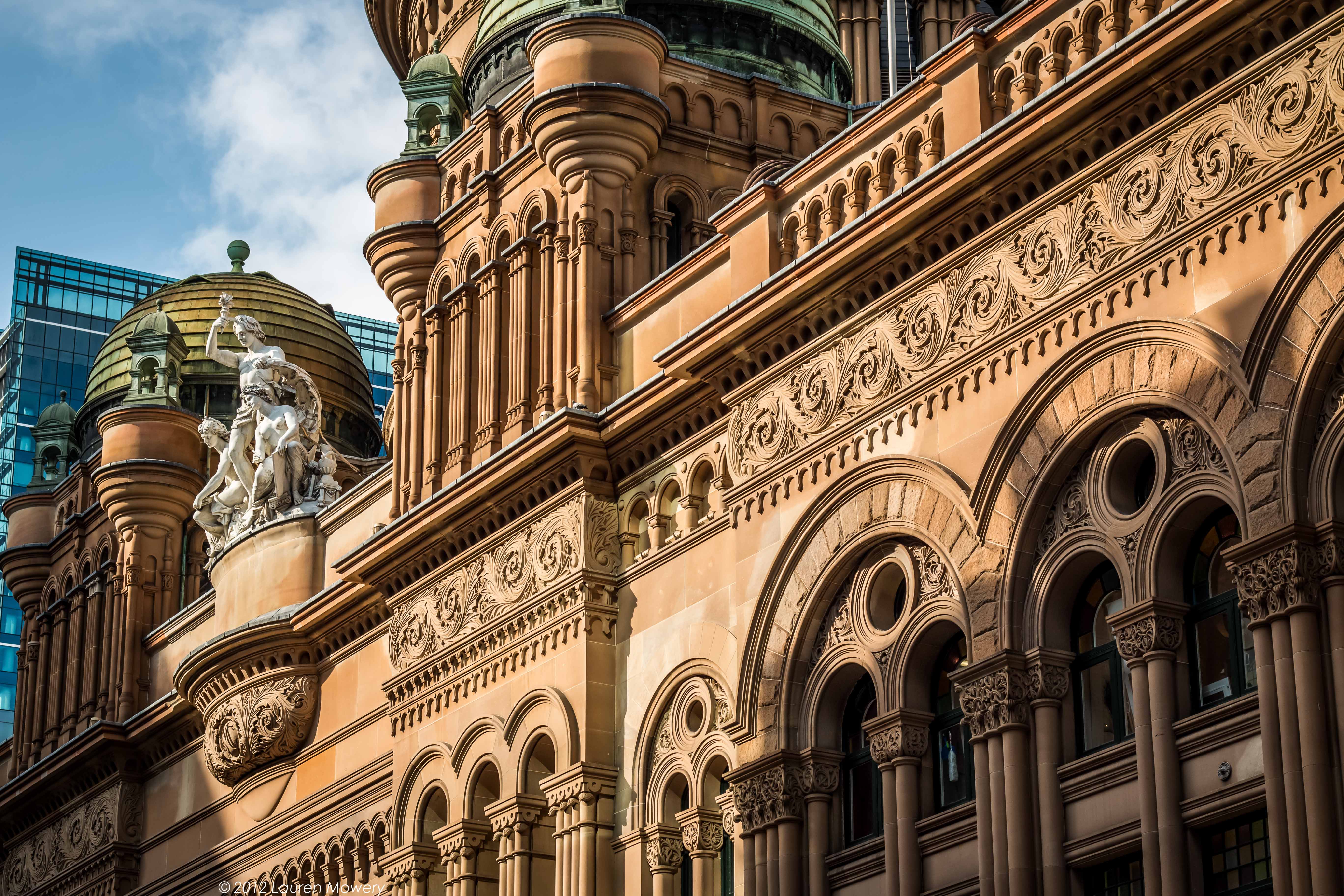
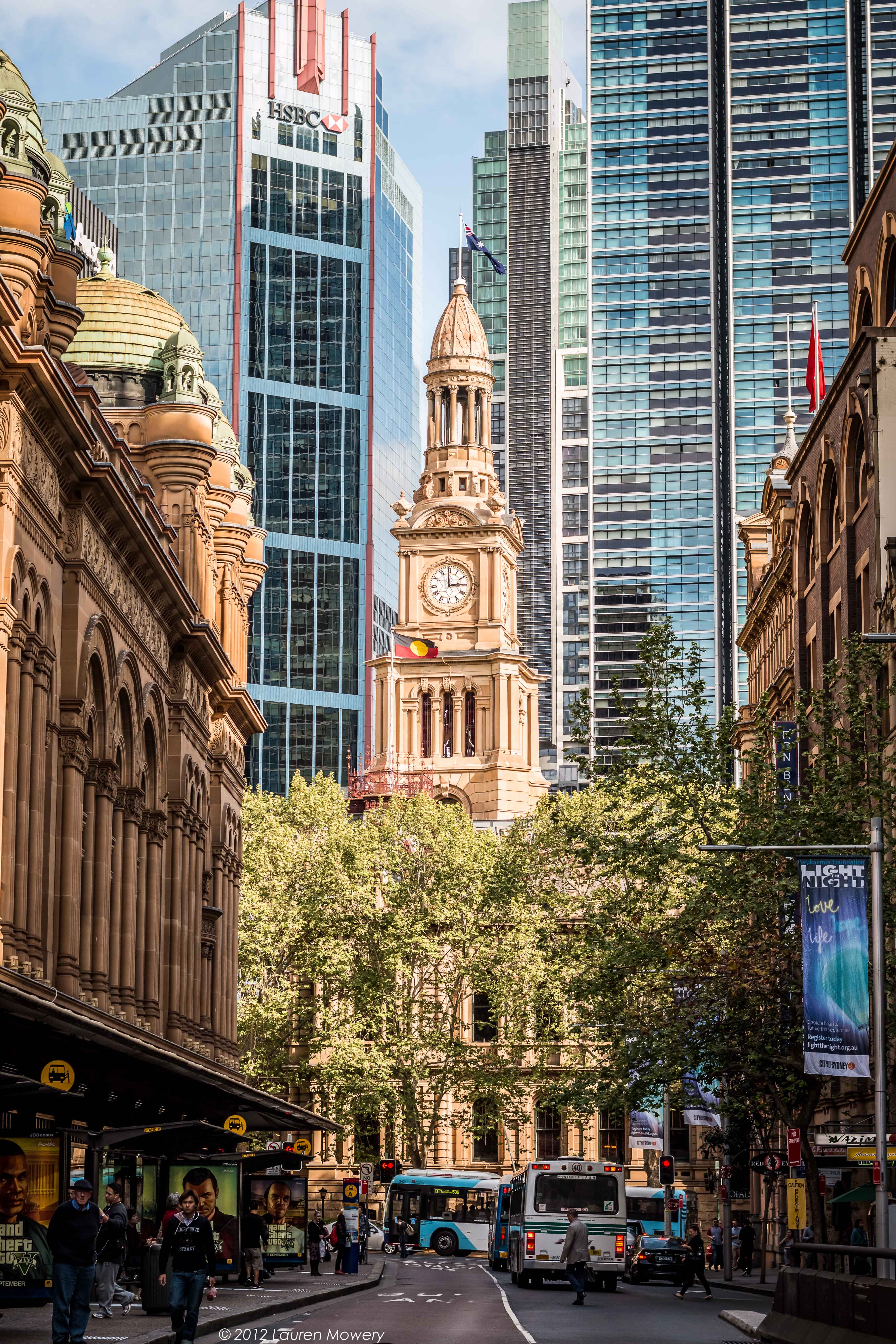
FacadeVictoriaBldg GeorgeStreetSydney Sydneyfrombridgechainlink SydneyHarbor

1 Comment

Filed under Australia, Where I am Going

Where I am going: Australia

My Epic Monthlong Journey Down Under

Part 1: Sponsored by Wine Australia,

Part 2: Independent Adventure

PART 1:

Savour

Departing JFK on Qantas, Wednesday, September 11.

SydneyThe Darling, September 13-15

Adelaide, for Australia’s First Global Wine Forum: SAVOURIntercontinental Hotel, September 15-19

Cool-Climate Wine Regions of Victoria and Tasmania, sponsored by Wine Australia, September 19-25

End of Wine Australia Program.

PART 2:

MelbourneThe Art Series Hotel: The Olsen, September 26-27

Alice Springs/King’s CanyonKings Canyon Resort, September 27-28

Uluru and Kata Tjuta (Ayers Rock)Sails in the Desert, September 28-30

Great Ghan Train from Alice Springs to Darwin, September 30-October 1

DarwinH Hotel, October 1-2

Mary River Wetlands near KakaduWildman Wilderness Resort, October 2-4

DarwinMantra Pandanas Hotel, October 4-5

Melbourne, Fitzroy neighborhood Air BnB private home, October 5-7

Mornington Peninsula, Yarra Valley Wine Tastings, overnight in Dandenong Ranges A Loft in the Mill, October 7-9

MelbourneThe Art Series Hotel: The Cullen, October 9-10

Return flight home on Qantas, October 10.

Leave a comment

Filed under Australia, Australia 2.0, Where I am Going

Perfect Fall Reds From Austria–and Where to Drink them in NYC

Austrianwines.jpg

Copied from my column Unscrewed in the Village Voice

It’s frightening that we are already one week deep into September and are marching towards shorter, cooler days. For many, the change in weather means a welcome return to red wine. But what do you drink when the humidity abates yet temps still hover in the shorts and t-shirt zone?

Reds from Austria.

Gruner Veltliner, Austria’s white wine darling, is almost a household name (maybe not in Iowa), but what about red grapes like Blaufränkisch, St. Laurent, and Zweigelt? About a third of Austria’s wine production is red, concentrated southeast of Vienna primarily in the Burgenland region on the border of Hungary. Warm winds flow off the Pannonian plain, making red wine production possible in an otherwise cool country. Many vineyards lie on the shores of the Neusiedlersee, one of central Europe’s largest lakes and also a source of warmth. But you needn’t worry about the geography in order to appreciate the grapes’ charms. Their lean, aromatic, and acidic profiles make them food friendly and easy to drink–and an ideal way to transition into fall.

Here’s a quick crash course:

Blaufränkisch: Although a fickle grape to grow, this is Austria’s oldest red, and some say it’s also the finest for its ability to loyally reflect the nuances of terroir. It’s generally medium bodied, bright, and spicy, showing a range of dark fruit flavors. It’s also known as Lemberger in Germany, Washington State, and the Finger Lakes.

St. Laurent: Satin-textured, sometimes lean, sometimes plump, this wine draws comparisons to a Pinot Noir with brawn (or a cross with Syrah), and it displays a wide expression of flavors from smoky-mocha-blueberry to meaty-wet earth-Morello cherry.

Zweigelt: Genetically a cross between the first two, this grape was created in 1922 by Austrian scientist Fritz Zweigelt. Generally lighter in body, it’s often juicy, cheerfully fruity, smooth, and quaffable, supplemented with notes of spice and floral aromatics like cinnamon sticks and violets.

Now that you know your grapes, hit these four spots in the city to get your Austrian fix. 

CafeKatjaLiverwurst.jpg

Café Katja, 79 Orchard Street
Once a microscopic speck of a joint, this recently expanded restaurant offers authentic, homey fare at reasonable–and not just reasonable for New York City–prices. When the Austrian importers are in town, they come here. The homemade liverwurst is spectacularly good in its simplicity, as is the emmentaler sausage that oozes rich cheese from its cavity when sliced open. The wine-by-the-glass options are so affordable you can sample a few for the twenty in your pocket.

Edi and the Wolf, 102 Avenue C; The Third Man, 116 Avenue C
An instant hit when it opened, this East Village resto features a contemporary take on rustic, hearty fare in an equally rustic, woodland fantasy-like setting bedecked with overgrown plants and reclaimed wood. Executive chef/owners Eduard Frauender and Wolfgang Ban were inspired by Heuriger, the casual, neighborhood wine taverns prevalent in their native Austria. The wiener schnitzel with potato salad, creamy cucumbers and lingonberry is a classic, but less identifiably Austrian dishes like squid ink risotto with scallop are also skillfully prepared with soul. If you get stuck waiting for a table (the line can be outrageous) or are interested in lighter fare with your wine, head a few doors down to The Third Man, a Viennese-inspired cocktail bar from the same owners.

CafeKatjaSchnitzel.jpg

Seäsonal, 132 West 58th Street 

Another Eduard and Wolfgang tribute to home, this midtown spot is on a re-design hiatus and will reopen in a few days, the interior refreshed by Brooklyn-based designer Florian Altenburg, who also contributed to the duo’s two downtown haunts. The menu will continue to honor their seasonal food agenda, but the renewed space departs from its former monochrome white with warmer elements including hand-made brass light fixtures, natural wooden tables, and forest-green leather banquettes. The revamped beverage program and addition of a raw seafood menu will make the bar a more prominent focus of the space.

Upholstery Store, 713 Washington Street 
One can’t talk about the steady proliferation of Austrian restaurants in the city without acknowledging Kurt Gutenbrunner’s influence. With four successful establishments, each offering a twist on the cuisine of his homeland, Gutenbrunner undeniably spearheaded NYC’s Austrian food campaign. Wallse, Blaue Gans, and Café Sabarsky are all good places to daydream about Viennese and Alps getaways, but the Upholstery Store is a straight-up bar in a no-nonsense setting for getting down to the business of drinking wine. Supplement your drinks with charcuterie, cheeses, and other gourmet snacks, all available for nibbling while you explore the depths of your three new vinous friends.

Wines to Find: 

Heinrich, Bläufrankisch 2011, $25. Medium-bodied, balanced wine with an attractive punch of fresh blueberry and blackberry fruit.

Paul Achs, St. Laurent 2009, $30. Spicy and earthy with cherry aromas, the delicate structure and fine tannins evoke Pinot Noir.

Umathum, Zweigelt Classic 2011, $20. Good complexity for the money, tastes like a bushel of black cherries stuffed in the bottle spiced up with fresh black pepper.

Where to Buy:
Sherry-Lehman, 505 Park Ave, 212-838-7500
Astor Wines and Spirits, 399 Lafayette Street, 212-674-7500

Leave a comment

Filed under Austria, Reds

Wine Lover’s Guide to the Finger Lakes, New York

In early July, I did something crazy: I lined-up for Manhattan’s Holland Tunnel on a summer Friday afternoon. Why? To traverse a 250-mile swath of highway across New Jersey, Pennsylvania, and back across New York, in order to visit America’s preeminent East Coast wine region—the Finger Lakes. A rural land of surprisingly fine wines, its Rieslings much vaunted by critics, the region offers abundant scenery of rolling hills, shimmering lakes, and neat rows of vineyards stretching from shore to sky.

LamoreauxLanding-L.jpg

It’s easy to plan a trip to Finger Lakes Wine Country—the region’s tourism website offers ample information. Plus, the wine trail is superbly marked, as it follows the shorelines of the three main lakes: Cayuga, Seneca, and Keuka. But this isn’t the Sonoma of the East. The overwhelming number of wineries, underwhelming number of sophisticated dining and lodging options, and lengthy driving distances between wineries make a well-organized, efficient itinerary a necessity.

So, with expectations in check, here’s a guide to seeing and tasting the best of the region over four nights and five days. Keep in mind: this winery itinerary is for marathon tasters. Feel free to stop for photos, food, or to just breathe, and drop a winery when you need to.

DAY 1

AuroraSunset-L.jpg

Pump caffeine through your system for an early start on the drive there. Arrive early afternoon at the most beautiful and expensive of your lodging, the Aurora Inn, on the eastern shore of Cayuga Lake. Take time to enjoy this special property and local activities. Stroll through the quaint town, visit Mackenzie Childs, and take a kayak out on the lake. Sip on a sundowner before dinner in the fantastic Aurora Inn dining room.

DAY 2

AtwaterView-L.jpg

Breakfast at the inn, pack-up, and head 8 minutes north on Highway 90 to visit Heart and Hands Winery, a “winery to watch” run by a husband-and-wife team focusing on estate Pinot Noir and Riesling (once the vines mature on their limestone-rich soil). For now, they buy their grapes. Next, you’ve got a 50-minute drive along highway 89 to Sheldrake Point Winery. Enjoy racy Rieslings, aromatic Gewürztraminer, and luscious dessert wine. For lunch, backtrack 7 minutes north up 89 to catch a wood-fired pizza (skip the wines) at The Copper Oven. Back on the road, you’ve less than a 30-minute drive from Cayuga down highway 414 to the east side of Seneca. First stop is Bloomer Creek—do not skip this visit. Winemaker Kim Engle makes small-batches of honest, terroir-driven wines with unique character. Practically next door, Atwater Vineyard offers a nice view overlooking the lake on its deck, from which you’ll try well-priced wines, including an interesting Riewürz and Blaüfrankisch. Head three minutes back north up 414 to Red Newt for an early dinner and to sample their wines while dining on local, seasonal cuisine. Overnight down in Watkins at the south end of Seneca Lake in the Watkins Glen Harbor Hotel.

DAY 3

BabyvinesatWeimer-L.jpg

Breakfast at the hotel, pack-up, and head out on a 20-minute drive north along 414 to Lamoreaux Landing Winery. Enjoy expansive lake views, vineyard-designated Rieslings, and a méthode champenoise sparkler. Nearby, visit Hector Wine Company—winemaker Justin Boyette does wonders with grapes. They also produce a higher-end label called Forge, known for its controversial (due to some oak contact) but lovely, textural Riesling. Time for lunch just five minutes away at Dano’s, a modern, Viennese-inspired restaurant with outdoor tables. Post-meal, start your 30-minute drive to the western shore of Seneca Lake. First stop along highway 14 is Hermann J. Weimer, a justifiably famous producer of premium Riesling. Overnight at Glenora Inn, and seek finer dining back 30 minutes away on the east side of the lake at Suzanne Fine Regional Cuisine or locally belovedStonecat Cafe. If you’re desperately tired, eat at the hotel’sVeraisons.

DAY 4

BillsboroWinery-L.jpg

Breakfast at the hotel, pack-up, and head north along highway 14 for about 15 minutes to Anthony Road for their exceptional Art Series Riesling. A very short drive from there is Red Tail Ridge, run by husband and wife team Mike Schnelle and Nancy Irelan. Ask for the Teroldego and Blaufrankisch. Next door, Fox Run Vineyards offers a fantastic line-up, including the Lake Dana Geology Series Rieslings, which can be enjoyed over a lunch of charcuterie and cheese from their café. Before departing, track down the electric Tierce Riesling (a collaboration between Red Newt, Anthony Road, and Fox Run, and sold at all three). If you aren’t wined-out, continue north for another seven minutes to Billsboro winery, owned by winemaker Vinny Aliperti (also of Atwater). If you can only handle one more winery, however, make itRavines, which is twice as far north, for their superb dry Riesling and Cerise red-blend. You’re now at the north end of the Seneca Lake, so stay at Geneva on the Lake or Bragdon House B&B, and dine in Geneva town at the Red Dove Tavern.

DAY 5

KeukaLakeVineyards-L.jpg

Breakfast at the hotel, pack-up, and head over to Lake Keuka, the prettiest of the lakes, for a tasting at Dr. Konstantin Frank. This fourth-generation family winery laid the foundation for the Finger Lakes wine industry. On your way back to Hammondsport, pop in to Keuka Lake Vineyards for a comparison tasting of small batch, single-site Rieslings. Catch a quick lunch in town at the Village Tavern. If you’ve got one more winery in your system, visit McGregor on the opposite shore of Keuka Lake. It’s almost 30 minutes away along gently curving back roads and over rolling country, but you’ll be rewarded for the effort.

3 Comments

Filed under Finger Lakes

Weekend Plans? Drink and Dine on Long Island’s East End at Harvest

HarvestEastEnd.jpg

I feel sad about this, but we don’t live in Maui, and there is no endless summer in our future (at least the immediate future–who knows about the long term with global warming). And even though we New Yorkers generally get to enjoy warm days until late October, when the weather turns like clockwork to freeze all the wannabe strippers at Halloween, we should still celebrate the close of another season with–you guessed it–an outdoor blow-out wine and food bacchanal.

This Saturday, August 24th, McCall Vineyard & Ranch in Cutchogue on the North Fork of Long Island will host Harvest East End, a one-stop shop for the sybaritic pleasures of food and wine. The event is perfect for people who don’t want to plan out independent winery visits, go on an organized tour, or just plain drive between wineries after forgetting to spit. Over 40 local vintners and 30 local restaurants convene at this annual festival to show off their vinous and edible wares. The tasting celebrates the zenith of harvest, and it also serves as a charity fundraiser benefiting four important regional charities: East End Hospice, Group for the East End, the Peconic Land Trust, and, new for 2013, the Long Island Farm Bureau Promotion & Education Foundation.

The event is presented by Wine Enthusiast magazine and organized by the Long Island Wine Council with support from Merliance. The Festival-level tasting runs from 7 to 9:30 p.m. and costs $150, and you can either purchase tickets in advance online or at the door (assuming there’s still availability–might not want to leave it to chance if you’re going to head out there from the city). Ballers can splurge on the $250 Vin-IP experience, earning them advanced entry at 6 p.m., table seating, access to the Library Lounge showcasing selected older vintages, and a stocked insulated tote courtesy of Whole Foods. Oh, and up-front parking–always a plus anywhere in Long Island during these final summer days.

1 Comment

Filed under Harvest East End

5 Reasons to Visit Lake Chelan

I got a taste of Lake Chelan, Washington before the Wine Bloggers Conference in the Okanagan Valley this past June. Here are 5 Reasons I recommend a visit to this remote-ish part of the country, as posted on Fodor’s today.

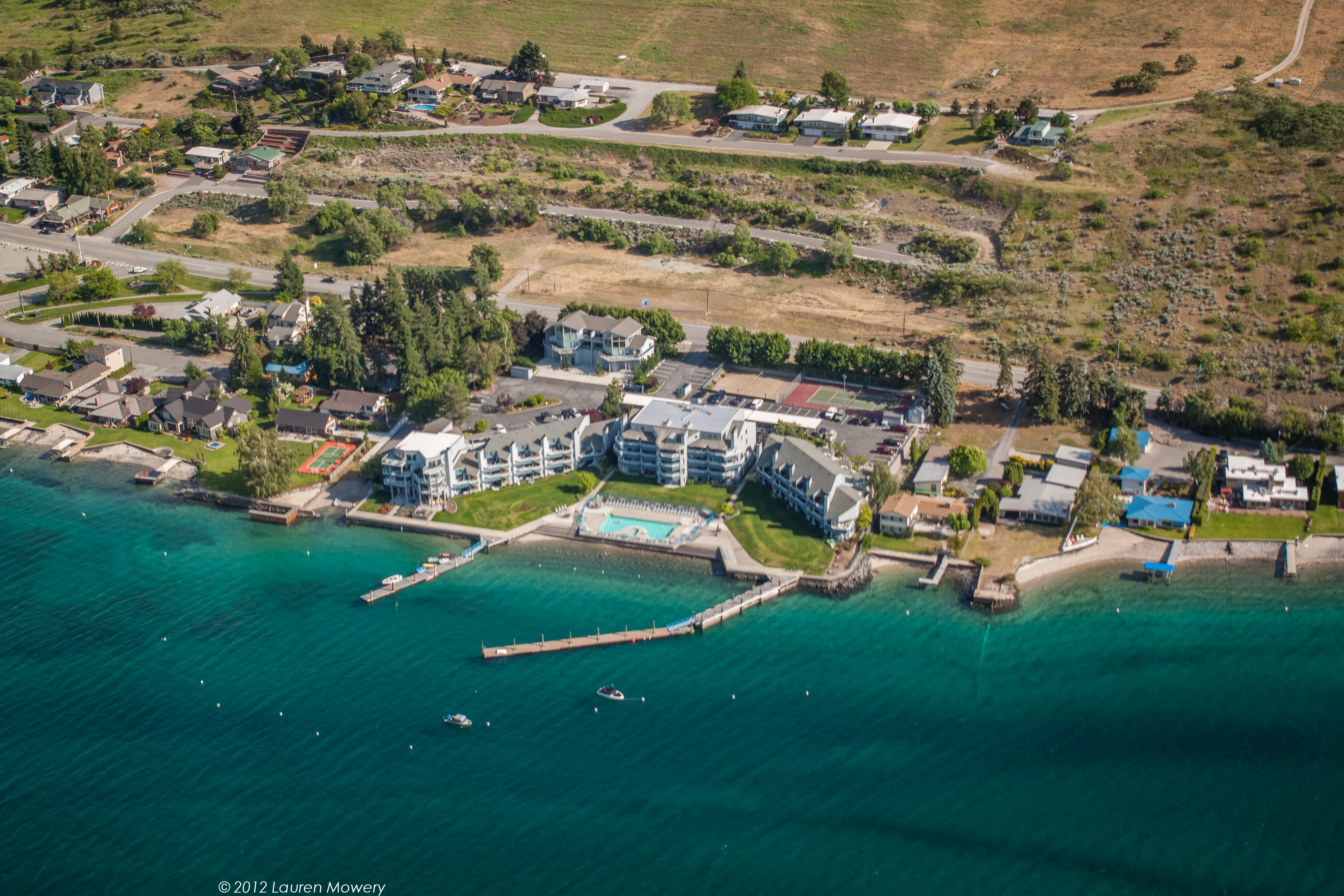
LakeChelanResort

A 55-mile long sliver of water called Lake Chelan sits nestled at the base of the North Cascades mountain range in Washington. Located three hours northeast from Seattle, this out-of-the-way region has been known to city-dwellers for decades as a summer getaway spot, but has only recently made its national debut as a trek-worthy destination. And for what? Wine, of course. The pioneers of the nascent, ten-year-old industry took vinous cues from their cousins in the north—the Okanagan Valley in British Columbia—and concluded that if the Canadians could make robust reds and zippy whites another three hours further north in a similar climate, so too could they. There is more to do around Lake Chelan than drink wine—actually lots—but a visit to the vineyards makes for a good beginning to any trip.

Lake-Chelan.jpg

VINEYARD VISITS

Launch your day at Vin du Lac WineryOwner Larry Lehmbecker produces a variety of wines, including a particularly good Riesling and Cabernet Franc. The property sits perched above the lake, and tastings can be enjoyed outdoors on the patio. Stay for lunch to sample their bistro fare. Next, pay a visit to gregarious couple Rob and Donna Mellison of Mellisoni Vineyards. Forget jockeying for position at annoyingly crowded tasting bars—the Mellisons bring the wines to you while you’re literally barefoot in the grass, reclining in their Adirondack chairs. The lake view is so expansive you’ll feel like you’ve been painted onto a life-size canvas. And the wines are stellar, too.

Every party needs a little sparkle, so take yours to Karma Vineyards to taste fine bubbly wines produced in the style of méthode champenoise(the way the French make it in Champagne). Tour their cave, and then hitch a ride up the hill on the Karma trolley for another incomparable Lake Chelan view. For a small operation making impressive wine, visitNefarious Cellars; the bright, crisp Riesling and plummy-floral Syrah stood out amongst their peers. Wrap up your afternoon with a tasting atVentimiglia, founded by Ron Ventimiglia, a tile-setter-turned-winemaker. Open during the summer until six pm Thursday through Sunday, Ventimiglia puts out a serious line-up that includes flavorful Pinots and Syrah.

Insider Tip: To make for a full day of wine touring, designate a driver or hire a limo. If you’re partial to a guide with a boisterous personality, hire the best-named chauffeur in the world, Danger Russ; someone will definitely go home with a cork-necklace that night.

Lake-Chelan-seaplane.jpg

AFFORDABLE TRANSPORTATION—IN A SEAPLANE

Chances are, you’ve never gone wine-tasting in a seaplane. Not only is it unusual, but it sounds frighteningly expensive. Yet, Chelan Seaplanes, a local family-owned company with a 41-year safety record, regularly transfers tasters from downtown Lake Chelan on a de Havilland Beaver floatplane and delivers them to Rio Vista Wines, a winery with an enviable riverside location. The 10-minute scenic flight provides glimpses of the Columbia River, the iridescent turquoise lake and vineyards strung along the hills. After your hour-long tasting at Rio Vista (try the Malbec and Tempranillo), climb back onboard for your return flight home. For an aerial view and glamorous arrival, $69 round-trip is a bargain.

Insider Tip: If traveling with a group of six, charter a plane for the day. Hit the winery before heading towards Canada for a flightseeing tour of the North Cascades, home to over 300 glaciers. Each seat on the plane is equipped with a headset and intercom for your pilot to narrate points of interest along the trip. And in their words, “if there is a landable lake or body of water, we can charter you from here to there.” Sounds like a challenge.

DAY TRIP TO STEHEKIN

Lower Lake Chelan, where most of the vineyards are located, is dry and arid rather than wooded wilderness. To satisfy your inner woodsman, head to Stehekin, located at the convergence of four protected areas, including North Cascades National Park and Glacier Peak Wilderness Area. There aren’t any roads—a visit to this “town” (fewer than 100 people live here year-round) requires entry via foot, flight or boat. Chelan Seaplane (see above) charters flights for day trips, or seize the opportunity to get on the water and float into town on the Lady of the Lake ferry. At the boat dock, rent a bike and ride through the community, or a kayak to ply the nearby glacier-fed waters. Of course, hiking is a major attraction, and there are trails to keep you occupied for days should you decide to stay over and camp or rent a log cabin.

Insider Tip: For a “taste of Stehekin,” ride your rental bike two miles up the valley road to the Stehekin Pastry Company. Owned and operated by the Courtneys, the original family to settle this remote area, they bake a mean cinnamon roll. Next, head over to The Garden to meet Karl Gaskill, the village organic farmer, and score some of his honey and homemade goat cheese. Remember to pack the honey in your suitcase; it’s considered a liquid and the crack airport security staff nabbed mine from my carry-on. Finally, have a true cowboy dinner atStehekin Valley Ranch, featuring a limited menu of nightly specials and a chance to hang one-on-one with a Courtney.

Lake-Chelan-Campbells-Resort.jpg

LAKEFRONT LODGING

To get the most out of the lake, stay on it. Unlike most resort towns where a beachfront view costs as much as the plane ticket, the properties around Lake Chelan serve up affordable water views, often from your private balcony, steps from the lake’s sandy shores. Our favorite is Campbell’s Waterfront Resort. Both family-owned and family-friendly, you get a reasonably-priced, spacious room without sacrificing style or charm. The resort has a pool, spa, and on-site dining at The Pub and Veranda, a popular spot with an open-air atmosphere overlooking the historic downtown. A few others to try: Wapato Pointand The Lake House at Chelan.

Insider Tip: While you are on the lake, take the opportunity to paddleboard and kayak, both popular water activities. If you are staying at Campbell’s, you can fish right off their dock—just pick up a license at Kelly’s Hardware, a half-block from the resort. Also, every Wednesday, Campbell’s offers a fishing class for kids. If you want a fishing guide service or boat rental, speak with the front desk or check their websitefor resources.

Lake-Chelan-Sorrentos.jpg

SMALL-TOWN PRICES, DIVERSE DINING

The “finest” dining in town, Andante offers classic Italian dishes. In general, however, the region sports a down-home, casual approach to living and eating, so embrace the vibe. Head for the hills, or rather, head for Blueberry Hills in Manson for a breakfast of overstuffed fruit-filled pancakes and crepes or eggs-benny. They have a U-pick farm next door, so load up on blueberries and strawberries for the 15-minute drive back to Lake Chelan. Another Manson option, Cannella Kitchen defines “homemade” and “farm-to-table” dining; during the growing season, Adrianne and staff farm and harvest most of the vegetables they serve. No liquor license yet, but fingers-crossed for craft cocktails starting in August. Back in Lake Chelan, if you are hunting for pizza, locals swear by The Local Myth, and to satisfy those with a meat-tooth, the Winemaker’s Grill at Wapato Point Cellars has earned acclaim for its selection of dry-aged steaks. For a dose of Italian fare with great views and house wines, try Sorrento’s at Tsillan Cellars.

Insider Tip: From May to October, Lake Chelan Winery throws a nightly BBQ in the vineyard featuring ribs, chicken, and salmon paired with house wines. Kids have free rein to run around the vineyards and play kickball, keeping them happy and busy while you relax.

1 Comment

Filed under Lake Chelan, Washington State

Cool Wine Aperitifs for the Fourth of July

whiteporandfino.jpg

I have never been interested in wine-based concoctions. Maybe it’s the purist in me, but wine has natural balance, structure, and flavor–it’s the complete package–so why tinker with it? I am also lazy, and find making cocktails messy and tedious. However, I rediscovered two old friends that, though perfectly lovely on their own, improve tremendously when they’re served as sparkling aperitifs for summer sipping: fino sherry and white port.

Fino sherry is a fortified wine that comes from the southwest region of Spain near Jerez. Throughout Andalucía, both in spring and summer and especially during festivals, the Spaniards guzzle pitchers of a fino-based drink called a rebujito, a spritzer that’s light on alcohol, incredibly refreshing, and the drink of choice on hot afternoons. Bonus: It’s also easy to make.
Portuguese white port has very few followers in the U.S., and that’s a shame. It’s the otherport: a fortified wine made with white grapes instead of red. The Portuguese drink white port with tonic during the hottest months. It’s a cross-generational cocktail–both the hip kids swarming the outdoor cafés in July and older men whiling away time playing cards top off their pitchers with the mixture.

The rebujito and port-and-tonic are Iberia’s answers to heat-easing summer day-drinking. The NYC summer can feel as steamy as a wet T-shirt competition on Nassau Island, but summer on the the Iberian peninsula sees temperatures high enough to melt the landmass off the European continent. So let’s rejoice that we don’t have it that bad and head to Central Park with a few pitchers of our own.

Rebujito

Easy Recipe
Ice
2.5 ounces fino sherry (Tio Pepe is widely available and popular in Spain)
2.5 ounces chilled 7UP (try the Ten-version for calorie-counters)
lemon slice and mint sprig to garnish

Pour sherry then 7UP into an ice cube-filled highball glass, stir gently, garnish.

Better Recipe
Ice
2.5 ounces fino sherry
1 to 1.5 ounces fresh-squeezed lemon juice (adjust for desired tartness)
1 Tbsp. simple syrup
soda water
lemon slice and mint sprig to garnish

Pour sherry, lemon juice, and simple syrup into an ice-filled highball glass. Stir. Top with soda and stir again, gently. Add garnish. (This makes a fairly tart drink. Add more simple syrup for a sweeter version.)

Port and Tonic
Ice
2 ounces white port
4 ounces good-quality tonic water, such as Fevertree (though Schweppes will do in a pinch)
orange slice and mint sprig to garnish

Pour white port, then tonic into an ice-filled highball glass, stir gently, and garnish.

Where to Try:Macao Trading Co., 311 Church Street, 212-431-8750
Where to Buy: Manley’s Wine & Spirits, 35 Eighth Avenue, 212-242-3712

1 Comment

Filed under Aperitifs