Man O’War Vineyards, Waiheke Island, New Zealand

ManOWarwithDuncan

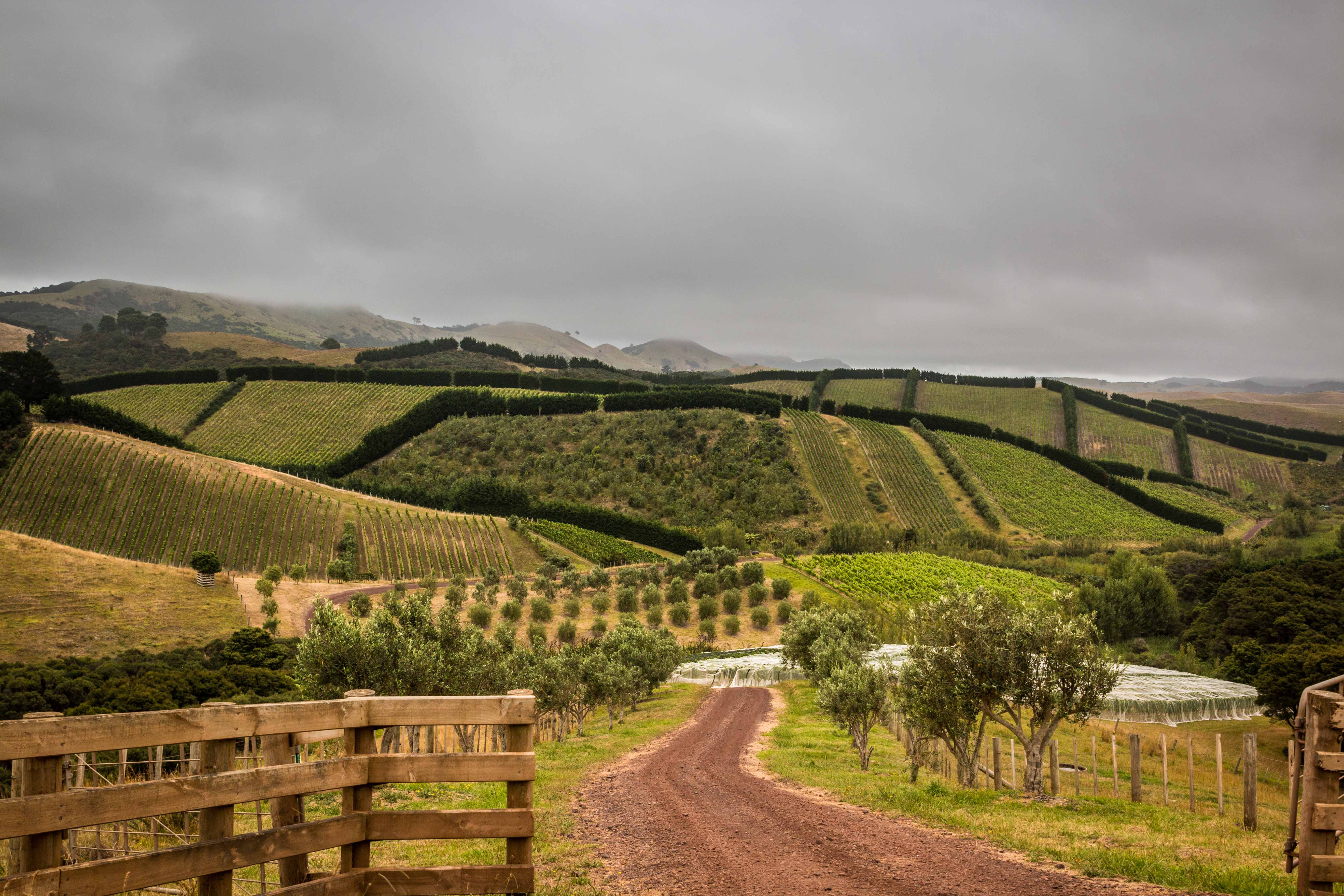
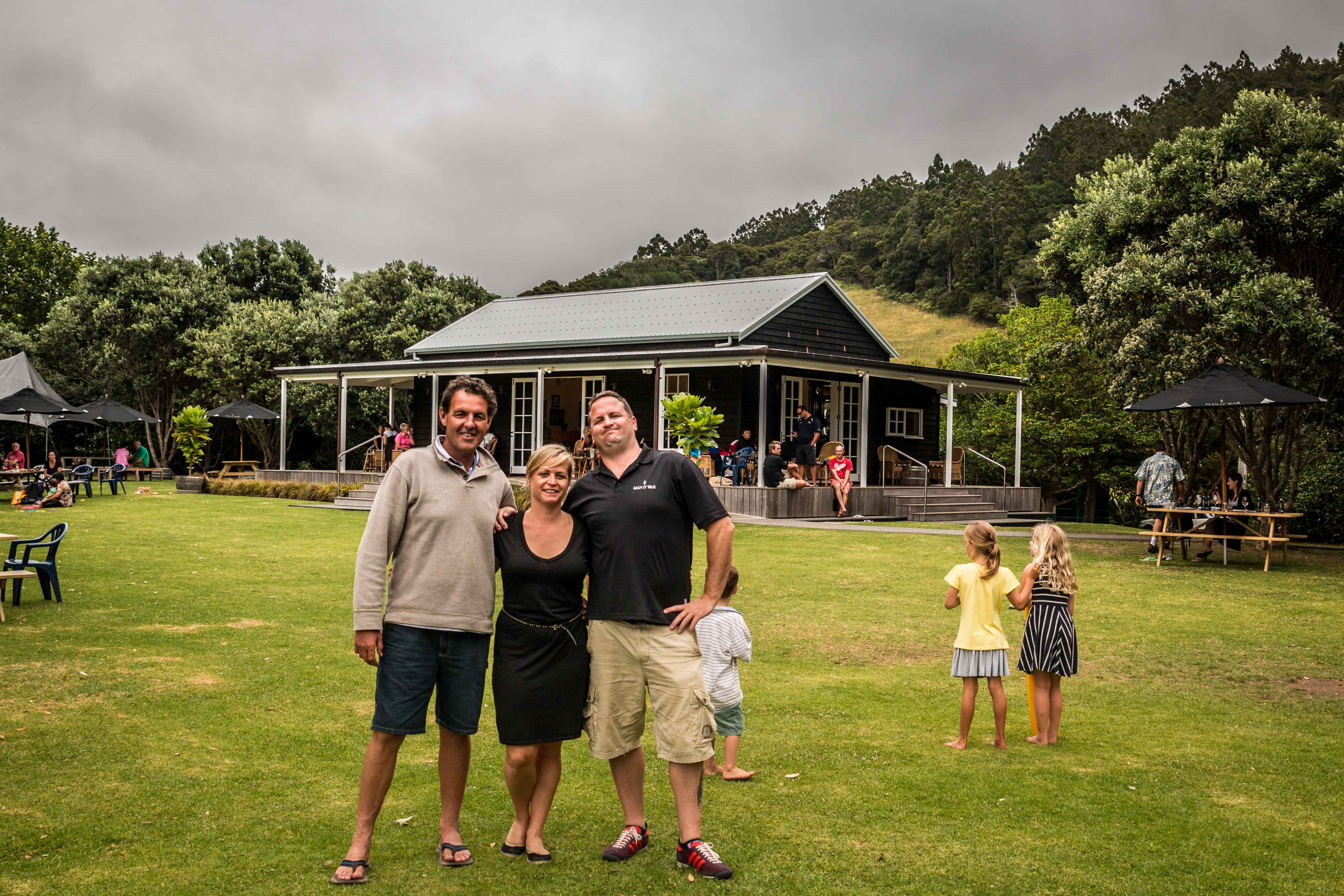
Man O’War Vineyards was my last stop yesterday on Waiheke Island before heading off to the mainland wine regions and Hawke’s Bay. Duncan McTavish, Winemaker for the last five years, and Matt Allen, Vineyard Manager, showed me around the tasting room and property, the grapevines for which were first planted in the late 1990s. We tasted through their line-up, including the wild ferment Valhalla Chardonnay and two vintages of the dense, smoky Dreadnought Syrah, one of their signature wines that’s also available in the States (and by the glass at The Musket Room in NYC). Duncan took time to answer a few questions about the winery’s viticulture philosophy and the pros and cons to winemaking on Waiheke. 

Signature Wines:

  • Dreadnought Syrah NZD$55
  • Valhalla Chardonnay NZD$34

What philosophy guides your viticulture?  We have 76 vineyards spread over 175 acres so a lot of small parcels of fruit arrive at the winery. We want to understand each vineyard so the approach is to let each parcel speak for itself by doing as little as possible in the winery.

What is your biggest challenge as a winemaker e.g., volatility of Mother Nature, expense to income ratio, having to actually market your wine? All of the above!
 
What are the benefits and drawbacks of grapegrowing/winemaking in your region? The benefits are that 90% of our property is bordered by the ocean giving us a unique maritime climate coupled with volcanic soils and a varied topography allowing us to produce a diverse range of wines from a single estate. The drawbacks are that it is a challenging landscape and very labour intensive.
 
What excites you most about New Zealand wines right now? The people–there are some interesting characters in NZ making interesting wines.
 
How do you think Americans (or the outside world generally) perceive NZ wines? I would hope they are regarded as premium wines.
 
What is your favorite non-kiwi wine region? Favourite would be a tie between the Mosel and Burgundy (like, probably, 90% of kiwi winemakers).  I’d love to travel to Portugal, but as I haven’t been there yet, I can’t call it my favourite.  Least? I don’t have one.

ManOWarWaiheke 
Which wine or grape is the least understood or respected? Pinot Gris.
 
What do you drink at home when relaxing? Depends on the season but white Burgundy and Northern Rhone.
 
How do you spend your free time (if you have any)? Fishing and 2 young kids.
 
If you could be traveling somewhere else right now, where would you be? I’ve just come back from a two week around-the-world sales trip so I would travel down the road to my local beach; that or be transported to the Maldives.
 
Give one surprising fact about yourself. I’d be surprised if I could answer that…

1 Comment

Filed under Man O'War Vineyards, New Zealand

Destiny Bay Winery, Waiheke Island, New Zealand

DestinyBayMikeLaurenSean

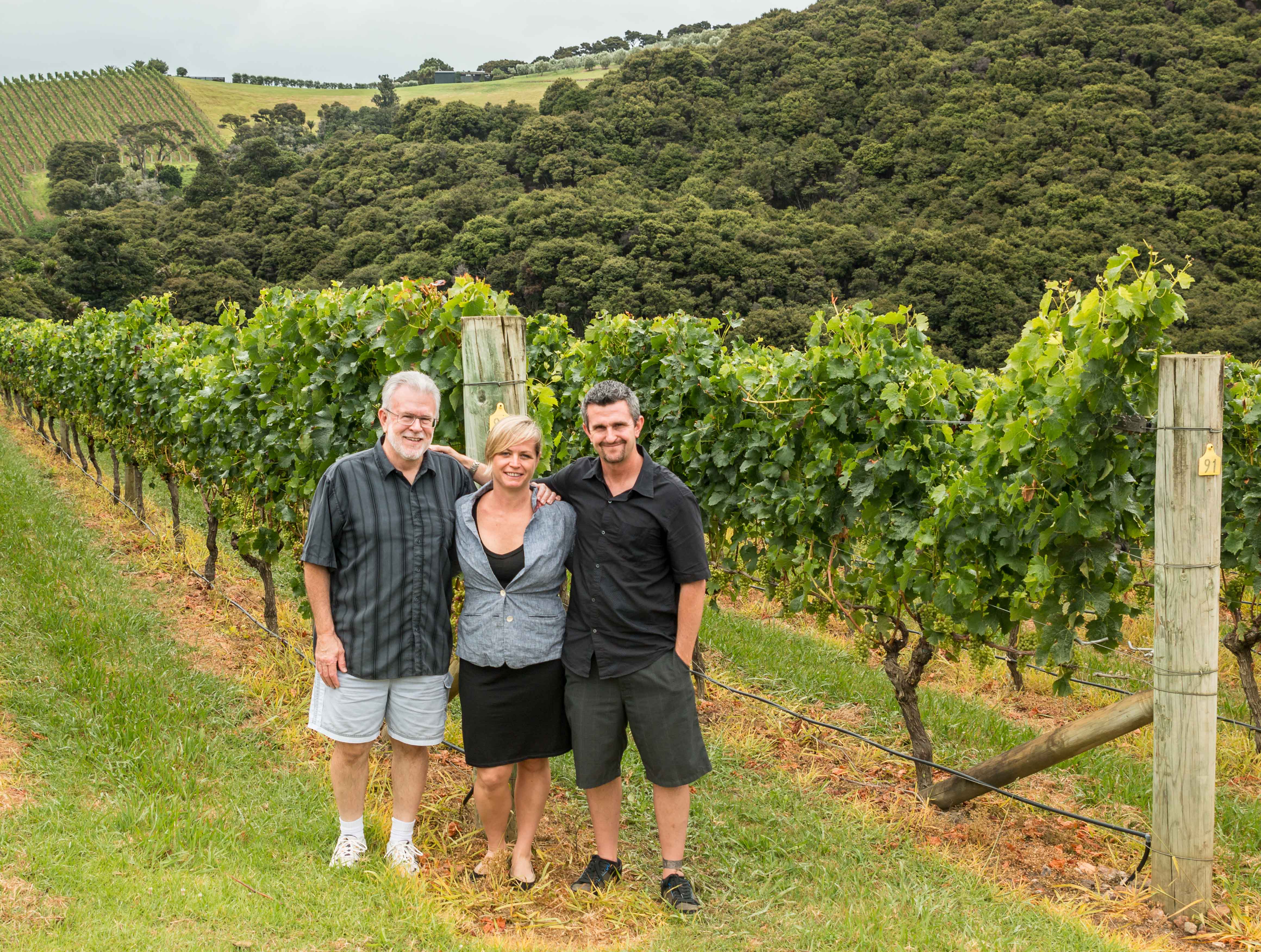
Sean Spratt (an American by birth) is a very busy, multiple-hat wearing General Manager, Co-Owner (with his parents Mike and Anne) and Winemaker at Destiny Bay on Waiheke Island–aka Wine Island–New Zealand. My first stop on a 3-week journey across the country, Spratt took time to answer a long-distance interview before my arrival on January 26th (which is now today). We touched on topics such as the cost of doing business as a winery on a very expensive, little island; his predilection for scuba diving; and the “Sideways” effect on Merlot.

A little about the winery:

Destiny Bay Vineyards is located in a small, north facing valley on Waiheke Island, New Zealand. Established in 2000, Destiny Bay grows Cabernet Sauvignon, Merlot, Malbec, Cabernet Franc, and Petit Verdot from top-grade clones selected from premium wine districts around the world.

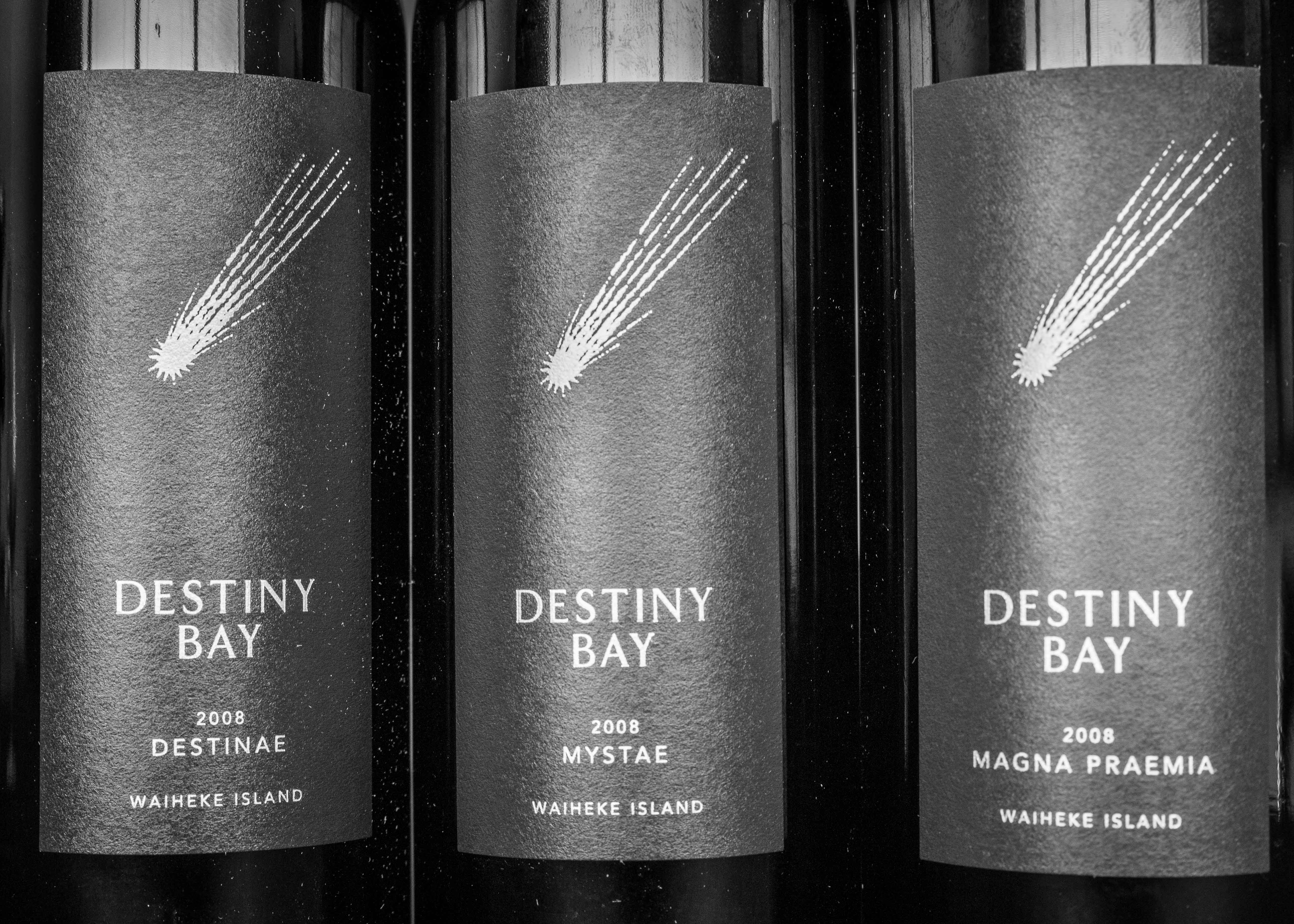
Destiny Bay’s Signature Wines and Prices (Prices are in USD and include taxes and shipping to customer door within 48 Continental US States. Must order in multiples of 8, 12 or 15 bottles):

  • Magna Praemia RRP $330 / $180 Patron Club
  • Mystae RRP $150 / $85 Patron Club
  • Destinae RRP $100 / $60 Patron ClubDestinyBayBottles

What philosophy guides your viticulture and enology practices? We produce New Zealand’s highest rated and most expensive wine.  We have an obligation to our patrons to uphold this tradition based on quality and artistic expression of our site through the wines.  All decisions from grape to bottling are guided by this philosophy.  That being said, our belief is that great wines are made in the vineyard not in the winery.  Furthermore, we feel that expression of the fruit and vineyard is critical and that is why we do a level of grading and sorting that is unparalleled in New Zealand.

What is your biggest challenge as a winemaker (e.g., volatility of Mother Nature, expense to income ratio, having to actually market your wine)?  Adapting to changing conditions without lowering any standard.  It means our vintage volume swings wildly from year to year, wreaking havoc on capacity, oak barrel ordering, supplies and the psyche of our whole team.

What are the benefits and drawbacks of grapegrowing and winemaking on Waiheke? Waiheke’s unique weather and soils allow us to grow grapes of uncommon character – especially the Bordeaux varieties at our site.  The drawback is that it is ridiculously expensive to do this.

What excites you most about New Zealand wines right now?  Hopefully we are about to shift our global narrative to remind the world that nobody makes fine wine with the same commitment to protecting the planet as New Zealand does.

How do you think Americans perceive NZ wines?  As an American by birth I have a pretty good idea.  By and large most who know us recognize us for being a value priced, good quality, Sauvignon Blanc.  In very small circles, Destiny Bay has cultivated a distinctly different perception.

What is your favorite non-kiwi wine region? Your least? Santa Cruz Mountains and Howell Mountain. Least is Romania, although even they are improving (slowly).

Which wine or grape (in the world) is the least understood or respected? That is tough.  I am going to say Merlot because of the effect the movie “Sideways” had on popular culture.  I’m amazed at how often people still talk about that scene from the movie.  Otherwise, probably Riesling.  Riesling is the grape that winemakers and wine-writers love and always seem flummoxed over why it isn’t more popular in the marketplace.

What do you drink at home when relaxing?  A wide range of red and white wines from all over the world.  I love the obscure varieties that aren’t common place (Marsanne, Roussanne, Picpoul de Pinet, Nebbiolo, etc…) Of course, I drink our wines, but as a winemaker, I am constantly looking to taste and explore wines from everywhere.

How do you spend your free time (if you have any)?  I had a little bit of a chuckle when I read this question.  You realize you are asking this question of a winemaker who is also an owner in what has to be one of the most vertically integrated global wineries that produces less than 2500 cases per year, right?  Joking aside, with what little free time I have, I run/swim/cycle to stay healthy in body and mind since winemaking at the level which we operate requires a lot of concentration.  Recreationally, I have a monthly wine club with friends, and when I travel, I try to hit wine regions I haven’t been to before, but also try to make sure I get a stopover in a tropical location where there is great scuba diving.

If you could be traveling somewhere else right now, where would you be? I would love to visit Portugal and explore their wine regions.  Also, I have yet to make it to the Margaret River in West Australia.  Otherwise, I try to make a trip to California each year to see family and friends.

Give one surprising fact about yourself.  I used to be a stage actor and I am also a PADI Dive Instructor.

Leave a comment

Filed under Destiny Bay Winery, New Zealand

Postcard: Hei Matau, Room with a View

HeiMatau

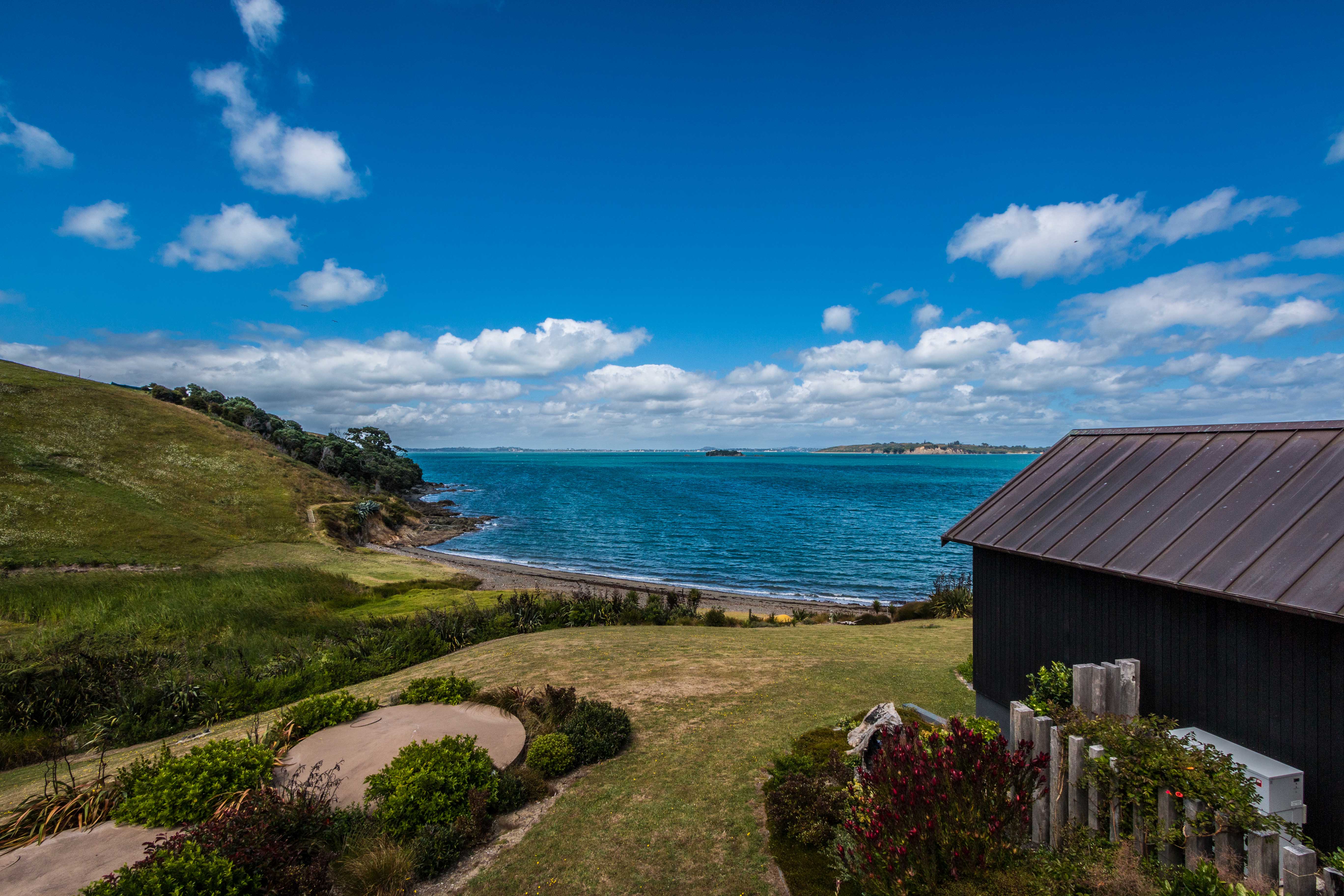
View from Hei Matau Lodge Guest Room on Cable Bay, Waiheke

Leave a comment

Filed under Waiheke

Postcard: Auckland, New Zealand

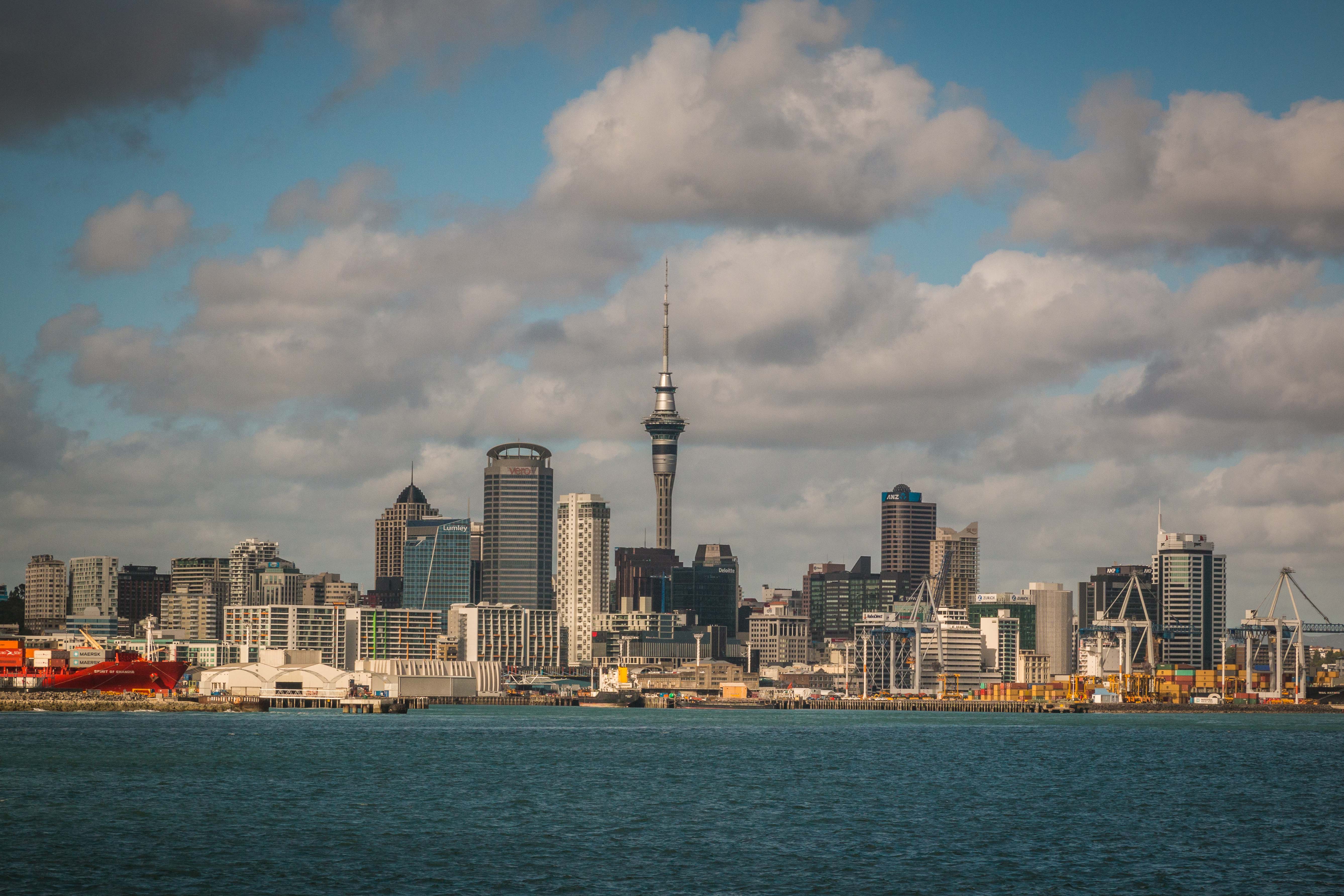
AucklandfromFerryAuckland, New Zealand as seen from the ferry to Waiheke Island.

First shot of my 3-week journey around New Zealand.

2 Comments

Filed under Auckland, New Zealand

Long Weekend in Champagne

This slideshow requires JavaScript.

Less than a two-hour drive from Paris (or 45 minutes via TGV train) lies the near-mythical French region of Champagne, a (champagne) bucket-list destination for wine lovers who consider it the pinnacle of sparkling wine production. The region’s grand capital Reims offers more to do than dabble in bubbles—visit the monumental cathedral, hike the scenic trails up Montagne de Reims, or rent a bike to cruise around town. However, champagne, as in drinking it, is still, predictably, the primary attraction.

While highlights can be crammed into a pleasant (but long) day trip from Paris, you’ll miss out on the charm of the surrounding villages where legions of small grape-growers, whose manicured vineyards blanket the countryside, produce their own bottles rarely found in stores or restaurants outside France. Plus, champagne sold in Champagne is refreshingly affordable—bring an empty suitcase to haul your liquid treasures home.

champagne-glasses.jpg

DAY 1

Arrive in Reims in the morning, and get started with a tour of the historic, underground chalk caves (followed by a glass of bubbles, naturally) at a couple of the venerable, big-name champagne houses clustered in the southern part of town: Pommery, Taittinger, Veuve Cliquot, or Ruinart.

For lunch, seek out local favorite eateries like Le Bocal, a cute, 12-seat seafood purveyor-cum-restaurant; Hall Place, a wine bar with adjoining retail shop in the back; or the refurbished Brasserie L’Affaire, offering a reasonably priced and tasty prix-fixe steak frites lunch.

For true sybarites, the obvious end to an afternoon of champagne tasting in Reims would be to dine at the hands of a Michelin-starred chef, and then retire exhausted to a lavishly appointed room. Fortunately, Reims is blessed with two properties providing both: Le Parc restaurant at the Château Les Crayères and A. Lallement at Hotel L’Assiette Champenoise.

champagne-vines-house.jpg

DAY 2

Pick up a rental car and a map, or better yet, hire a driver (expensive, but worth it if you have the funds) to visit the smaller grower/producers dotting the landscape surrounding Reims. Budget an hour for the drive to Épernay on a route skirting the picturesque Montagne de Reims. The nearby Grand cru vineyards produce some of the world’s most expensive Pinot Noir grapes—stop off for tastings at village producers along the way, where, although appointments are generally recommended, many serendipitous experiences stem from simply knocking on doors. Proprietors will generally not charge for a tasting, but appreciate the purchase of a bottle.

For a guaranteed stop on your itinerary without the restraint of an appointment, Henri Giraud, in Ay, allows walk-ins (but does charge for tastings). The tasting room is modern, more art gallery than wine shop, and staffed by a knowledgeable, English-speaking host.

After a day of touring, you can either return to Reims, or stay the night in the little village of Avize to wake up amidst the Chardonnay vines of the Côte des Blancs. Try Les Avisés Hotel and Restaurant, a cozy, tastefully designed property run by Anselme Selosse of Champagne Jacques Selosse fame. Unfortunately, guests have no special guarantee of opportunity to buy his coveted wines. In Épernay proper, there are only a handful of smaller guesthouses; nearby, the beloved, if fading, La Briqueterie, has characterful common rooms and expansive grounds.

reims-cathedral.jpg

DAY 3

If open to yet another day of tasting (of course you are—you’re in Champagne!), visit one of the major houses based in Épernay such as Moët et Chandon, Dom Perignon, Mercier, or Nicolas Feuillatte.

Alternatively, continue the road trip further south for a short village-by-village trek through the fabled Côte des Blancs region, realm of Chardonnay, Blanc de Blanc (Chardonnay-based Champagne), and the prestigious vineyards of Cramant, Avize, Oger, and Le Mesnil-sur-Oger.

Heading back through Épernay by late afternoon, don’t miss a stop at one of the world’s greatest Champagne stores, 520, along Avenue Paul Chandon. With your newly savvy palate, stock up on hard-to-find and small-production bottles of the utmost quality, at better-than-cellar-door prices.

Conclude your bubble-soaked weekend with a visit to the Cathédrale Notre-Dame de Reims. Equal in size and majesty to the Notre-Dame in Paris, the cathedral has witnessed key moments in history since the 13th century, including over thirty coronations, shellfire during the First World War, and the German surrender in World War II. Depart the cathedral to take a leisurely walk north towards the train station if catching one back to Paris, while considering how visiting Champagne was a key moment in your history.

3 Comments

Filed under Champagne, Long Weekend in Reims

Why 2014 Will Be Your Best Wine Year Yet

JamsheedTasting.jpg

With the close of the calendar comes contemplation: what have I learned from the wine world in 2013 and what do I expect (or hope) to see in 2014? A few observations: the rise of a new breed of “somm”, the demise of the wine score, the discovery of a Jedi Wine Master, and the impending Best Wine Year Ever.

A Return to the Antipodes

Australia Does the theory “If you build it, he will come” apply to wine? I hope so, because the woeful state of Australian imports in the U.S. belies the health and creativity of the industry Down Under. A recent visit to Astor Wines confirms the lack of antipodean demand — NZ and Oz shared a shelf smaller than the one devoted solely to NY State craft spirits! The Australian wine market has languished for years at the bottom of the U.S. market, so with nowhere else to go but up, expect to see a breakthrough of fresh vinous perspective in stores and restaurants. Importers like Little Peacock, which focus exclusively on Australian wines, have expressed tremendous optimism for the coming year. The wines produced by the new generation of risk-takers in Oz are lean, refined, funky, terroir-driven, and characterful. They don’t all work, but the journey’s as interesting as the destination.
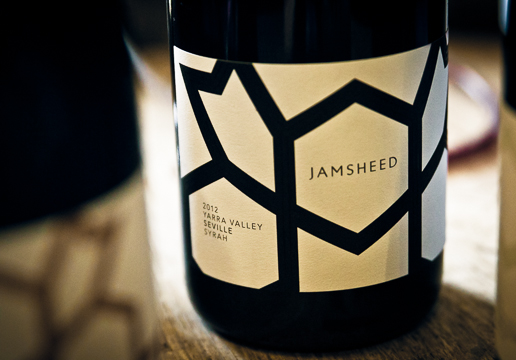
Two to Try: Ben Haines Marsanne 2011, Yarra Valley and Jamsheed “Healesville Vineyard” Syrah 2010, Yarra Valley.

New Zealand This island country faces a different problem from Oz, albeit its wines are still underrepresented in the U.S. New Zealand has done so well with Sauvignon Blanc, the rest of its wines have been ignored. The importance of the grape cannot be overstated. The entire world drinks it (including, to the chagrin of Aussie winemakers, heaps of Aussies). The crisp, grassy style is the New World benchmark for the variety. But there’s plenty more from the land of jagged peaks and glacial lakes to capture a wine drinker’s imagination, and we’re starting to see those wines here in NYC. Fantastic Pinot Noir is trickling out of both Central Otago and, amazingly, Marlborough (the spiritual home to Sauvignon Blanc). For alternative whites, seek out James Millton’s Chenin Blanc. Although produced in the otherwise unremarkable region of Gisborne, he’s been called the Yoda of Kiwi winemakers — a serious endorsement. Is he a true Jedi Wine Master? Drink and find out.
Two to try: Terra Sancta Mysterious Diggings Pinot Noir 2012, Central Otago and Millton Te Arai Vineyard Chenin Blanc 2011, Gisborne.

The New Somm
In the past, a restaurant’s “sommelier” often fell into one of several categories, each of which — in an era of increased consumer wine knowledge facilitated by ease of access to information and greater willingness to experiment with up-and-coming regions — have become increasingly irrelevant.

We’ve suffered through uninformed yet opinionated waiters posing as sommeliers, informed and condescending sommeliers, and, most exasperating, the Grand Cru-obsessed, pompous sommeliers selling 100 percent Western European lists with 100 percent of the bottles priced over $100. Thus, it was about time the role either be redefined or abolished. (Yes, I acknowledge someone still has to build and manage the list.)

Fortunately for restaurant-goers, we’ve met the new generation of enthusiastic, educated sommeliers or “somms” who’ve reinvented their role, gifting us a new reason to dine out: access to diverse, reasonably priced bottles. Sure, we’ve seen prices on certain wines this year soar to previously unseen heights, but for the rest of us scanning the lower end of a list for value, we’re in luck: lots more under $50 selections than ever. And somms have managed to balance their lists serving traditional needs while presenting to the curious a plethora of distinctive wines such as zero dosage, undisgorged crémant from the Jura.
Where to Try: Corkbuzz by sommelier Laura Maniec, Pearl & Ash by sommelier Patrick Cappiello.

Jamsheed

Domestic Affairs
Wine lists and retail stores in NYC used to be dominated by European selections — France, Italy, and Spain — with small weight given to the New World and even less to the juice of our citizen winemakers. However, with increased demand for local and hyper-local food sourcing, we’re seeing the same interest applied to wine. While in the past a reputable fine dining establishment might not dare be caught with anything from the East Coast on its list, sommelier Thomas Pastuszak at The Nomad has embraced our home state. A huge advocate of NY wines, he puts out an extensive list of Finger Lakes bottles. The best part? These wines offer tremendous value — $35 for a bottle of vibrant Riesling with dinner? Yes, thank you.
Where to Try: The NomadFrankly Wines.

Coravin as a Verb
2013 saw the launch of the most lauded device in recent wine history: the Coravin. It’s a wine extraction system that allows the user to pull out a measure of wine, while safeguarding the remaining precious liquid inside against oxidation with inert, tasteless argon gas. Testing has shown the wine can keep for years, allowing drinkers to sample the bottle to check for development or just have a glass of that rare Cabernet bought at auction now and again with a Wagyu ribeye. The pricey but genius device will change wine drinking habits both at home and in restaurants, truly, forever. Del Posto, an initial supporter of the device, offers rare wines by the glass, and Anfora has updated its menu to include a selection of “Coravin Wines.” What shall we Coravin tonight, dear? And a verb was born.
Where to Try: Del PostoAnfora.

Nobody’s Worrying about Robert Parker
Finally, America’s adherence to a mono-palate (Parker’s) approach to wine is on the decline. Although Parker stepped down in late 2012 from his post as editor-in-chief of the Wine Advocate — the newsletter he founded that spawned decades of obsession over a 100-point grading system that favored huge wines — in February 2013, he became the first wine critic inducted into the Culinary Institute of America’s Vintners Hall of Fame in Napa Valley. Perhaps a deserved award, but the collective unfettering of our taste buds over the year has left individuals free to make independent decisions — or at least use more resources to do so. Trusted local retailers in conjunction with social media apps like Delectable and Drync have been filling the void.
Retailer: Le Du’s Wines
Apps: DelectableDrync.

More Curiosity, More Choice 
Overall, NYC wine drinkers are imbibing during exciting times. Whatever we want, short of actually flying to the vineyard, we can find. Wines from Croatia? Blue Danube’s got them. Need that expressive, biodynamic Umathum from Austria? WineMonger’s your importer. Our increased curiosity and willingness to drink anything has encouraged importers to scour the globe and bring us a range of wines that dazzle in their diversity. So, keep sipping folks — 2014 looks to be our best year yet.

2 Comments

Filed under 2014 Predictions

Holiday Sparkling Wine under $20–Stock Up for New Year’s Eve

SparklingWineHoliday.jpg

As festive as shopping and wrapping gifts can be (if battling crowds in search of the perfect gift to present neatly in a beautiful, Martha Stewart-approved package complete with red ribbon can be considered fun), the joy of the season quickly evaporates when the credit card bill comes in January — and the post-holiday hangover and crummy weather make the first month of the new year depressing enough. To keep your celebratory, seasonal buzz going sans bank-account depletion, you need bubbles that are delicious and well-made, that provide layers of flavor, and that are a good value. I plumbed the under-$20 sparklers at Astor Wine and Spirits (399 Lafayette Street, 212-674-7500) (because most in the $10-$15 category just don’t pass muster) to find out how easy it would be to compile a recommended list.

My goal was to find five bottles worthy of your dollars, but assuming a stinker or three might end up in the group, I left with eight. Amazingly, all picks impressed. Good work Astor, and happy (tasty and affordable) holidays, readers.

Val de Mer NV, Crémant de Bourgogne, Chablis, Burgundy, France, $19.96
Chablis is known for crisp, mineral-driven Chardonnay, but the region also produces bubbles. This Crémant (“Crémant” signifies a French sparkling wine made in the traditional method), has full-bodied flavors of quince, apple, and chalk with vigorous bubbles.

Gruet Blanc De Noirs NV, New Mexico, USA, $15.99
Great value sparkler full of creamy, rich red fruits; this New Mexican house has been around since the 1980s.

Avinyo Cava Brut Reserve, NV, Penedès, Spain, $17.99
Cava has become a mainstream, reasonably priced alternative to Champagne; made in the traditional method with no dosage, this apple and lemon-scented bottle will appeal to those who like their tipple crisp and bone dry.

Szigeti Sekt Grüner Veltliner NV, Neusidlersee, Austria, $18.99
An unusual selection — although not for Austrians — this attractive, Grüner-based wine made in the traditional method is dry and creamy with lemon and stone fruit base notes and white pepper and celery seed laced throughout.

Luis Pato Bruto Baga Rosé, Vinho Espumante 2010, Bairrada, Portugal, $12.99
Ever heard of the Baga grape? You’re not alone if not. This Portuguese variety has been lovingly cultivated by distinguished winemaker Luis Pato — he’s pretty much dedicated his life to it. The resulting sparkling wine has the grape’s characteristic earthiness mingled with red fruits — plus a streak of blood orange — at a superb price.

Ch. Greffe, Vouvray Brut NV, Touraine, Loire, France, $21.96 on sale for $18.96
This delicate sparkler from Chenin Blanc grapes has pretty flavors of Bartlett pear and white peach, and it delivers a bright, citrus finish with each effervescent sip.

Col Vetoraz Prosecco Brut 2012, Valdobbiadene, Veneto, Italy, $15.99
I find much of the ubiquitous Prosecco too sweet and lacking in complexity; this bottle, recommended highly by a staff member, revealed toasty notes with its pear and stone fruit, all in a deliciously dry package.

Contadi Castaldi Rose NV, Franciacorta, Lombardy, Italy, $21.99
Okay, I cheated adding this wine since it technically lies $2 above my price limit. The premium sparkling wine region of Franciacorta is considered the Italian equivalent of Champagne, often with comparable prices, so finding a bottle for $22 piqued my curiosity. Fortunately, the wine’s delicate mousse carried lovely flavors of strawberry and rhubarb pie, making this a wine I would definitely toast the holidays with again.


Leave a comment

Filed under Sparkling Wine

Ten Gifts for Wine Lovers (Yourself Included)

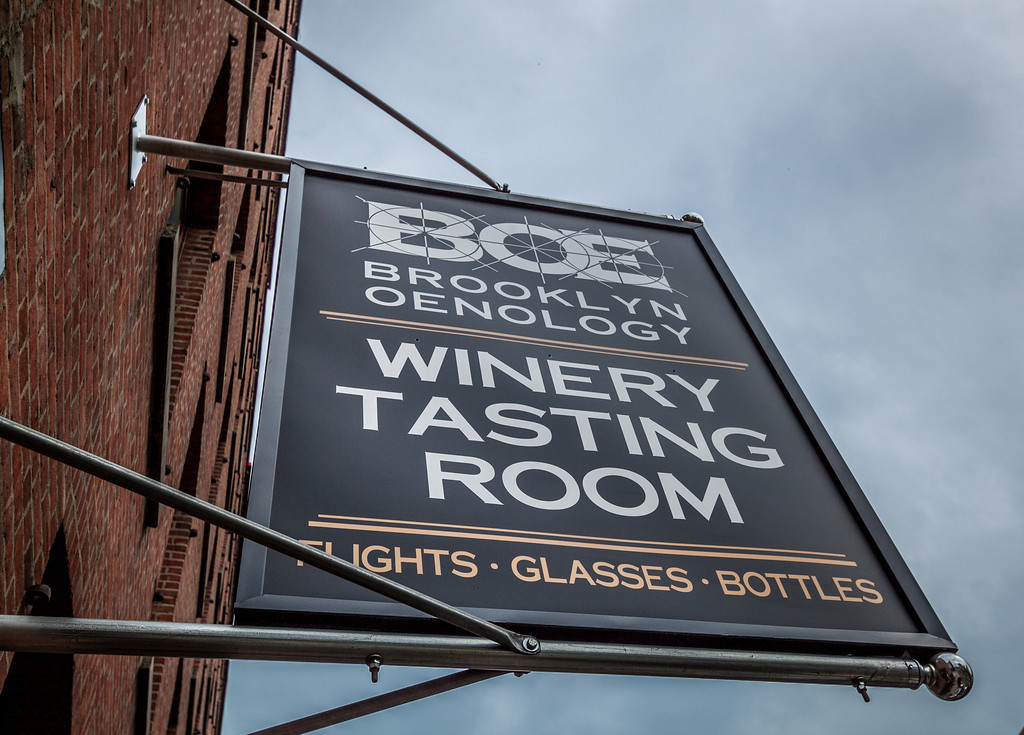
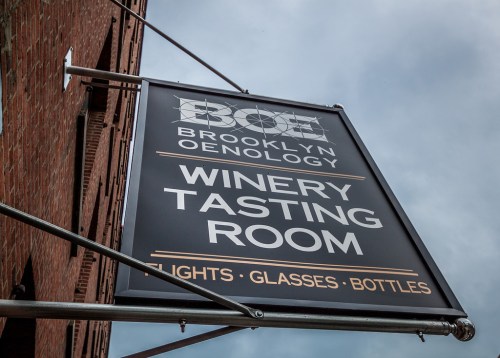
Wine tasting in a warehouse - Only in Brooklyn, USA

Celebrate with bubbles from BOE in Brooklyn

We all know that while you’re out hunting for the perfect present, you often end up inspired by your market research and buy duplicates — one for your lucky gift recipient, and one for yourself. Here’s my list of what to give and give yourself this year, if you and your recipient both love wine.

Built Wine Bottle Tote, $16.99

NY-based company Built has been improving wine transportation and insulation, one scuba-suit neoprene sleeve at a time. For a festive look, slip a gift bottle into one of four season-inspired totes such as Wintergreen Forest, or skip hanging stockings on the mantle and fasten a sleeve stuffed with wine gadgets (or, duh, wine). A stocking that’s useful once unstuffed!

Astor Wine and Spirits or Center Gift Card, Astor Wine and Spirits, 399 Lafayette Street
Let the wino who has it all decide how to spend your money. An Astor Wine and Spirits gift card can be used to pluck a bottle from the store’s mega-selection of wines. Alternatively, purchase an Astor Center gift card (different from the store) to apply toward an excellent class or seminar. Upcoming topics include “Old World vs. New World” and “Nebbiolo beyond Barolo,” featuring vaunted importer Neal Rosenthal at the tasting helm. Astor Center gift cards are shipped directly to the buyer — not the recipient — in three to five days, so don’t wait until the last minute unless you plan to hit the store in-person.

The Wine Check, $75
This one’s for the wine travel junkie. Planning to hit a new wine region and hoard bottles you can’t find at home? Tired of paying exorbitant shipping fees? (What’s the going rate for a case of wine from Australia back to NYC, anyway?) Or dreading wrapping your treasures in dirty laundry, sleeved with tube socks, rolled in a Shiraz-stained sweatshirt, and sealed in a cheap convenience store plastic bag, only to pray throughout the flight that your cargo doesn’t break and drench your suitcase in red alcohol? If you or a loved one fit this description, you need this suitcase-cum-wine shipper. The Wine Check holds 12 bottles, is lightweight (less than five pounds, and has attached wheels and a strap, which make it easy to roll behind you. The Wine Check is also collapsible and reusable (when the wine shipper box/insert is removed), so you can store it and use it whenever you want to take wine with you. Just make sure to sign up for an airline credit card with a free luggage allowance to maximize savings, and you’ll never pay to bring wine home again.

Wine Diapers, $14.99 for two
For a cheaper, less committed solution to wine transportation than the Wine Check, stuff a wine lover’s stocking with a couple of Wine Diapers. Lightweight, flat, padded, and reusable, they are easy to pack and toss in a suitcase for that “just in case” moment that will inevitably come. The diapers seal, so if the bottle does break (it needn’t be wine — olive oil, whisky — whatever fits), the liquid stays in the bag, not your recipient’s shoes.

Brooklyn Oenology Wine, $19.99
How cool is a present of wine from an urban winery in Brooklyn? Alie Shaper, winemaker for Brooklyn Oenology, crafts a range of vinos in Williamsburg, including a zippy, brut-style sparkler called Shindig Fizz. At $19.99, gift a few bottles and keep the festive bubbles flowing from Christmas Eve until Santa’s arrival at dawn. (Assuming he doesn’t drink too much and forget to show up.)

Coravin Wine Preservation System, $300
Tell the lucky gift recipient to toss out all their gimmicky, subpar wine-saver systems, because they’ll only ever need the Coravin. The tool is equal parts dispenser and preserver: It allows users to pour wine from a bottle of still wine (no bubbles) stopped with natural cork without actually pulling the cork and exposing the remaining wine to oxygen. Days, weeks, months, and even — supposedly — years later, that same bottle will taste just as fresh and lively as the first time they sample it. A total game-changer for a wine collector.

The World Atlas of Wine, Jancis Robinson and Hugh Johnson, $35

This seventh edition may be marketed as a wine reference book, but it reads like a menu of desires for vinous travel obsessives. The stunning photography brings palpable beauty, while detailed maps let geeks plot and drool over future tasting itineraries. The tome is packed with regional information and data; this is an essential book for any student or lover of the grape.

Wine and Beverage Pairing at The Musket Room, 265 Elizabeth Street, $125/person
I predict the New Zealand wine and food scene will continue to earn international attention, and not just for its Sauvignon Blanc and lamb. For a chance to drink exciting, non-SB wines (Millton Chenin Blanc, Man O’War Syrah) and dine on superlative food in a pretense-free space, celebrate the holidays with the gift of a six-course tasting menu ($75) and beverage pairing ($50) at Michelin-starred Musket Room. Chef Matt Lambert just returned from a trip to New Zealand, so expect fresh ideas on your plate(s) as he works towards a second star.

The New California Wine, Jon Bonné, $21
Wine is produced in all 50 states, but California has been and continues to be the most important domestic region. California wine authority and San Francisco Chronicle wine editor Jon Bonné applies astute, epigrammatic, and engaging writing to the voluminous topic of California’s wine industry, acknowledging its past and present success stories and failings while identifying the revolutionary paradigm shift underway that will become its future. A bonus purchasing reference lists all the must-know producers and their best wines. This book is great for any wine enthusiast, especially those whose hand recurrently reaches for the fruits of the Golden State.

Zalto Denk’Art Glassware, $59-$354
Tired of drinking from stubby, fat-lipped glasses at your parents’ house during the holidays? Treat them to a new set of stems. If they’ve been really good this year (or your end-of-year bonus was), splurge on the ultimate in glassware by Zalto. A set of six universal glasses runs steep at $354 (or one for $59). Expensive? Very. But for your lips (oops — I meant theirs), only the best will do, and these feather-light, thin-as-razor Austrian crystal vessels will transform the drinking experience from ordinary to transcendent. Each handblown glass appears gossamer-delicate but is durable enough to withstand the dishwasher (although I wouldn’t risk it). It’s like flying first class — you’ll never want to go back to coach.

1 Comment

Filed under Gift Guide

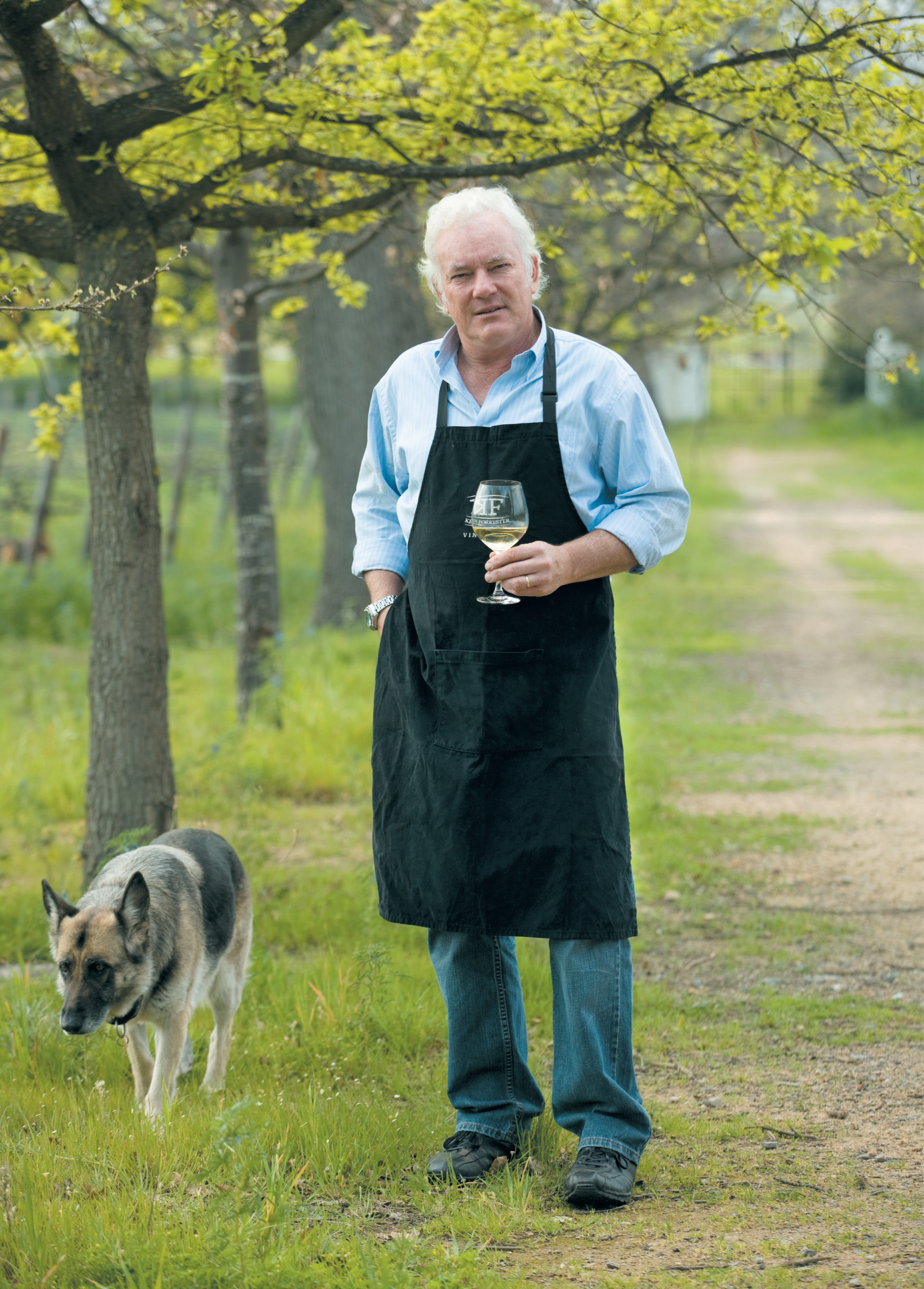
Winemaker Ken Forrester from Stellenbosch, South Africa

KEN

Yesterday marked the culmination of a weeklong celebration of Nelson Mandela’s life as he was buried in his childhood village of Qunu, South Africa. Continuing my conversations with South African winemakers, Ken Forrester of his eponymous label Ken Forrester Wines, takes a few minutes to share his thoughts on Mandela, the state of S.A.’s wine industry, and why Chenin Blanc is the most misunderstood (but not for long) grape.

A brief background on Ken Forrester Wines:

Situated on the slopes of the Helderberg Mountain, in the heart of South Africa’s most famous wine region Stellenbosch, our vineyards are commonly referred to as the Home of Chenin Blanc and other premium award-winning wines. Over the years our range of top quality wines has received massive national and international acclaim with literally hundreds of awards and accolades over the last 20 years and are broadly available in reputable restaurants and exported around the globe. Ken Forrester’s philosophy has always been to create a range of handcrafted, individually made wines that suitably complement a wide variety of food styles and provide excellent value.

Signature Wines:

  • Ken Forrester Petit Chenin Blanc ($11.99 SRP)
  • Ken Forrester Old Vine Reserve Chenin Blanc ($14.99 SRP)
  • Ken Forrester The FMC ($64.99 SRP)
  • Ken Forrester T Noble Late Harvest ($54.99 SRP)

Where were you born and where do you live now?

I was born in Chingola, Zambia, miles from any vineyards or wineries! I am now living in the shadow of the Helderberg Mountain in the region of Stellenbosch right on the Atlantic ocean – the most beautiful place in the world.

 How did you get into the wine business?

Sheer luck–not sure if it was good luck! Passion, passion, passion, careful what you wish for!

The world witnessed the passing and subsequent burial of Nelson Mandela last week. What was the mood of the country and how do you think he influenced South Africa’s wine industry?

With the recent passing of Nelson Mandela and the very extensive world interest and wonderful coverage, it is an amazing time to almost re-live the Magic of Madiba. There have been so many poignant reminders of his canny way, his amazing statesmanship, his ability to grasp a moment and define it for all time. Again, we as South Africans and pretty much all of the world, are reminded about our transition from Apartheid, minority government to the democratic government of today, and the many pitfalls and crevasses on the way, it is truly a modern miracle that we made it happen. And it in no small part rests with the incredible leadership of Mandela, a man often content to allow the younger more nimble members of the flock to lead the way while he, like the good shepherd brought all the flock with him; he was always a shining example of humility and thoughtfulness. Here passes a great man…

Do you think South African wines have any particular reputation in the States that you think is inaccurate?

Yes, too often we are seen as cheap and cheerful “critter” wines – 2 cats, 3 dogs, spotted frog, etc. This is because we are seemingly naïve enough to provide buyers with their request “for the cheapest possible juice”  but this is not what SA is all about; our best wines can stand their ground with the very best in the world and this “cheap wine” perception is unfortunate and inaccurate.

Which wine or grape is the least understood or respected?

Chenin Blanc, but its time is coming; more and more quality producers are making great wines from Chenin Blanc.

What excites you most about South African wine right now?

Better quality every year and we’ve got a great new wave of young winemakers!

What do you drink when relaxing at home?

Ken Forrester Old Vine Reserve Chenin Blanc or Renegade (a GSM blend).

What types of food do you enjoy eating?

Fresh, wholesome pasta; grilled/barbeque meat; risotto;  and fresh, garden grown salads.

What music do you listen to?

Blues, Jazz, Rock & Roll

Winery dogs?

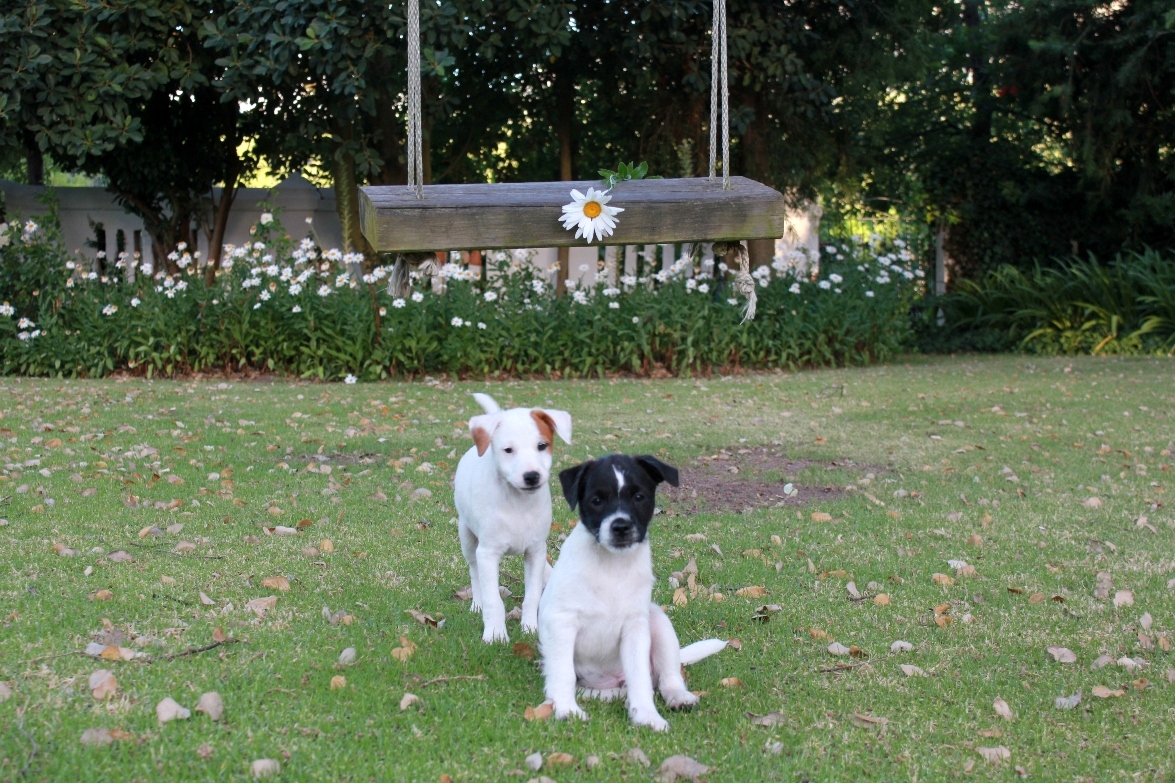
Yep! Max, Bella and puppies Phantom & Whiskey.  

Puppies

1 Comment

Filed under Ken Forrester, South Africa

Carl van der Merwe, Winemaker for De Morgenzon Wines, Stellenbosch, South Africa

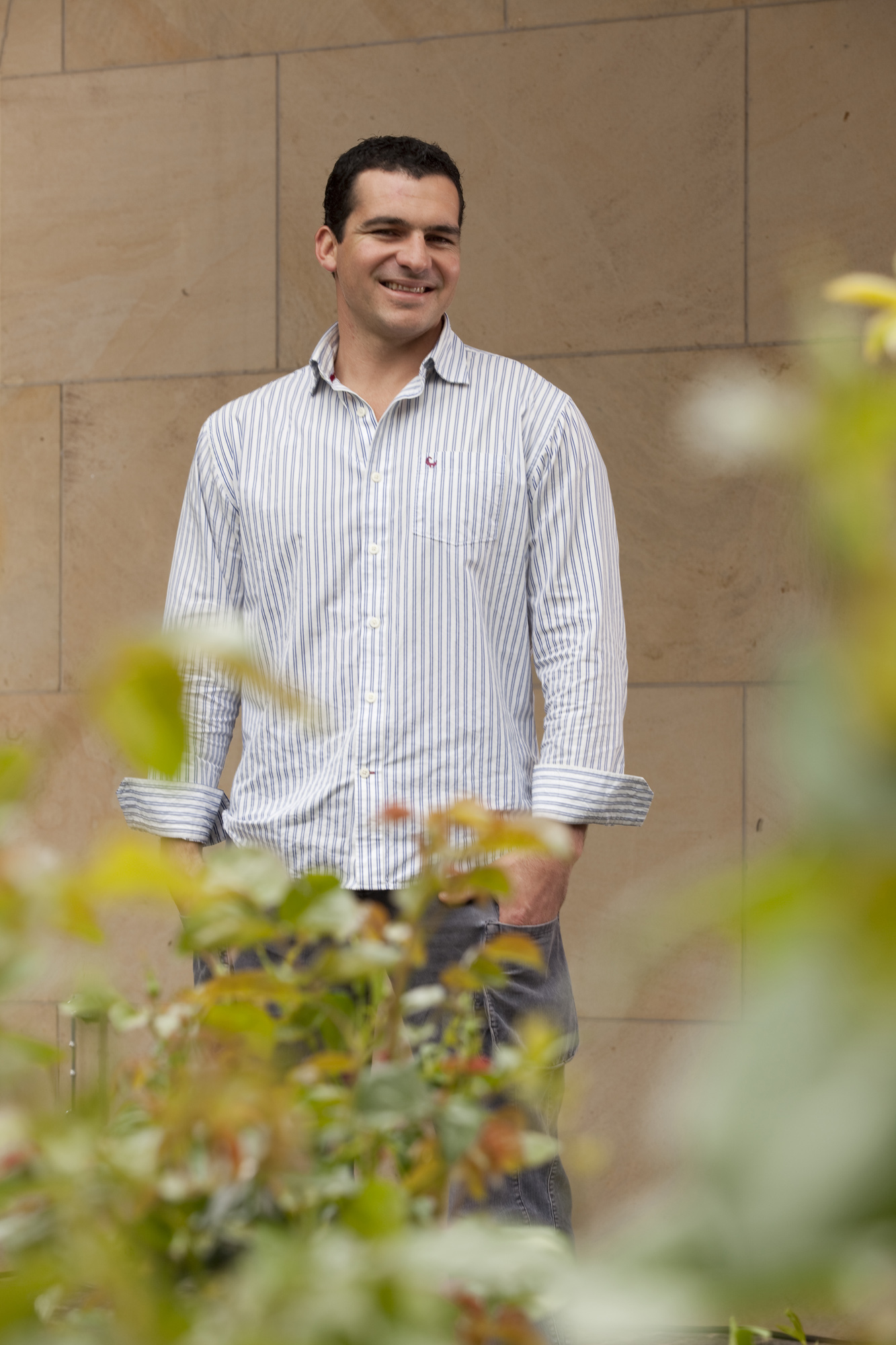
De Morgenzon Carl2

Today marks the culmination of a weeklong celebration of Nelson Mandela’s life as he was buried in his childhood village of Qunu, South Africa. Continuing my conversations with South African winemakers, Carl van der Merwe of DeMorgenzon takes a few minutes to share his thoughts on Mandela, the state of S.A.’s wine industry, and why a tainted wine from a faulty cork is the worst part about being a winemaker.

A brief background on DeMorgezon Wines

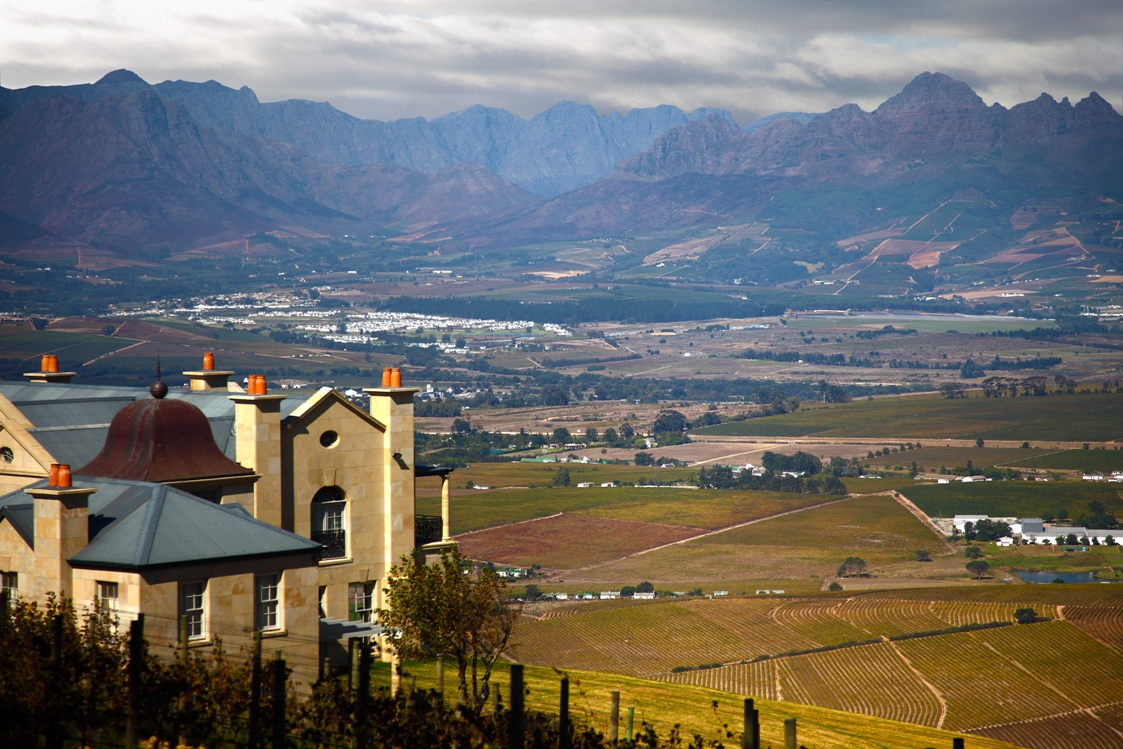
“Our slopes rise from about 200m to nearly 400m above sea level and our vistas embrace Cape Town, Table Mountain…with the ocean as a backdrop. While we could call ourselves ‘mountain vineyards’ we prefer to be known as ‘garden vineyards’. In Spring specially, chosen wildflowers flourish between our vines. We have no doubt that a biodiverse and ecologically sensitive environment produces infinitely better grapes and the beauty of our gardens is captured in every bottle of our wine.  We pipe Baroque music through our vineyards 24 x 7 and believe that the power of music positively influences the ripening process. At DeMorgenzon, we are totally committed to excellence and focus on crafting wines which express our unique terroir and fruit within a classic structure – we believe that the finest South African wines combine New World-style fruit with Old World-style elegance.”

Signature Wines:

  • DMZ Rosé ($11.99 SRP),
  • DMZ Sauvignon Blanc ($17.99)
  • DMZ Chardonnay ($17.99), DMZ Syrah ($17.99)
  • De Morgenzon Chenin Blanc ($34.99)

Where were you born and where do you live now?

I was born in Cape Town and have stayed near the mountains and the sea ever since. I am currently living in the greatest wine producing region in Africa, namely Stellenbosch!

How did you get into the wine business?

Before deciding on a career, I did an in-depth analysis of what I wanted and needed in a job to best express my values and interests. I narrowed it down to natural sciences in an agricultural field and being a lover of the outdoors, figured that working in the winelands, which tend to occupy some of the most beautiful spots on earth, was the best option. I planned my course of study and have spent a lot of time travelling around the world to various wine regions in search of inspiration and perspective.

The world witnessed Nelson Mandela’s passing and burial this week. Do you feel he made a contribution, either directly or indirectly, to the wine industry?

Nelson Mandela’s release from jail and subsequent formation of a transitional government, aided the dropping of sanctions that strangled not only South Africa’s ability to trade internationally, but also South African wine producer’s desire and ability to be exposed to an international wine market. Since 1993, a greater percentage of winemakers have traveled abroad and returned with a keen sense of South Africa’s unique selling points, and the importance to produce wines that compete on an international level. Winemakers, although proudly South African, benchmark their wines and abilities against the best in the world and have brought a new sense of focus to the industry. Winery owners desire to make “world class” wines has assisted in raising the quality bar with the necessary investment in facilities and vineyards.

What is the mood around the country right now?

South Africans are a resilient, hopeful and strong people. We have weathered the storms of migratory, political, social and environmental change. At times we have been on a tipping point but hope, forgiveness and a genuine desire to “make it work” is evident amongst the vast majority of us. We are all saddened at the loss of Mandela, but his legacy surpasses his physical presence.

What is most and least rewarding about being a winemaker?

Most rewarding are probably the people who all share a common interest in good food and good company–not to mention good wine! Least rewarding and bottom of the list are great bottles of wine tainted by faulty corks.

What are the challenges of making wine in your region?

The Cape can get very hot and windy in summer and this can result in stressed vineyards and rushed picking dates. To achieve a balance of freshness and ripeness one needs to be very in tune with your vineyards and able to make rapid picking decisions.

What excites you most about South African wine right now?

Freedom. We are not bound by rigorous industry control and there is so much opportunity to innovate and be recognized.

What do you drink when relaxing at home?

A glass of cold South African Chenin Blanc is always a treat, otherwise, I have a small cellar of international wine and I really enjoy drinking great wines from around the world.

If you could be traveling somewhere else right now, where would you be?

In Piedmont, Italy during truffle season!

Which wine or grape is the least understood or respected?

Nebbiolo from Barolo or Barbaresco.

What types of food do you enjoy?

I love cooking with fresh ingredients, especially fresh sea food. Fresh mussels cooked in white wine cream and herbs with fresh crusty bread is one of my favorites. Fresh Cape Crayfish, lightly boiled and finished on the barbecue is also a great treat.

What music do you listen to?

I often have to listen to my children’s CD’s for as long as I can handle; otherwise, my personal choice is varied and suited to my mood. Anything from classical to jazz and hard rock.

Winery dog?

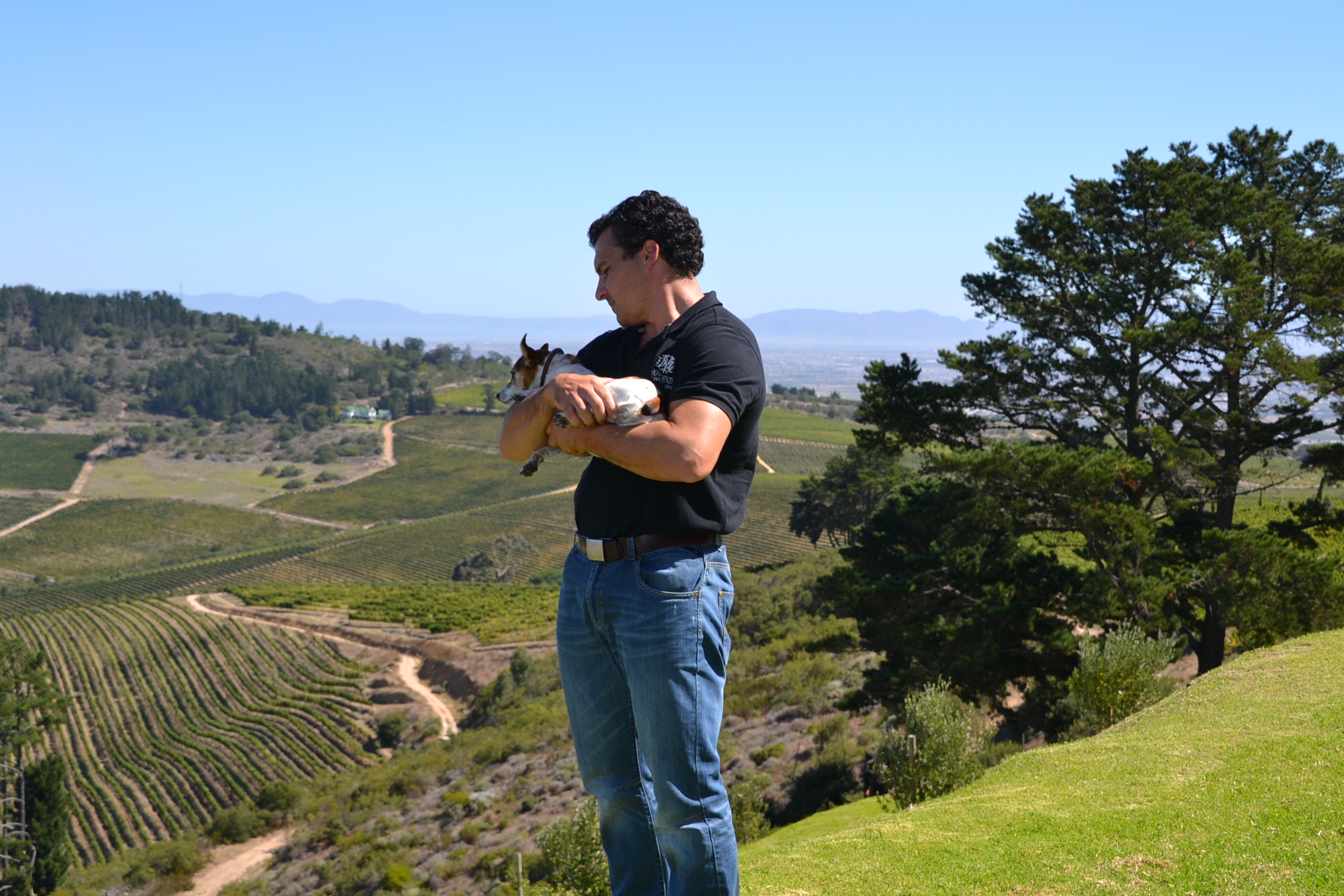
Yes–Dottie and Jane, Jack Russell terriers.

DMZ Stell mountain w house DSC_1312

Leave a comment

Filed under DeMorgenzon Wine