Turkish Wines: Vinkara Winery Working to Preserve Indigenous Varieties with Delicious Results

VinkaraWine

A predominantly Muslim country might be one of the last places you would expect produces wine—good wine, in fact—but Turkey has been resurrecting their very ancient (allegedly between 7000 – 15,000 years-old) wine traditions over the past few decades, making significant strides in quality in recent years. Thus, the arrival of Vinkara to NYC, a winery founded ten years ago and largely focused on the indigenous varieties of the country, couldn’t be timelier–very soon,  foreigners may be the only ones buying Turkish wine.

Back home, the Turkish government, led by President Abdullah Gül, seems set on passing increasingly restrictive alcohol laws to protect the nation’s youth from the “evils of drinking” and stop a nation’s alcohol consumption that hovers at a mere 1.5 liters per person annually (compared to 10.7 in the European Union, according to a 2012 Organization for Economic Co-operation and Development health study.) Sounds like a commingling of politics and ideology, no? Particularly if 83% of the country doesn’t drink?

Although there are, what some might consider, not wholly unreasonable “regulations”—no alcohol sales between 10 p.m. and 6 a.m., no bottles displayed in see-through shop windows and no wine sold at restaurants and shops near schools and mosques, there is one component of the new bill that is not only vague but strikes at the core method for a winery, especially a newer one, to exist and grow—advertising.

Under the new legislation, signed into law on June 10, all sorts of advertising campaigns will be completely banned–promotions, sponsored activities, festivals and free giveaways. The sole exception will be the international fairs that facilitate the global marketing of wines and other alcoholic beverages—so the rest of us depraved drunks can support the industry. Under the bill, alcohol companies would no longer be allowed to promote their brands and logos except within the facility itself. So, no winery logos on business cards? What about websites? And the punishment for violating the ban that you might know you violated is a fine ranging from 5000 to 200,000 Turkish liras or the U.S. equivalent of $2591-$103,648. Yikes.

So why do we care about this? As Americans and wine lovers who have experienced our own varying degrees of alcohol regulation, much of it absurd and leftover from prohibition, I believe it is important to show solidarity with the folks overseas working within this restrictive environment while trying to resurrect native varieties. Turkish Merlot is already a tough sell, let alone trying to convince people to buy wines they can’t pronounce or spell. And if the industry doesn’t survive, most of us will never taste these fascinating grapes. Maybe that’s partly selfish motivation—if the wines stunk would we care about preserving Turkey’s vinous heritage? Well, that question need not be answered today because I sampled four of Vinkara’s wines at Corkbuzz two days ago, and they are definitely keepers.

I tasted with the founder of the winery Ardic Gursel. She was in town for a week promoting the launch of her line-up in the NY market. Of lovely demeanor and quite enthusiastic about the industry’s potential, despite the problems at home, she explained the winery’s location and their philosophy. “We are located northeast of Ankara, near the region of Kalecik, a beautiful place and famous area known for its vineyards with a very ancient history and tradition of winemaking. We have worked hard to understand what varieties are best suited for our land and grow those grapes. Why should we make wines from international varieties and compete on that level when we have truly unique grapes of our own? We want to be known for growing Turkey’s grapes. They are wonderful.”
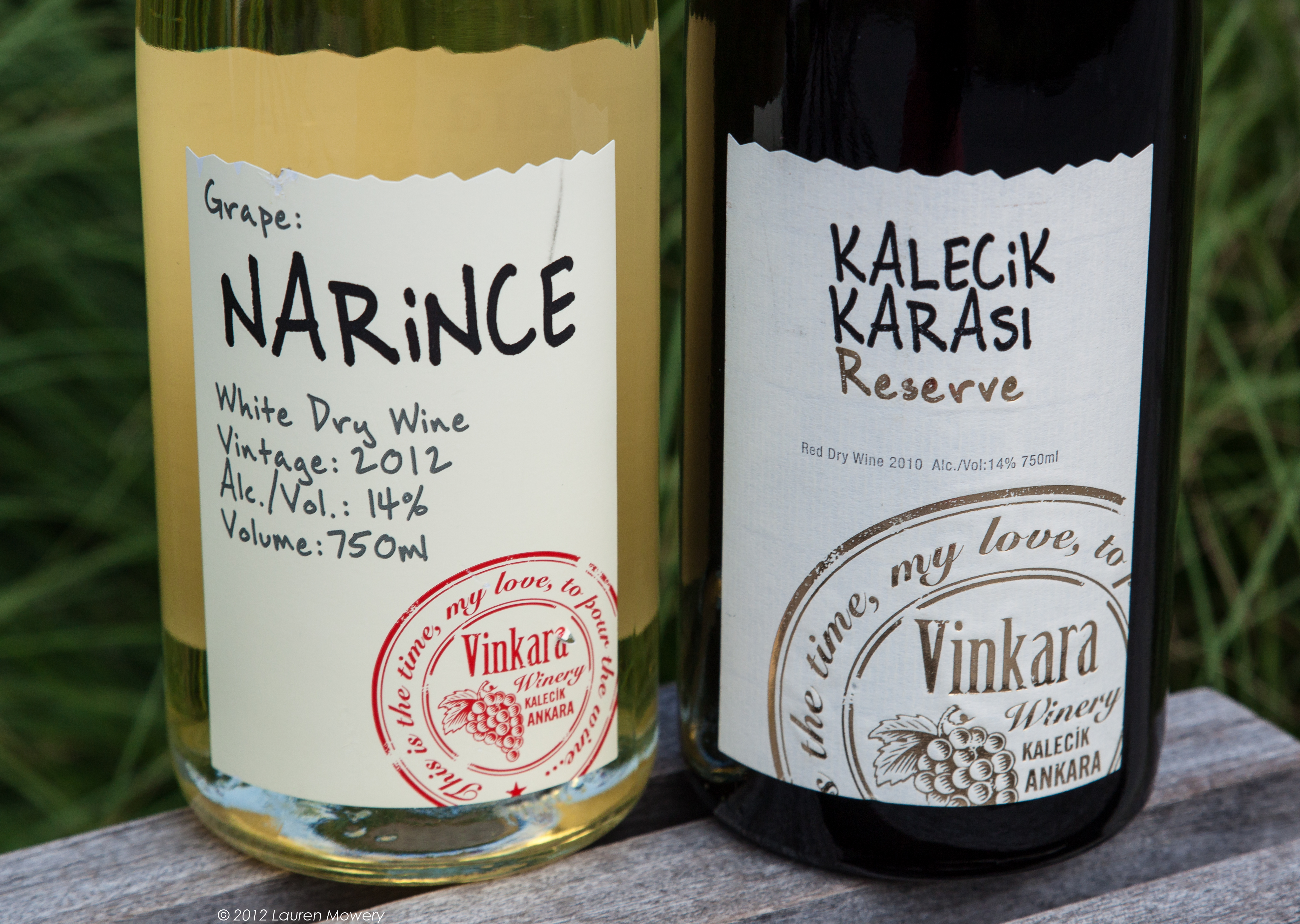
VinkaraLabels

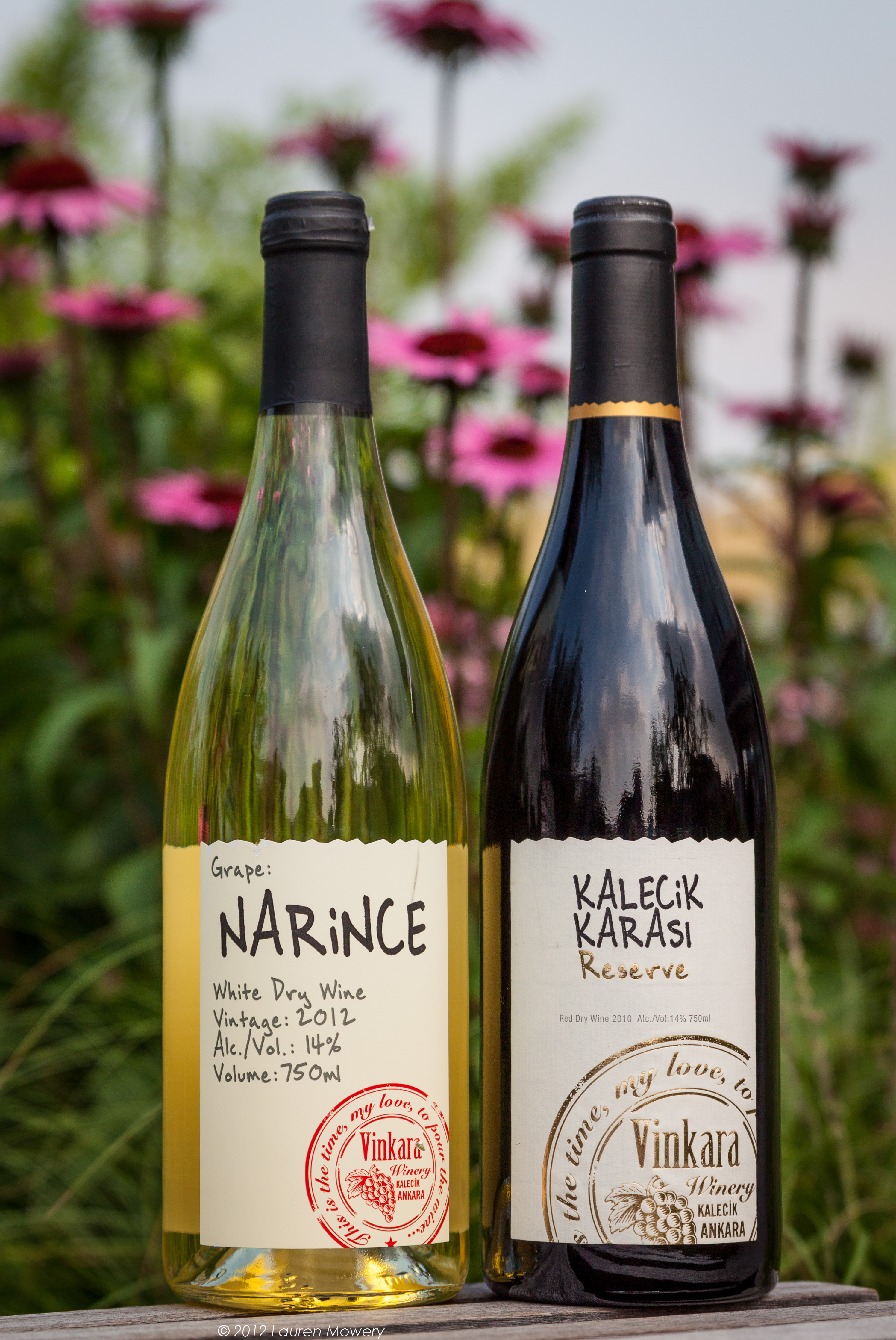
I tasted wines from two native varieties: Kalecik Karasi and Narince. Taken from Vinkara’s promotional material:

Kalecik Karasi (pronounced: Kah-le-djic-car-ah-ser with ‘er’ as in British ‘father’) is an indigenous red grape varietal originating and named after the town of Kalecik, in Central Anatolia. A close relative to Pinot Noir, the Vinkara Kalecik Karasi is medium bodied, low in tannin, fruit forward with a lively, crisp acidity.

Narince (pronounced: Nah-rin-djeh meaning ‘delicately’ in Turkish) is a white grape originating from Tokat province in the Black Sea wine growing region. 

Out of the four wines, I preferred the un-oaked Narince 2012 and the oak-aged Kalecik Karasi Reserve 2010. (The other two wines were an oaked Narince and un-oaked Kalecik Karasi.) What I found fascinating about both bottlings was their utter familiarity—the only thing unfamiliar were the varietal names on the label. If consumers sampled them both blind in a retail store, they would not only find them delicious but would be unable to put their finger on what, just exactly, it was they were tasting.

The Narince 2012 ($15.99), clean and crisp with touches of apricot and tropical fruit, had a texture similar to Viognier, reminding me of a cross between that and perhaps cooler-climate Chardonnay. The Kalecik Karasi Reserve ($25.99) had a lightness and brightness that reminded me of Pinot Noir and a fresh, fruity Gamay. Although aged in French barrels, the oak was so well-integrated, the purity of the red and blackberry fruit remained intact.

To find these bottles in New York, and I highly recommend that you do, check these stores:

Ambassador Wines & Spirits, Manhattan

Sip Fine Wine, Park Slope, Brooklyn

For the rest of you, try wine-searcher.com. If not available now, Vinkara is fighting for a place on your shelves, so check back periodically.
23 Comments

Filed under Turkish Wine, Vinkara

FREE TRIP ALERT: British Columbia Wine Tasting Adventure Giveaway

PoplarGroveWinery

I am giving away a free trip for two to visit the beautiful wine region of the Okanagan Valley in British Columbia, Canada, compliments of the Oliver-Osoyoos Wine Assocation.

How do you win?

First, follow my blog ChasingtheVine. Then tweet me a photo @chasingthevine of you and a bottle of wine somewhere other than your house or a restaurant. Yes, go outside, get on your roof, show me your view. Go to a mountain, shoot it standing in a fountain. Take a bottle to the Top of the Rock or underground on the subway. The most creative location-based shot will win and be featured on my blog. Tweet to @chasingthevine and use #showmewine. Enter as frequently as you like. Contest open from Monday June 24, 2013 until Monday July 22, 2013. Winner announced that week.

Why should you go?

  1. Gorgeous  Wineries & Wines: 200+ in the region, and you can hardly find the wines in the States
  2. Stunning Scenery: lakes, mountains, valleys, vineyards
  3. Outdoor Activities: paddle-boarding for water babies, hiking for mountain lovers
  4. Seriously Friendly Canadians
  5. Local and Organic Food: Similkameen Valley holds title of “organic capital of Canada”
  6. Okanagan Wine Festival in the Fall: October 4-14, 2013

Trip Includes:

  • Travel voucher ($800 value)
  • Dinner for 2 at a member winery restaurant ($150 value)*
  • Lunch for 2 at a member winery restaurant ($75 value)*
  • Car rental ($125 value)
  • 2-night stay for 2 at a local hotel ($400 value)*
  • Private winery tours and tastings ($200 value)

*Exact details regarding restaurants, hotel, and wineries involved will be confirmed once the Oliver-Osoyoos Wine Association knows when you plan to visit.

This contest is restricted to those of eligible drinking age, who hold a valid passport (and can travel internationally), and are legally able to leave the country (sorry, but no criminal records please!) The award has no cash value, and is non-transferrable.

5 Comments

Filed under British Columbia, Trip Giveaway

The Journey? No, the Destination. Okanagan Valley, British Columbia

PART 1: Getting There…

The wheels screeched and rumbled, braking, bouncing, striking the runway. Our plane careened forward another few minutes, inertia tugging me against the seat-belt, before coasting to stop at the gate. I peered out the mini-window of the CRJ. Dirty beige plastic framed the striking scene: In the distance sat mountains, stoic, frosted in snow like sifted sugar. Tall pines painted Crayola “forest green” reached beyond my peripheral sight. Fog, stretched like a roll of gauze, gently draped the shoulders of each granitic peak. How lovely, I thought wistfully, taking a mental snapshot. If I lived in Vancouver, this view would greet me when I came home.

But I live in New York City. I had just completed leg one of a long journey home from Penticton, B.C., following the close of the 2013 Wine Bloggers’ Conference. Rather than Pacific Northwest grandeur, my friendly flight-hub of Newark welcomes weary homebound travelers with glimpses of central New Jersey’s local highlights: smokestacks and power grids. But I wouldn’t see that view today. My plane landed at midnight.

The trek to-and-from Penticton proved exactly as I imagined: a trek, especially for those on the East coast. Even with a major hub (Newark) and direct 6-hour service to Vancouver (United), an hour-layover followed by a quick 30-minute hop to Kelowna on a small regional plane (Air Canada), Penticton was still another hour-drive further south.  Flying to London is faster.

Truthfully, the travel time and sequence of connections exhausts. I endured first-time flyers holding up the security line for pocket-change; gruff stewardesses, stingy on the soda pour, refusing to give up the whole can as though protecting a baby cub.  My seatmate wore a crinkly, stiff jacket the entire flight. His coat folded like origami each time he moved, scratching my skin. I scrunched my arm for relief from the itchy fabric, nearly bruising my ribs in retreat, while he smothered the armrest into submission.

Sorry Mr. Emerson, but you never endured the United/Continental merger. Unless one is privileged enough to ride the Orient Express from Singapore to Thailand First Class, the joy of modern travel is no longer about the journey, it’s the destination (plus a little anticipation mixed with relief your plane landed)—so it better be good. And British Columbia is that good. The exercise in patience taxation is worth it. That view I would return a thousand times for; the mountain-fog-and-pine-tree postcard through smudged pane that greets you when plane meets earth. And knowing what lies beyond as you pick-up your luggage in a rush to break out of the airport penitentiary: pristine wilderness, genuinely genial people and the alluring wines of the Okanagan Valley.

Part 2: Coming Soon…

3 Comments

Filed under British Columbia

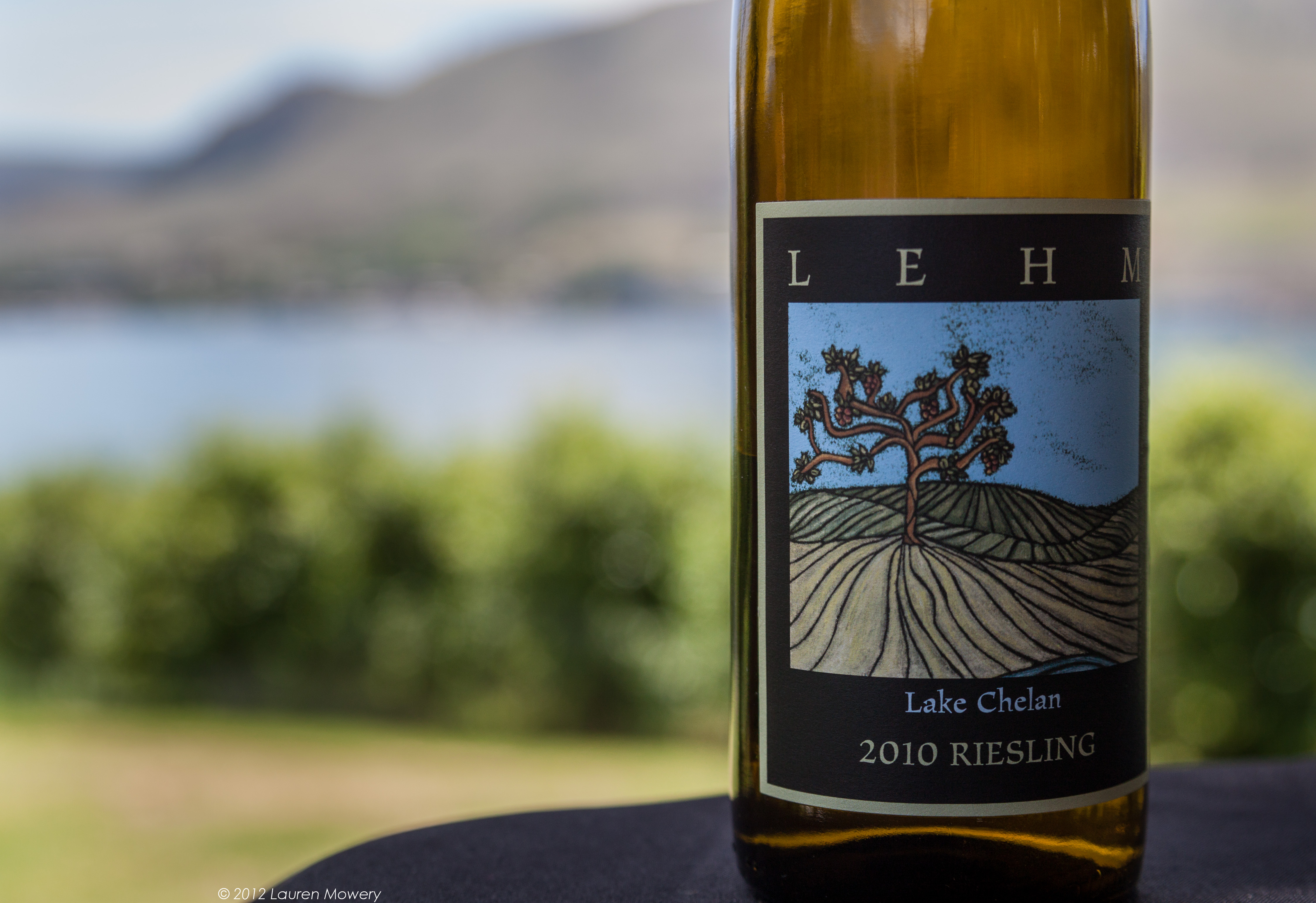
Vin du Lac LEHM Riesling 2010, Lake Chelan, Washington

vindulacriesling

Vin du Lac Winery, LEHM Riesling 2010, Lake Chelan, Washington

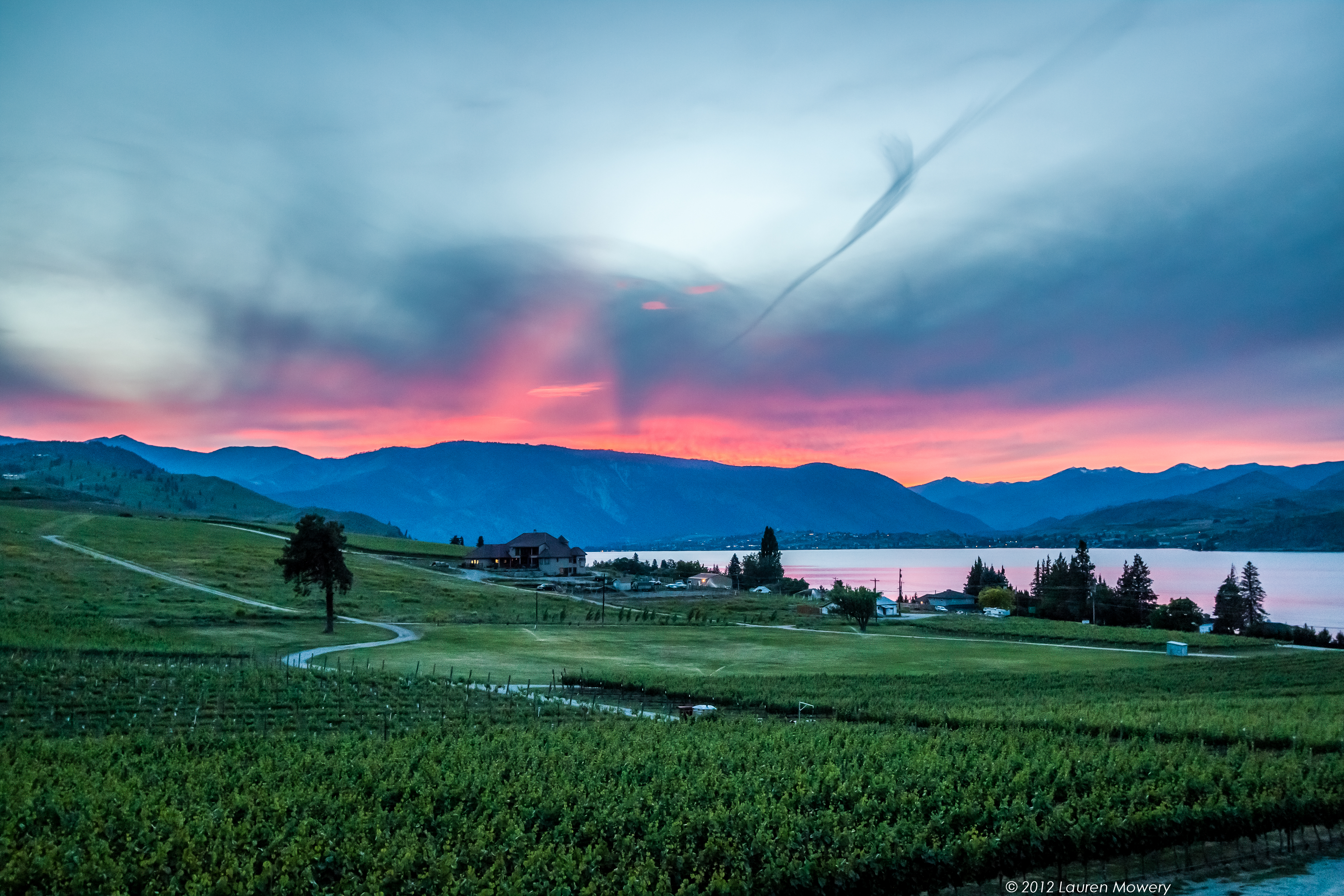
Vin du Lac winery sits perched above Lake Chelan in Washington State. This sliver of 10-year-old wine country in North-central WA puts out a handful of excellent Rieslings, Gewürztraminers and Cab Franc, amongst other varieties planted and currently being experimented with. Founder of Vin du Lac winery Larry Lehmbecker, a former lawyer (they always are), arrived with the very first wave of winemakers seeking to replicate the success of their Canadian cousins’ vineyards around Lake Okanagan. Larry decided to test the theory that great wine could be made from the sloping sites around Lake Chelan and the results are conclusive: yes.

Vin du Lac 2010 LEHM: The moderately aromatic nose for a Riesling belies the burst of tropical fruit salad that washes in on each sip. Waves of juicy acidity deliver additional doses of apple, apricot and tart-lemon. Bright and refreshing, this is a perfect afternoon wine to enjoy lakeside as we did. Our companion during this tasting, a Sonoma resident and marketing director for a well-known winery, bought a case to take home. Maybe that says something. Unfortunately, this wine isn’t available in the New York market. Visit the tasting patio and pick-up in person.

Leave a comment

Filed under Lake Chelan, Washington

Thank You Donors to the 2013 Wine Bloggers’ Conference

Lake Chelan Sunset

After a long travel day home and two fitful nights of jet lag-affected sleep, I’m marginally back on NY Time. With so many thoughts, photos, and highlights to share from this year’s Wine Bloggers’ Conference, including a win for Best New Wine Blog of the Year, I know the first thing I should post is an enormous “thank you.” As a scholarship recipient this year, I definitely could not have attended without it. Between my career changes and my husband’s, trekking to the stunning countryside of Lake Chelan, Washington and the Okanagan Valley, B.C., would not have been possible; so to all the donors that supported the Conference and, consequently, my participation: Thank You!

This year’s Wine Bloggers’ Conference donors were:

Winemaker Jayson Woodbridge of Layer Cake Wines;

Tom Wark, author of industry wine blog Fermentation;

Megan Kenney, author of wine blog Wannabe Wino;

Craig Camp, both blogger and CEO of Cornerstone Cellars in Napa Valley, which also encompasses the Cornerstone line, the Cornerstone Oregon line, and the Stepping Stone by Cornerstone line;

Allison Markin, founder of the site All She Wrote which offers social media and content engagement strategies for clients in the wine, culinary, hospitality and cultural tourism sectors. She is also the creator of Eat.Drink.Tweet. events — social media seminars with a culinary twist;

Mia Malm, founder of Malm Communications, a boutique public relations and social media firm specializing in wine, food and luxury lifestyle; and finally,

Alina Ferguson, author of wine blog One Girl, One Glass, One World.

Thank you everyone and I hope to see you all next year.

8 Comments

Filed under Thank You Donors, Wine Bloggers' Conference 2013

Finalist for Best New Wine Blog and Best Photography on a Blog

awards-badges.jpg

As if the month couldn’t get any better…I just returned from a brilliant trip to Spain, visiting the town of Jerez for the annual Feria to drink buckets of sherry and gawk at the gorgeous flamenco gowns worn by local women. I spent a few days “studying” the art of and obsession over GinTonics in Madrid. I returned home to find I passed my Diploma exams with Merit in Fortified and Sparkling wines, and now this: nominations for Best New Wine Blog and Best Photography on a wine blog!

In the category of Best New Wine Blog, I am competing against myself because my column Unscrewed in the Village Voice is also a finalist. Vote what you feel is correct, but I encourage you to vote for Unscrewed (yes, painful to write that on my personal blog) and vote for Chasing the Vine under Best Original Photography.  VOTING ENDS FRIDAY! And whatever happens, thank you all for the support this past year. Writing a blog(s) is time-consuming; just being acknowledged for the work is honor enough.

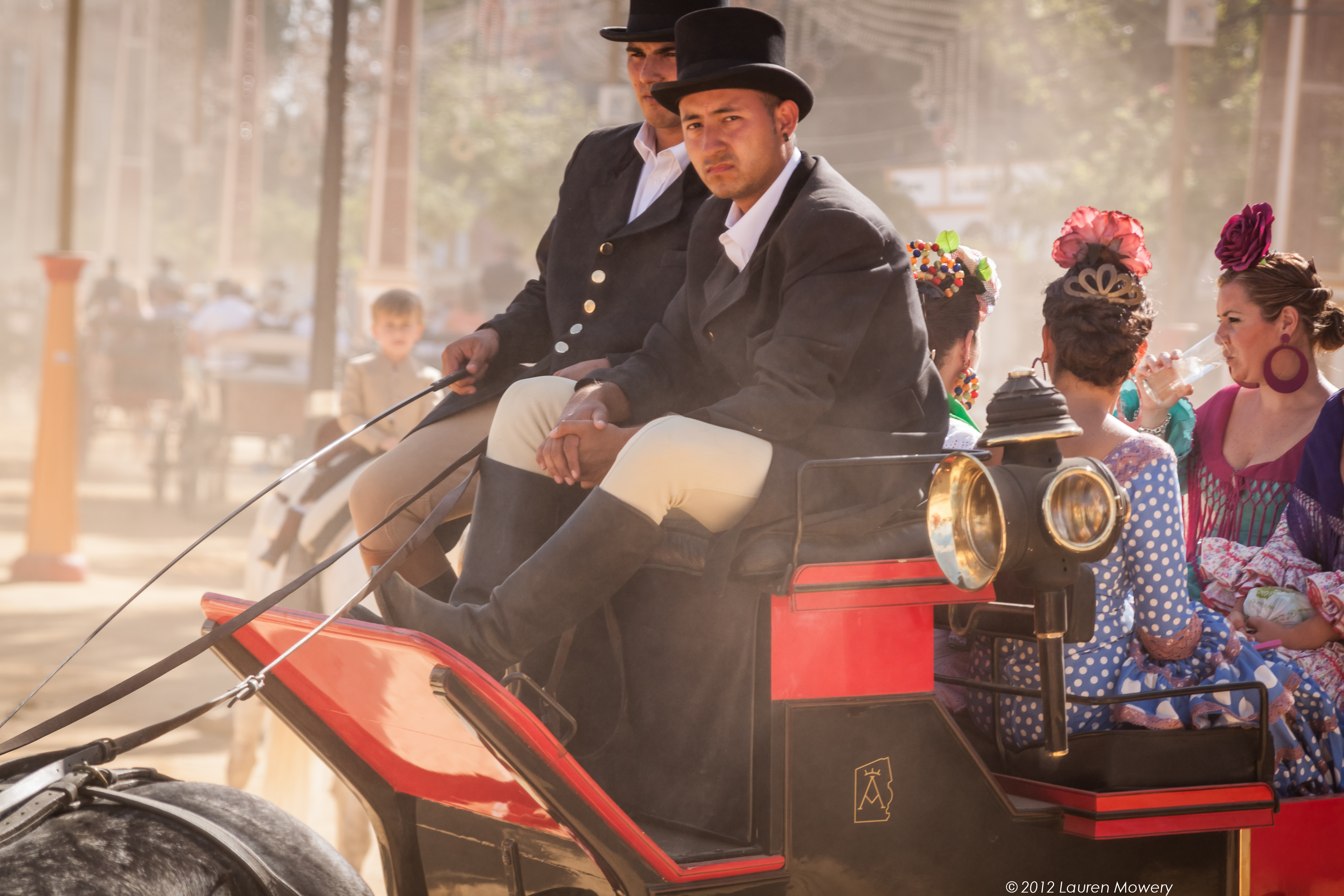
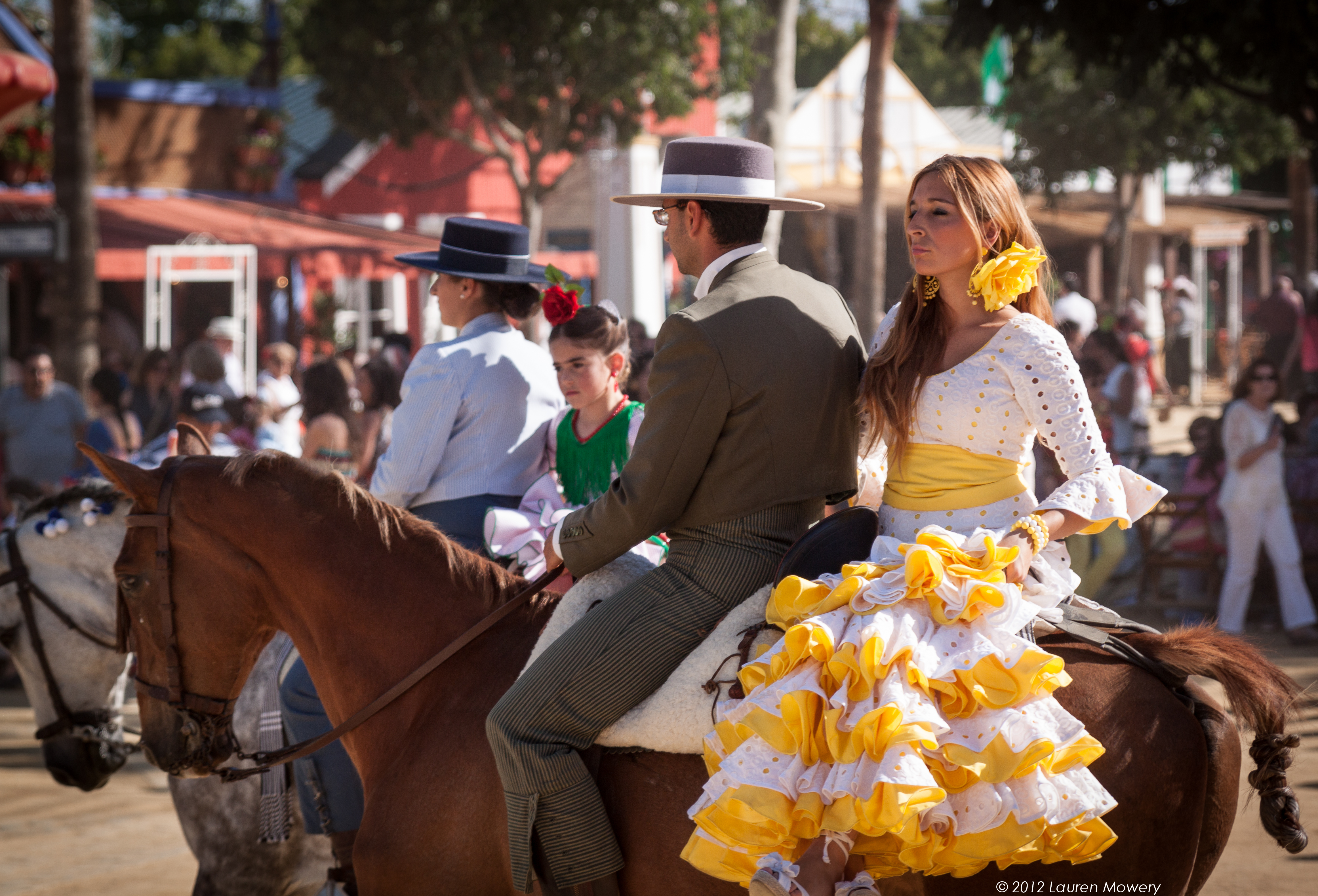
I leave you with a few gorgeous images from the Feria of

Jerez de la Frontera, Spain!

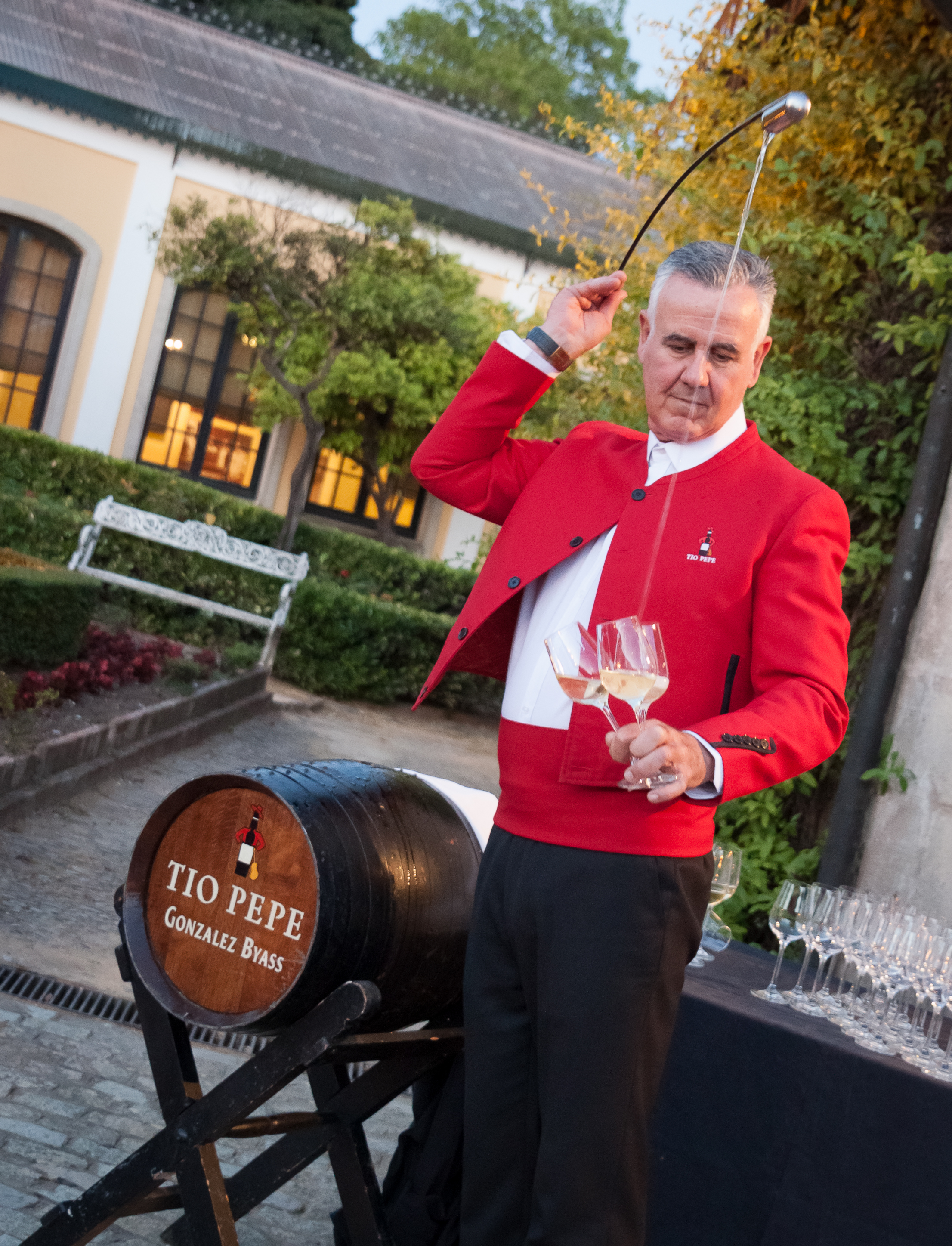
La Chicas de Tio Pepe

Learning to ride
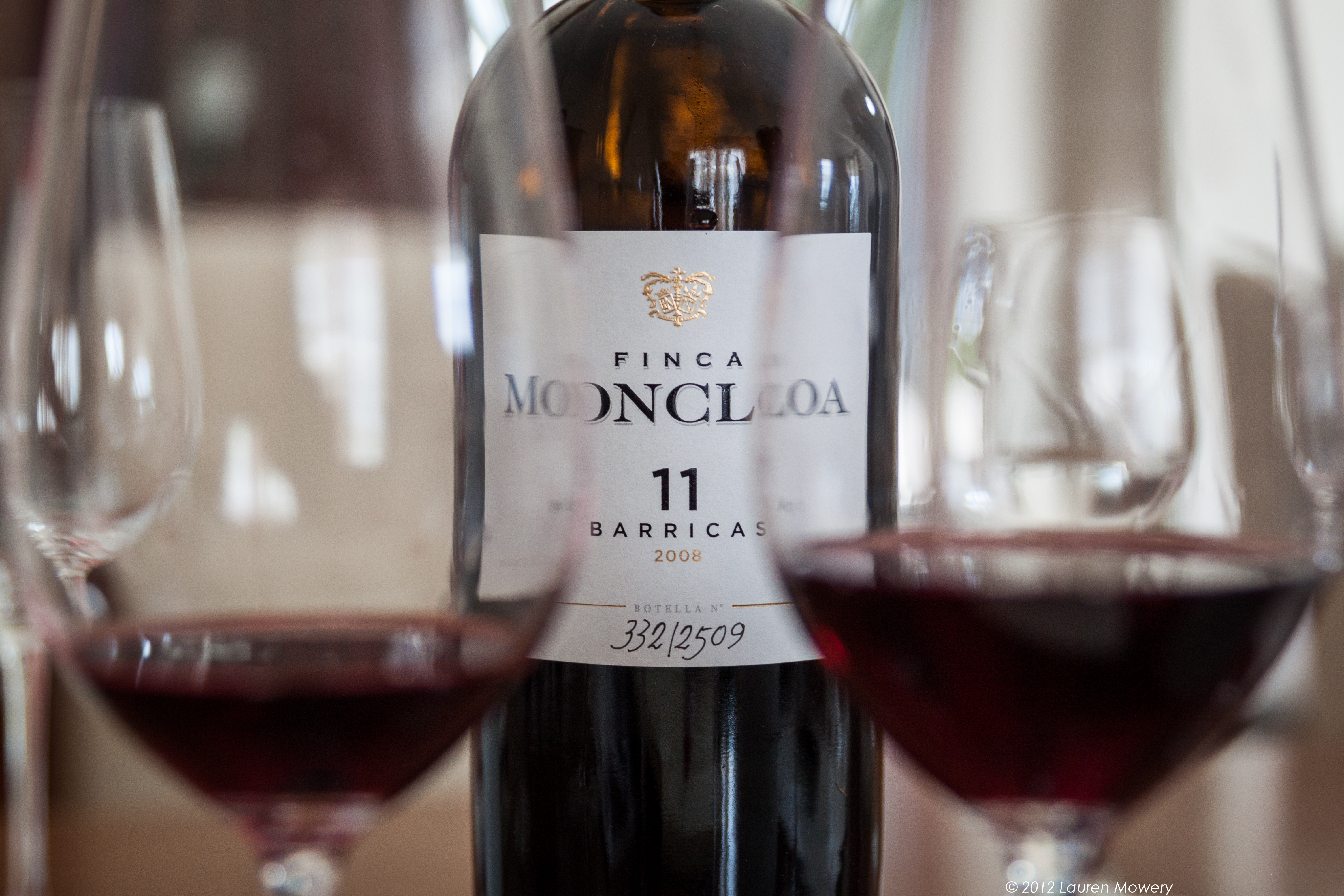
Old Casks in GBHorse drawn carriages and sherry girlsPouring Tio Pepe Finca MoncloaCheers! Old Man

4 Comments

Filed under Wine Blog Awards

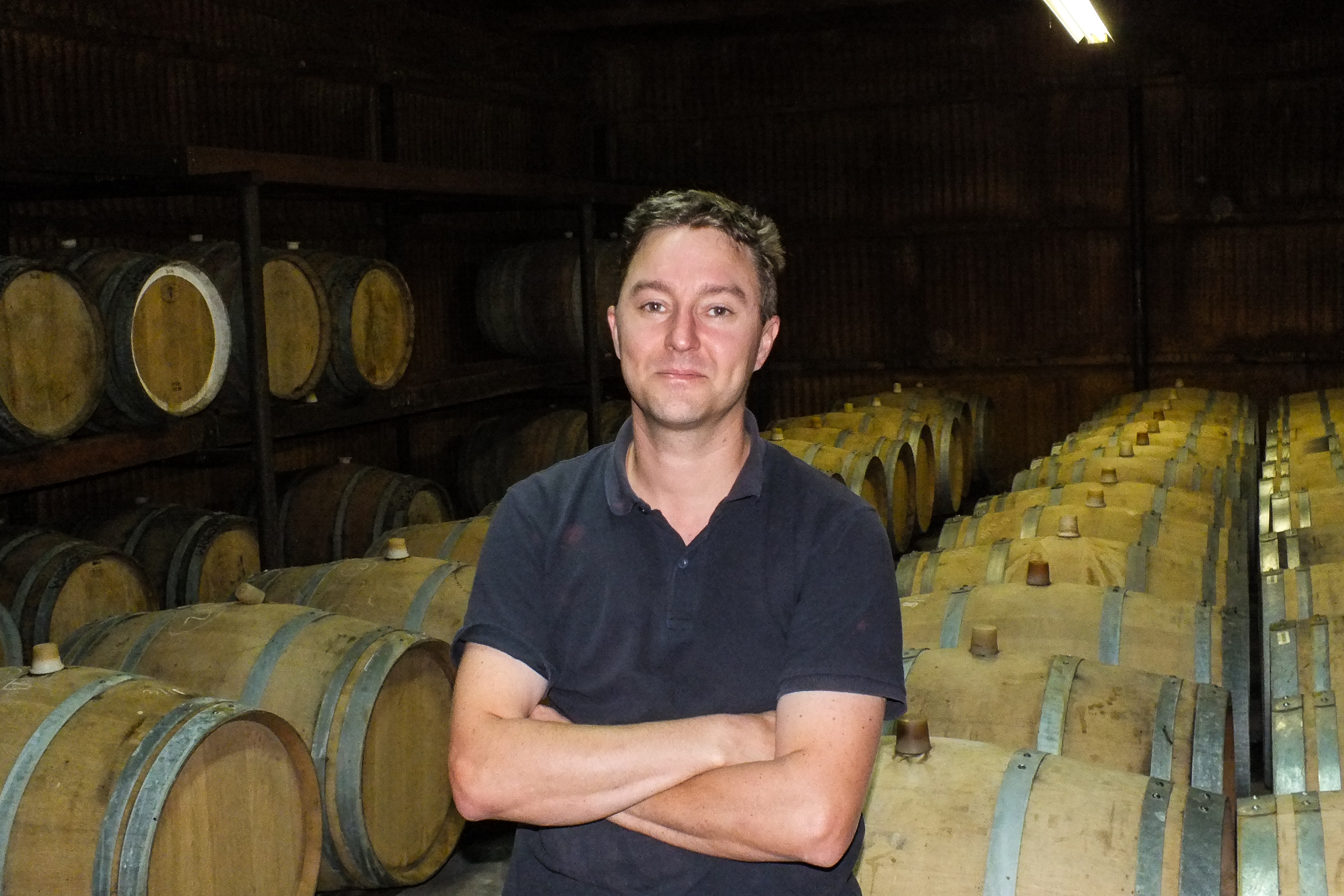
Ben Haines of Ben Haines Wine, Yarra Valley, Victoria

Ben Haines Portrait

Ben Haines of Ben Haines Wines, Yarra Valley, Victoria

Signature Wines: Ben Haines Syrah, Ben Haines Roussanne, Ben Haines Marsanne and B-Minor “The String Section” Shiraz/Marsanne

Where were you born? Where do you live now? I was born in Adelaide, South Australia and now live in Melbourne, Victoria.

How did you get into the wine business? My father is a doctor, and my mother is in the arts; I guess the fusion of science and art was in my blood. I spent much of my childhood in the country surrounded by vineyards as well. My parents have always been great wine appreciators, so all of these aspects culminated in a life dedicated to wine.

What is most and least rewarding about being a winemaker? Most: Being part of the annual cycle of nature, exploration, and the people. Least: Nothing!

What are the benefits and challenges of making wine in your region? I’m based in the Yarra Valley region of Victoria, but a large part of what excites me about making wine is exploring different regions and terroirs year to year. Victoria has incredible diversity of geologies, soils and climates within such a small area. There is so much to learn from every vineyard site, and from every season. As with any vigneron, we also have to manage many challenges from the elements: frost, disease, pests, rain/hail, and even bushfires. Many of the best sites can be quite marginal – this is all part of the challenge and the charm of making wine.

Ben Haines Vineyard 2

Have Australians’ wine preferences changed in the last 10 years? Absolutely. Some cliché’s still dominate the market, but eyes are more wide open now than ever before. Australia has always nurtured its boutique producers, but in the last 10 years particularly, we have seen a real proliferation of small producers making really honest, interesting, high quality wines. The trade is also now keen to support these wines, and as a result, many are reaching far and wide. I believe this is largely re-defining Australia’s wine drinking culture and its global reputation. It’s difficult to generalize on broad style shifts, but variety is becoming something people seek, rather than fear.

Have you been to the U.S.? I worked in the Napa Valley in 2001 and have traveled to the East and West Coast several times since.

Do you think Australia gets an unfair reputation in the U.S. for producing unbalanced, fruit bombs? Generalizations are unfair in general, as there are always examples that go against the grain. I often heard comments about the “sweet, sickly nature of all Australian Grenache”, and the “alcohol and fruit of all Australian Shiraz”. Broadly, Australia has copped a fair beating for producing high alcohol wines that are bold and blatant, and full of oak and concentrated fruit. I think the Australian wine industry would admit it has a lot to answer for in the development of this impression. The paradox is that these wines are not what the average Aussie drinks. These wines are becoming less prominent in our market. There are certain regions that continue to make high-voltage reds, as this is what they do best, and they have a strong market for these wines, particularly globally… It’s a vicious cycle. The key for us as an industry is to continue to showcase our great wines rather than “commodity beverages”.

Which wine or grape is the least understood or respected? There are two: Riesling and Marsanne. The majority of people think these wines are sweet, sickly and unpleasant, when in fact they are the two varieties that drink impeccably in both their youth and with age. They both have gorgeous aromatics, lovely texture and pair beautifully with food.

Ben Haines against the wall

What excites you most about Australian wine right now? The dynamic exploration of all aspects of sustainable viticulture and winemaking; the camaraderie, and sharing of knowledge & experience amongst producers; small, quality-focused producers; and open-mindedness of the trade and consumer

What do you drink when relaxing at home? Depends on my mood, the food and the weather. Most likely to be a GSM, a Beaujolais, a Roussanne or a cold beer.

What types of food do you like to eat; any special dishes you make/care to share? I could eat fresh seafood every day. A platter of freshly shucked oysters, silky delicate whiting, chili and garlic prawns grilled on the barbeque…with a cold glass of Godello. Happy days!

What music do you listen to? My brother and I grew up thriving on heavy metal! Much like wine, my listening is determined by my mood. My mother is a musician and so music has been a big part of my life. All genres of music have the potential to please me. Right now I’m enjoying some Frank Sinatra.

Which non-Australian wines do you like? I’m drawn to the wines of France’s Rhone Valley, both North and South for very different reasons. I also love the wines of Tuscany and Piedmont, and find great appeal in Spanish whites with food. I also believe Spanish winemaking is in an interesting and exciting phase, and we’ll see some amazing wines in the next 10-20 years.

If you could be traveling somewhere else right now, where would you be? A surfing holiday in Costa Rica

Ben Haines Vineyard

1 Comment

Filed under Australia 2.0, Ben Haines of Ben Haines Wines

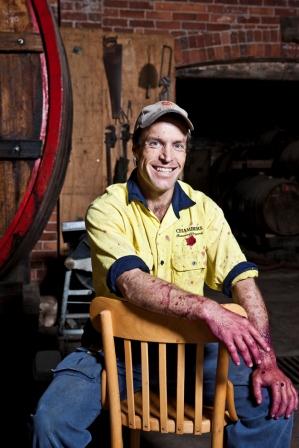
Stephen Chambers of Chambers Rosewood, Rutherglen, Victoria

Stephen Chambers pic

Stephen Chambers of Chambers Rosewood, Rutherglen, Victoria

Signature Wines/Prices: Muscat and Muscadelle. There are a range of these wines from a young-style (Rutherglen) all the way up to old wines with extended barrel maturation (Rare). The prices of these wines range from $20 to $300. Both those wines are fortified wine styles. However, we also make a range of table wines (not exported to the USA) of which we are gaining a reputation for, particularly a wine by the name of Anton Ruch, which is a Shiraz and Mondeuse blend and is sold at cellar door for $20.

Where were you born? Corowa (New South Wales), approximately 12km from Rutherglen.

Where do you live now? Rutherglen.

How did you get into the wine business? From a young age I remember coming down and helping out in the winery. Be it pressing buttons to turn pumps on-and-off, to selling wines to customers on a Saturday morning. From there I also conducted micro-fermentations of reds and white (whites worked out better, I tended to make vinegar out of the red grapes). So, realistically, by the time I finished my secondary schooling, it was pretty obvious what career path I would take.

What is most and least rewarding about being a winemaker? The most rewarding part of being a winemaker is the ability to view a product that you have had a hand in making. Whether it is a white table wine or a Muscat, the chance to sit back and try your wines after all the hard work of vintage is wonderful. The least rewarding aspect of winemaking is the constant washing; it is akin to cooking–everyone sits around and enjoys the end product but no one sees the amount of mess and the amount of cleaning required in order to achieve it.

What are the benefits and challenges of making wine in your region? One of the benefits of working in the Rutherglen region is the quality of fruit and the range of varieties that we have growing in the region. On a climatic note, the autumns are generally dry with warm days and cool nights, allowing fruit to achieve ripeness from the vine being active rather than from desiccation of the fruit. This is especially important for the Muscadelle grape which is a late ripening variety. This is also a challenge: managing all the varieties and getting them to optimal ripeness.

Have Australians’ wine preferences changed in the last 10 years? Yes, currently in whites, Sauvignon Blanc is king, whilst there seems to be no clear leader in the reds. Producers have toned down the use of new oak, and in some cases, the size of barrel and altered their MLF regime. This is in response to the maturing of the Australian wine palate which now wants well-balanced wines which are multi-layered, not just fruit-driven styles with lashings of oak.

Have you been to the U.S.? Do you think Australia gets an unfair reputation in the U.S. for producing unbalanced, fruit bombs? Yes, I have visited the U.S. on a few of occasions. That may have been a fair assessment 6 to 8 years ago, but now I think the majority are being judged by the minority on this question. Yes, there still are fruit bombs out there and in some cases they were the wines that helped open up the U.S. market. The advantage that Australia had was to produce fruit-driven wines which were consistent from year-to-year and appealed to the palate. These wines initially appealed to the U.S. palate, and therefore there was a great proliferation of these styles into the market. Another aspect of this style was the chasing of points from influential wine critics.

There was, however, always some concern that these wines may not last the journey and from all reports this is indeed the case. As we are all aware, tastes change as the palate matures and there is a desire to try something different. There were always better balanced wines being produced which did not solely rely on forward fruit expression and lashings of oak (in some cases residual sugar). Some of these wines were available in the U.S. market but many were domestic only, something that seems to happen in every market.

Which wine or grape is the least understood or respected? Hmm, tough question. Everyone will have their own variety that they will champion. Me, I would probably not be limited to one variety, but rather a multiple of minor varieties which if they are lost to us, may actually have greater impact than initially thought. An example is Gouais (or Heunsich Wiess). Gouais gets this name from the French and was seen as a peasant grape and the term ‘Gou’ being a term of derision. This variety has had a major influence on winemaking. Due to the Romans moving it around, it has had a hand in creating some of the main stream varieties such as Chardonnay, Riesling and Chenin Blanc. There are bound to be other varieties similar to Gouais in terms influence, but are seen as a great variety in other aspects.

What excites you most about Australian wine right now? The quality of wine being produced. Whilst there have been some exits from the wine industry in both vineyard removal and bankruptcies, those who remain are making very good wine even with the financial pressures and the challenges of the last 2 growing seasons.

What do you drink when relaxing at home? I drink a wide range of wines when at home relaxing–too many different ones. But my wife is partial to Pinot Noir, so we tend to drink a fair bit of that.

What types of food do you like to eat? Nothing specific. Our range of foods has been curtailed somewhat by the tastes of our daughter Zara.

Stephen Chambers rory and zara Rutherglen

What music do you listen to? Mainly alternative, when I do listen to music. I am finding at the moment that I am not making the time to do so.

Which non-Australian wines do you like? Are there any wines you can’t stand to drink? I don’t have any specific non-Australian wines I like (nor really any specific Aussie wines for that matter). I have found that by being willing to try new varieties or wines, you can always learn something. Not a great fan of non-vitis vinifera wines though.

If you could be traveling somewhere else right now, where would you be? Late last year we had a family holiday in the Bay of Islands in New Zealand. If I was going to be anywhere else, it would be travelling through this area. We barely scratched the surface of what we could do last time we were there.

Is there a winery dog? Yes, there are 2 winery dogs. One is mine (Rory) and she is a 3-year Blue and Tan Kelpie. She has been great company during the vintage this year keeping an eye on me during pump overs and telling me when someone is coming!

1 Comment

Filed under Australia 2.0, Rutherglen, Stephen Chambers of Chambers Rosewood

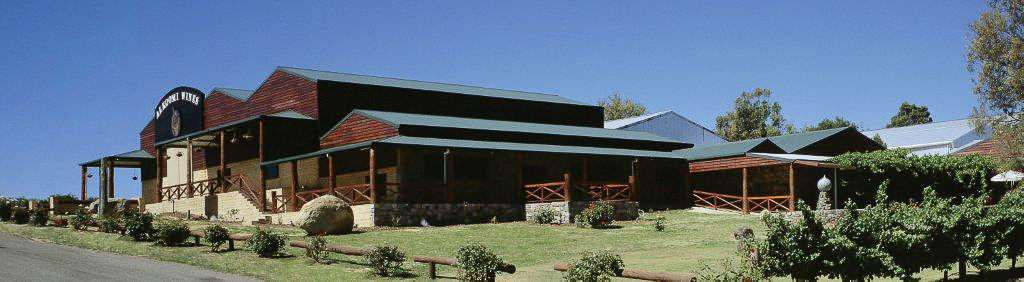
Andrew Cherry of Alkoomi Wines, Frankland River, Western Australia

Alkoomi Andrew Cherry

Andrew Cherry, Winemaker for Alkoomi Wines, Frankland River, Western Australia

Where were you born? Perth, Western Australia

Where do you live now? Alkoomi Wines, Frankland River

How did you get into the wine business? Started with a degree in chemistry and worked in hospitality throughout that time. This was followed by a three year trip around Europe and working in fine dining restaurants in Soho, London. Love of Chemistry plus a love of wine led me to a Post Graduate Diploma in Oenology at the University of Adelaide.

What is most and least rewarding about being a winemaker? Most rewarding is getting the wine to bottle intact and watching it develop with time in bottle. Ironically, the least rewarding would be the tedium of running the bottling line and actually getting the wine into the bottle!

What are the benefits and challenges of making wine in your region? We are benefitted by the inland cool climate, allowing slow ripening. The key is the cool evenings allowing acid retention as well as allowing us to harvest the fruit in the cold mornings retaining the hallmark freshness of the Frankland River region. The biggest challenge would be the remote location; this requires us to be very self-sufficient which ultimately results in a more sustainable operation on the whole. Our fruit is estate grown, harvested, made, bottled and stored on site until sold.

Have Australians’ wine preferences changed in the last 10 years? Yes for example the preference for wine styles of Chardonnay and Shiraz have become more restrained and elegant.

Have you been to the U.S.? Yes, though at the time I was 6 years old, and I remember that the orange sherbet ice cream in San Francisco was amazing.

Do you think Australia gets an unfair reputation in the U.S. for producing unbalanced, fruit bombs? In the past, perhaps that was true.

Alkoomi Panorama

Which wine or grape is the least understood or respected? Riesling…….Many people come to our cellar door and assume that Riesling is a sweet wine and will not initially try it.

What excites you most about Australian wine right now? My new refrigeration system! We recently upgraded our refrigeration plant and as a result have reduced our Carbon footprint by around 80%, have much more control of ferments, and have many fewer grey hairs at the end of each day!

What do you drink when relaxing at home? If not a glass of wine, then a home brewed beer or a Negroni or two.

What types of food do you like to eat? Any special dishes you make/care to share?

At the end of vintage every year, as the weather turns, we make a hearty dish of lamb shanks cooked with the grape skins of the 40-year-old Cabernet ferment for around 5 hours, served with polenta and a bottle or two shared with other winemaker friends who are also through with the onslaught of vintage.

What music do you listen to? It depends on what I am doing. V13 Crushing – Beastie Boys; Barrel work – Miles Davis; Cleaning up – Groove Armada; Lab Work – Sarah Blasko.

Which non-Australian wines do you like? Are there any wines you can’t stand to drink? Champagne is an obvious favourite. As for wines I can’t stand to drink, nothing springs to mind – I will try anything, but won’t keep drinking it if I don’t like it; there are too many good wines out there to dwell on the ordinary.

If you could be traveling somewhere else right now, where would you be? As Autumn sets in I’d rather be visiting my sister in tropical Thailand!

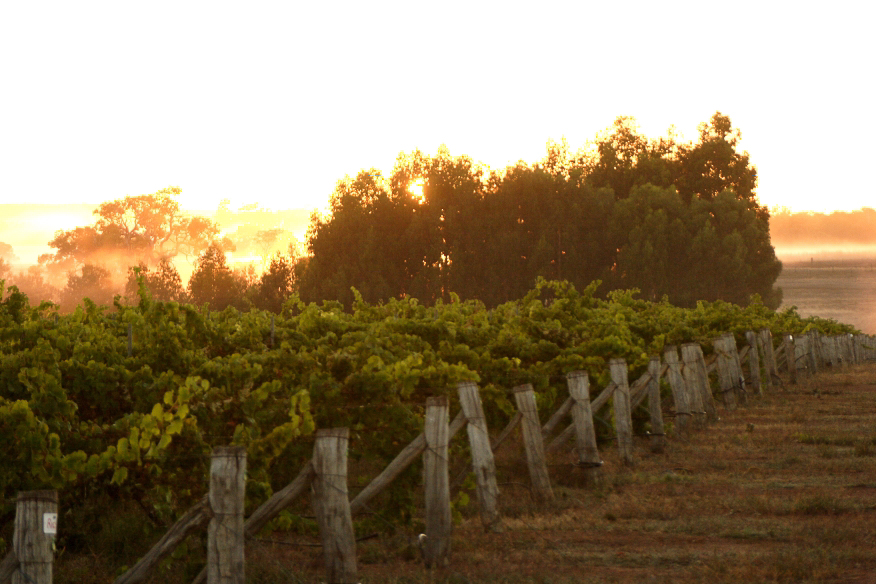
Alkoomi Vineyard Sunset

Leave a comment

Filed under Andrew Cherry of Alkoomi Wines, Australia 2.0, Frankland River

Hunter Smith of Frankland Estate, Frankland River, Western Australia

Hunter Smith in Vineyard

Hunter Smith of Frankland Estate Winery, Frankland River, Western Australia

Signature Wines/Prices: Olmo’s Reward $56, Isolation Ridge Riesling $40

Where were you born? Where do you live now? I was born in Frankland River and spent my early childhood growing up on our then “broad acre” farm (growing crops and sheep grazing) that my parents purchased in the early 1970’s. Due to our geographical isolation, when I was 11 years old, I went to boarding school in Perth. This was the start of 15 years of living and working away from the family property until my return in 2001. However, school holidays were enjoyed on the family farm and emerging vineyard and winery.

How did you get into the wine business? I grew up with my father and mother’s love of wine–a bottle was always on the table for nearly every meal (breakfast excluded, sometimes)! My parents were, and still are, Bordeaux drinkers – it was commonplace to have a bottle of Bordeaux at the dinner table. My parents encouraged me to do other things outside of the wine industry, so my desire to be actively involved in wine came quite late. It wasn’t fully cemented until I worked a vintage in Austria and Germany in the year 2000. It was then that I really decided to get involved with our family business.

What is most and least rewarding about being a winemaker? I have a fondness and interest for all kinds of agriculture and agribusiness. Winemaking is such a divers and rewarding career. One day you are in the vineyard kicking the soil and talking about microbiology and that afternoon you will be on the phone to your importer in California. To see your wines on the wine lists in some of the great restaurants of the world is hugely rewarding.

What are the benefits and challenges of making wine in your region? I will start with the benefits, there are many but to list a few important ones: The Frankland River region is remote and enjoys its inland position off the south coast. We get high temperature variation from day to night and cool persistent winds which make viticulture a real pleasure and allows us to quite comfortably grow in a low disease-pressure environment. Hence, our Isolation Ridge Vineyard that surrounds the winery is certified organic. The isolation of our winery provides many positives. However, it also has its challenges, perhaps the biggest being that our major markets are, literally, on the other side of the world!

Hunter Smith Vineyards

Have Australians’ wine preferences changed in the last 10 years? Absolutely. Australia like many of the markets we export to, is continually evolving and we have seen the Australian wine drinker become more savvy and more discerning. The increasing amounts of imported wines into Australia have really changed the wine landscape in a positive way and I think this has lent itself to the food-friendly, balanced styles of wine, a style we have been conscious of making from day one at Frankland Estate.

Have you been to the U.S.? Do you think Australia gets an unfair reputation in the U.S. for producing unbalanced, fruit bombs? I have, over the past 10 years, spent about 4 weeks a year travelling and selling our wines in the USA. It has been a great market for us at Frankland Estate and our focus has very much been in the premium end of the market. We have always felt Australia in general has a lot of work still ahead of it in promoting its best wines into the US market; you only had to go to the best restaurants of the USA to see the lack of great Australian wines on the menu. When currency was more in our favor it was possible to have nice, fruit-driven wines at an inexpensive price-point. Now this segment is tougher and we have seen stronger interest in the premium market; in wines that reflect terroir, are balanced and show a sense of location and identity.

Which wine or grape is the least understood or respected? WOW…this is a tough question. I am going to have to say Riesling! If everyone loved Riesling as much we do as a family here at Frankland Estate, every wine drinker would have a fridge full of it! It’s an amazingly transparent variety that can show a sense of place and a winemaker’s personality like no other variety. It also has many stylistic possibilities which I am sure adds to the complexities of understanding the variety for the average consumer. But, with a little knowledge, it can be some of the most rewarding drinking…from great “value for money” perspective, to some of the rare Trockenbeerenauslese wines and ice wines.

What excites you most about Australian wine right now? People are really doing a lot of soul-searching. Australia has enjoyed some amazing growth in export markets. However, due to a number of reasons, competition is strong and people are evaluating what sort of wines they are making. We have seen a strong push for winemakers generally to produce wines that are even more regional, more vineyard specific and more varietally- typical of their region. I think there are some amazing wines being produced by great young winemakers and these, I hope, will find their way out into the wine world and celebrated.

What do you drink when relaxing at home? A lot of Riesling. As I said before, there is great “value for money” in Riesling, but I do also have a love for wines from the northern Rhone.

What types of food do you like to eat? Any special dishes you make/care to share? I like eating! It’s an excuse to have a glass of wine in front of you. We live in an amazing part of the world and as a family we grow a lot of vegetables, fruit and meat on our own farm. My father has an incredible vegetable garden and as a family we go out of our way to eat fresh locally grown (if not our own grown) food. We are just a one hour drive to the south coast, where a fresh whiting or flathead can be on the dinner plate in a matter of minutes. It is this freshness and honesty in food that I like most, I believe it’s quite often referred to as “rustic food.”

What music do you listen to? I’m a bit of dork when it comes to music. I still haven’t moved on from the soft rock of the 80’s and 90’s; artist like the Stones, R.E.M and more recently casual stuff like Bon Iver.

Which non-Australian wines do you like? Variety is the spice of life and to limit it to just a region or two is hard. I spend a lot of time out in the markets selling wines from Frankland River — a region that is gaining in awareness but still has a long way to go. For this reason, I would consider I have a very open view on trying new wines. I prefer to drink wines that show their origin.

If you could be traveling somewhere else right now, where would you be? I would like to take a backpack and wander through inland China. It sounds amazing!

Is there a winery dog? We have dogs that help with our sheep work but we leave the winery to the winery cat!

Hunter Smith Wine Cat Bazil 2

Anything else you care to share…. We look forward to hosting your readers at Frankland Estate. It’s worth the visit!

Leave a comment

Filed under Australia 2.0, Hunter Smith of Frankland Estate